
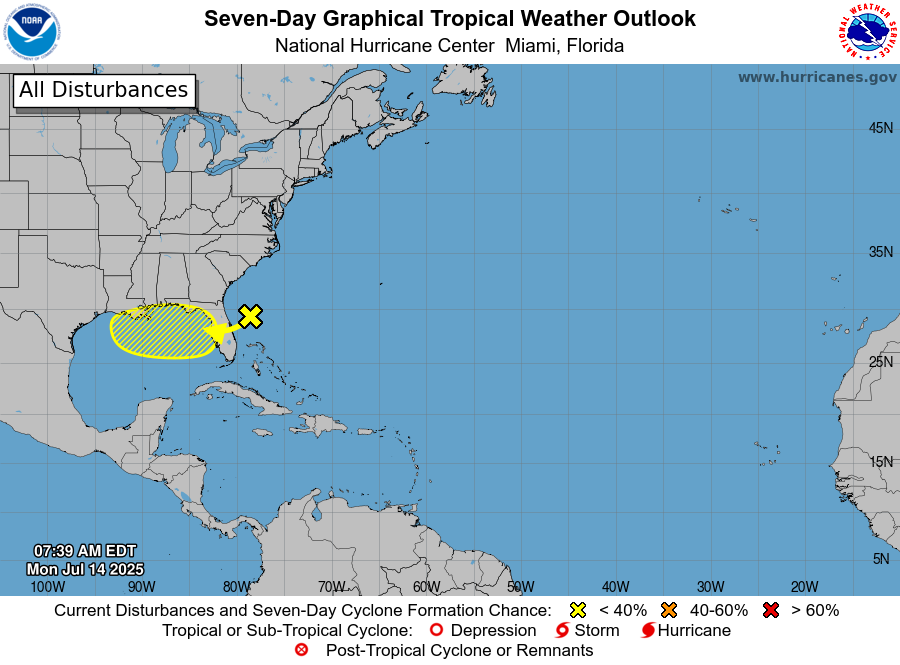
Florida, often affectionately known as the Sunshine State, stands as a beacon for travelers worldwide, drawing millions with its pristine beaches, vibrant cities, and unparalleled attractions. From the magical realms of Orlando‘s theme parks to the historic charm of St. Augustine and the breathtaking natural beauty of the Everglades, Florida offers a diverse tapestry of experiences. However, its geographical location, nestled between the Atlantic Ocean and the Gulf of Mexico, also places it directly in the path of a powerful natural phenomenon: hurricanes. The question, “Is the hurricane heading to Florida?” is a recurring concern for residents, businesses, and, perhaps most acutely, for those planning or currently enjoying their dream vacation. Understanding hurricane season, its potential impact on travel and accommodation, and how to prepare is crucial for any visitor to this beloved state.

Hurricane season officially runs from June 1st to November 30th each year, with the peak activity typically occurring between mid-August and late October. During this period, tropical depressions can form and intensify into tropical storms or hurricanes, posing varying degrees of threat. While forecasting technology has advanced significantly, predicting the exact trajectory and intensity of these storms remains a complex science. For travelers, this unpredictability underscores the importance of vigilance and preparedness, transforming what might otherwise be a carefree journey into one requiring careful consideration of weather patterns and safety protocols.
Navigating Florida During Hurricane Season: Essential Travel Considerations
For those with upcoming travel plans to Florida during hurricane season, the primary concern shifts from choosing the perfect resort or attraction to ensuring safety and minimizing disruption. The travel landscape undergoes a significant transformation when a hurricane threat looms. Airlines, cruise lines, and other transportation providers often issue waivers or alter schedules, while accommodations implement specific storm protocols.
Travel Insurance: Your First Line of Defense
Perhaps the most critical step for any traveler heading to Florida during hurricane season is investing in comprehensive travel insurance. Policies that include “cancel for any reason” (CFAR) or specific hurricane-related clauses can offer invaluable protection. These policies can cover non-refundable expenses such as flights, hotel bookings, and tour packages if your trip is interrupted, delayed, or canceled due to a named storm. Without such coverage, travelers risk losing significant financial investments, particularly when last-minute cancellations become necessary. It’s vital to read the fine print, understand what is covered, and be aware of any deadlines for purchasing coverage relative to a storm’s formation. Some policies may not cover events if a storm has already been named or is a foreseeable event when the policy is purchased.
Monitoring Official Weather Sources
Reliable, up-to-the-minute information is paramount. Travelers should consistently monitor official sources such as the National Hurricane Center (NHC) in the United States and local Florida emergency management agencies. These organizations provide accurate forecasts, watches, and warnings, along with potential evacuation orders. Relying on social media or unofficial channels can lead to misinformation and unnecessary panic. Staying informed allows for timely adjustments to travel itineraries, whether it means delaying departure, changing destinations, or preparing for a local impact.
Flexibility in Itinerary and Booking
When booking travel during hurricane season, opting for flexible booking options with airlines and hotels can be a game-changer. Many providers offer options to change or cancel bookings with reduced or no fees, especially when a hurricane threat is active. While these options might sometimes come at a slightly higher initial cost, the peace of mind and financial protection they offer in an uncertain season are often well worth it. Consider destinations within Florida that might be less susceptible to direct hurricane impacts, or have easier evacuation routes, though no part of the state is entirely immune.
Accommodation and Safety: Preparing for the Storm
For those already in Florida when a hurricane approaches, or for residents preparing for potential impact, securing accommodation and understanding safety protocols becomes the top priority. The quality and type of accommodation play a significant role in how well individuals can weather a storm.
Hotels and Resorts: Preparedness Protocols
Major hotels and resorts across Florida have detailed hurricane preparedness plans. These plans typically include:
- Emergency Communications: Guests are kept informed through direct communication, usually via in-room notices, television channels, and staff briefings.
- Safety Features: Many modern hotels are built to stricter building codes designed to withstand high winds. They often have backup generators, secure windows, and designated safe areas.
- Food and Water Provisions: During a storm, hotels will often have limited menus or emergency meal services, and bottled water will be available.
- Evacuation Assistance: If an evacuation order is issued, hotel staff can provide guidance on evacuation routes and assist with transportation arrangements if possible.
It’s advisable for guests to familiarize themselves with their hotel’s specific hurricane plan upon check-in, or even inquire about it when booking. Knowing the layout of the property, emergency exits, and designated safe zones can make a significant difference.
Rental Properties and Long-Term Stays
For those staying in vacation rentals (apartments, villas, homes) or on long-term stays, the responsibility for preparedness often falls more directly on the occupant. Landlords or property management companies should provide emergency information, but guests should also:
- Understand Evacuation Routes: Identify local evacuation zones and routes immediately upon arrival.
- Prepare an Emergency Kit: This should include bottled water, non-perishable food, flashlights, batteries, a first-aid kit, important documents, medications, and cash.
- Secure the Property: If staying in a rental, inquire about securing outdoor furniture or bringing in anything that could become a projectile.
- Communicate with Owners/Managers: Maintain open lines of communication with the property owner or manager for updates and guidance.
Shelter and Evacuation
If an official evacuation order is issued for your area, comply immediately. Evacuation orders are serious and are put in place for your safety. Local emergency management services will designate public shelters for those who cannot evacuate to safer locations or who lack adequate shelter. These shelters provide basic necessities, but they are not luxury accommodations. For those traveling with pets, ensure you know which shelters are pet-friendly, or make arrangements for their care. Ignoring evacuation orders can put not only your life at risk but also the lives of first responders.
The Impact on Florida’s Tourism, Landmarks, and Lifestyle
A hurricane’s approach or direct hit can have profound and immediate effects on Florida’s bustling tourism industry, beloved landmarks, and the everyday lifestyle of its residents. The ripple effects can be felt across various sectors, from luxury travel to budget-conscious family trips.
Tourism Downturns and Recovery
The immediate aftermath of a hurricane typically sees a sharp decline in tourism. Flights are canceled, roads are closed, and attractions may temporarily shut down for assessment and repairs. This can lead to significant economic losses for local businesses, from small family-owned restaurants to large theme parks. However, Florida has a long history of resilience. Following a storm, there is often a concerted effort to rebuild and restore tourism infrastructure quickly, demonstrating the state’s determination to welcome visitors back. Understanding the recovery process is part of planning for post-storm travel, as certain areas might be slower to reopen than others.
Landmarks and Attractions: Temporary Closures
Iconic Florida landmarks and attractions, such as Walt Disney World, Universal Orlando Resort, Busch Gardens Tampa Bay, and the Kennedy Space Center Visitor Complex, are meticulously prepared for hurricane season. They have robust storm plans that include securing outdoor structures, draining water features, and, if necessary, temporarily closing to the public for safety. Theme parks, while generally inland and less susceptible to direct storm surge, are still affected by high winds and heavy rainfall, necessitating closures. Coastal attractions, like the beaches of South Beach in Miami or the pristine shores of the Emerald Coast, can experience erosion and damage, requiring time for cleanup and restoration. Even natural wonders like Dry Tortugas National Park or the ecosystems of the Florida Keys can be significantly impacted, affecting eco-tourism and outdoor activities.
Lifestyle and Community Resilience
Beyond tourism, hurricanes impact the daily lives of Florida residents. Power outages, fuel shortages, and damaged infrastructure can disrupt essential services. The unique lifestyle of living in a coastal state often comes with an inherent understanding of hurricane preparedness. Communities often come together, demonstrating remarkable resilience and support for one another during and after storms. For travelers, observing and respecting local customs and emergency guidelines is part of integrating responsibly into the environment.
Making Informed Decisions: Resources and Safety Tips
When a hurricane threat emerges, making quick, informed decisions is paramount. Travelers and residents alike must rely on a network of resources and adhere to proven safety tips.
Key Information Sources:
- National Hurricane Center (NHC): Provides the most up-to-date information on storm paths, intensity, and potential impacts.
- Florida Division of Emergency Management: Offers state-specific guidance, evacuation orders, and shelter information.
- Local County Emergency Operations Centers: Provide granular details relevant to specific cities and counties like Miami, Tampa, or Key West.
- Hotel/Accommodation Staff: They are often the most immediate source of information tailored to your specific location and property.
- News Media: Reputable local news channels (TV, radio, online) often provide continuous coverage and localized warnings.
Practical Safety Tips for Travelers:
- Have a Communication Plan: Ensure family members or travel companions know how to reach each other, especially if cell service is disrupted. Have a designated out-of-state contact.
- Pack a Go-Bag: Even if not under an evacuation order, having a small bag with essentials (medications, chargers, important documents, snacks, water) can be incredibly useful.
- Keep Your Vehicle Fueled: If you have a rental car, keep the fuel tank at least half full. Gas stations may be closed or run out of fuel during and after a storm.
- Charge Devices: Ensure all your electronic devices (phones, power banks) are fully charged.
- Stay Hydrated and Stock Snacks: During a power outage, access to fresh food and water can be limited.
- Follow Official Instructions: Whether it’s a shelter-in-place order or an evacuation directive, follow the advice of local authorities without hesitation.
- Do Not Drive Through Flooded Roads: Even shallow water can hide hazards or stall your vehicle. “Turn around, don’t drown.”
- Avoid Beaches and Coastal Areas: During a storm, beaches can be extremely dangerous due to strong currents, storm surge, and debris.

Post-Hurricane Recovery and Future Travel Planning
Once a hurricane has passed, the focus shifts to recovery. For potential travelers, this phase is crucial for understanding when and how to plan future trips to Florida. The state is known for its rapid recovery efforts, but the timeline can vary significantly depending on the intensity of the storm and the affected region.
Assessing Damage and Reopening
After a storm, assessments are conducted on infrastructure, including roads, bridges, and utilities. Attractions and accommodations evaluate their properties for safety and structural integrity. Reopening schedules are communicated by official channels and individual businesses. While some areas might bounce back within days, others, particularly those hit by severe storm surge or extensive wind damage, might take weeks or months to fully recover. Destinations like the Florida Keys, for instance, due to their unique geography, can face complex recovery challenges after a direct hit.
Supporting Local Tourism in Recovery
One of the best ways to support Florida after a hurricane is to visit once it’s safe and reopened. Tourism dollars are vital for helping communities rebuild and recover. By choosing to stay at local hotels, dine at local restaurants, and visit local attractions, travelers directly contribute to the economic revitalization of the affected areas. Websites like Visit Florida often provide updated information on which areas are open for business and ready to welcome visitors.
Long-Term Planning and Resilience
For those considering future travel to Florida, understanding the long-term resilience strategies of the state can be reassuring. Continuous investments in infrastructure improvements, enhanced building codes, and advanced warning systems are designed to minimize future impacts. This commitment ensures that Florida remains a premier destination, ready to offer unforgettable experiences for years to come, even as it navigates the realities of hurricane season.
In conclusion, while the question “Is the hurricane heading to Florida?” always carries a degree of uncertainty, informed planning and preparedness can transform potential anxiety into confident decision-making. By embracing travel insurance, monitoring reliable information, understanding accommodation protocols, and respecting official guidance, travelers can navigate hurricane season in Florida safely and responsibly. The Sunshine State’s allure remains undeniable, and with the right approach, visitors can continue to enjoy its many wonders, come rain or shine.
LifeOutOfTheBox is a participant in the Amazon Services LLC Associates Program, an affiliate advertising program designed to provide a means for sites to earn advertising fees by advertising and linking to Amazon.com. Amazon, the Amazon logo, AmazonSupply, and the AmazonSupply logo are trademarks of Amazon.com, Inc. or its affiliates. As an Amazon Associate we earn affiliate commissions from qualifying purchases.