
The allure of the Sunshine State is undeniable, drawing millions each year with its pristine beaches, vibrant cities, and world-class attractions. For many, experiencing the true essence of Florida means the freedom of the open road – the ability to drive from the theme parks of Orlando to the bustling streets of Miami, or down the scenic Overseas Highway to Key West. Whether you’re a new resident eager to integrate into your community, a long-term visitor planning an extended stay, or a temporary tourist dreaming of a self-guided adventure, understanding the requirements for obtaining a Florida Learner’s Permit is a crucial first step. And one of the most common questions that arises is: do you need an SSN (Social Security Number) to get a Florida Learner’s Permit?
This comprehensive guide aims to demystify the process, blending essential administrative details with the broader context of travel, lifestyle, and exploration that defines the Florida experience. We’ll navigate the specifics of the Department of Highway Safety and Motor Vehicles (FLHSMV) requirements, particularly focusing on the SSN issue, and then connect this newfound driving freedom to the incredible opportunities for discovering Florida’s diverse landmarks and unique lifestyle.
Navigating the Sunshine State: Understanding Florida’s Learner’s Permit Requirements
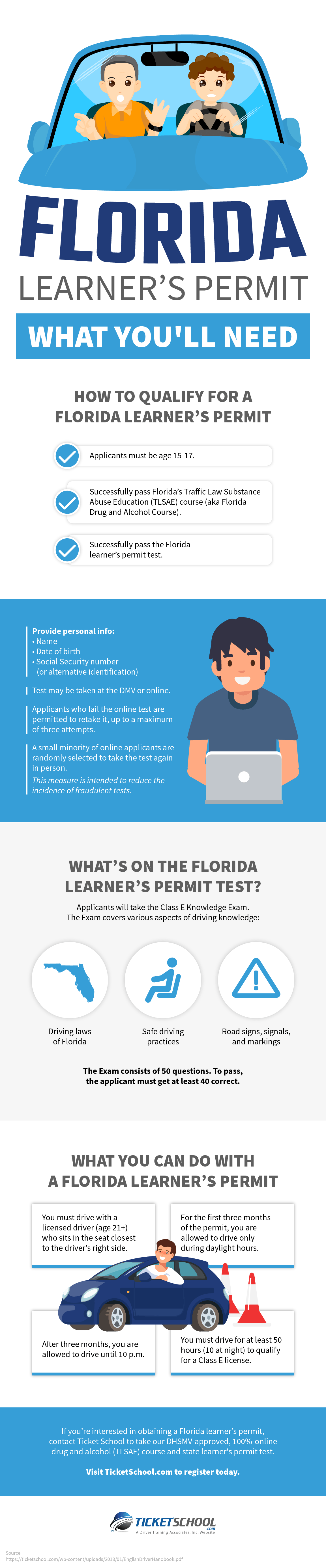
Obtaining a Learner’s Permit in Florida is your initial step towards full driving privileges. It’s designed to allow individuals to learn how to drive under supervision, preparing them for the challenges of the road and ultimately, for a full driver’s license. The process, while seemingly straightforward, involves specific documentation and a clear understanding of the rules. For anyone aspiring to cruise Florida’s picturesque highways, whether for daily commutes or leisurely exploration, grasping these foundational requirements is paramount. This section will break down the essential documents, address the central question of the SSN, and explore alternatives for those without one, ensuring every aspiring driver can confidently approach the FLHSMV.
The Essential Documents: What You’ll Definitely Need
Regardless of your SSN status, certain documents are universally required for anyone applying for a Florida Learner’s Permit. These are primarily for proving your identity, your legal presence in the United States, and your residency in Florida. Gathering these items beforehand will significantly streamline your visit to the FLHSMV office and prevent any unnecessary delays in getting behind the wheel.
- Proof of Identity: This is perhaps the most critical component. Acceptable documents typically include an original or certified birth certificate (from the United States or a U.S. territory), a valid United States passport or passport card, a certificate of naturalization, or a valid alien registration card (Green Card). For non-citizens, various immigration documents like employment authorization cards or unexpired foreign passports with a valid visa and I-94 form can also serve as proof of identity and legal presence. The key is that the document must be original and unexpired.
- Proof of Social Security Number (if applicable): While this is the core of our discussion, if you do have an SSN, you’ll need to provide your physical Social Security card or a document on which your SSN is printed, such as a W-2 form or a pay stub. It’s important to note that merely knowing your number isn’t enough; physical proof is often required.
- Proof of Residential Address: To prove you reside in Florida, you’ll need two different documents showing your current residential address. These can include a utility bill, a rental agreement, a mortgage statement, a bank statement, or even a piece of mail from a government agency. For younger applicants living with parents, a parent’s sworn statement of residency, along with their proof of address, is usually accepted.
- Completion of Traffic Law and Substance Abuse Education (TLSAE) Course: All first-time drivers in Florida must complete this 4-hour course. It covers the dangers of drug and alcohol abuse while driving, as well as traffic laws. Many providers offer this course online, making it convenient to complete before your FLHSMV visit.
- Vision and Hearing Tests: These basic tests are administered at the FLHSMV office. If you wear glasses or contact lenses, be sure to bring them.
- Parental Consent Form: If the applicant is under 18 years old, a parental consent form (Form HSMV 71142) must be signed by a parent or legal guardian in the presence of an FLHSMV examiner or a notary public.
The SSN Dilemma: When It’s Required and When It’s Not
This brings us to the central question. The short answer is: yes, an SSN is typically required for most Florida Learner’s Permit applicants. However, there are crucial exceptions, especially for non-citizens who may not be eligible for an SSN. Understanding these nuances is key for anyone navigating the permit application process.
- For U.S. Citizens and Permanent Residents: If you are a United States citizen or a lawful permanent resident (Green Card holder), you will need to provide proof of your SSN. The FLHSMV electronically verifies Social Security numbers with the Social Security Administration. As mentioned, bringing your physical Social Security card or an official document displaying your SSN is necessary. This requirement is part of the identity verification process and helps maintain accurate records within the state and federal systems.
- For Non-Citizens Without an SSN: This is where the exceptions come into play. Florida recognizes that many non-citizens legally residing in the United States (such as those on certain visas, students, or visitors) may not be eligible to receive an SSN. In such cases, the FLHSMV offers a pathway to obtain a Learner’s Permit without one. You will typically be asked to swear an affidavit (Form HSMV 71190) stating that you have never been issued an SSN and are not eligible to obtain one. Alongside this, you must provide comprehensive proof of your legal presence in the United States, which generally includes your foreign passport, visa, and an I-94 arrival/departure record. The specific type of visa or immigration status can influence eligibility, so it’s always wise to consult the FLHSMV website or call them directly for the most current information regarding your specific situation. This flexibility acknowledges the diverse population of Florida, including its significant international student and seasonal worker communities, ensuring that even those without an SSN can pursue the independence of driving.
Alternatives for Non-SSN Holders: Foreign Nationals and International Visitors
For foreign nationals and international visitors hoping to drive in Florida, the requirements, particularly concerning the SSN, are tailored to accommodate their unique circumstances. Florida’s vibrant tourism industry means many individuals from countries like Canada, Mexico, Germany, or the United Kingdom may desire driving privileges during extended stays.
If you are not eligible for an SSN, you must provide documentation that establishes your legal presence in the United States and confirms your ineligibility for an SSN. Key documents include:
- Valid Foreign Passport: This is your primary form of identification.
- Visa: A valid, unexpired visa (e.g., B-1/B-2 for visitors, F-1 for students, J-1 for exchange visitors, H-1B for temporary workers) that permits your stay in the United States.
- I-94 Arrival/Departure Record: This electronic record confirms your legal entry into the United States and the duration of your authorized stay. You can usually print this from the U.S. Customs and Border Protection website.
- Proof of Florida Residency: Even if you’re a temporary visitor, if you’re applying for a Florida permit, you’ll need to demonstrate residency. This could be a utility bill under your name for a rented apartment, a hotel receipt for an extended stay (though this is less common for permit applications), or an official letter from a school or employer.
- The SSN Ineligibility Affidavit (HSMV 71190): This form explicitly states that you have not been issued an SSN and are not eligible to obtain one. You will typically sign this at the FLHSMV office.
It’s vital to remember that the validity of your Learner’s Permit (and subsequently, your full license) will often be tied to the expiration date of your legal presence documents (e.g., your visa or I-94). This ensures that your driving privileges align with your authorized stay in the country. By understanding these specific requirements, foreign nationals can confidently pursue their goal of driving in Florida, opening up a world of travel possibilities from the moment they land.
Beyond the Paperwork: The Freedom of Florida’s Roads
Once you’ve navigated the administrative hurdles and secured your Florida Learner’s Permit, a new realm of independence opens up. This permit is more than just a piece of plastic; it’s a symbolic key to unlocking the vast and varied landscapes of the Sunshine State. For residents, it signifies progress towards daily convenience and community engagement. For visitors and new arrivals, it transforms the travel experience, allowing for personalized itineraries and deeper immersion into Florida’s vibrant tourism scene. The ability to drive yourself, even under supervision, means you can start envisioning road trips, exploring hidden gems, and truly living out the “life out of the box” philosophy.
Your Gateway to Florida’s Iconic Destinations
Driving in Florida is not just about getting from point A to point B; it’s an integral part of the travel and lifestyle experience. With your Learner’s Permit, you can begin to explore, always with a licensed driver over 21 by your side. This supervised freedom allows you to learn the roads while simultaneously discovering the state’s wonders.
Imagine driving along the scenic routes of the Florida Keys, crossing turquoise waters and pulling over at quaint roadside eateries. From the vibrant Art Deco district of Miami Beach to the historic cobblestone streets of St. Augustine, each mile offers a new discovery. The central location of Orlando makes it a perfect hub for accessing world-famous attractions like the magical Walt Disney World Resort and the thrilling Universal Orlando Resort. With a permit, you can practice driving on the less congested roads surrounding these areas before venturing into the bustling city traffic, all while absorbing the excitement of the destination.
Beyond the theme parks, Florida boasts incredible natural landmarks. Your permit opens the door to planning visits to the awe-inspiring Everglades National Park, where you can witness diverse wildlife in their natural habitats. The beaches of the Gulf Coast like Clearwater Beach and Siesta Key Beach offer powdery white sands and stunning sunsets, while the Atlantic Coast draws visitors to destinations like Daytona Beach for its racing heritage and the Kennedy Space Center Visitor Complex for an out-of-this-world experience. Even cities like Tampa offer cultural districts and attractions like Busch Gardens Tampa Bay, all reachable by car. The ability to drive allows for a more flexible and personal exploration of these incredible sites, moving beyond rigid tour schedules and embracing spontaneity.
Planning Your Florida Driving Adventure: Tips for New Permitees
Embarking on your driving journey in Florida with a Learner’s Permit is an exciting prospect, but it also comes with responsibilities and specific guidelines. To make the most of this transitional period and ensure safe, enjoyable experiences, here are some essential tips for new permitees:
- Understand the Restrictions: The most important rule for a Learner’s Permit holder in Florida is that you must always be accompanied by a licensed driver who is at least 21 years old and occupies the front passenger seat. This supervisor must hold a valid driver’s license. Additionally, Learner’s Permit holders may only drive during daylight hours for the first three months after issuance, and until 10 PM thereafter. Always ensure you are aware of and adhere to these limitations.
- Practice, Practice, Practice: Florida’s diverse road conditions, from bustling city streets to quiet suburban roads and multi-lane highways, require varied practice. Seek opportunities to drive in different environments and weather conditions (always safely, with supervision) to build confidence and hone your skills.
- Map Out Your Routes: Before heading out to explore Orlando’s theme parks or the beaches of Sarasota, plan your route. Familiarity with your destination and the roads leading to it will reduce stress and allow you to focus more on driving technique. Utilize GPS, but also learn to read road signs.
- Consider Driving Lessons: While not mandatory, professional driving lessons can significantly enhance your skills and confidence, especially for navigating specific Florida driving scenarios like managing multi-lane turnpikes or complex intersections in Miami or Tampa. Instructors can provide valuable insights that supervised family members might overlook.
- Stay Informed About Road Rules: Traffic laws vary, and staying updated on Florida’s specific regulations is crucial. Familiarize yourself with pedestrian laws, hurricane evacuation routes, and unique Florida driving conditions (e.g., heavy rain, sun glare, wildlife crossings).
- Embrace the Journey: The process of learning to drive and exploring Florida is an adventure in itself. Take time to appreciate the changing scenery, from the cypress swamps to the urban skylines. Your Learner’s Permit is the first step towards a lifetime of independent travel and discovery in the Sunshine State.
Making Florida Your Home (or Temporary Home): Lifestyle and Accommodation Considerations
The decision to obtain a Florida Learner’s Permit often intertwines deeply with broader lifestyle and accommodation choices. For some, it marks the beginning of a new chapter as a permanent resident, eager to integrate into the local culture and community. For others, particularly international visitors or snowbirds, it’s about enhancing a temporary stay, unlocking maximum convenience and immersive tourism experiences. Regardless of your length of stay, driving proficiency is an undeniable asset in Florida, a state designed around car travel. Understanding how your driving aspirations fit into your living situation, whether long-term or short-term, is crucial for planning and maximizing your time in this diverse and dynamic state.
Relocating to Florida: Driving as Part of Your New Lifestyle
For individuals and families relocating to Florida, obtaining a driver’s license, starting with a Learner’s Permit, is often one of the first and most critical steps in establishing a new lifestyle. The state’s sprawling nature means that public transportation, while available in major cities like Miami and Orlando, often isn’t comprehensive enough for daily needs, particularly in suburban and rural areas.
- Integration into Community Life: From grocery shopping and commuting to work in Tampa or Jacksonville, to taking children to school or sports activities, personal transportation is almost a necessity. A Learner’s Permit signifies your commitment to gaining this independence, allowing you to gradually become self-sufficient in your new environment. It means you can start exploring local parks, community centers, and amenities without relying on others or ride-sharing services, fostering a true sense of belonging.
- Accessibility to Employment and Education: Many jobs in Florida require a valid driver’s license. Pursuing your permit demonstrates your initiative and opens up a wider range of employment opportunities. Similarly, for students attending Florida’s universities or colleges, having a permit means greater flexibility for campus life, internships, and exploring the surrounding regions.
- Long-Term Accommodation Planning: When choosing where to live, especially for long-term accommodation in cities like Naples or Palm Beach, access to transportation is a major factor. While you may initially rely on your licensed supervisor, knowing that you are working towards full driving privileges influences decisions about proximity to work, schools, and essential services. This early step with the Learner’s Permit contributes to a more independent and convenient future in your new Florida home.
Short-Term Stays and Tourism: Driving for the Ultimate Florida Experience
For those on short-term visits or extended vacations, securing a Florida Learner’s Permit might seem unconventional, but it can profoundly enhance the tourism and travel experience. This is especially true for young adults or foreign visitors who plan to spend several months in the state and want to truly immerse themselves in all that Florida has to offer.
- Enhanced Travel Flexibility: While international driver’s permits (IDP) are often sufficient for short-term tourists (generally less than 6 months), if you’re planning a longer stay or are an international student, a Florida Learner’s Permit (and eventually a full license) provides greater acceptance and eliminates potential confusion with local authorities or rental car agencies. It allows for a more flexible travel itinerary, enabling spontaneous road trips to places like the Panhandle’s emerald coast or the Space Coast without being tied to public transport schedules or expensive private tours.
- Exploring Beyond Tourist Traps: With the ability to drive, visitors can venture off the beaten path, discovering charming small towns, pristine natural springs, and local eateries that might be inaccessible otherwise. This depth of exploration transforms a typical vacation into an authentic Florida adventure, aligning perfectly with a “life out of the box” philosophy. You can visit quieter beaches, explore lesser-known state parks, or simply enjoy a scenic drive through Florida’s diverse ecosystems.
- Accommodation Choices and Convenience: The independence of driving can also influence your hotel and accommodation choices. You might opt for a charming boutique hotel slightly outside a bustling city center, an apartment rental in a quieter neighborhood, or a resort that offers more space and privacy, knowing that you have the means to reach attractions and dining options. This flexibility allows for a wider range of accommodation experiences, from luxury resorts to budget-friendly apartments, all tailored to your personal preferences and itinerary. For extended stays, choosing an apartment or villa often necessitates driving for groceries and amenities, making the permit an invaluable tool.
In conclusion, while the initial question about needing an SSN for a Florida Learner’s Permit might seem like a mere bureaucratic detail, its implications extend far beyond the administrative process. Understanding these requirements, particularly for non-SSN holders, is the first step towards unlocking unparalleled freedom. This permit is not just a regulatory document; it’s your ticket to fully experiencing the adventure, lifestyle, and diverse tourism opportunities that define the vibrant state of Florida. Whether you’re making Florida your permanent home or embarking on an extended exploration, the ability to drive transforms your journey from a simple visit into a truly immersive “life out of the box” experience. So, gather your documents, understand the rules, and prepare to discover the Sunshine State from behind the wheel.
LifeOutOfTheBox is a participant in the Amazon Services LLC Associates Program, an affiliate advertising program designed to provide a means for sites to earn advertising fees by advertising and linking to Amazon.com. Amazon, the Amazon logo, AmazonSupply, and the AmazonSupply logo are trademarks of Amazon.com, Inc. or its affiliates. As an Amazon Associate we earn affiliate commissions from qualifying purchases.