
Florida, often affectionately known as the Sunshine State, is a premier global destination, drawing millions with its pristine beaches, world-class attractions, vibrant cities, and unique natural landscapes. From the magical theme parks of Orlando to the tranquil beauty of the Florida Keys, and the cultural richness of Miami, there’s an experience for every traveler. However, like any diverse region, Florida is occasionally subject to natural events or public health concerns that necessitate the declaration of a state of emergency. Understanding what these declarations entail, which counties might be affected, and how they impact travel and tourism is crucial for both residents and visitors planning their next adventure.
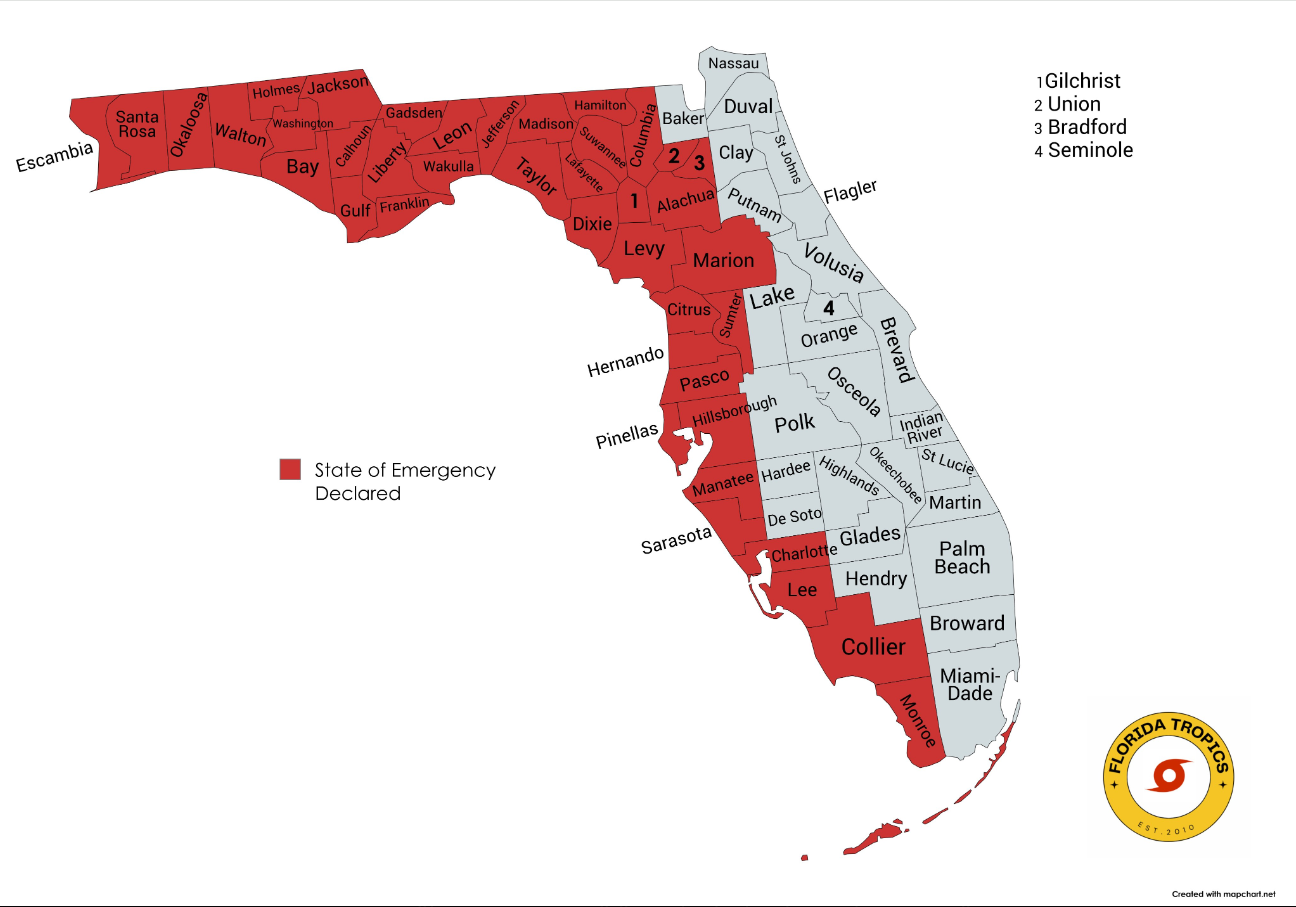
This comprehensive guide delves into the specifics of state of emergency declarations in Florida, providing insights into their implications for travel, accommodation, and overall visitor experience. It aims to equip you with the knowledge needed to make informed decisions, ensure your safety, and maintain a seamless travel itinerary, even when unforeseen circumstances arise.
What a State of Emergency Means for Florida and Its Visitors
A state of emergency declaration is a formal governmental decree designed to mobilize resources and expedite responses to serious threats or events. In Florida, this typically comes from the Governor’s office, granting enhanced powers to state and local agencies to protect lives and property. For travelers, understanding the nuances of such declarations is paramount to responsible and safe tourism.
Defining a State of Emergency in the Sunshine State
When the Governor of Florida declares a state of emergency, it’s not merely a cautionary statement; it activates specific protocols and resources across the state. This can include:
- Mobilization of National Guard and other state resources: These personnel can assist with evacuations, search and rescue, law enforcement, and distribution of supplies.
- Waiver of certain regulations: This might involve easing restrictions on commercial vehicle weights to speed up supply delivery or allowing out-of-state utility crews to operate more freely.
- Price gouging prevention: To protect consumers from exploitation during an emergency, laws against excessive price increases on essential goods and services (like water, ice, fuel, and hotel rooms) are often enforced.
- Evacuation orders: In severe situations, mandatory or voluntary evacuation orders may be issued for specific areas, compelling or advising residents and visitors to leave.
- Emergency funding: State funds can be released to support response and recovery efforts.
For visitors, a state of emergency means that their travel plans could be significantly altered. This could range from minor inconveniences, such as certain attractions being closed or transportation routes rerouted, to major disruptions like mandatory evacuations or widespread power outages. Being aware of the declaration’s implications allows travelers to adjust expectations and plans accordingly.
Common Triggers for Emergency Declarations
Florida’s geographical location makes it susceptible to several types of natural phenomena. While the state is known for its beautiful weather, it’s also on the front lines of hurricane season and other severe weather events. Common triggers for a state of emergency include:
- Hurricanes and Tropical Storms: These are perhaps the most frequent and impactful reasons for emergency declarations in Florida. The state lies in a highly active hurricane basin, and even distant storms can bring significant rainfall, strong winds, and storm surge. Preparations often begin days in advance of a potential landfall.
- Severe Weather Outbreaks: Beyond tropical systems, strong thunderstorms, tornadoes, and widespread flooding can also warrant localized states of emergency, especially if they cause extensive damage or pose a direct threat to public safety.
- Public Health Crises: While less common than weather-related events, public health emergencies (such as disease outbreaks or epidemics) can also trigger declarations, as seen with global pandemics. These declarations often involve measures like travel restrictions, enhanced health screenings, or social distancing protocols.
- Major Accidents or Environmental Disasters: Large-scale incidents like significant oil spills, hazardous material releases, or widespread infrastructure failures can also prompt emergency declarations to coordinate response and recovery efforts.
Understanding these triggers helps travelers anticipate potential disruptions and provides context for the severity and scope of any declared emergency.
Identifying Potentially Affected Regions: A Look at Florida’s Vulnerable Counties
While a statewide declaration can sometimes occur, states of emergency are often tailored to specific counties or regions most at risk. Florida’s diverse geography means different areas face different primary threats.
Coastal Counties and Hurricane Preparedness
The vast majority of emergency declarations related to tropical weather systems often target Florida’s extensive coastal counties. These areas are directly exposed to the immediate dangers of hurricanes and tropical storms, including high winds, heavy rainfall, and, most critically, storm surge. Some of the counties most frequently included in hurricane-related declarations due to their exposed coastal locations and population density include:
- Miami-Dade County (home to Miami and surrounding areas)
- Broward County (including Fort Lauderdale)
- Palm Beach County
- Monroe County (encompassing the entire Florida Keys, including Key West)
- Southwest Florida counties such as Lee County (Fort Myers), Collier County (Naples), Sarasota County (Sarasota), and Manatee County (Bradenton).
- Central Gulf Coast counties like Pinellas County (St. Petersburg, St. Pete Beach, Clearwater Beach) and Hillsborough County (Tampa).
- Atlantic Coast counties extending northward to Jacksonville.
- Florida Panhandle counties like Escambia County (Pensacola) and Bay County (Panama City Beach).
These areas often have extensive tourism infrastructure, including numerous resorts, hotels, and vacation rentals. When an emergency is declared, travel to and from these regions can be severely restricted, and mandatory evacuations are not uncommon. Visitors with planned stays in these counties during hurricane season (June 1st to November 30th) should always monitor weather forecasts and official advisories.
Inland Areas and Broader Emergency Scenarios
While coastal counties bear the brunt of hurricane impacts, inland areas are not immune. Counties further inland, such as those surrounding Orlando (like Orange County and Osceola County) or the capital city of Tallahassee (Leon County), can also be included in emergency declarations. The reasons are varied:
- Heavy Rainfall and Flooding: Even a hurricane that makes landfall elsewhere can track across the state, bringing torrential rains and widespread flooding to inland communities. This can overwhelm drainage systems and cause rivers to overflow.
- Tornadoes and Strong Winds: Tropical systems often spawn tornadoes, and strong winds can extend hundreds of miles inland, causing power outages and property damage far from the coast.
- Logistical Support and Evacuation Routes: Inland counties are often crucial for housing evacuees from coastal areas, serving as shelters or temporary accommodation. Maintaining clear evacuation routes and ensuring resource availability in these areas is vital.
- Public Health Concerns: For non-weather related emergencies, declarations can be broader, encompassing entire regions or the whole state to coordinate public health responses effectively.
Even if your destination, such as Walt Disney World Resort or Universal Orlando Resort in Orlando, is inland, it’s essential to stay informed about any statewide or regional emergency declarations that could affect travel into or out of the area, or impact operations of major attractions.
Dynamic Nature of Emergency Declarations
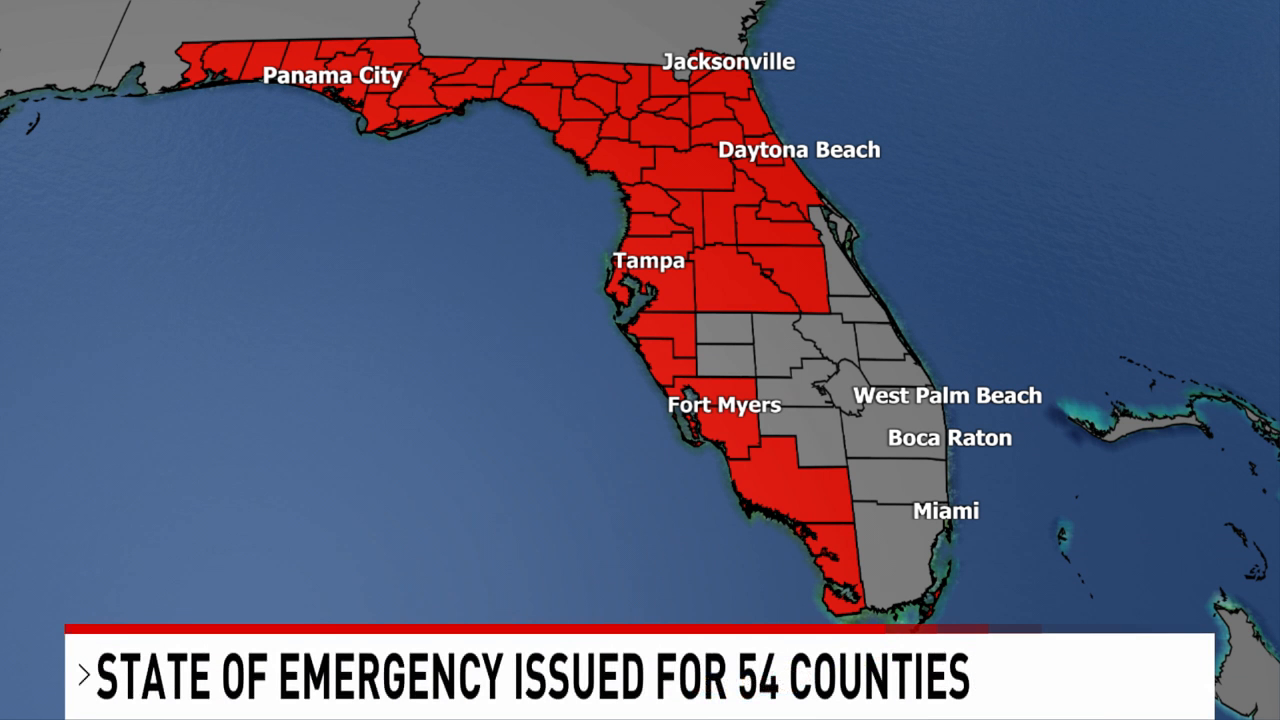
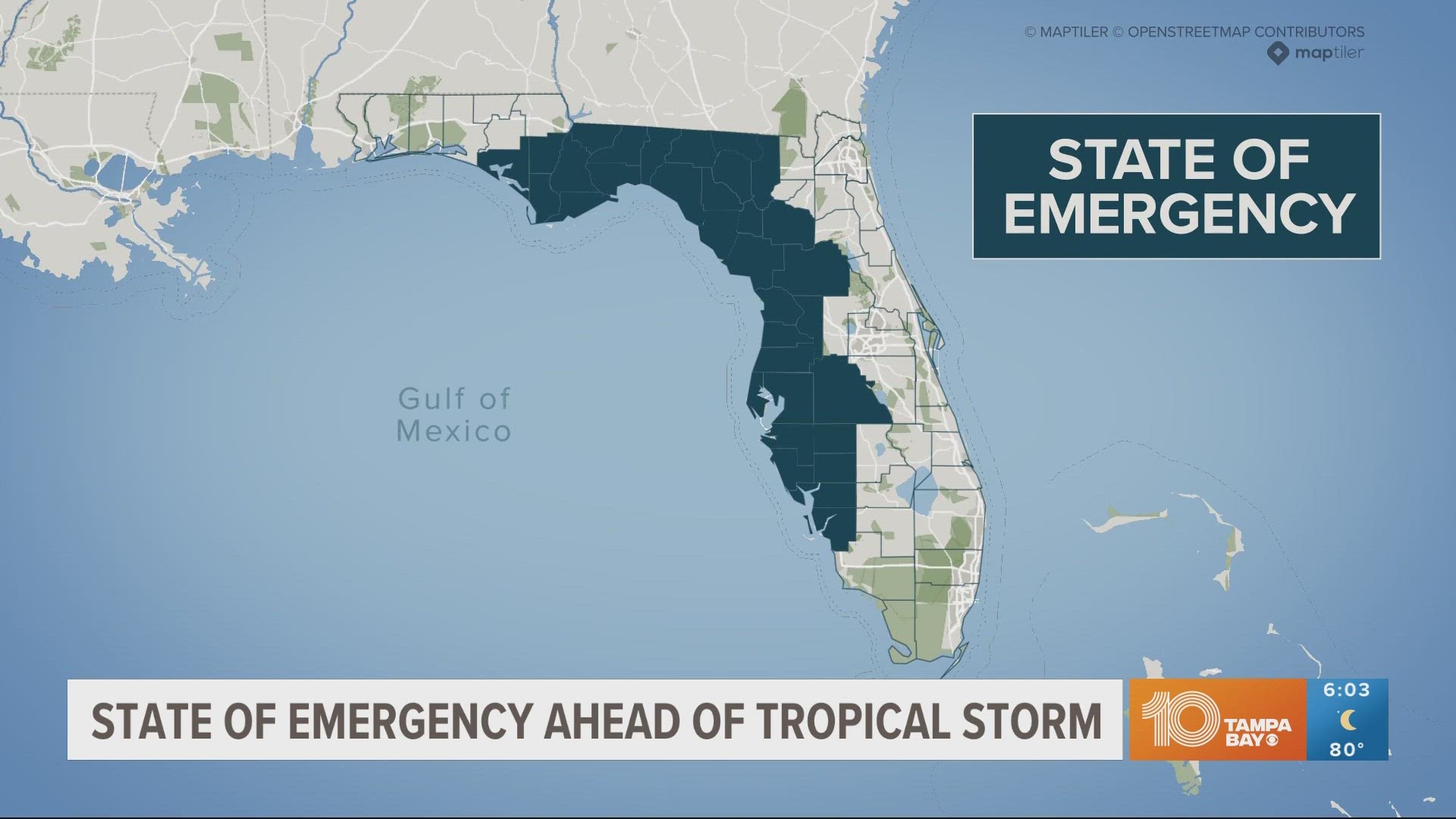
It’s critical to understand that the list of counties under a state of emergency is dynamic. It can expand or contract based on the trajectory and intensity of a storm, the evolving nature of a public health crisis, or the severity of any other incident. Initial declarations might cover a broad swath of the state as a precautionary measure, then be refined as the situation becomes clearer. Therefore, relying on real-time, official sources for information is always the best approach.
Impact on Travel, Tourism, and Accommodation in Emergency Zones
For travelers, an emergency declaration can significantly impact every aspect of a trip, from the initial planning stages to the actual experience on the ground. Understanding these impacts can help in making informed decisions and mitigating potential disruptions.
Before You Go: Pre-Travel Considerations and Planning
The first line of defense against emergency-related travel disruptions is proactive planning and continuous monitoring.
- Monitor Official Advisories: Before and during your planned travel dates, regularly check the official websites of the Florida Department of Emergency Management (FDEM)), the National Hurricane Center (NHC)), and local county emergency management offices. These are the most reliable sources for up-to-date information on declared emergencies, affected areas, and potential evacuation orders.
- Review Travel Insurance: If you have travel insurance, understand its coverage for emergency declarations, cancellations due to severe weather, or mandatory evacuations. Some policies offer “cancel for any reason” options, while others have specific triggers for coverage. Purchase travel insurance well in advance, as it typically won’t cover events that are already known or declared when you buy the policy.
- Contact Your Accommodation and Transportation Providers: If an emergency is declared or anticipated in your destination, contact your airline, rental car company, resort, hotel, or vacation rental agency directly. Inquire about their specific policies regarding cancellations, rebooking, or refunds during an emergency. Many airlines and hotels offer waivers during declared emergencies, allowing penalty-free changes.
- Have a Flexible Plan B: Consider alternative destinations within Florida or even neighboring states like Georgia or Alabama if your primary destination becomes unfeasible. For example, if the Atlantic Coast is affected, the Gulf Coast might be clear, or vice-versa. Or look to other popular travel regions like the Caribbean or Mexico if your heart is set on a beach escape.
- Pack an Emergency Kit: If you decide to proceed with travel, especially during hurricane season, consider packing a basic emergency kit that includes essential medications, a first-aid kit, a portable charger for your phone, important documents, and enough cash for a few days, as credit card systems might be down during power outages.
During Your Stay: Safety, Evacuation, and Local Directives
If you are already in Florida when an emergency is declared, your immediate priority should be personal safety and adherence to local instructions.
- Stay Informed Locally: Tune into local news, radio, and weather alerts. Follow the guidance of local emergency officials, law enforcement (Florida Highway Patrol (FHP))), and your accommodation providers.
- Heed Evacuation Orders: If a mandatory evacuation order is issued for your area, leave immediately and follow designated evacuation routes. Do not wait. Resources can become scarce, and roads can become gridlocked.
- Shelter in Place: If evacuation is not ordered, or if you are in a safe, designated shelter, follow guidelines for sheltering in place. This usually involves staying indoors, away from windows, and having necessary supplies on hand.
- Communicate with Loved Ones: Keep family and friends informed of your status. Understand that cell service and internet connectivity might be disrupted.
- Be Patient and Respectful: Emergency situations can be stressful for everyone. Resources may be stretched, and services might be limited. Maintain patience and cooperate with authorities.
Accommodation Adjustments and Traveler Rights
Hotels, resorts, and other accommodation providers often have specific plans and policies in place for emergency situations.
- Cancellation and Refund Policies: During a declared state of emergency, many reputable accommodation providers, especially large hotel chains and resorts, will offer full refunds or allow rebooking without penalty. It’s crucial to check their specific emergency policies, often found on their websites or by contacting them directly. Smaller, independent operators or vacation rentals might have different terms.
- Safety Protocols: Properties in vulnerable areas often have robust hurricane preparedness plans, including designated safe areas, emergency power generators, and staff training for guest safety. They will typically communicate these plans to guests.
- Emergency Amenities: During power outages, some hotels may provide limited services, such as emergency lighting, bottled water, and basic meals. Guests should be prepared for potential disruptions to amenities like pools, fitness centers, and full-service restaurants.
- Long-term Stays: For those on longer stays, disruptions can be even more significant. If forced to evacuate, guests might need to secure alternative accommodation for an extended period. Staying connected with property management is essential.
The Florida Tourism Industry Association and local tourism boards often publish advisories for travelers during emergencies, providing aggregated information and resources.
Staying Informed and Prepared: Essential Resources for Travelers
Knowledge is power, especially when navigating uncertain travel conditions. Knowing where to find reliable, up-to-the-minute information can make all the difference.
Official Channels for Real-Time Updates
- Florida Division of Emergency Management (FDEM): This is the primary state agency responsible for coordinating emergency responses. Their website provides comprehensive information, including current declarations, county-specific alerts, and preparedness guides.
- National Weather Service (NWS) & National Hurricane Center (NHC)): For weather-related emergencies, these federal agencies provide detailed forecasts, watches, warnings, and advisories. Their information is crucial for understanding the trajectory and potential impact of storms.
- Local County Emergency Management Offices: Each county in Florida has its own emergency management office. Their websites and social media channels offer highly localized information, including specific evacuation zones, shelter locations, and local directives.
- Florida Highway Patrol (FHP)): For road conditions, closures, and evacuation route information, the FHP website and traffic apps are invaluable resources.
- Visit Florida: The state’s official tourism marketing corporation often provides travel advisories and updates during emergencies, focusing on the impact on visitors and tourism infrastructure.
- Centers for Disease Control and Prevention (CDC)) / World Health Organization (WHO)) / Federal Emergency Management Agency (FEMA)): For broader public health concerns or large-scale disasters, these national and international bodies provide overarching guidance and resources for the U.S. and global community.
Travel Insurance and Flexibility
The importance of travel insurance cannot be overstated, especially when traveling to regions prone to specific events, such as hurricanes in Florida. A comprehensive policy should cover:
- Trip Cancellation/Interruption: If an emergency prevents you from starting or continuing your trip.
- Emergency Medical Care: For unexpected illness or injury.
- Evacuation Coverage: For emergency transportation if you need to be moved to a safer location.
- Lost Luggage/Personal Effects: Although not directly related to states of emergency, it’s a valuable addition.
When purchasing, carefully read the policy’s terms and conditions, paying close attention to exclusions related to natural disasters or “acts of God.” Consider reputable providers like AAA or other well-known travel insurance companies. Moreover, maintaining flexibility in your travel plans, such as booking refundable rates for hotels and flights, can provide an additional layer of security even without insurance.
Responsible Tourism During Challenging Times
Being a responsible traveler means not only protecting yourself but also being mindful of the local community.
- Conserve Resources: During emergencies, resources like water, fuel, and electricity can be limited. Be mindful of your consumption.
- Support Local Businesses (When Safe): Once an emergency has passed and it’s safe to do so, supporting local businesses helps in the recovery process. However, prioritize safety and avoid areas that are still actively recovering or deemed unsafe.
- Volunteer (If Qualified): For those with relevant skills and sufficient time, organizations like the American Red Cross often welcome trained volunteers after disasters, but unsolicited volunteers can sometimes hinder professional relief efforts. Follow official guidance if you wish to assist.
- Be Prepared to Adapt: Embrace the reality that travel plans may need to change. The ability to adapt to unforeseen circumstances is a hallmark of an experienced and responsible traveler.
Florida remains an incredible destination, offering unparalleled experiences year-round. While states of emergency are an infrequent but important reality, being informed and prepared ensures that your travel adventures can continue safely and smoothly, allowing you to fully enjoy the magic and beauty of the Sunshine State. By leveraging official resources, understanding the impacts on counties and travel services, and adopting a flexible mindset, visitors can navigate potential challenges with confidence and continue to create unforgettable memories in Florida.
LifeOutOfTheBox is a participant in the Amazon Services LLC Associates Program, an affiliate advertising program designed to provide a means for sites to earn advertising fees by advertising and linking to Amazon.com. Amazon, the Amazon logo, AmazonSupply, and the AmazonSupply logo are trademarks of Amazon.com, Inc. or its affiliates. As an Amazon Associate we earn affiliate commissions from qualifying purchases.