
As the sun-drenched beaches and vibrant cities of Florida continue to beckon millions of travelers each year, understanding the economic landscape that underpins this thriving tourism hub becomes increasingly vital. For both visitors planning their dream getaways and the dedicated workforce making these experiences possible, the minimum wage is a fundamental economic indicator. In 2025, Florida will see a significant shift in its minimum wage, a change that will ripple through the state’s colossal hospitality and travel sectors, influencing everything from the cost of your vacation to the daily lives of the employees who serve you.
This article delves into the specifics of Florida’s minimum wage in 2025, exploring its origins, its projected impact on the state’s dynamic tourism industry, and what it means for budgeting your next adventure or understanding the lifestyle of those living and working in the Sunshine State. From luxury resorts in Palm Beach to family-friendly attractions in Orlando, the minimum wage is an unseen force shaping the economic currents of this premier destination.
Understanding Florida’s Minimum Wage Landscape
The trajectory of Florida’s minimum wage is not arbitrary; it’s the result of a constitutional amendment reflecting a statewide commitment to enhancing worker compensation. This phased increase is designed to gradually elevate the living standards of many Floridians, particularly those in entry-level positions within the service and hospitality industries.
Historical Context and Future Projections
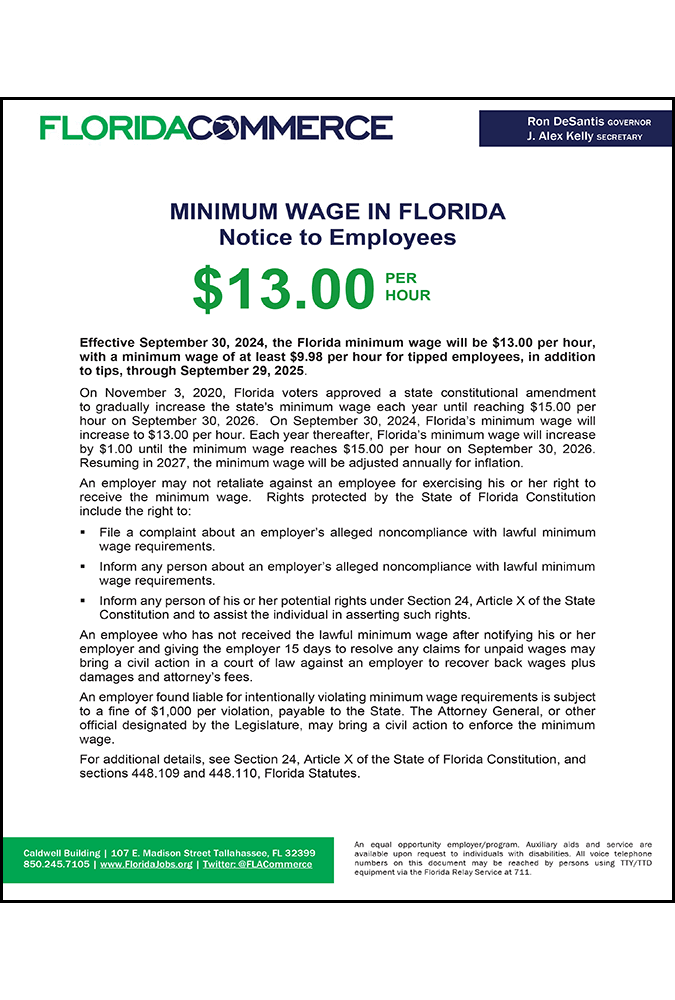
In November 2020, Florida voters approved Amendment 2, which mandated a series of annual increases to the state’s minimum wage. The amendment stipulated that the minimum wage would rise to $10.00 per hour on September 30, 2021, and then increase by $1.00 each year until it reaches $15.00 per hour in 2026. After 2026, future increases will be adjusted annually for inflation.
Following this schedule:
- In September 2023, the minimum wage increased to $12.00 per hour.
- In September 2024, it is set to rise to $13.00 per hour.
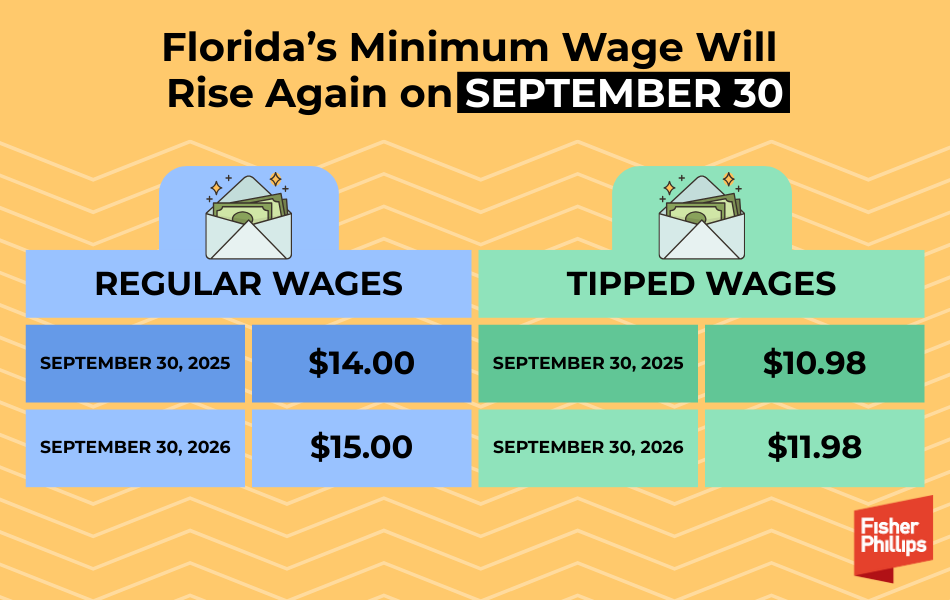
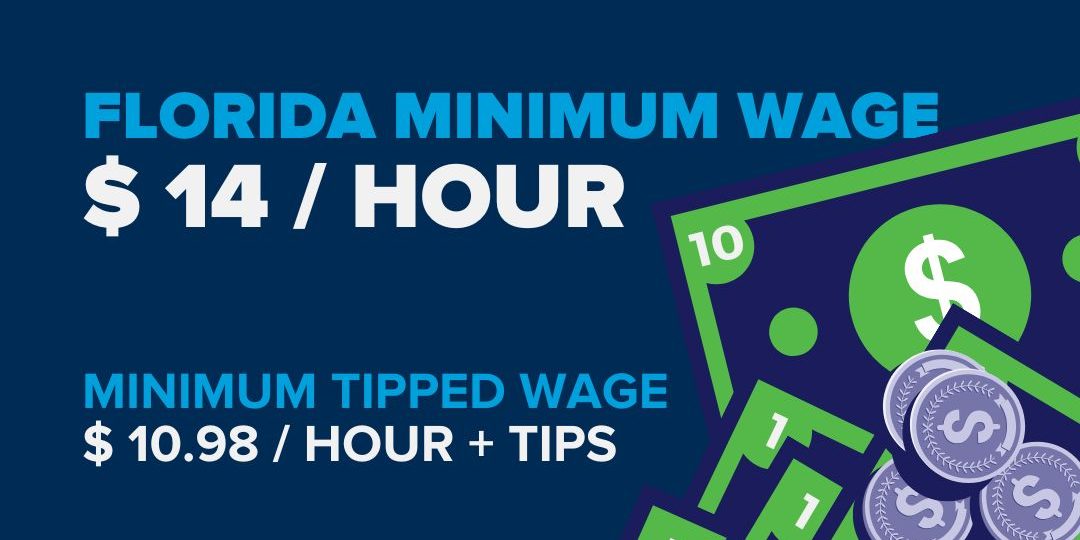
- Crucially, for 2025, the minimum wage in Florida is slated to increase to $14.00 per hour on September 30, 2025.
This steady progression aims to provide a more livable wage for many workers, particularly those in the sectors that form the backbone of Florida’s economy. While the exact figure for federal minimum wage remains stagnant at $7.25 per hour, Florida’s independent path demonstrates a clear divergence and a localized effort to address economic realities. This is particularly relevant in a state where tourism often drives demand for labor in positions that traditionally pay minimum wage.
Key Details for Employers and Employees
The minimum wage requirements apply to all employees in Florida who are covered by the federal Fair Labor Standards Act (FLSA), with some specific considerations:
- Tipped Employees: For employees who receive tips, the employer is allowed to take a tip credit. In 2025, the minimum cash wage for tipped employees will be $10.98 per hour, assuming a maximum tip credit of $3.02 per hour (which is the difference between the standard minimum wage and the tipped minimum wage). This means that with tips, these employees must still earn at least the standard minimum wage of $14.00 per hour. This structure is critical for workers in restaurants, bars, and hotel services, where tips often constitute a significant portion of their income.
- Exemptions: Certain types of workers, such as bona fide executive, administrative, or professional employees who meet specific salary and duty tests, may be exempt from minimum wage requirements. Additionally, some specific roles, like certain full-time students or workers with disabilities, may be paid less than the minimum wage under special certificates.
- Enforcement: The Florida Department of Economic Opportunity (soon to be known as FloridaCommerce) is responsible for enforcing the state’s minimum wage laws. Employers are required to post a minimum wage notice in a conspicuous place where employees can easily see it.
For anyone working in or considering employment within Florida’s vast service industry, understanding these nuances is essential for ensuring fair compensation and navigating the employment landscape.
The Ripple Effect on Florida’s Tourism and Hospitality Sector
Florida’s identity is inextricably linked to its tourism and hospitality industry. From the theme park empires of Orlando to the vibrant nightlife of Miami Beach, millions flock here annually, fueling a colossal demand for lodging, dining, entertainment, and transportation. The minimum wage increase in 2025 will have a profound and multifaceted impact on this vital sector.
Impact on Labor Costs and Business Operations
For businesses, especially small and medium-sized enterprises (SMEs) in hospitality, increased labor costs are a direct consequence of a higher minimum wage. Hotels, restaurants, tour operators, and attraction venues will see their payroll expenses rise. This can lead to several operational adjustments:
- Price Adjustments: Many businesses may need to adjust their pricing for services, accommodations, and menu items to offset increased labor costs. This could mean slightly higher room rates at a boutique hotel in St. Augustine, higher prices for a meal in South Beach, or more expensive tickets to a major theme park like Universal Studios Florida.
- Operational Efficiencies: Businesses might explore ways to enhance efficiency, such as investing in automation for certain tasks, optimizing staff scheduling, or streamlining operations to reduce overheads. For instance, some quick-service restaurants might expand self-ordering kiosks.
- Hiring Strategies: Employers may become more selective in their hiring processes, focusing on experienced staff to maximize productivity per employee. This could potentially affect entry-level job seekers, although improved retention (discussed next) might balance this out.
- Innovation: Some businesses might innovate their offerings or business models to maintain profitability while absorbing higher costs, perhaps by creating unique bundled experiences or leveraging technology to enhance customer service without increasing headcount.
While these adjustments are challenging, many in the industry view them as a necessary evolution towards a more sustainable and equitable business environment.
Enhancing Worker Lifestyles and Service Quality
On the flip side, a higher minimum wage can bring significant benefits, particularly for the workforce that powers Florida’s tourism engine:
- Improved Employee Morale and Retention: Better wages can lead to higher job satisfaction and improved morale among hospitality workers. This can significantly reduce employee turnover, a chronic issue in the industry. When employees feel valued and adequately compensated, they are more likely to stay with their employers, reducing recruitment and training costs for businesses.
- Reduced Employee Turnover: High turnover rates are expensive and disruptive. With a more competitive wage, businesses in Tampa, Jacksonville, and other major cities might experience greater workforce stability. This stability allows for better training and skill development, leading to a more experienced and capable workforce.
- Enhanced Service Quality: Employees who are less stressed about their finances and more satisfied with their jobs are generally more engaged and motivated. This can translate directly into improved customer service, a crucial element for a state so reliant on repeat tourism. Imagine a more attentive concierge at the Hyatt Regency Orlando or a more cheerful server at a Key West restaurant – these small improvements collectively enhance the visitor experience.
- Local Economic Boost: Higher wages mean more disposable income for local workers, who are likely to spend a significant portion of their earnings within their communities. This boost in local consumer spending can support other local businesses, creating a positive feedback loop within Florida’s economy. It enables workers to afford necessities and even enjoy some of the attractions they help to operate, fostering a stronger connection to the local tourism ecosystem.
Ultimately, while the immediate impact on labor costs is tangible, the long-term benefits of a more stable, satisfied, and skilled workforce could outweigh the initial challenges, leading to a more robust and attractive tourism industry in Florida.
Navigating Florida as a Traveler: Budgeting and Lifestyle Considerations
For those planning a trip to Florida in 2025, understanding the impending minimum wage increase is more than just an economic curiosity; it’s a practical consideration for budgeting and enjoying a seamless travel experience. The cost of your vacation, from your hotel stay to your dining choices, might subtly reflect these changes.
Cost of Travel in a Higher Wage Environment
Travelers should anticipate that certain aspects of their Florida trip might experience slight price adjustments as businesses adapt to higher labor costs.
- Accommodation: Hotels, resorts, and even short-term rental properties like those found in Sarasota or Naples may see marginal increases in nightly rates. While not a dramatic surge, it’s prudent to factor this into your accommodation budget. Booking in advance can often secure better rates before widespread adjustments.
- Dining and Food Services: Restaurants, cafes, and food vendors are among the most impacted by minimum wage increases due to their high labor intensity. Expect menu prices to reflect these changes. However, many establishments are also innovating, offering value-driven specials or loyalty programs. Exploring diverse dining options, from gourmet experiences to local hidden gems, can help manage costs.
- Attractions and Activities: While major attractions like Walt Disney World Resort or the Kennedy Space Center Visitor Complex have complex pricing strategies, smaller tours, local excursions, or specific service-based activities (like guided fishing trips or spa treatments) might see minor price increases. Looking for package deals or off-peak visit times can offer savings.
- Transportation: While direct minimum wage impacts on ride-share services or taxis might be less pronounced due to different payment structures (many drivers are independent contractors), general service and maintenance costs for vehicle fleets could indirectly affect prices.
Budgeting Tips for Your 2025 Florida Trip:
- Book Early: Especially for high-demand periods or popular destinations like Miami or Orlando, booking flights and accommodations well in advance can help lock in current prices.
- Consider Off-Peak Travel: Traveling during the shoulder seasons (spring or fall) can often lead to lower prices for flights, hotels, and sometimes even attractions, providing a more budget-friendly experience.
- Explore Beyond Major Hubs: While iconic destinations are a must-see, Florida offers numerous charming smaller towns and natural parks, like Everglades National Park, which can provide unique experiences at a lower cost.
- Leverage Deals and Packages: Many hotels and attractions offer special packages that bundle multiple services, potentially saving you money compared to booking individually. Check reputable travel websites and official destination portals.
- Cook Some Meals: If your accommodation includes kitchen facilities (e.g., villas, apartments), consider preparing some of your own meals to save on dining expenses. Local supermarkets often have fresh, affordable produce.
Supporting Local Economies and Ethical Tourism
Beyond the financial implications, understanding the minimum wage in Florida offers an opportunity for travelers to engage in more mindful and ethical tourism.
- Appreciating Service Workers: Recognizing that the people serving your food, cleaning your hotel room, or guiding your tour are earning a more equitable wage can enhance your appreciation for their hard work. Acknowledging their contributions goes a long way.
- Tipping Practices: While base wages increase, tipping remains a crucial part of income for many service workers, especially those in tipped positions. Continuing to tip generously for excellent service supports these individuals directly.
- Choosing Businesses Responsibly: Travelers might choose to support businesses known for fair labor practices or those that visibly invest in their employees’ well-being. While it’s not always easy to discern, patronizing local, family-owned establishments over large chains might be one way to support the local economy more directly.
- Impact of Spending: Every dollar spent in Florida contributes to the local economy. When workers earn a better wage, they are better able to support their families and spend within their communities, creating a virtuous cycle that ultimately benefits the entire state, including its capacity to maintain world-class tourism infrastructure and services.
By being informed and making conscious choices, travelers can play a positive role in Florida’s evolving economic landscape, ensuring their visit is not only enjoyable but also contributes to the well-being of the communities they explore.
Beyond the Basics: Minimum Wage and the Broader Florida Lifestyle
The conversation around minimum wage in Florida extends beyond the direct transactions of business and tourism. It touches upon the broader lifestyle within the state, influencing everything from housing markets to the overall quality of life for its residents.
Regional Variations and Cost of Living
Florida is a vast and diverse state, and the impact of a $14.00 per hour minimum wage will be felt differently across its various regions.
- High-Cost Tourist Hubs: In major metropolitan and tourist-dense areas like Miami, Orlando, and the coastal communities of Palm Beach or Naples, the cost of living, particularly housing, is significantly higher. While a $14.00 wage is a substantial improvement, it still presents challenges for individuals and families trying to afford rent, groceries, and transportation in these areas. Workers in these regions, who often commute significant distances, face a greater disparity between their earnings and expenses compared to other parts of the state. For instance, a hotel worker near Busch Gardens Tampa Bay might find their wage goes further than one working near South Beach.
- Rural and Less Expensive Areas: In more rural or less tourist-dependent parts of Florida, where the cost of living is generally lower, the $14.00 minimum wage will likely have a more substantial positive impact on purchasing power and overall quality of life for minimum wage earners. This could lead to a greater sense of economic security and improved access to necessities.
- Housing Market Pressure: Increased wages, particularly in high-demand areas, can also contribute to rising housing costs as more people are theoretically able to afford higher rents. This creates a complex dynamic where wage increases are sometimes offset by simultaneous increases in living expenses, a challenge the Florida Legislature continually grapples with.
Understanding these regional disparities is key to fully appreciating the multifaceted impact of the minimum wage increase across the diverse communities of the state.
Future Outlook and Economic Stability
The phased increase to a $15.00 minimum wage by 2026, and subsequent inflation adjustments, signals a long-term commitment in Florida to improving worker compensation. This trajectory is expected to have several long-term implications for Florida’s economic stability and its standing as a premier travel destination.
- Sustainable Growth: A workforce that earns a living wage is more stable, healthier, and generally more productive. This can contribute to more sustainable economic growth for the state, reducing reliance on public assistance programs and fostering a stronger consumer base.
- Competitive Workforce: As other states and even countries grapple with similar economic challenges, Florida’s proactive approach to minimum wage could make it a more attractive place to live and work, drawing skilled labor and talent to its shores. This competitive advantage is crucial for maintaining the high standards of service expected by global travelers.
- Attracting Talent: For the tourism industry, this means potentially attracting and retaining a higher caliber of service professionals, ensuring that visitors continue to experience the world-class hospitality for which Florida is renowned, whether they’re staying at a luxury resort or enjoying the laid-back charm of a beachside bungalow in St. Pete Beach.
- Shaping Florida’s Identity: Ultimately, the minimum wage is not just about numbers on a paycheck; it’s about the values a state upholds for its workers and, by extension, for its visitors. As Florida continues to evolve, its economic policies, including the minimum wage, will play a significant role in shaping its identity as both a vibrant place to live and an unforgettable place to visit within the United States.
In conclusion, the $14.00 minimum wage in Florida for 2025 is more than just a financial figure; it’s a critical element in the state’s economic fabric. It reflects an ongoing commitment to its workforce while simultaneously reshaping the operational landscape for businesses and influencing the travel experiences of millions. Whether you’re a potential employee, a business owner, or a traveler planning your next sun-soaked escape, understanding this pivotal change is essential for navigating the vibrant and ever-evolving Sunshine State.
LifeOutOfTheBox is a participant in the Amazon Services LLC Associates Program, an affiliate advertising program designed to provide a means for sites to earn advertising fees by advertising and linking to Amazon.com. Amazon, the Amazon logo, AmazonSupply, and the AmazonSupply logo are trademarks of Amazon.com, Inc. or its affiliates. As an Amazon Associate we earn affiliate commissions from qualifying purchases.