
Florida, often celebrated as the Sunshine State, beckons millions of visitors annually with its pristine beaches, world-renowned theme parks, vibrant cities, and diverse ecosystems. From the enchanting theme parks of Orlando to the Art Deco splendor of Miami Beach and the tranquil beauty of the Florida Keys, it’s a premier destination for travel, tourism, and unforgettable experiences. For many, a temporary stay in its luxurious hotels, resorts, or vacation rentals sparks a deeper longing: the dream of making Florida a permanent home. This aspiration to transition from tourist to long-term resident often brings with it practical considerations, especially regarding property ownership and financial planning. Central to this transition, and a powerful incentive for establishing permanent roots in the state, is the Florida Homestead Exemption.
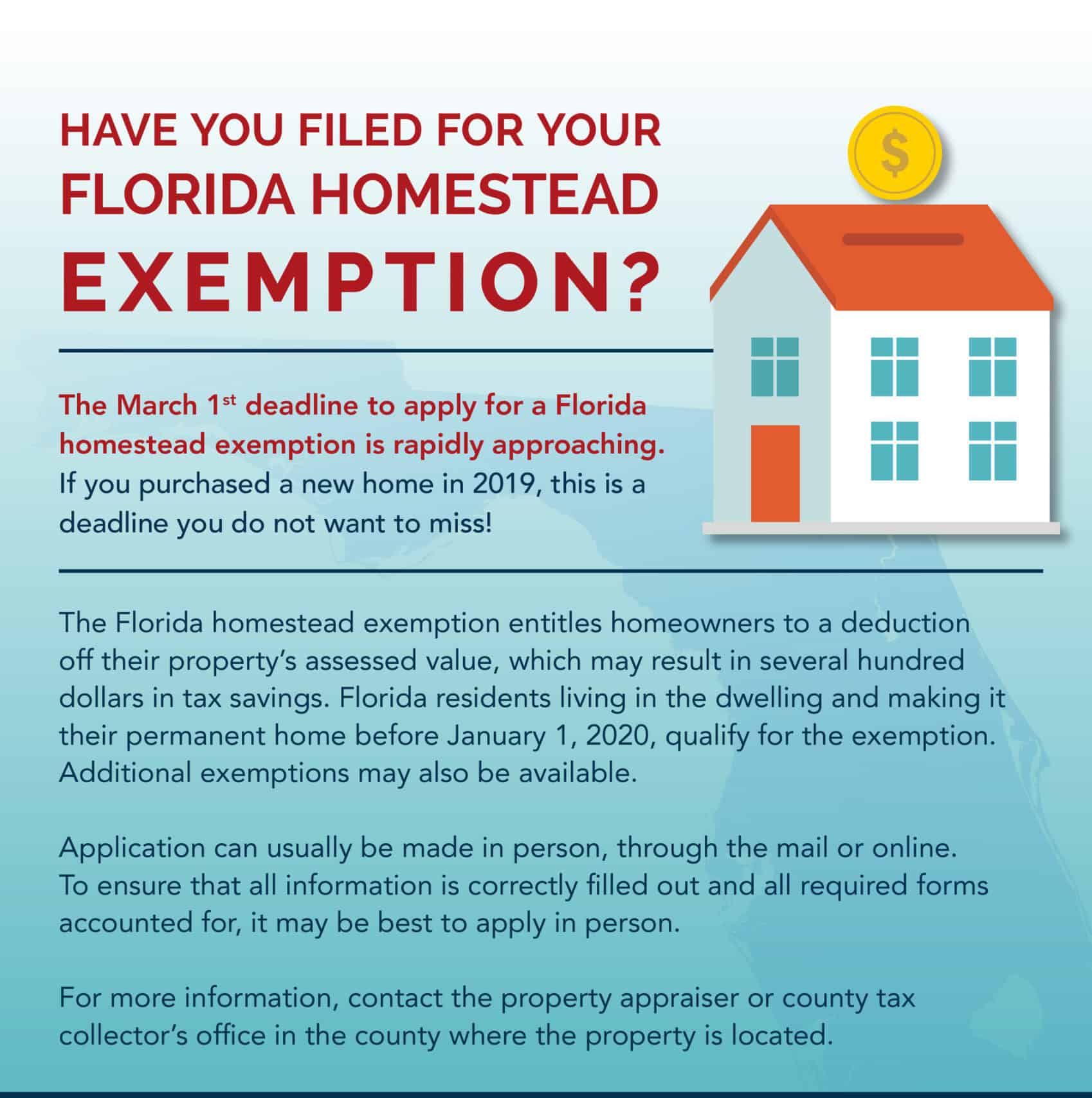
Far more than just a tax break, the Florida Homestead Exemption is a constitutional provision offering significant financial advantages and crucial asset protection for homeowners who designate a property as their primary residence. It’s a key factor influencing housing choices, long-term accommodation decisions, and the overall affordability of embracing a Florida lifestyle. Whether you envision a life steeped in luxury travel, a budget-friendly retirement, or a family-focused adventure, understanding this exemption is paramount for anyone considering a permanent move to the Sunshine State. This article will explore the core principles, benefits, and practical aspects of the Florida Homestead Exemption, revealing how it underpins the dream of making Florida not just a destination, but a secure and thriving home.
Understanding the Pillars of Florida’s Homestead Exemption
The Florida Homestead Exemption is deeply embedded in the state’s constitution, designed to provide substantial relief from property taxes and robust protection against creditors for a homeowner’s primary residence. This legal framework reflects a long-standing commitment to fostering homeownership and ensuring residents can maintain their homes even during economic challenges. For individuals accustomed to booking short-term stays in hotels or resorts, the concept of a homestead introduces a profound shift towards secure, long-term accommodation, influencing everything from financial planning to the very essence of their chosen lifestyle in Florida.
This vital provision effectively reduces the taxable value of a primary home, directly impacting annual property tax bills. Its historical roots trace back to the economic instabilities of the past, evolving over time to become a comprehensive system that today stands as a testament to Florida’s dedication to its residents. It’s an incentive that makes the vibrant culture, natural landmarks, and diverse attractions of Florida more accessible for year-round living.
Eligibility and Financial Advantages: Who Qualifies and What Can You Save?
To unlock the significant benefits of the Florida Homestead Exemption, specific criteria, primarily focused on the property serving as a permanent legal residence, must be met.
- Ownership: The applicant must possess legal or equitable title to the property. This typically means your name appears on the property deed.
- Residency Requirement: This is the cornerstone of eligibility. The property must be your permanent legal residence as of January 1st of the year for which you are applying. This isn’t merely owning a vacation property; it requires bona fide occupancy. Proof of residency generally involves presenting a Florida driver’s license, voter registration, vehicle registration, and other documents demonstrating your intent to establish permanent domicile in Florida. This distinction is crucial, differentiating a casual tourist from a committed Florida resident.
- Application: An application must be filed with your county’s Property Appraiser’s office. The filing deadline is typically March 1st of the year the exemption is sought. Once approved, the exemption generally renews automatically as long as you continue to meet the residency requirements. It’s important to note that the exemption applies to only one primary residence; you cannot claim it on multiple properties in Florida.
The financial benefits are substantial and encompass more than just a reduction in taxes:
- Property Tax Reduction: Homeowners can receive an exemption of up to $50,000 off their property’s assessed value. The first $25,000 applies to all property taxes, including school district taxes. An additional $25,000 exemption applies to the assessed value between $50,000 and $75,000, but does not apply to school district taxes. This tiered exemption can lead to significant annual savings, allowing residents more financial freedom to enjoy Florida’s myriad attractions, dining experiences, or simply enhance their chosen lifestyle.
- “Save Our Homes” (SOH) Amendment: This powerful provision caps the annual increase in the assessed value of homesteaded property at 3% or the Consumer Price Index (CPI), whichever is lower. In a dynamic real estate market like Florida’s, where property values can surge rapidly, SOH prevents property taxes from skyrocketing, offering invaluable predictability and stability. This protection is a lifeline for long-term residents, especially those on fixed incomes, ensuring they aren’t “taxed out” of their homes due to market appreciation.
- Creditor Protection: Beyond tax relief, the Florida Homestead Exemption provides unparalleled protection against forced sale by most creditors. With limited exceptions (e.g., property taxes, mortgages, mechanic’s liens), your primary residence, up to specific acreage limits (1/2 acre within a municipality, 160 acres outside), is largely shielded from seizure to satisfy personal debts or judgments. This level of asset protection offers immense peace of mind, solidifying Florida’s reputation as a secure place to live and invest.
From Tourist to Resident: Shaping a Florida Lifestyle
The transition from enjoying Florida as a vacation destination to embracing it as a permanent home is a dream for many. The Homestead Exemption plays a pivotal role in making this dream a sustainable reality, influencing long-term accommodation choices and shaping the very fabric of a resident’s lifestyle. It bridges the gap between the temporary allure of travel and the enduring commitment of homeownership.
The Allure of Permanent Accommodation and Long-Term Living
Imagine moving beyond the temporary luxury of a resort or the convenience of short-term vacation rentals to establish a life where Florida’s vibrant culture, natural beauty, and recreational opportunities are part of your daily routine. This journey from tourist to permanent resident is often driven by a desire for a higher quality of life, a warmer climate, or a thriving community. The Homestead Exemption directly supports this transition by making homeownership significantly more affordable and financially secure.
By reducing property tax burdens and capping annual tax increases, the exemption frees up financial resources that can be redirected towards enjoying the rich array of experiences Florida offers. This could mean more budget for exploring local landmarks, indulging in regional cuisine, participating in community events, or simply enjoying the state’s natural wonders. For retirees, families, or remote workers, the financial stability offered by homesteading is critical, allowing them to truly integrate into local communities and embrace a fulfilling lifestyle without the constant pressure of escalating housing costs. It transforms the concept of ‘accommodation’ from a transient booking to a deeply personal and protected sanctuary.
Investment Strategies: Primary Residence vs. Vacation Properties
For those eyeing property in Florida, a critical distinction lies between purchasing a primary residence and acquiring a vacation or investment property. The Florida Homestead Exemption applies exclusively to the former, making this differentiation paramount for financial planning.

- Primary Residence (Homesteaded Property): Electing a property as your primary residence unlocks the full spectrum of homestead benefits: tax reductions, the Save Our Homes cap, and creditor protection. This choice represents a commitment to living in Florida year-round and offers unparalleled long-term financial stability. For individuals seeking to embed themselves in the Florida lifestyle, this is the fiscally sound path, allowing for greater discretionary income and security.
- Vacation Properties / Investment Rentals: Properties not designated as a primary residence, such as vacation homes, second homes, or rental units, do not qualify for the Homestead Exemption. This means they are taxed on their full assessed value, and their assessed value increases are not capped by the Save Our Homes amendment. They also lack the same level of creditor protection. While these properties can serve as excellent investments, especially in Florida’s booming tourism market through platforms like Airbnb, understanding their differing financial profile is crucial. Many who initially buy a vacation condominium near Disney World might later decide to convert it to a homestead if their plans evolve, highlighting the dynamic nature of property ownership in the state. This strategic decision profoundly impacts both one’s investment portfolio and the type of lifestyle one can sustain.
Embracing Florida’s Diverse Destinations through Homeownership
Florida’s geography offers an incredible array of lifestyles, from the energetic pulse of its major cities to the serene charm of its coastal enclaves. While the Homestead Exemption applies uniformly statewide, its impact can be particularly advantageous in areas with higher property values or rapidly appreciating markets, making specific regions even more appealing for permanent residency.
Premier Destinations for Homesteaders: Miami, Orlando, and Beyond
Prospective homesteaders have a wealth of choices when deciding where to establish roots in Florida, each offering distinct attractions and community vibes, all underscored by the statewide Homestead Exemption.
- Miami & South Florida: Known for its vibrant Latin culture, luxurious lifestyle, and stunning beaches, Miami offers a cosmopolitan experience. Given the high property values in this region, the Homestead Exemption’s tax reduction and Save Our Homes benefits are particularly impactful, significantly offsetting the cost of living and allowing residents to fully immerse themselves in the city’s world-class dining, arts, and entertainment.
- Orlando & Central Florida: Beyond its status as the “Theme Park Capital,” Orlando is a burgeoning metropolitan area popular with families and those in the tourism sector. Homeownership here provides access to excellent schools and job opportunities, alongside proximity to Walt Disney World and Universal Studios Florida. The exemption makes owning a family home more affordable, crucial for budgeting around the costs of raising children and enjoying local attractions.
- Tampa Bay Area: Encompassing Tampa, St. Petersburg, and Clearwater, this west coast region blends urban sophistication with relaxed coastal living. It’s appealing to young professionals, families, and retirees, boasting cultural institutions, professional sports, and beautiful Gulf Coast beaches. The Homestead Exemption helps maintain affordability in this growing region, facilitating a lifestyle that balances city amenities with natural beauty.
- The Florida Keys & Southwest Florida (e.g., Naples, Fort Myers): These regions promise a distinctly relaxed, often luxurious, coastal lifestyle. Property values can be exceedingly high, particularly in areas like Naples or Key West. The Homestead Exemption is vital here for managing ownership costs, allowing residents to enjoy the stunning natural environment, world-class fishing, and unique island culture that defines these desirable locations.
Enhancing Investment Security: Portability and Creditor Shielding
Beyond the immediate tax relief, the Florida Homestead Exemption provides enduring investment protection. The Portability Clause of the Save Our Homes amendment is a prime example of this foresight. If you sell a homesteaded property in Florida and purchase another within a specific timeframe (generally two years), you can “port” a significant portion of your accumulated SOH tax savings. This means that if your previous home had a low assessed value due to the cap, you can transfer some of that tax benefit to your new homestead, reducing its initial taxable value. This mechanism removes a major disincentive to moving within the state, allowing residents to adjust their living situations—whether for a new job, a growing family, or downsizing in retirement—without losing their hard-earned tax protections.
Furthermore, the robust creditor protection offered by the Homestead Exemption stands as a cornerstone of financial security. In an unpredictable economic landscape, knowing that your primary residence is largely insulated from most creditors provides immense peace of mind. This legal shield encourages long-term commitment to homeownership in Florida, enabling residents to feel more secure in their chosen lifestyle and less vulnerable to unexpected financial pressures. It’s a fundamental aspect that makes Florida an exceptionally stable and attractive place for permanent residence.
Navigating the Application Process and Key Considerations
While the benefits of the Florida Homestead Exemption are compelling, successfully claiming it requires careful attention to the application process. It is generally straightforward, but adherence to deadlines and proper documentation are crucial for timely approval.
Essential Steps for Claiming Your Exemption
Applying for the Homestead Exemption is a critical step for new Florida homeowners, managed by the local Property Appraiser’s office in each county.
- Establish Residency by January 1st: Ensure your property is your permanent residence by this date of the year you wish to claim the exemption. This is a strict eligibility criterion.
- Gather Required Documentation: You will need proof of ownership and residency. Common documents include a Florida Driver’s License or ID, Florida Vehicle Registration, Florida Voter Registration Card, Social Security numbers for all owners residing on the property, and potentially proof of terminating out-of-state residency. For non-u.s. citizens, proof of permanent residency status (e.g., a green card) is often required.
- Complete and Submit the Application: Obtain the application form from your county’s Property Appraiser’s office (often available online). The deadline for submission is typically March 1st of the year for which you are applying.
- Annual Review: Once granted, the exemption usually renews automatically. However, it is prudent to review your annual “Notice of Proposed Property Taxes” (TRIM notice) to confirm the exemption has been applied correctly. If your residency status changes, you are legally obligated to notify the Property Appraiser’s office.
The streamlined nature of this process reflects Florida’s proactive approach to welcoming new residents, making the transition to permanent accommodation as efficient as possible.

Common Pitfalls and Expert Advice for Future Florida Homeowners
While the Homestead Exemption is relatively straightforward, new homeowners should be aware of potential pitfalls to avoid delays or loss of benefits.
- Missing Deadlines: The January 1st residency and March 1st application deadlines are firm. Missing them means waiting until the next tax year, forfeiting a year’s worth of savings.
- Confusing Primary Residence with Other Properties: A frequent error is attempting to apply the exemption to a vacation home or an investment property. The exemption is strictly for your permanent, primary residence.
- Maintaining Out-of-State Exemptions: You cannot simultaneously claim homestead exemptions in Florida and another state. Ensure any prior homestead or similar tax benefits in other states are properly terminated before applying in Florida.
- Understanding Portability Nuances: While powerful, portability has specific rules regarding transferable amounts and timeframes. Consult local real estate professionals or the Property Appraiser’s office when planning an intra-state move to maximize this benefit.
- Seeking Professional Guidance: For complex situations, such as properties held in trusts, non-u.s. citizen residency, or specific legal questions, consulting a Florida real estate attorney or tax advisor is highly recommended to ensure full compliance and optimal benefit utilization.
In conclusion, the Florida Homestead Exemption is a cornerstone of the state’s appeal for long-term residents, intertwining financial prudence with the desirable Florida lifestyle. It transforms the dream of permanent residence into an affordable and secure reality. For those initially captivated by Florida’s travel and tourism offerings, from the vibrant urban centers like Miami and Orlando to tranquil coastal retreats, understanding and utilizing this exemption is an essential step towards making the Sunshine State a cherished, permanent home—truly a life out of the box.
LifeOutOfTheBox is a participant in the Amazon Services LLC Associates Program, an affiliate advertising program designed to provide a means for sites to earn advertising fees by advertising and linking to Amazon.com. Amazon, the Amazon logo, AmazonSupply, and the AmazonSupply logo are trademarks of Amazon.com, Inc. or its affiliates. As an Amazon Associate we earn affiliate commissions from qualifying purchases.