
Florida, often affectionately known as the Sunshine State, beckons travelers with its diverse landscapes, vibrant cities, and an unmistakable aura of leisure. Yet, beyond its sun-drenched beaches and world-famous theme parks, understanding “What Time At Florida?” is crucial for any discerning visitor. This isn’t just about checking the clock; it’s about comprehending the state’s geographical time zones, the rhythm of its seasons, the optimal moments for various activities, and even the timeless essence of its unique lifestyle and rich history. From the bustling energy of Miami to the serene shores of the Gulf Coast, Florida operates on multiple levels of “time,” each offering a distinct experience that caters to every kind of traveler.
Our exploration delves into the practicalities of time management for a seamless Florida vacation, alongside a deeper dive into the cultural and historical “times” that define this captivating destination. Whether you’re planning a luxurious escape, a budget-friendly family adventure, or an immersive cultural journey, knowing the ins and outs of Florida’s temporal landscape is your first step towards an unforgettable experience.
Navigating Florida’s Temporal Landscape: Time Zones and Seasonal Rhythms
Understanding Florida’s literal time zones and its seasonal clock is fundamental to planning any trip. The state, while geographically compact, spans two distinct time zones, and its weather patterns dictate the ebb and flow of tourist activity throughout the year.
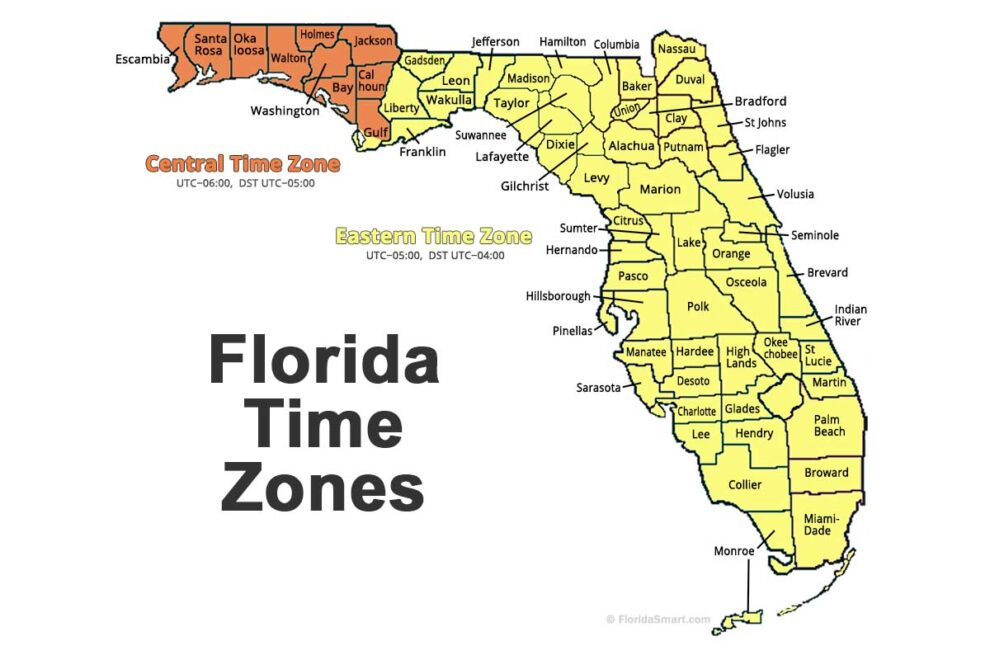
Eastern vs. Central: A Geographical Divide
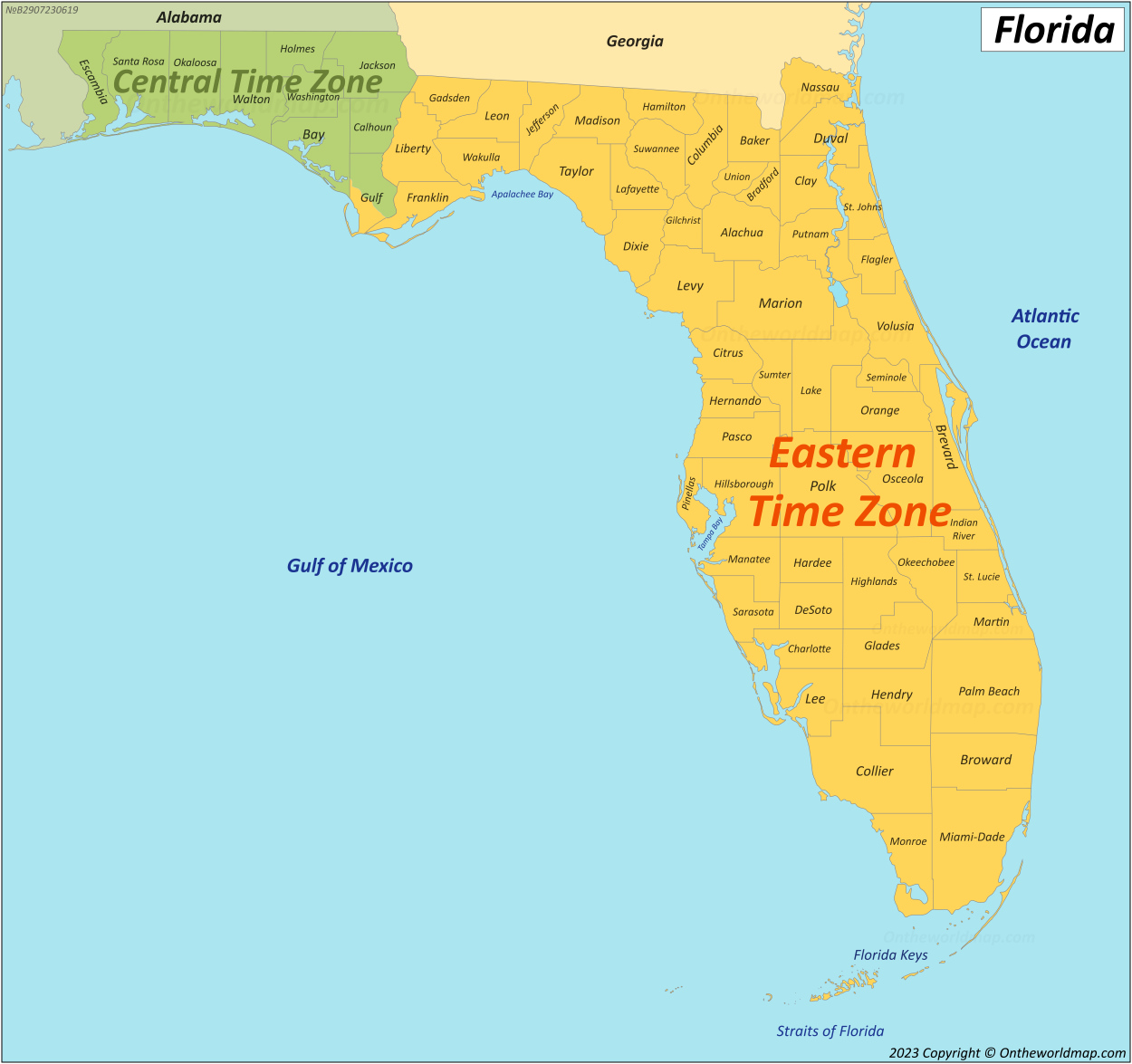
Most of Florida operates on Eastern Time Zone (ET), aligning with major cities like Orlando, Miami, Tampa, and Jacksonville. This covers the vast majority of the state’s population centers and popular tourist destinations. However, a significant portion of the Florida Panhandle, specifically west of the Apalachicola River and including cities such as Pensacola, Panama City, and Destin, observes the Central Time Zone (CT).
For travelers moving between these regions, especially those on road trips or with connecting flights, being aware of this time zone shift is paramount. A simple oversight could lead to missed appointments, delayed check-ins at your chosen accommodation – be it a luxury resort in South Beach or a cozy villa in Naples – or even a confusing start to a carefully planned excursion. Always double-check event times and flight schedules against the local time zone of your specific destination within the state. Most modern smartphones automatically adjust, but it’s always wise to confirm, particularly in border areas where the change might feel abrupt.
The Sunshine State’s Seasonal Clock: Best Times to Visit
Florida’s climate is predominantly subtropical to tropical, meaning distinct seasons, each with its own advantages and considerations for travelers. Choosing the “best time” to visit often depends on your priorities: avoiding crowds, securing the best deals on hotels, enjoying specific activities, or escaping colder climates.
-
Winter (December to February): Peak Season Charm
This is arguably Florida’s most popular time, particularly for those seeking refuge from harsh northern winters. Temperatures are pleasantly mild, humidity is low, and sunshine is abundant. This period is ideal for enjoying the beaches, exploring Everglades National Park, or indulging in outdoor activities without the oppressive summer heat. However, it’s also the busiest and most expensive time. Expect higher prices for accommodation – from lavish suites at the Ritz-Carlton, Naples to family-friendly apartments in Orlando – and significant crowds at major attractions like Walt Disney World Resort and Universal Orlando Resort. Booking well in advance is essential. -
Spring (March to May): Bustling Shores and Blooming Beauty
Spring offers a delightful balance, especially in April and May, when temperatures rise, but humidity remains manageable. March is synonymous with Spring Break, bringing throngs of students to coastal cities like Panama City Beach and Fort Lauderdale. While lively, this can mean crowded beaches and higher prices. Late spring, however, sees fewer crowds and pleasant weather, perfect for exploring gardens, visiting St. Augustine’s historic landmarks, or enjoying water sports along the Atlantic Coast. -
Summer (June to August): Family Fun and Afternoon Showers
Summer is synonymous with family vacations, especially to Orlando’s iconic theme parks and water parks. While hot and humid, with daily afternoon thunderstorms (which often pass quickly), it’s a prime time for those traveling with children, and many hotels and attractions offer special deals. The vibrant nightlife of Miami is also in full swing. If you can tolerate the heat and plan activities around the midday sun and potential rain, summer offers a lively and often more budget-friendly experience compared to winter. -
Fall (September to November): Pleasant Weather and Festivals
Fall is often considered a hidden gem for Florida travel. After the peak summer rush and the most active part of hurricane season (which typically runs June 1st to November 30th, with peak activity in August and September), the weather becomes incredibly pleasant. Temperatures cool, humidity drops, and crowds thin out, especially after Labor Day. This is a fantastic time for exploring the diverse ecosystems of the state, attending food and wine festivals in cities like Miami or Sarasota, or enjoying quieter beach days in the Florida Keys. Deals on accommodation are also more prevalent.
Immersive Experiences: Timing Your Florida Adventures
Beyond general seasonal considerations, the specific timing of your daily activities can profoundly impact your experience. From racing to the ropes drop at a theme park to savoring a sunset over the Gulf of Mexico, strategic timing enhances every aspect of your tourism journey.
Theme Park Thrills: Maximizing Your Day
Orlando is the theme park capital of the world, home to giants like Walt Disney World Resort, Universal Orlando Resort, and SeaWorld Orlando. To make the most of your time, strategic planning is essential.
- Early Birds Get the Rides: Arrive at park gates well before opening (“rope drop”). This allows you to experience popular attractions with minimal wait times before the midday crowds arrive. Many parks, especially at Walt Disney World Resort, offer early entry for guests staying at their resorts, which is a significant advantage for families seeking to maximize their experience.
- Midday Breaks: Consider taking a break from the parks during the hottest part of the day (1 PM – 4 PM), especially in summer. This is an ideal time to return to your hotel for a swim, a nap, or a leisurely lunch. You can then return refreshed in the late afternoon or evening.
- Evening Magic: The evenings at Florida’s theme parks are enchanting, with lower temperatures, spectacular parades, and dazzling fireworks displays. Plan to stay until closing if you want to catch these iconic nighttime events. Utilizing virtual queues or lightning lanes (if available) can also significantly cut down on wait times, optimizing your day.
Coastal Serenity: When to Hit the Beaches and Waterways

Florida’s extensive coastline offers a plethora of beach and water-based activities. The “best time” here is often dictated by the sun, tides, and marine life.
- Morning Bliss: For pristine conditions and fewer crowds, head to the beach in the morning. The sand is cooler, the sun is less intense, and the chances of spotting dolphins or finding seashells are higher. Popular spots like Clearwater Beach or Siesta Key are much more serene before noon.
- Sunset Spectacles: The sunsets in Florida, particularly over the Gulf Coast, are legendary. Crowds gather at places like Key West’s Mallory Square for the daily sunset celebration. Plan to arrive an hour or so before sunset to secure a good spot, grab a drink, and enjoy the pre-show entertainment.
- Water Activities: For activities like snorkeling, diving, or paddleboarding, calmer waters are generally found in the mornings. For fishing, check local tide charts, as specific times are more productive. Bioluminescent kayaking tours in places like Titusville are, by their nature, nighttime activities, requiring dark conditions to truly appreciate the glowing waters.
Culinary Delights and Vibrant Nightlife
Florida’s local culture extends wonderfully into its food scene and after-dark entertainment. Timing your meals and outings can significantly enhance the experience.
- Dining Experiences: Many popular restaurants, especially those offering fine dining or unique local cuisine (like fresh seafood or Cuban fare in Little Havana), can have long wait times during peak dinner hours (7 PM – 9 PM). Consider making reservations or dining slightly earlier or later. Brunch is a quintessential Florida experience, especially on weekends, with lively spots in Miami and Fort Lauderdale extending well into the afternoon.
- Nightlife: From the pulsating clubs of South Beach to the laid-back beach bars of Key West, Florida’s nightlife caters to all tastes. Most venues come alive after 9 PM and stay open late. For those seeking a more relaxed evening, catching live music at a waterfront restaurant or enjoying a moonlit stroll along the beach can be equally rewarding. Consider the type of “lifestyle” you prefer – whether it’s a quiet evening or a high-energy dance party – and time your outings accordingly.
A Timeless Allure: Florida’s Enduring Legacy
Beyond the practicalities of schedules and seasons, Florida offers a “timeless” quality, where history intertwines with modern development, and a relaxed lifestyle persists despite the state’s rapid growth.
Historic Echoes and Modern Marvels
Florida’s history is as diverse as its geography. St. Augustine, the nation’s oldest continuously inhabited European-established settlement, takes visitors back in time with its cobblestone streets, the imposing Castillo de San Marcos, and charming colonial architecture. Exploring these landmarks is best done in the cooler parts of the day, allowing for leisurely strolls through centuries of history.
In stark contrast, places like Cape Canaveral, home to the Kennedy Space Center Visitor Complex, represent the cutting edge of human endeavor, projecting into the future of space exploration. Visiting this site offers a glimpse into a very different kind of “time” – the future of innovation and discovery. Miami’s Art Deco Historic District in South Beach offers a beautifully preserved snapshot of 1930s architecture, demonstrating how different eras contribute to Florida’s enduring appeal. Understanding these diverse temporal layers enhances the travel experience, offering more than just sun and sand.
Crafting Your Perfect Florida Stay: Accommodation and Lifestyle Considerations
Florida caters to every travel lifestyle and budget. From luxurious, full-service resorts in Palm Beach offering exclusive amenities and suites, to budget-friendly hotels near Busch Gardens Tampa Bay, or charming villas for long-term stays in tranquil Amelia Island, the choices are abundant.
- Luxury Travel: If you desire an indulgent escape, aiming for off-peak shoulder seasons (late spring or fall) can provide a more serene experience at high-end establishments, often with slightly better rates than the winter peak.
- Budget Travel: For those on a tight budget, summer and fall typically offer the best deals on accommodation and flights, provided you’re prepared for the heat and hurricane season risks. Exploring vacation rentals or apartments can also be cost-effective for families or groups.
- Family Trips: Orlando’s appeal to families is year-round, but summer aligns with school holidays. Off-season travel in late spring or fall can mean fewer crowds and a more relaxed pace for younger children.
- Business Stays: For business travelers, major cities like Miami, Orlando, and Tampa offer extensive conference facilities and business hotels. Timing often depends on specific events or conventions.
No matter your preference, proactive booking is always recommended, especially for popular destinations and during peak times. Utilizing comparison sites and reading reviews can help secure the best options.
Planning Your Florida Escape: Practical Considerations
Ultimately, understanding “What Time At Florida?” is about empowering you to make informed decisions, ensuring your travel experience is as smooth and enjoyable as possible.
Booking Smart: Accommodations and Travel
When planning your trip, consider the seasonal demand for accommodation. During high season (winter and Spring Break), many of the best resorts and vacation rentals are booked months in advance, and prices are at their peak. Conversely, the “off-season” (summer and early fall) often presents opportunities for significant savings, although you’ll need to contend with higher temperatures and the potential for tropical weather. Flights also follow similar patterns, with higher prices during holiday periods and school breaks. Flexibility with your travel dates, even by a few days, can lead to substantial savings on both airfare and hotel rates.
Exploring long-term stay options, particularly for snowbirds or those seeking an extended escape, can open doors to more comfortable and cost-effective living arrangements in apartments or villas, particularly in areas like Sarasota or Fort Myers. Always consider travel insurance, especially during hurricane season, to protect your investment.
Beyond the Clock: Embracing the Florida Lifestyle
Finally, understanding “What Time At Florida?” means embracing the unique lifestyle and pace of the state. While some areas are fast-paced and bustling, much of Florida operates on a more relaxed, “island time” philosophy. This is particularly true in places like the Florida Keys or smaller coastal towns. It’s an invitation to slow down, savor the moment, and appreciate the natural beauty and vibrant local culture. Whether you’re enjoying fresh local food, exploring the historical depths of a landmark, or simply unwinding on a pristine beach, the most valuable “time” in Florida is often the time you spend truly present and immersed in the experience.
From the precise minute of a theme park opening to the centuries of history embedded in its ancient cities, Florida offers a multitude of temporal dimensions to explore. By understanding these various interpretations of “time,” travelers can craft a truly personalized and unforgettable journey through the Sunshine State, ensuring every moment is cherished.
LifeOutOfTheBox is a participant in the Amazon Services LLC Associates Program, an affiliate advertising program designed to provide a means for sites to earn advertising fees by advertising and linking to Amazon.com. Amazon, the Amazon logo, AmazonSupply, and the AmazonSupply logo are trademarks of Amazon.com, Inc. or its affiliates. As an Amazon Associate we earn affiliate commissions from qualifying purchases.