
Planning a vibrant vacation or a relaxing getaway to the Sunshine State often involves envisioning sunny beaches, world-class attractions, and perhaps enjoying a refreshing drink. Whether you’re unwinding at a luxurious resort, exploring local culture, or simply stocking up for an evening in your apartment rental, understanding the local alcohol sales regulations in Florida is essential for a seamless and enjoyable experience. Florida is renowned for its diverse tourism offerings, from the bustling nightlife of Miami to the family-friendly theme parks of Orlando and the tranquil beaches of the Gulf Coast. However, unlike some states with uniform alcohol laws, Florida presents a nuanced landscape where local ordinances play a significant role in determining when and where you can purchase alcoholic beverages. This comprehensive guide will help you navigate the intricacies of Florida‘s alcohol laws, ensuring you can responsibly plan your purchases and revel in all that this incredible destination has to offer.

Understanding Florida’s General Alcohol Sales Regulations
At a foundational level, Florida has state-wide laws that set a baseline for alcohol sales, but critically, it grants considerable authority to individual counties and municipalities to further restrict or extend these hours. This means that while there’s a general framework, the specific times you can buy alcohol can vary significantly from one city or county to another. This local control is why what might be permissible in Miami-Dade County could differ greatly from the rules in a more suburban or rural area.
Standard Hours for Package Stores and Grocery Stores
For off-premise consumption – meaning you purchase alcohol to drink elsewhere, like at your hotel room, a vacation rental, or a picnic – Florida’s general state law dictates that sales are typically permitted between 7:00 AM and midnight. This applies to various retail outlets including grocery stores, convenience stores, and dedicated package liquor stores. You’ll find a wide selection of beer, wine, and spirits readily available during these hours in most places. However, it’s crucial to remember the potential for local variations. Many counties and cities, for instance, extend these hours, sometimes allowing sales until 2:00 AM on specific days, particularly weekends or in areas with high tourist traffic. It’s always a good practice, especially if you’re planning a late-night purchase, to check the specific regulations for the locality you’re in. This flexibility is a testament to Florida‘s commitment to balancing local community preferences with the needs of its vibrant tourism industry.
On-Premise Consumption: Bars, Restaurants, and Nightclubs
When it comes to enjoying an alcoholic beverage at a bar, restaurant, or nightclub – on-premise consumption – the hours often extend later than for retail sales. Statewide, the general allowance for these establishments is from 7:00 AM to 2:00 AM. This enables Florida‘s famed nightlife and dining scenes to thrive, offering visitors and residents ample opportunity to socialize and unwind. In major tourist hubs and entertainment districts, these hours can frequently be pushed even later by local ordinances. For example, some areas might permit bars to serve until 3:00 AM or even Miami‘s iconic South Beach neighborhood, which is famous for its establishments serving until 5:00 AM, especially on weekends. This extended service caters directly to the lifestyle of luxury travel and vibrant social experiences that Florida is known for, ensuring that whether you’re enjoying a craft cocktail in a chic lounge or dancing the night away, your evening can continue into the early hours.
The Nuance of Sunday Sales
Historically, “blue laws” or Sunday closing laws were common across many U.S. states, restricting various activities, including alcohol sales, on Sundays. While many of these laws have been repealed or relaxed, the legacy of Sunday restrictions can still be felt in some parts of Florida. Generally, Florida state law permits Sunday alcohol sales, aligning with the same hours as other weekdays for both on-premise and off-premise sales. However, this is another area where local jurisdictions can impose their own rules. Some smaller, more conservative counties or municipalities might still have ordinances that delay the start of alcohol sales on Sunday mornings, perhaps until noon or later. For instance, you might find that while you can buy beer at 7:00 AM on a Saturday, a Sunday morning purchase might be delayed until 11:00 AM or 12:00 PM in specific locales. This is particularly relevant for travelers planning to stock up on beverages for a Sunday beach day or an afternoon barbecue, making it prudent to verify local regulations for Sunday sales, especially if you’re outside the major metropolitan areas.
Navigating Local Variations and County Ordinances
The true complexity of Florida‘s alcohol laws lies in the diverse ordinances enacted by its 67 counties and hundreds of municipalities. These local rules can reflect the unique character, demographics, and economic priorities of each area, from bustling urban centers to serene coastal towns and family-focused communities. For travelers, understanding these regional differences is key to avoiding any unexpected surprises.
Major City Spotlight: Miami-Dade County
Miami-Dade County is arguably the most dynamic example of Florida‘s flexible alcohol laws. Known globally as a party destination and a hub for luxury travel, Miami and its various neighborhoods cater extensively to nightlife and entertainment. In iconic areas like South Beach and parts of Downtown Miami, including the thriving Brickell district, you can often find bars, nightclubs, and restaurants serving alcohol until 5:00 AM, especially on Fridays and Saturdays. This extended service is a significant draw for tourists seeking vibrant late-night experiences and contributes heavily to Miami‘s reputation as a world-class destination. While most grocery and package stores adhere to the 7:00 AM to midnight or 2:00 AM window, the on-premise flexibility is a defining characteristic of Miami‘s tourism and lifestyle scene.
Major City Spotlight: Orlando and Theme Park Areas
Orlando, the undisputed theme park capital of the world, presents another fascinating case. With attractions like Walt Disney World Resort, Universal Studios Florida, and a plethora of other entertainment venues along International Drive, the city is designed for tourism. Alcohol sales within the theme parks themselves, and in surrounding entertainment complexes like Disney Springs or Universal CityWalk, are generally aligned with the operating hours of those venues, often extending well into the evening. For off-premise purchases, Orange County (where Orlando is located) typically allows sales from 7:00 AM to 2:00 AM for both package stores and on-premise establishments. This makes it convenient for families and adults alike to enjoy beverages responsibly after a day of park hopping or to stock up at a local supermarket near their hotel or vacation home.
Major City Spotlight: Tampa, St. Petersburg, and the Gulf Coast
Moving to the Gulf Coast, cities like Tampa and St. Petersburg offer a blend of urban sophistication, vibrant nightlife, and relaxed beach town vibes. Tampa, particularly its Ybor City historic district, is known for its energetic nightlife, with many establishments serving until 3:00 AM. St. Petersburg, with its burgeoning arts scene and beautiful waterfront, also boasts a lively bar and restaurant culture, generally permitting alcohol sales until 3:00 AM. For off-premise purchases in Hillsborough County (Tampa) and Pinellas County (St. Petersburg), sales typically conclude around midnight or 1:00 AM, with many stores adhering to the 7:00 AM start. The Gulf Coast region as a whole, encompassing popular destinations like Sarasota and Naples, generally follows these patterns, aiming to accommodate both local preferences and the significant influx of tourists seeking both relaxation and entertainment.
Major City Spotlight: Jacksonville and Northeast Florida
In Northeast Florida, Jacksonville stands as Florida‘s largest city by land area and population. Its alcohol laws are somewhat more conservative compared to Miami or Orlando, but still cater to a vibrant community. Most establishments in Jacksonville allow alcohol sales until 2:00 AM for on-premise consumption, and off-premise sales also generally follow a similar schedule, often concluding around midnight or 1:00 AM. Sunday sales typically begin later in the morning, often around 11:00 AM or noon, reflecting a slightly different local culture and community priorities. This demonstrates how even within a major metropolitan area, local history and resident expectations can shape specific alcohol policies.
How to Check Local Laws
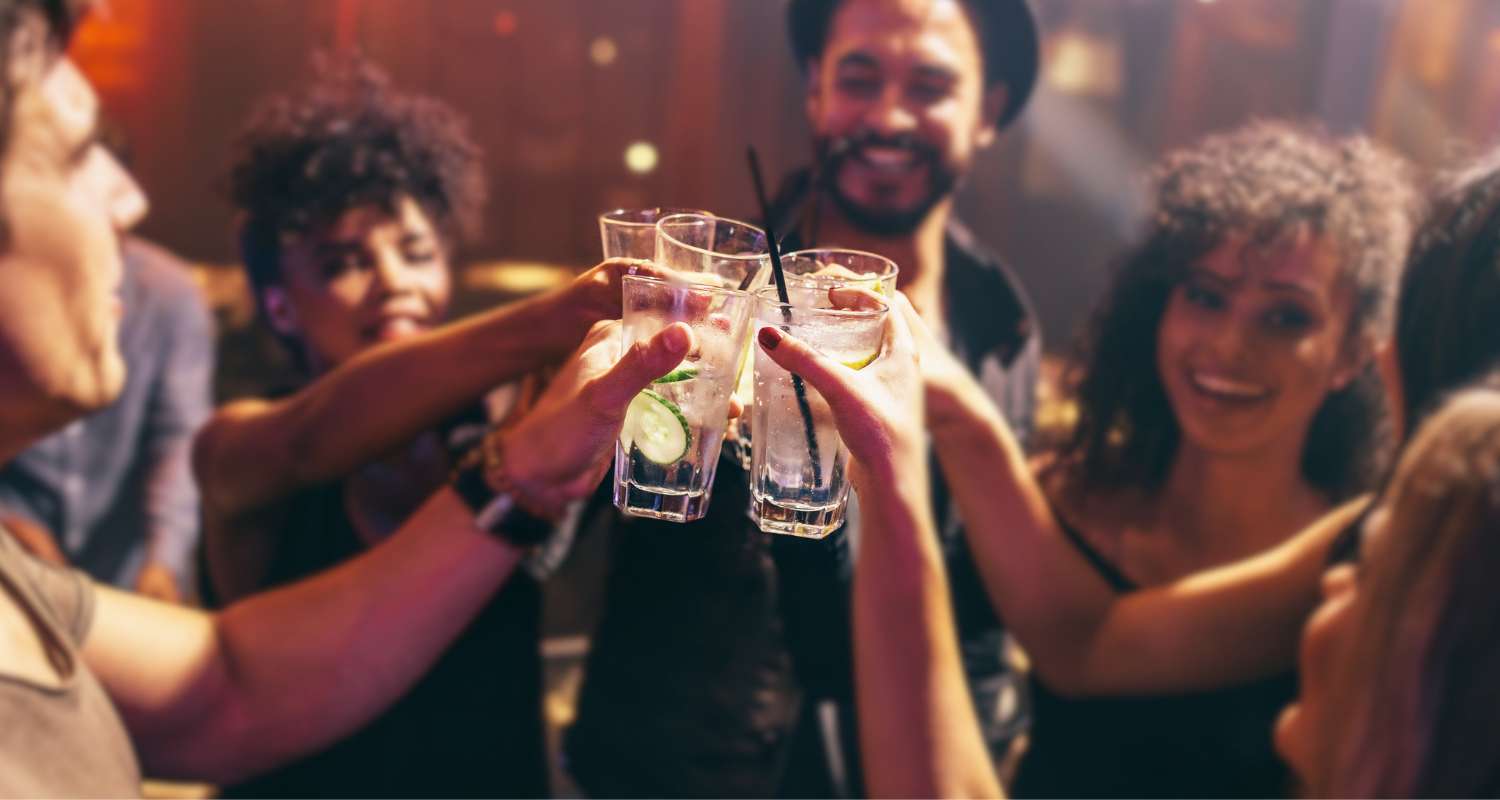
Given the variability, the best practice for travelers is to proactively check the specific alcohol ordinances for their destination. A quick online search for “[city/county name] alcohol sales hours” will usually yield reliable information from official government websites. Alternatively, asking hotel staff or checking signs at local grocery or package stores can provide immediate clarity. Reputable accommodation providers, from luxury hotels to cozy bed and breakfasts, are typically well-versed in local regulations and can offer guidance, contributing to a stress-free travel experience.
Beyond the Clock: Key Alcohol Laws for Visitors
Understanding the permitted hours is just one piece of the puzzle. Florida has other crucial alcohol-related laws that visitors must be aware of to ensure a safe, legal, and enjoyable trip. These regulations touch upon age, consumption locations, and responsible behavior, all critical components of responsible tourism.
Minimum Legal Drinking Age and ID Requirements
This is non-negotiable across the entire United States, including Florida: the minimum legal drinking age is 21. Businesses selling alcohol are very strict about verifying age, and valid government-issued identification (such as a passport, driver’s license, or state ID) is required. Expect to be asked for ID even if you appear to be well over 21. Attempting to purchase alcohol for minors or using a fake ID carries severe penalties, including fines, license suspension, and potential jail time. For international visitors, ensure your passport is readily available and valid, as some establishments may be cautious about accepting foreign driver’s licenses alone.
Open Container Laws
Florida has strict open container laws, particularly when it comes to motor vehicles. It is illegal to have an open alcoholic beverage container in a vehicle, whether it’s moving or stationary, and whether you are the driver or a passenger. This law also generally extends to public spaces outside of licensed establishments. While some municipalities, notably Key West and a few specific entertainment districts, have relaxed open container rules allowing drinks in designated areas, these are exceptions, not the norm. Do not assume you can walk around with an open alcoholic beverage. Always check local ordinances carefully. Most beaches, for example, strictly prohibit alcohol consumption, a rule that is heavily enforced to maintain a family-friendly environment and prevent litter. Violating open container laws can result in fines and legal trouble, detracting from your vacation experience.
Public Intoxication and Responsible Consumption
While Florida embraces a lively atmosphere, public intoxication is illegal and can lead to arrest. This is less about having a drink or two and more about disorderly conduct, disturbing the peace, or being a danger to yourself or others due to excessive consumption. Responsible consumption is paramount. Many hotels and resorts offer excellent amenities where you can enjoy drinks in a controlled and safe environment. If you plan to indulge, consider using ride-sharing services, taxis, or designated drivers to travel safely. Florida promotes a high-quality lifestyle, and part of that involves respecting local laws and maintaining public order.
Driving Under the Influence (DUI) Laws
Florida has some of the toughest Driving Under the Influence (DUI) laws in the country. The legal blood alcohol content (BAC) limit is 0.08% for drivers aged 21 and over, and 0.02% for those under 21. Penalties for DUI are severe, including hefty fines, mandatory jail time, driver’s license suspension, vehicle impoundment, and significantly increased insurance premiums. For tourists, a DUI conviction can have long-lasting implications, affecting future travel and even employment. Never drink and drive. Period. Utilize the extensive network of ride-sharing apps like Uber and Lyft, readily available in all major tourist areas, or take advantage of hotel shuttles and public transportation options. This is not just a legal matter, but a critical safety concern for everyone on Florida‘s roads.
Special Event Permits and Exceptions
Florida is a hub for festivals, concerts, sporting events, and cultural gatherings throughout the year. During these special events, local authorities often issue temporary permits that may allow for extended alcohol sales hours or special consumption rules within designated event zones. For example, during events at stadiums like Raymond James Stadium in Tampa or Hard Rock Stadium in Miami Gardens, or during large-scale music festivals, alcohol sales might be permitted at specific times and locations that differ from everyday regulations. Always look for signage or inquire with event organizers regarding their specific alcohol policies. These exceptions are typically well-advertised and designed to enhance the event experience while maintaining public safety.
Practical Tips for Enjoying Florida’s Beverage Scene
For any traveler, integrating knowledge of alcohol laws into their trip planning makes for a smoother, more enjoyable visit. Florida offers a vast array of options for those looking to enjoy alcoholic beverages, from sophisticated wine bars to casual beachside pubs and innovative craft breweries.
Planning Your Purchases: Hotels, Resorts, and Grocery Stores
If you’re staying in a hotel or resort, many offer mini-bars, hotel bars, or even on-site convenience stores with varying hours for alcohol purchases. Booking accommodations like apartment rentals or villas through platforms often provides access to a full kitchen, making grocery store purchases an economical and convenient option for enjoying drinks in your private space. Remember to factor in local grocery store hours and Sunday restrictions if you’re planning a specific beverage for a particular time. Many luxury hotels in destinations like Palm Beach or Fort Lauderdale also have sophisticated lounge bars where you can enjoy meticulously crafted cocktails late into the evening.
Exploring Florida’s Craft Beer, Wine, and Cocktail Culture
Beyond simply knowing when you can buy alcohol, embrace the opportunity to explore Florida‘s burgeoning craft beverage scene. The state boasts an impressive number of craft breweries, particularly in cities like Tampa, St. Petersburg, and Orlando, offering unique local brews. Florida also has a growing wine industry and a vibrant cocktail culture, with mixologists creating innovative drinks using local ingredients. Many distilleries and breweries offer tours and tastings, which can be fantastic cultural and culinary experiences. This aspect of Florida‘s lifestyle offers a deeper dive into local flavors and traditions, providing a memorable alternative to generic beverages.

Staying Informed and Respecting Local Regulations
Ultimately, the key to a hassle-free experience in Florida is to stay informed and respect local regulations. While the general rules provide a good starting point, the nuances of county and city ordinances mean that what’s acceptable in Miami Beach may not be in Everglades National Park or near the Kennedy Space Center Visitor Complex. Approach your visit with a mindful attitude, prioritize safety, and make responsible choices regarding alcohol consumption. By doing so, you’ll be able to fully enjoy all the sun, fun, and flavors that the diverse and beautiful state of Florida has to offer, creating lasting memories without any legal setbacks. Whether you’re unwinding with a sunset drink at a beachfront resort or celebrating a thrilling day at Busch Gardens Tampa Bay, knowing the rules enhances your ability to relax and enjoy the Florida lifestyle to its fullest.
LifeOutOfTheBox is a participant in the Amazon Services LLC Associates Program, an affiliate advertising program designed to provide a means for sites to earn advertising fees by advertising and linking to Amazon.com. Amazon, the Amazon logo, AmazonSupply, and the AmazonSupply logo are trademarks of Amazon.com, Inc. or its affiliates. As an Amazon Associate we earn affiliate commissions from qualifying purchases.