
For anyone planning a trip to the enchanting city of Orlando, Florida, understanding the local time zone is more than just a trivial detail; it’s a crucial element that can shape everything from flight arrangements and accommodation bookings to maximizing your theme park adventures and enjoying the local lifestyle. Whether you’re a seasoned globetrotter or embarking on your first grand vacation, knowing what time it is and how it might differ from your home location is the first step towards a seamless and enjoyable experience. So, to answer the pivotal question directly: Orlando, Florida operates on Eastern Standard Time (EST) during the winter months and Eastern Daylight Time (EDT) during the warmer seasons, aligning with most of the United States East Coast.
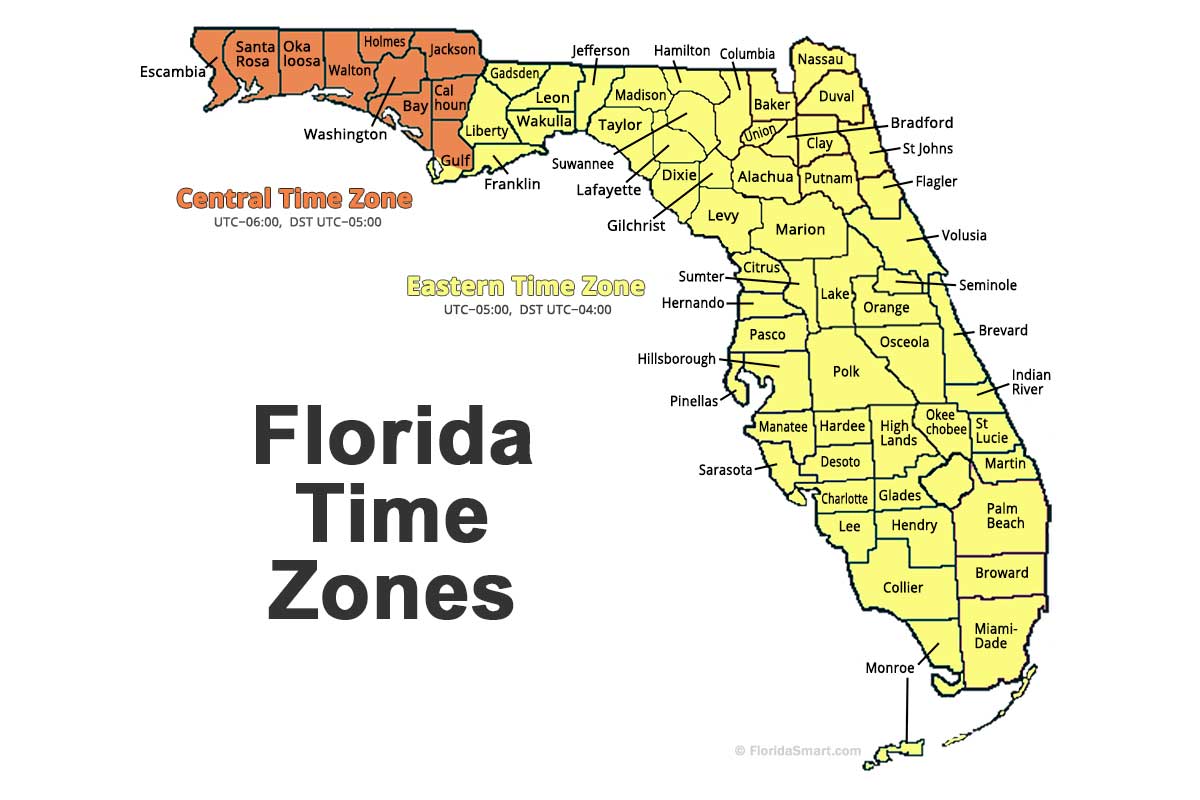
This means Orlando is five hours behind Coordinated Universal Time (UTC) and Greenwich Mean Time (GMT) during EST (UTC-5) and four hours behind (UTC-4) during EDT. This article will delve deeper into what this means for your travel plans, offer practical tips for adjusting, and explore how Orlando’s time zone integrates with its reputation as a world-class destination for tourism, hotels, and unforgettable experiences.
Understanding Orlando’s Time Zone: Eastern Standard Time (EST)
The concept of time zones can sometimes be confusing, especially when Daylight Saving Time comes into play. For Orlando, adhering to the Eastern Time Zone means a predictable shift that is easy to manage once you understand the rhythm.
A Deep Dive into EST/EDT
Eastern Standard Time (EST) is the standard time observed from early November to mid-March. During this period, Orlando is five hours behind UTC (UTC-5). However, when Daylight Saving Time begins, typically on the second Sunday in March, the clocks “spring forward” by one hour, moving Orlando to Eastern Daylight Time (EDT). This makes Orlando four hours behind UTC (UTC-4). The “fall back” occurs on the first Sunday in November, when clocks revert to EST. This annual adjustment allows for more daylight in the evenings during the warmer months, greatly benefiting tourism and outdoor activities. For travelers, especially those from international destinations or the western United States, being aware of these shifts is vital for accurate scheduling.
Geographical Context within Florida
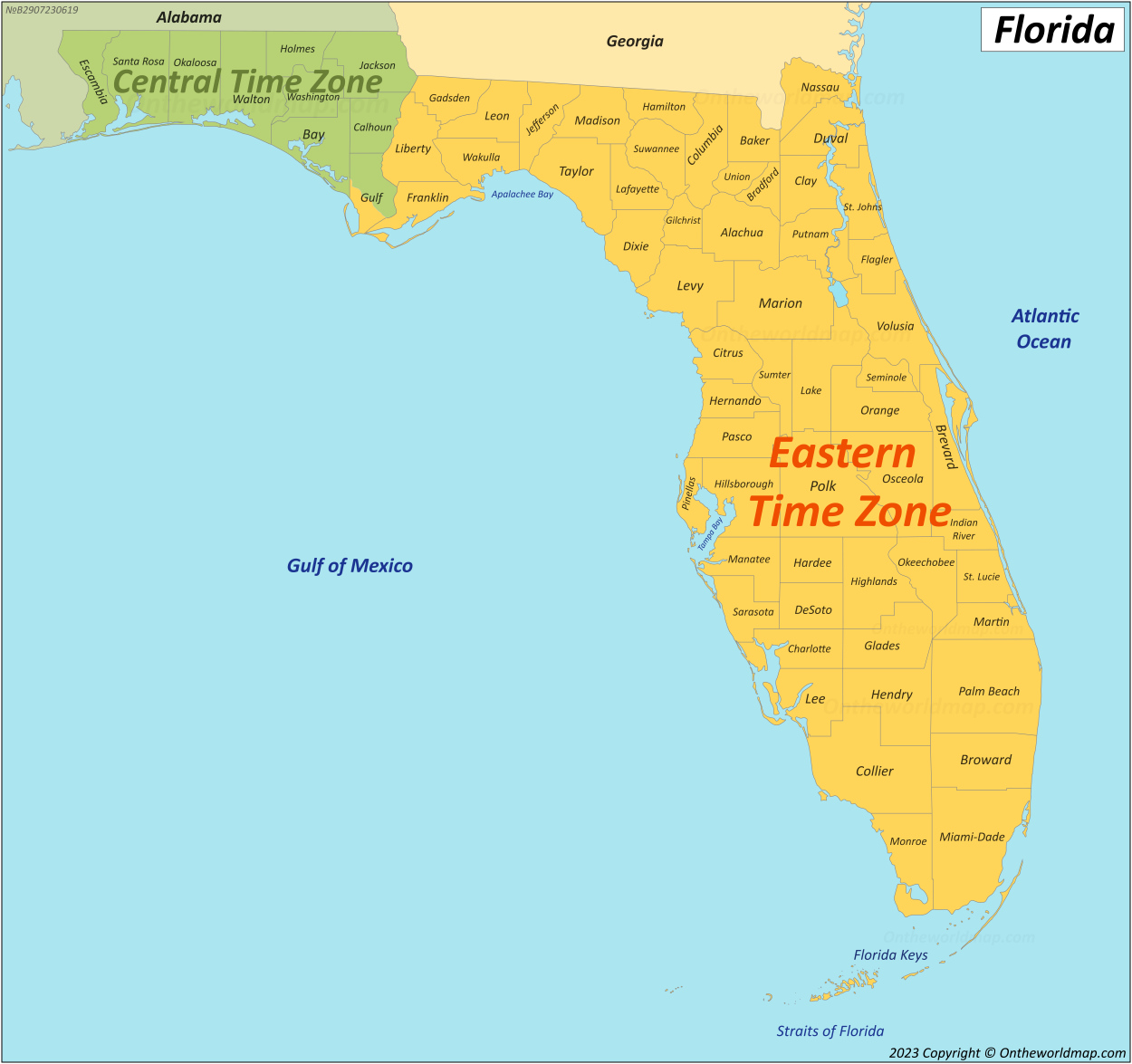
While most of Florida observes the Eastern Time Zone, it’s worth noting for comprehensive travel planning that a portion of the Florida Panhandle operates on the Central Time Zone. This means cities like Pensacola and Tallahassee might be an hour behind Orlando if you are traveling across the state. However, for a trip solely focused on Orlando and its immediate surroundings, you only need to concern yourself with EST or EDT. This geographical detail becomes important only if your itinerary includes extensive road trips across Florida, but for the vast majority of Orlando visitors, their entire stay will be within one consistent time frame.
The Impact of Time Zones on Your Orlando Travel Experience
The time zone difference can have a profound impact on your travel experience, especially when dealing with the fast-paced, highly scheduled environment of Orlando’s theme parks and attractions. From the moment you book your flight to the last souvenir purchase, understanding Orlando’s time is paramount.
Planning Flights and Arrivals
For many, the journey to Orlando begins with a flight. Whether you’re flying from Europe, South America, or another part of North America, calculating your arrival time in Orlando’s local time is essential. This impacts everything from coordinating airport transfers to ensuring your hotel check-in is smooth. For example, if you’re flying from London, which is on GMT or BST, you’re looking at a 5-hour or even 6-hour difference, depending on the time of year and Daylight Saving Time in both locations. Being aware of this difference helps prevent missed connections, late arrivals for pre-booked activities, or simply showing up at your Walt Disney World Resort hotel hours before you can check in. Always set your watch to Orlando time as soon as you board your flight to mentally prepare for the shift.
Maximizing Your Theme Park Adventures
Orlando is synonymous with world-class theme parks like Walt Disney World Resort, Universal Orlando Resort, and SeaWorld Orlando. These parks often open early, with “Early Theme Park Entry” perks available for guests staying at official resort hotels, sometimes as early as 7:30 AM or 8:00 AM local time. If your body clock is still set to a time zone two or three hours ahead, waking up for these early starts can be a real challenge. Conversely, many parks feature spectacular nighttime shows and fireworks, running well into the evening. Adjusting to Orlando time means you can fully enjoy these experiences without feeling fatigued or missing out on the magic because your internal clock is telling you it’s past midnight. Scheduling your most strenuous activities for when you’re most alert, based on the local time, is a key strategy for a successful trip.
Synchronizing with Dining and Entertainment
Beyond the parks, Orlando boasts a vibrant dining scene and an array of entertainment options, from dinner shows to live music venues along International Drive. Many popular restaurants, especially those in resort areas or downtown Orlando like the Dr. Phillips Center for the Performing Arts, require reservations, often booked months in advance. Ensuring you make these reservations in the correct time zone is critical. Imagine missing your dinner at a highly sought-after restaurant like Victoria & Albert’s at Disney’s Grand Floridian Resort & Spa because of a time zone miscalculation! Similarly, showtimes for events at the Amway Center or performances at various venues will always be listed in local Orlando time. Being correctly synchronized with the local clock allows you to fully immerse yourself in Orlando’s rich cultural and entertainment offerings without any hiccups.
Business and Communication Considerations
For those traveling to Orlando for business, perhaps for a conference at the Orange County Convention Center or a corporate retreat, time zone awareness is doubly important. Scheduling meetings, video conferences, and client calls with partners in different time zones requires meticulous planning. If you’re based in California, for instance, a 9 AM meeting in Orlando is a 6 AM start for you. International business travelers from Europe or Asia face even larger time discrepancies. Clear communication about time zones for all scheduled events is crucial to maintain professionalism and avoid misunderstandings. This applies equally to leisure travelers needing to communicate with family or colleagues back home; a quick check of the time difference can prevent inconveniently timed calls.
Navigating Time Zone Changes: Tips for a Seamless Orlando Trip
Adjusting to a new time zone, often referred to as combating jet lag, is a common challenge for travelers. However, with a few proactive strategies, you can minimize its effects and ensure your Orlando vacation starts on the right foot.
Battling Jet Lag and Adjusting Your Internal Clock
Jet lag can manifest as fatigue, disorientation, disrupted sleep patterns, and even digestive issues, significantly impacting your ability to enjoy your trip. The key is to start adjusting even before you arrive. Gradually shifting your sleep schedule a few days before departure can help. Once you arrive in Orlando, immediately try to adopt the local time.
- Embrace the daylight: Spend time outdoors, especially in the morning, to help reset your circadian rhythm. Orlando’s abundant sunshine is perfect for this.
- Stay hydrated: Drink plenty of water and limit caffeine and alcohol, which can exacerbate dehydration and disrupt sleep.
- Eat light, regular meals: Try to eat at local meal times, even if you’re not particularly hungry, to further align your body with the local schedule.
- Prioritize sleep: Even if it feels early, try to go to bed at a reasonable hour on your first night. Blackout curtains in your hotel room can be very helpful.
- Nap strategically: If you must nap, keep it short (20-30 minutes) and early in the day to avoid disrupting nighttime sleep.
Tools and Technology for Time Management
In our digital age, technology is your best friend when it comes to managing time zones.
- Smartphones and smartwatches: Most modern devices automatically update to the local time when you arrive at your destination. Ensure this feature is enabled.
- World clock apps: Utilize built-in world clock functions or dedicated apps to easily compare Orlando’s time with your home time zone or any other relevant location. This is invaluable for coordinating calls or checking in with loved ones.
- Flight tracking apps: These can provide real-time updates on flight schedules, helping you prepare for potential delays that might impact your arrival in Orlando’s time.
- Calendar apps: When booking tours, restaurant reservations, or show tickets, always input the details into your calendar app, specifying the time zone to avoid any confusion. Many apps will automatically convert times if you set your default time zone.
Embracing the Local Rhythm
Ultimately, the best way to conquer time zone differences is to immerse yourself fully in the local rhythm of Orlando. Don’t cling to your home time zone; embrace the opportunities that Orlando time offers. Early mornings mean cooler temperatures and fewer crowds at theme parks. Later evenings allow for spectacular fireworks displays and leisurely dinners. Adjusting your internal clock not only reduces jet lag but also opens you up to enjoying the full spectrum of experiences Orlando has to offer. This includes everything from a sunrise hot air balloon ride over the Central Florida landscape to enjoying a late-night show at Disney Springs.
Orlando’s Allure Beyond the Clock: A World-Class Destination
While managing time zones is a practical necessity, it’s important to remember why you’re making the journey to Orlando in the first place. This vibrant city offers an unparalleled array of attractions, accommodation options, and lifestyle experiences that cater to every type of traveler.
Iconic Attractions and Entertainment Hubs
Orlando is globally renowned for its incredible collection of theme parks. Beyond Walt Disney World Resort, featuring Magic Kingdom, Epcot, Hollywood Studios, and Animal Kingdom, there’s the thrilling Universal Orlando Resort with Universal Studios Florida and Islands of Adventure. For marine life enthusiasts, SeaWorld Orlando offers captivating shows and rides, while families with younger children will adore Legoland Florida Resort just a short drive away. Beyond the major parks, Orlando offers unique landmarks such as the Kennedy Space Center Visitor Complex (approx. an hour’s drive), the scenic Lake Eola Park in downtown Orlando, and the charming boutiques and historic architecture of Winter Park, home to Rollins College. Each of these attractions adheres strictly to the Eastern Time Zone, making your planning straightforward once you’ve adjusted.
Diverse Accommodation Options for Every Traveler
Orlando’s hospitality sector is as diverse as its attractions. From opulent five-star resorts to budget-friendly suites and cozy vacation rentals, there’s accommodation to suit every preference and budget. Luxury travelers can indulge in the grandeur of the Four Seasons Resort Orlando at Walt Disney World Resort, the Ritz-Carlton Orlando, Grande Lakes, or the JW Marriott Orlando, Grande Lakes, all offering world-class amenities and services. Mid-range options like the Hilton Orlando or Hyatt Regency Orlando provide excellent value and convenience. For families, many resorts, including properties at Walt Disney World Resort like Disney’s Contemporary Resort or Universal’s Hard Rock Hotel, offer themed rooms, extensive pools, and family-friendly activities. Those seeking a more relaxed, tropical vibe might consider the Margaritaville Resort Orlando. Regardless of your choice, knowing the local time ensures a smooth check-in and check-out process, and helps you make the most of resort amenities from sunrise to sunset.

Culinary Delights and Lifestyle Experiences
Orlando’s lifestyle caters to a myriad of tastes. Foodies will delight in the burgeoning culinary scene, ranging from celebrity chef restaurants at Disney Springs to diverse international eateries along International Drive and vibrant farm-to-table establishments in the city’s charming neighborhoods. Nightlife thrives with entertainment complexes, bars, and lounges. For those interested in local culture, the city hosts numerous festivals, art shows, and sporting events throughout the year. Family trips benefit from countless kid-friendly activities beyond the parks, while business stays can leverage Orlando’s excellent convention facilities and networking opportunities. Understanding the time zone allows you to fully engage with all these experiences, from securing a prime-time dinner reservation to catching a sunset view from a rooftop bar or planning your travel to fit specific event schedules.
In conclusion, Orlando, Florida is firmly in the Eastern Standard Time Zone, transitioning to Eastern Daylight Time during the spring and summer months. This seemingly simple fact is the cornerstone of effective travel planning to this world-famous destination. By familiarizing yourself with Orlando’s time, understanding its implications for flights, attractions, and daily activities, and employing strategies to minimize jet lag, you set the stage for an unforgettable trip filled with magic, adventure, and relaxation. So, sync your watches, pack your bags, and get ready to experience all the wonders Orlando has to offer, right on time.
LifeOutOfTheBox is a participant in the Amazon Services LLC Associates Program, an affiliate advertising program designed to provide a means for sites to earn advertising fees by advertising and linking to Amazon.com. Amazon, the Amazon logo, AmazonSupply, and the AmazonSupply logo are trademarks of Amazon.com, Inc. or its affiliates. As an Amazon Associate we earn affiliate commissions from qualifying purchases.