
For anyone planning a trip, relocating for work, or simply curious about the daily rhythm of Florida’s capital, understanding its time zone is fundamental. Tallahassee, nestled in the heart of the Florida Panhandle, operates exclusively within the Eastern Time Zone (ET). This means that throughout the year, residents and visitors alike will observe either Eastern Standard Time (EST) or Eastern Daylight Time (EDT), depending on the season and the observance of Daylight Saving Time.
While the answer might seem straightforward, the implications of this time zone extend far beyond a simple setting of your watch. For travelers, understanding Tallahassee’s time zone is crucial for seamless itinerary planning, booking accommodations, and fully immersing oneself in the local culture without missing a beat. From coordinating business meetings to catching the sunset at a scenic park, every aspect of your experience in this vibrant city is subtly governed by its position in the Eastern Time Zone. This guide delves into the specifics of Tallahassee’s time, exploring its impact on travel, tourism, and daily life, ensuring your visit is as smooth and enjoyable as possible.
Navigating Time in Florida’s Capital
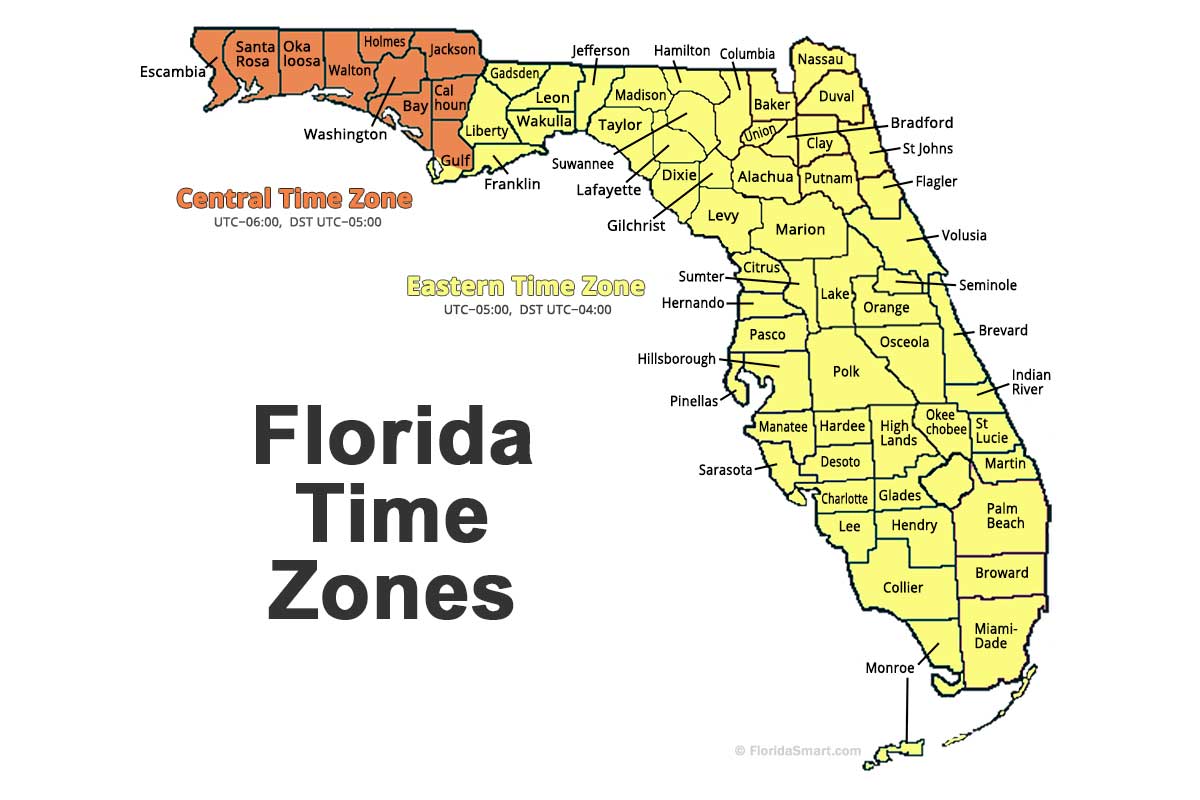
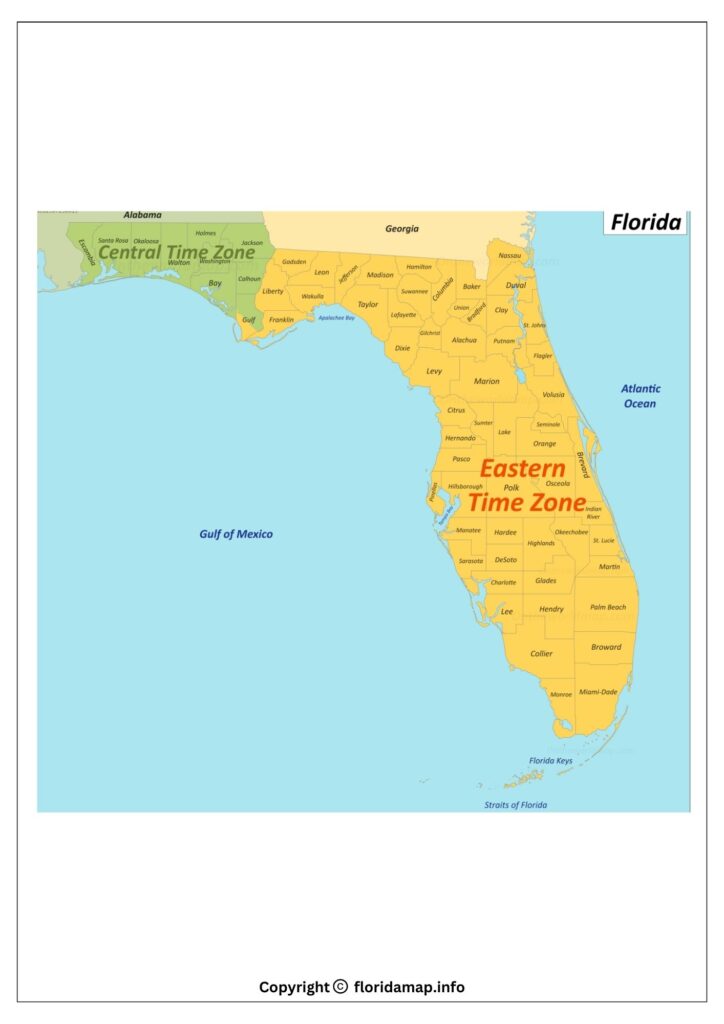
The state of Florida is unique in that it straddles two time zones, with the majority of the state, including major hubs like Miami, Orlando, and Jacksonville, observing Eastern Time. However, a significant portion of the western Florida Panhandle transitions into the Central Time Zone. This geographical quirk can sometimes lead to confusion, but it’s important to clarify that Tallahassee firmly remains within the Eastern Time Zone, making it consistent with the state’s most populous areas and its governmental operations.
Understanding the Eastern Time Zone (ET)
The Eastern Time Zone (ET) is one of the most widely populated time zones in North America, encompassing a large portion of the eastern United States and Canada. It is typically five hours behind Coordinated Universal Time (UTC-5) during its standard phase, known as Eastern Standard Time (EST), and four hours behind (UTC-4) during its daylight saving phase, known as Eastern Daylight Time (EDT).
Daylight Saving Time is observed from the second Sunday in March, when clocks “spring forward” one hour, until the first Sunday in November, when they “fall back” to standard time. This annual adjustment is designed to maximize daylight hours during the warmer months, offering residents and visitors more evening light for activities and leisure. For travelers arriving in Tallahassee, especially from different time zones, being aware of this shift is paramount. Imagine arriving expecting to have an extra hour of daylight for a planned activity, only to find the sun setting earlier than anticipated because you overlooked the change. Or, conversely, missing an important appointment because your internal clock hasn’t adjusted to the “spring forward.” This understanding helps in setting realistic expectations for daily schedules, business engagements, and recreational pursuits.
Tallahassee’s Unique Geographical Position
Tallahassee’s location as the capital city of Florida places it strategically within the Eastern Time Zone, ensuring synchronized operations with the rest of the state government and major economic centers. Despite its proximity to the Central Time Zone border, which lies just west of the city, Tallahassee remains firmly on Eastern Time. This demarcation is crucial for governmental functions, educational institutions like Florida State University (FSU) and Florida A&M University (FAMU), and the myriad businesses that thrive in the capital. For tourists, this means that most services, attractions, and public transport schedules will adhere to ET, simplifying planning. When traveling eastward within Florida, such as to Orlando for its theme parks or Miami for its beaches, there’s no time zone change to worry about. However, those venturing further west into the panhandle, perhaps towards Pensacola, will eventually encounter the shift to Central Time, a point worth noting for extended road trips.
Tallahassee as a Travel Destination: Time Zone Considerations
Tallahassee offers a rich blend of history, nature, and culture, making it a compelling destination for various types of travelers—from history buffs and nature enthusiasts to families and business professionals. Understanding the local time zone is not just a technicality; it’s a key component of effective travel planning that enhances the overall experience.
Planning Your Visit: Attractions and Activities
When exploring Tallahassee’s diverse attractions, knowing the local time is essential for optimal scheduling. Most museums, parks, and historical sites operate on strict hours, and a miscalculation can lead to missed opportunities. For instance, a visit to the iconic Florida State Capitol or the fascinating Mission San Luis de Apalachee requires checking their opening and closing times, which are always presented in Eastern Time. Similarly, a trip to the Tallahassee Museum, with its blend of nature, history, and wildlife, or a serene afternoon at Alfred B. Maclay Gardens State Park, are best enjoyed when you align your schedule with theirs.
Nature lovers will find the vast expanse of the St. Marks National Wildlife Refuge a perfect escape, but entry gates and visitor center hours are firmly set to Eastern Time. For families, the engaging exhibits at the Challenger Learning Center offer educational fun, and checking their showtimes in advance, factoring in the time zone, ensures you catch the immersive experiences. Sports enthusiasts planning to catch a game at FSU Doak Campbell Stadium must be especially vigilant, as kickoff times are rigorously set to ET, and missing even a few minutes can mean missing crucial plays.

Beyond specific attractions, Tallahassee frequently hosts festivals, concerts, and cultural events. These events are often meticulously scheduled, and being in sync with local time allows you to partake fully, from enjoying local food trucks at Cascades Park to exploring art galleries in the Railroad Square Art District.
Accommodation and Booking with Time in Mind
Booking accommodations and managing check-in/check-out times are critical aspects of travel that are directly influenced by time zones. Whether you’re reserving a room at the elegant Hotel Duval, opting for the historic charm of the Governors Inn, or choosing the modern amenities of Aloft Tallahassee Downtown, all booking confirmations and scheduled services will be based on Eastern Time. It’s common for travelers arriving from vastly different time zones, such as the Pacific Standard Time or even international locations, to experience jet lag. Factoring in the time difference when booking early morning flights or late-night arrivals can help mitigate the effects of jet lag, allowing you to settle in more comfortably.
Many hotels, including options like the Four Points by Sheraton Tallahassee Downtown or the SpringHill Suites by Marriott Tallahassee Central, offer flexible check-in options or luggage storage, which can be invaluable when your body clock is out of sync with local time. Always confirm these details in advance. When considering long-term stays, particularly for business travelers or those visiting Tallahassee’s universities, understanding the consistent time zone helps in establishing a routine quickly, ensuring productivity and seamless integration into the local schedule.
The Impact of Time Zones on Tallahassee’s Lifestyle and Tourism
The rhythm of any city is often dictated by its time zone, and Tallahassee is no exception. From dining habits to educational schedules, Eastern Time shapes the daily life and visitor experience in the capital city.
Culinary Experiences and Local Culture
Tallahassee’s vibrant culinary scene, ranging from casual eateries to upscale dining, operates strictly within the Eastern Time Zone. Breakfasts typically start around 7:00 AM, lunch rush hits around noon, and dinner service often begins around 5:00 PM or 6:00 PM, extending into the late evening. Happy hours, a popular feature in many local establishments, are announced and adhered to in ET, so knowing the precise time is key to enjoying special offers. Local farmers’ markets, like those near Goodwood Museum & Gardens, open their stalls early in the morning, and cultural events, live music performances, and theater productions all follow a tightly synchronized Eastern Time schedule. Immersing yourself in the local culture means aligning with this temporal rhythm, ensuring you don’t miss out on authentic Tallahassee experiences, whether it’s a Sunday brunch or an evening stroll through Lake Jackson Mounds Archaeological State Park.
Business and Education: A City on Eastern Time
As the capital city, Tallahassee is a hub for government, education, and various businesses. All state legislative sessions, court proceedings, and government office hours operate on Eastern Time. For business travelers, this consistency is vital for scheduling meetings, conferences, and appointments with local officials or corporate partners. The financial sector and legal firms in Tallahassee are also aligned with ET, facilitating communication and transactions with the broader East Coast economy.
The city is also home to major educational institutions, Florida State University (FSU) and Florida A&M University (FAMU), which contribute significantly to the city’s dynamic environment. Academic calendars, class schedules, and university events are all meticulously planned according to Eastern Time. For prospective students, visiting scholars, or parents attending graduation ceremonies, being mindful of the time zone is crucial for smooth logistics and attendance. Even for long-term stays or relocating families, understanding this consistent time framework simplifies the process of integrating into school systems and local community life.
Practical Tips for Travelers to Tallahassee
A successful trip often boils down to thoughtful preparation. For visitors to Tallahassee, a few simple tips related to its Eastern Time Zone can make a significant difference.
- Synchronize Your Devices: Upon arrival, ensure all your electronic devices—smartphones, tablets, and smartwatches—automatically update to the correct Eastern Time. Most modern devices do this automatically, but a quick check can prevent unnecessary confusion.
- Communicate Effectively: When communicating with friends, family, or business contacts in different time zones, always specify the time zone (e.g., “7:00 PM ET”) to avoid misunderstandings. This is particularly important for international calls or virtual meetings.
- Plan Ahead for Appointments and Bookings: Whether it’s a restaurant reservation, a tour booking, or a flight departure, double-check all times against Eastern Time. Allow extra buffer time if you’re prone to jet lag or if your travel involves crossing multiple time zones before reaching Tallahassee.
- Understand Daylight Saving Time: Be aware of the “spring forward” and “fall back” dates for Daylight Saving Time. These changes can affect sleep patterns and disrupt schedules if not anticipated.
- Emergency Services are Local Time: All emergency services (police, fire, ambulance) operate on local time. In a crisis, there’s no need to factor in time zones; simply dial 911, and help will respond according to local Eastern Time.
- Embrace the Florida Pace: While Eastern Time keeps things synchronized, Tallahassee, like much of Florida, maintains a relaxed, Southern pace. Don’t let the clock dictate every moment; allow yourself to slow down and enjoy the unique charm and hospitality of the city, from the historic downtown streets to the natural beauty of the surrounding landscapes.
In conclusion, Tallahassee, Florida, confidently operates within the Eastern Time Zone, observing both Eastern Standard Time (EST) and Eastern Daylight Time (EDT) throughout the year. For any traveler, resident, or business professional, a clear understanding of this time zone is not merely a detail but a foundational element for navigating the city’s offerings. By keeping the Eastern Time Zone in mind, you can seamlessly plan your adventures, manage your schedule, and fully embrace all that this beautiful and historic capital city has to offer, from its vibrant attractions and rich culture to its welcoming community.
LifeOutOfTheBox is a participant in the Amazon Services LLC Associates Program, an affiliate advertising program designed to provide a means for sites to earn advertising fees by advertising and linking to Amazon.com. Amazon, the Amazon logo, AmazonSupply, and the AmazonSupply logo are trademarks of Amazon.com, Inc. or its affiliates. As an Amazon Associate we earn affiliate commissions from qualifying purchases.