
Florida, the beloved Sunshine State, beckons millions of travelers each year with its pristine beaches, vibrant cities, and world-class attractions. From the magical theme parks of Orlando to the Art Deco charm of Miami Beach and the historic streets of St. Augustine, there’s an endless array of experiences awaiting every visitor. However, a common question that often arises, especially for those planning a multi-stop itinerary or conducting business across the state, is: “What timezone is Florida in?” The answer, surprisingly to some, isn’t a single one.
Like a few other expansive states in the United States, Florida spans two distinct time zones: the Eastern Time Zone (ET) and the Central Time Zone (CT). This geographical split, while generally intuitive, can occasionally lead to confusion for travelers unaware of the precise boundaries, impacting everything from flight connections and hotel check-ins to tour schedules and dinner reservations. Understanding these time zones is not just a matter of trivial knowledge; it’s a crucial aspect of seamless travel planning and an integral part of experiencing the diverse rhythm of the state.
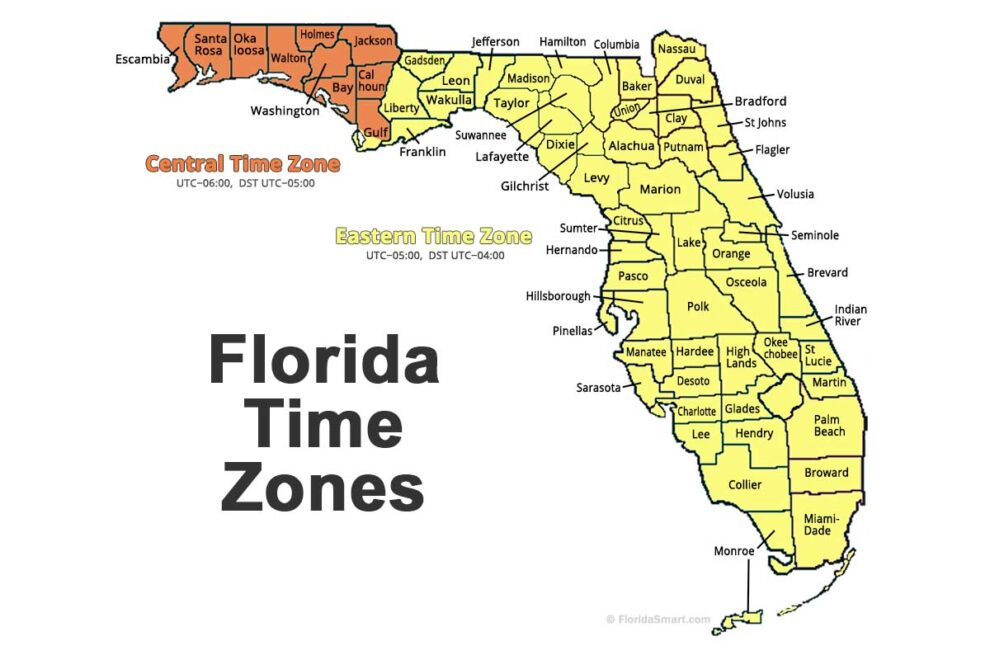
This guide will delve into the specifics of Florida’s time zones, highlight the major regions and cities within each, discuss the implications of Daylight Saving Time, and provide essential tips for navigating the time differences to ensure your Florida adventure is as smooth and enjoyable as possible. Whether you’re booking a luxury suite in South Florida, planning a family trip to a Walt Disney World Resort hotel, or exploring the natural beauty of the Florida Panhandle, knowing the correct time zone is your first step towards impeccable organization.
The Eastern Time Zone: Florida’s Dominant Clock
The vast majority of Florida, including its most populated cities and popular tourist destinations, operates on Eastern Time. This means that for most visitors, especially those flying into major international hubs like Miami International Airport (MIA) or Orlando International Airport (MCO), their journey will begin and largely remain within ET. During Daylight Saving Time, this switches to Eastern Daylight Time (EDT), which is UTC-4, while standard time is Eastern Standard Time (EST), UTC-5.
This time zone encompasses the bustling metropolitan areas, the sun-drenched coastal resorts, and the family-friendly theme park capitals that have made Florida a global travel icon. When planning your accommodations, from boutique hotels in South Beach to sprawling family resorts near International Drive, all check-in times, amenity schedules, and activity bookings will adhere to the Eastern Time Zone.
Regions and Major Cities in EST
The Eastern Time Zone covers virtually the entire Florida peninsula, extending from the state’s northern border down through the Florida Keys. This includes:
- South Florida: Home to vibrant cities like Miami, Fort Lauderdale, and Palm Beach. This region is a hub for luxury travel, high-end shopping, exquisite dining, and lively nightlife. Travelers here will find an abundance of resorts, hotels, and vacation rentals, all operating on EST/EDT. Whether you’re catching a cruise from PortMiami or relaxing on the shores of Hollywood Beach, you’ll be on Eastern Time.
- Central Florida: The heart of Florida’s theme park industry, centered around Orlando. This includes world-famous destinations such as Walt Disney World Resort, Universal Orlando Resort, and SeaWorld Orlando. Other notable cities like Kissimmee and Lakeland also fall within this zone. For family trips and those seeking comprehensive travel guides for attractions, being mindful of the correct time is paramount for park opening hours, showtimes, and booking fast passes.
- Tampa Bay Area: On the Gulf Coast, major cities like Tampa, St. Petersburg, and Clearwater operate on Eastern Time. This region offers beautiful beaches, cultural attractions like the Dalí Museum, and family fun at Busch Gardens Tampa Bay.
- Northeast Florida: Including the major city of Jacksonville and the historic city of St. Augustine, this region also observes Eastern Time. Jacksonville is a significant commercial hub, while St. Augustine provides a journey through centuries of Florida history, with landmarks like the Castillo de San Marcos.
- Southwest Florida: Cities such as Fort Myers, Naples, and Sarasota, known for their stunning beaches and upscale lifestyle, are all in the Eastern Time Zone. This area is particularly popular for snowbirds and those seeking luxurious villas and private resort experiences.
- The Florida Keys: Stretching southwest from the tip of the Florida peninsula, this iconic archipelago, including destinations like Key Largo, Marathon, and Key West, also observes Eastern Time. Planning a fishing charter or sunset cruise from Key West will be on EST/EDT.
For those flying into Florida, particularly into Orlando International Airport, Miami International Airport, or Tampa International Airport, it’s highly likely you’ll be landing in the Eastern Time Zone. This consistency simplifies travel arrangements for the majority of visitors, but careful attention is still advised, especially when connecting flights or making cross-country calls.
Venturing West: Florida’s Central Time Zone
While the Eastern Time Zone dominates the state, a significant portion of Florida’s westernmost region, specifically the majority of the Florida Panhandle, observes Central Time (CT). This area is one hour behind Eastern Time, meaning that if it’s 3:00 PM in Miami, it’s 2:00 PM in Pensacola. During Daylight Saving Time, this becomes Central Daylight Time (CDT), UTC-5, while standard time is Central Standard Time (CST), UTC-6.
The Panhandle is famous for its “Emerald Coast” beaches, white sugar sands, and a more relaxed, Southern charm. Destinations like Destin, Panama City Beach, and Pensacola offer a distinct Florida experience, often appealing to those looking for a quieter getaway or a budget-friendly family vacation.
The Panhandle’s Distinct Time
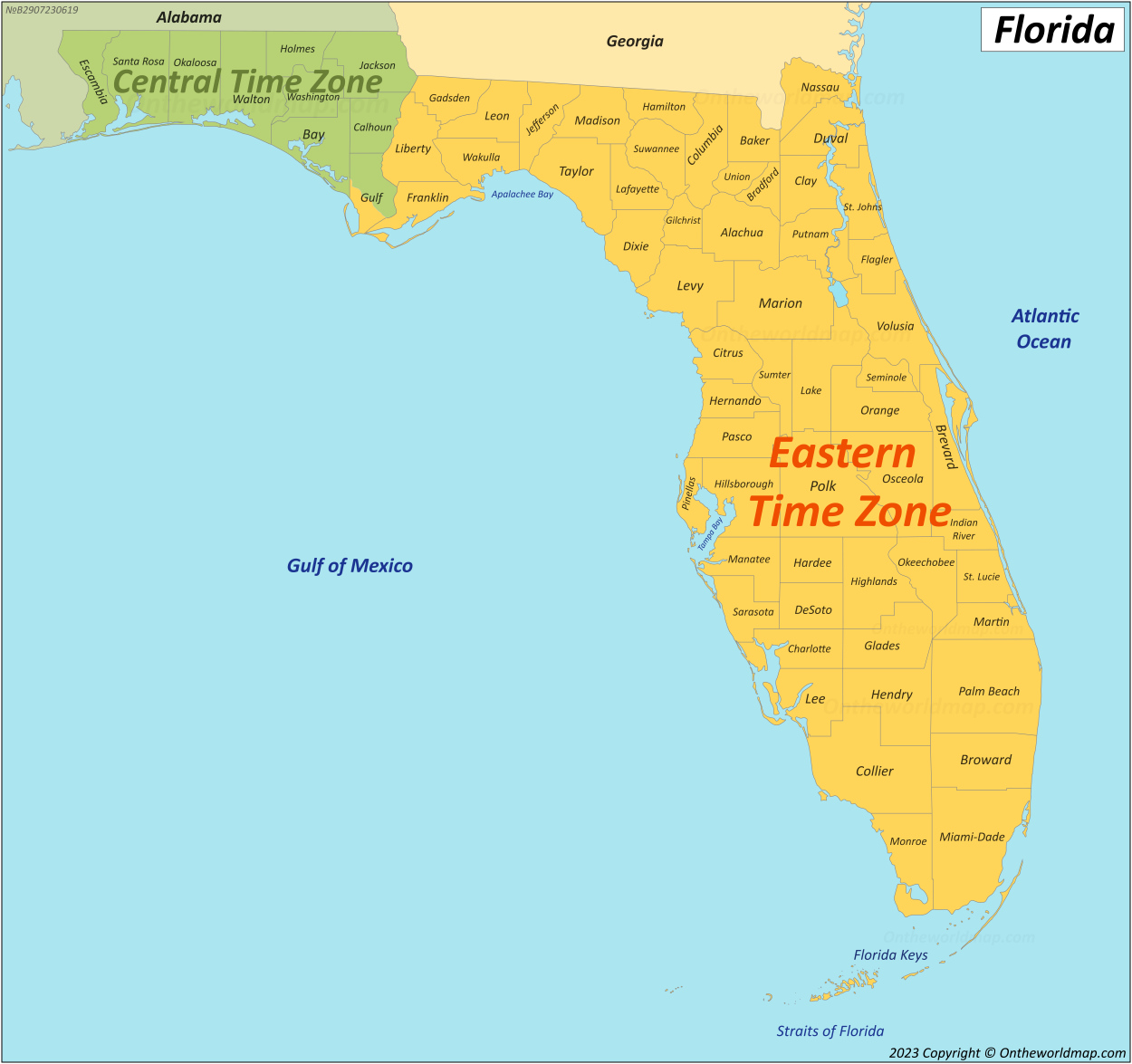
The counties that fall entirely or partially within the Central Time Zone include:
- Escambia County: Home to Pensacola, a city rich in history with beautiful Gulf Coast access and the famous Naval Air Station Pensacola.
- Santa Rosa County: Including communities like Navarre Beach, known for its serene shores.
- Okaloosa County: Encompassing popular tourist towns like Destin and Fort Walton Beach, famous for fishing, water sports, and vibrant resorts.
- Walton County: With upscale communities like Seaside and Rosemary Beach along Scenic Highway 30A.
- Bay County: Home to the bustling Panama City Beach, a hub for spring break and family vacations.
The state capital, Tallahassee, located in Leon County, is one of the few cities in the Panhandle that observes Eastern Time, serving as a crucial point of transition.
Navigating the Time Zone Border

The exact boundary between the two time zones can be a point of confusion. Generally, the line follows the Apalachicola River in the Panhandle. However, it’s not a perfectly straight or simple line.
- Gulf County: Most of Gulf County, including Port St. Joe, is in the Eastern Time Zone. However, the westernmost portion of Gulf County, west of the Apalachicola River and including the community of Beacon Hill, falls into the Central Time Zone.
- Franklin County: The entirety of Franklin County, including the charming fishing town of Apalachicola and St. George Island, is in the Eastern Time Zone. This means towns just across the river, like Port St. Joe, share the same time, despite being geographically close to the Central Time boundary.
Travelers making a road trip across the Panhandle or moving between Tallahassee and cities like Panama City Beach will cross this invisible but impactful time zone line. Always be sure to confirm the local time for any bookings, appointments, or activities when traveling in these border areas to avoid missing out on a delicious meal or a planned tour.
Daylight Saving Time in the Sunshine State
Like the vast majority of the United States, Florida observes Daylight Saving Time. This means that on the second Sunday in March, clocks “spring forward” one hour, and on the first Sunday in November, they “fall back” one hour. During this period, Eastern Standard Time (EST) becomes Eastern Daylight Time (EDT), and Central Standard Time (CST) becomes Central Daylight Time (CDT).
The observance of Daylight Saving Time essentially shifts the UTC offsets:
- EST: UTC-5 → EDT: UTC-4
- CST: UTC-6 → CDT: UTC-5
For travelers, this means that while the one-hour difference between the two Florida time zones remains constant, the absolute time reference (UTC offset) changes. Most modern smartphones and digital devices automatically adjust to Daylight Saving Time, but it’s always wise to double-check, especially if you rely on analog clocks or are traveling during the transition weekends.
It’s also worth noting that Florida has periodically debated making Daylight Saving Time permanent. In 2018, the Florida Legislature passed the “Sunshine Protection Act,” which would keep the state on Daylight Saving Time year-round. This bill requires approval from the U.S. Congress to take effect, and as of now, it has not passed at the federal level. So, for the foreseeable future, Florida will continue to observe the biannual clock changes. This legislative background highlights the state’s desire for longer daylight hours, particularly appealing to tourists who enjoy extended evenings at attractions, outdoor dining, and leisurely beach walks.
Practical Tips for Travelers in Florida’s Time Zones
Understanding Florida’s time zones is vital for planning a smooth and stress-free trip, whether you’re embarking on a luxurious multi-city tour or a budget-friendly family adventure. Careful consideration of time differences can prevent missed flights, late check-ins, or confusion over booked activities.
Planning Your Multi-Zone Itinerary
For travelers whose itineraries span both Eastern and Central Time Zones within Florida, meticulous planning is key:
- Flight and Transportation Schedules: Always confirm departure and arrival times for flights, buses, or trains in the local time of each location. A flight from Pensacola International Airport (PNS) to Miami International Airport (MIA) will involve a time change that needs to be factored into your journey. This is particularly crucial for connecting flights or if you have tight schedules upon arrival.
- Hotel Check-in/Check-out: While most hotels, resorts, and vacation rentals clearly state their check-in and check-out times, it’s wise to double-check if you’re arriving from or departing to a different time zone. For instance, a 3:00 PM check-in at a Panama City Beach resort (CT) would feel like 4:00 PM to someone arriving from Orlando (ET). Booking and comparison websites will typically display times in the local zone, but verify directly with the accommodation if unsure, especially for smaller inns or apartments.
- Restaurant Reservations and Tour Bookings: Ensure all your reservations for dining, guided tours, attractions like Kennedy Space Center Visitor Complex, or even spa treatments are confirmed in the local time zone of the activity. Missing a premium dining reservation at a Michelin-starred restaurant in Miami or a dolphin-watching tour in Destin due to a time zone mix-up would be a disappointment.
- Mobile Devices and Smartwatches: Modern smartphones and smartwatches are generally excellent at automatically adjusting to local time zones. Ensure your device’s “automatic time zone” setting is enabled. However, it’s still good practice to manually verify the time upon crossing a time zone boundary, particularly in border areas where signals might be inconsistent.
- Communication: When coordinating with friends, family, or business contacts across different parts of Florida, always clarify the time zone to avoid misunderstandings. For instance, “Let’s meet at 10 AM EST” or “10 AM CT” leaves no room for error.
Impact on Accommodation and Lifestyle
The time zone can subtly influence your accommodation experience and overall lifestyle during your stay in Florida.
- Hotel Amenities: Amenities like complimentary breakfast hours, pool opening/closing times, and scheduled resort activities are always based on the hotel’s local time. If you’ve just crossed into a new time zone, your internal clock might be off. For example, a 7:00 AM breakfast in Pensacola (CT) might feel like 8:00 AM if you recently arrived from Orlando (ET), potentially leading you to miss it.
- Long-Term Stays and Business Travel: For those on extended stays, such as renting a villa for a month or conducting business trips across multiple regions, adapting to the local rhythm becomes more important. Business calls, conference schedules, and daily routines will be dictated by the specific time zone you are in. It’s an aspect of local culture that even long-term residents and digital nomads learn to navigate.
- Family Travel: Managing children’s sleep schedules and meal times can be particularly challenging when crossing time zones. Preparing your family for the change, even if it’s just one hour, can help minimize disruptions to their routine and ensure a smoother trip. Many family-friendly resorts offer amenities and activities that cater to various schedules, but knowing the local time helps you plan around these.
Embracing the Local Pace
Beyond the practicalities, the time zone difference also contributes to the distinct lifestyle and atmosphere you’ll encounter across Florida. The Eastern Time Zone areas, with their dense populations and major economic centers, often operate at a faster pace, reflecting the hustle and bustle of cities like Miami and Orlando. In contrast, the Central Time Zone in the Panhandle tends to have a more laid-back, leisurely feel, aligning with its reputation for relaxed beach vacations and Southern hospitality.
Embracing these subtle differences allows you to fully immerse yourself in the unique character of each Florida region. Whether you’re enjoying a vibrant sunset celebration in Key West (ET) or a tranquil morning walk on the sands of Destin (CT), knowing the local time helps you synchronize with the rhythm of your chosen destination.
In conclusion, while the answer to “What timezone is Florida in?” is “both Eastern and Central,” the crucial takeaway for any traveler is to be aware of the specific zone for your destination. A little foresight and attention to detail when planning your travel, accommodation, and activities will ensure your journey through the Sunshine State is seamless, allowing you to focus entirely on creating unforgettable memories. Happy travels!
LifeOutOfTheBox is a participant in the Amazon Services LLC Associates Program, an affiliate advertising program designed to provide a means for sites to earn advertising fees by advertising and linking to Amazon.com. Amazon, the Amazon logo, AmazonSupply, and the AmazonSupply logo are trademarks of Amazon.com, Inc. or its affiliates. As an Amazon Associate we earn affiliate commissions from qualifying purchases.