
Navigating Florida’s hurricane preparedness can feel like deciphering a complex code, especially when the term “zone” comes into play. For travelers, residents, and property owners alike, understanding these hurricane zones is not just a matter of curiosity; it’s a critical element of safety planning. This guide aims to demystify Florida’s hurricane zoning system, offering clarity and actionable insights for anyone visiting or residing in the Sunshine State. The state utilizes a zoning system primarily for evacuation purposes, managed by the Florida Division of Emergency Management. These zones are not static designations of risk but rather dynamic areas designated for phased evacuations in the event of a hurricane threat.

Understanding Florida’s Hurricane Evacuation Zones
Florida’s approach to hurricane preparedness is deeply rooted in its geographical vulnerability. The state’s extensive coastline makes it a prime target for tropical cyclones. To manage the potential chaos of a large-scale evacuation, the Florida Division of Emergency Management works in conjunction with local emergency management agencies to establish evacuation zones. These zones are defined based on a variety of factors, including predicted storm surge, wind speeds, and historical storm impacts. The primary goal is to ensure that residents and visitors in the most vulnerable areas are able to evacuate safely and efficiently before a storm makes landfall.
The Purpose and Designation of Evacuation Zones
Hurricane evacuation zones in Florida are specifically designed to facilitate ordered evacuations. When a hurricane is forecast to impact the state, local authorities will issue evacuation orders based on these zones. The zones are generally categorized from A to D, with Zone A being the most vulnerable to storm surge and therefore the first to be ordered to evacuate. Zone B follows, then Zone C, and so forth. The specific number and labeling of zones can vary slightly by county, as local emergency managers have the discretion to refine these designations based on their specific geographic characteristics and infrastructure. The determination of these zones is a scientific process, often utilizing sophisticated modeling to predict the potential impact of storm surge. This surge is the abnormal rise of water generated by a storm, over and above the predicted astronomical tide, and is often the most dangerous aspect of a hurricane.
How Zones are Determined: Storm Surge and Vulnerability
The core principle behind Florida’s hurricane evacuation zones is vulnerability to storm surge. Factors such as elevation, proximity to the coast, and the presence of natural barriers like dunes and mangroves all play a role in determining how susceptible an area is to rising waters. Lower-lying coastal areas, barrier islands, and areas adjacent to bays and inlets are typically designated as higher-risk zones (e.g., Zone A). Inland areas, particularly those at higher elevations and further from the immediate coast, are generally considered lower-risk. It’s crucial to understand that these zones are primarily concerned with storm surge, not necessarily wind. Even if an inland area is not in an evacuation zone for surge, it can still experience significant damage from hurricane-force winds. Therefore, preparedness measures extend beyond just evacuation zone status.
Identifying Your Specific Hurricane Zone in Florida
Locating your precise hurricane evacuation zone in Florida is a straightforward process, thanks to readily available online resources. It’s essential for every individual who lives, works, or plans to travel to Florida to be aware of their zone. This knowledge empowers you to act decisively when an evacuation order is issued, minimizing risk and confusion during a stressful event. The primary tools for identifying your zone are provided by the state and individual counties.
Online Resources for Zone Verification

The most efficient way to determine your hurricane evacuation zone is through online tools. The Florida Division of Emergency Management provides a comprehensive hurricane evacuation zone map that allows users to enter their address and instantly see their designated zone. Many individual county emergency management websites also offer similar lookup tools, often with more localized information. These resources are typically updated regularly to reflect any changes in zoning designations. For example, if you are planning a trip to Miami, you can visit the Miami-Dade County Emergency Management website to find their specific zone map. Similarly, if you are visiting the theme parks in Orlando, while less likely to be in a coastal surge zone, it’s still prudent to check the local county’s resources, as inland flooding can also be a significant concern.
Mobile Apps and Local Emergency Management Agencies
In addition to web-based maps, many emergency management agencies offer mobile applications that provide real-time alerts, evacuation zone information, and safety tips. Downloading your local county’s official emergency management app can be a valuable asset for staying informed. Furthermore, if you are unable to access online resources, you can always contact your local county’s emergency management agency directly. They are equipped to provide you with accurate information regarding your specific hurricane evacuation zone and any relevant preparedness guidelines. Keeping this contact information handy for your primary residence or vacation destination is a wise precaution.
Beyond the Zone: Comprehensive Hurricane Preparedness for Travelers and Residents
While knowing your hurricane evacuation zone is a critical first step, comprehensive preparedness extends far beyond this designation. Whether you are a long-term resident of Florida or a visitor enjoying its sunny shores, taking proactive measures can significantly enhance your safety and peace of mind during hurricane season, which officially runs from June 1 to November 30 each year. Understanding that the zones are primarily for storm surge evacuation is key, as wind damage and inland flooding can pose risks even outside these areas.
Creating a Disaster Preparedness Kit
A well-stocked disaster preparedness kit is fundamental. This kit should contain essentials to sustain you and your household for at least 72 hours. Key items include non-perishable food, water (one gallon per person per day), a manual can opener, a first-aid kit, medications, a flashlight with extra batteries, a battery-powered or hand-crank radio, sanitation and personal hygiene items, a multi-tool, and copies of important documents. For travelers, a smaller, portable version of this kit, focusing on essentials like water, snacks, a first-aid kit, and a portable charger for electronics, can be invaluable if caught in an unexpected evacuation order. Consider the specific needs of children, elderly individuals, or pets when assembling your kit.
Developing an Evacuation Plan
Having a clearly defined evacuation plan is crucial, especially for those in designated evacuation zones. This plan should include primary and secondary evacuation routes, as well as a designated meeting point if family members become separated. Identify potential accommodations outside of evacuation zones, such as hotels in higher ground areas or with family and friends further inland. If you are a tourist in a hotel, inquire about the hotel’s hurricane policy and emergency procedures. Many hotels, especially resorts like the Disney’s Polynesian Village Resort or the Ritz-Carlton Naples, have established protocols for guest safety during severe weather. It’s also wise to have a plan for pets, as not all shelters accept animals. Researching pet-friendly accommodations or shelters in advance can save critical time. Remember to secure your home or vacation rental by boarding up windows and doors, and consider bringing in any outdoor furniture or decorations that could become projectiles in high winds.
Staying Informed and Following Official Guidance
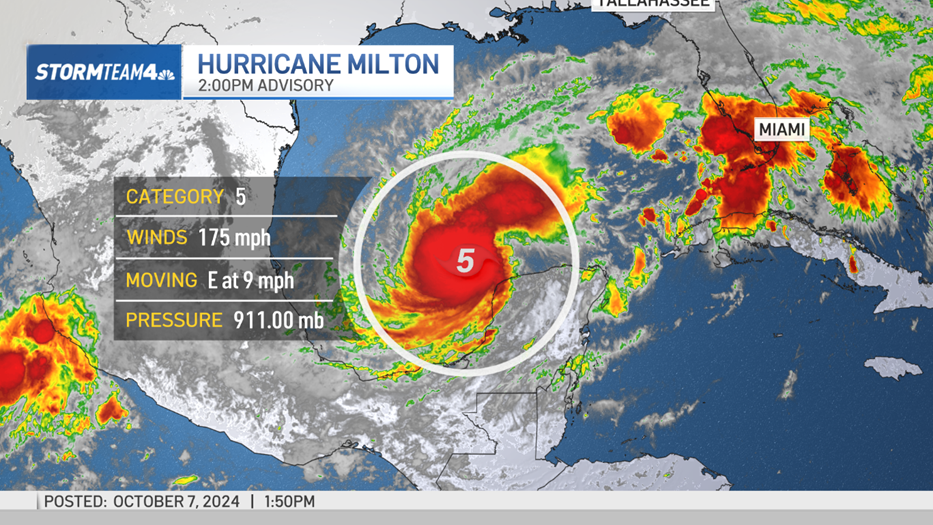
During a hurricane threat, staying informed through reliable sources is paramount. Monitor local news, radio broadcasts, and official social media accounts of emergency management agencies. The National Hurricane Center provides comprehensive tropical weather outlooks and advisories. It is imperative to heed all evacuation orders issued by local authorities. These orders are based on the best available data and are designed to protect lives. Do not wait for official evacuation orders if you feel unsafe or are in a particularly vulnerable location, especially if you are in a mobile home or an area known for flash flooding. Understanding your zone is the first step; acting upon that knowledge by having a plan and staying informed is what truly ensures safety during hurricane season in Florida.
LifeOutOfTheBox is a participant in the Amazon Services LLC Associates Program, an affiliate advertising program designed to provide a means for sites to earn advertising fees by advertising and linking to Amazon.com. Amazon, the Amazon logo, AmazonSupply, and the AmazonSupply logo are trademarks of Amazon.com, Inc. or its affiliates. As an Amazon Associate we earn affiliate commissions from qualifying purchases.