
Florida, renowned globally as a premier travel destination, a land of endless sunshine, pristine beaches, and world-class attractions, also operates under a specific economic framework that underpins its thriving tourism industry: the minimum wage. For both residents working in the hospitality sector and visitors planning their budget travel or considering extended stays, understanding the minimum wage in the State of Florida is crucial. It’s not just a number; it’s a vital component affecting everything from the cost of your vacation to the daily lives and livelihoods of the dedicated individuals who make your Florida experiences unforgettable. This article delves into the current minimum wage, its historical trajectory, future projections, and its profound impact on the state’s vibrant tourism, accommodation, and lifestyle sectors.
Florida’s Evolving Minimum Wage: A Historical Perspective and Future Outlook
The minimum wage in Florida has been on a significant upward trajectory, largely driven by voter-approved initiatives aimed at ensuring a more livable wage for its workforce. This progressive approach impacts hundreds of thousands of employees, particularly those in the service industries that form the backbone of Florida’s economy.
The Current Rate and Its Origins
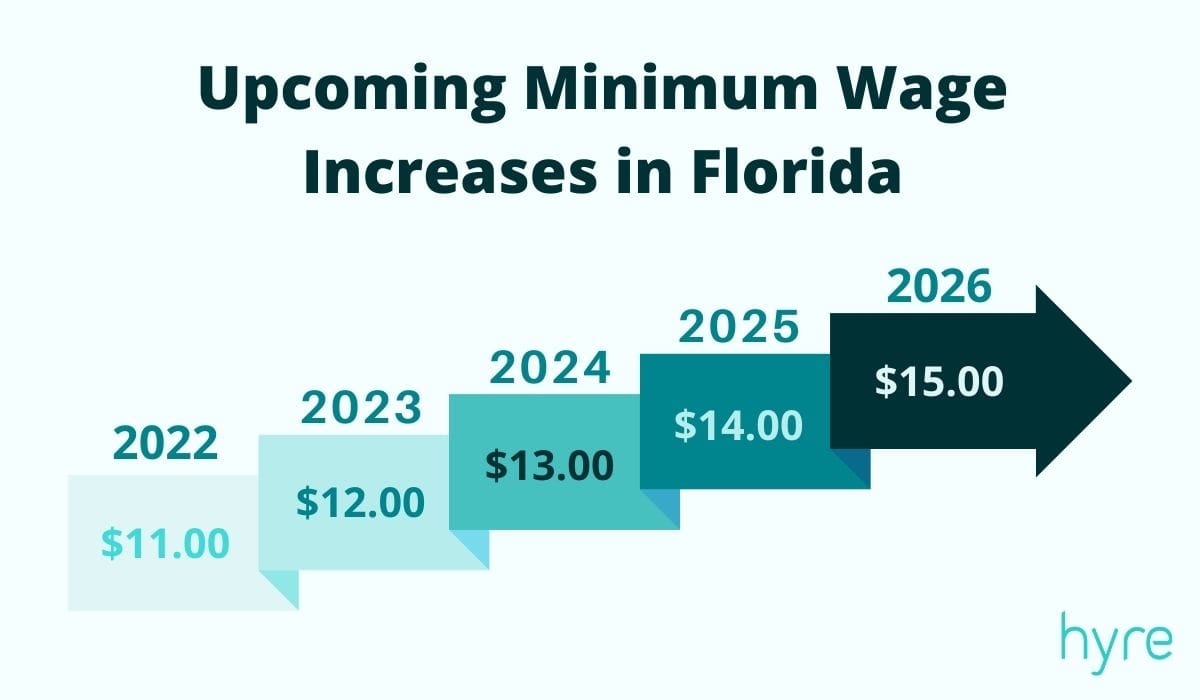
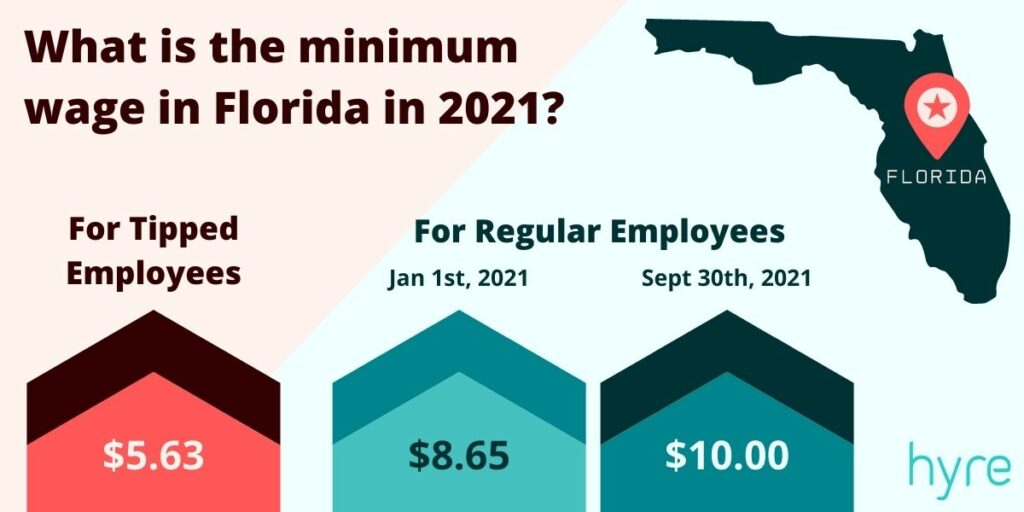
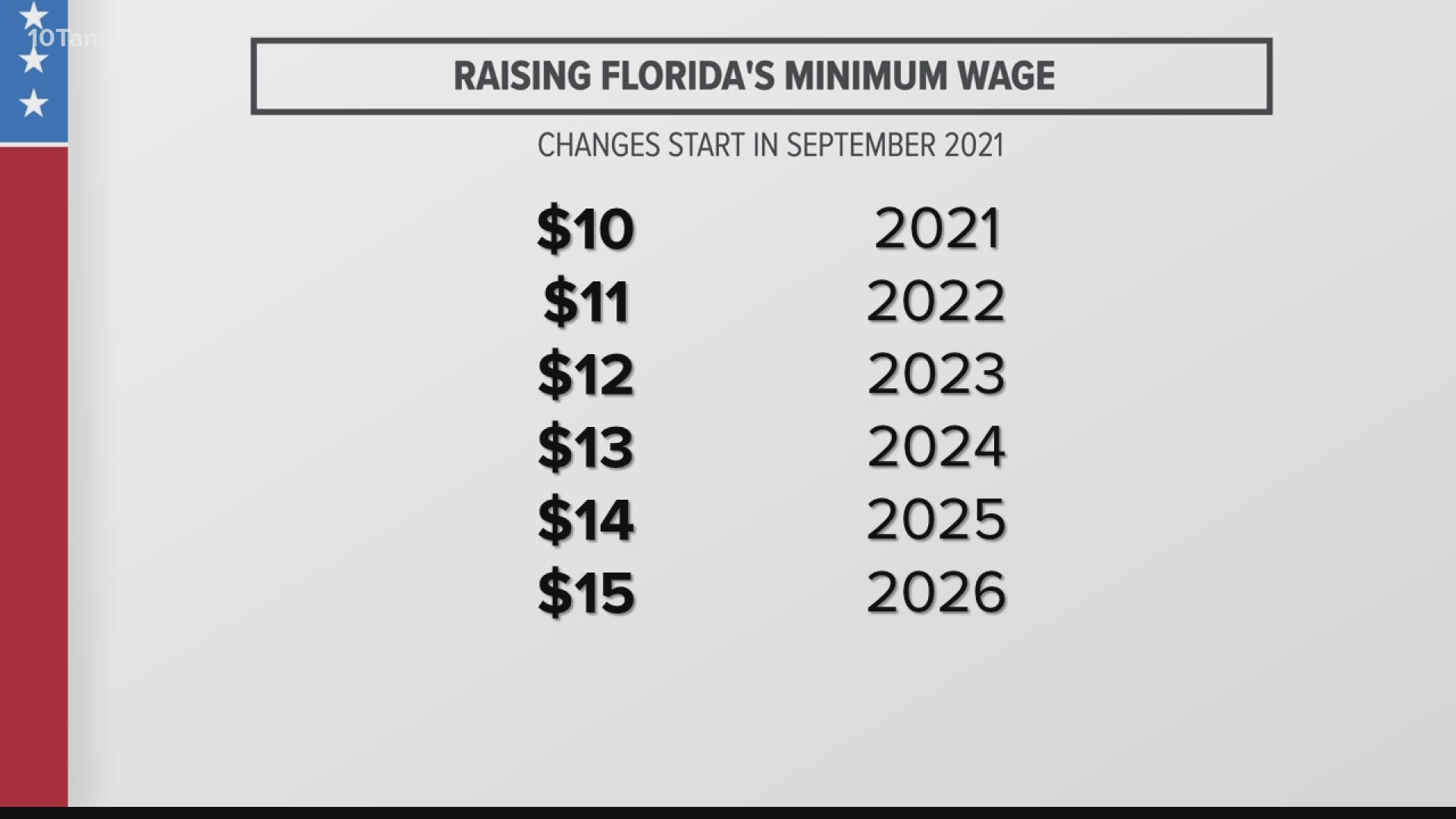
As of September 30, 2023, the minimum wage in the State of Florida stands at $12.00 per hour. For tipped employees, the minimum cash wage is $7.98 per hour, as employers can take a tip credit of up to $4.02 per hour. This current rate is a direct result of Amendment 2, passed by Florida voters in November 2020. This amendment established a schedule for gradually increasing the minimum wage to $15.00 per hour by 2026. Prior to Amendment 2, Florida’s minimum wage was subject to annual adjustments based on the Consumer Price Index, typically resulting in smaller, incremental increases. The passage of Amendment 2 marked a decisive shift towards a more aggressive timeline for wage growth, reflecting a broader national conversation about wage fairness and economic stability.
Scheduled Annual Increases
The journey to $15.00 an hour is a staggered one, designed to allow businesses time to adapt to rising labor costs. Following the September 30, 2023 increase to $12.00, the schedule continues as follows:
- September 30, 2024: The minimum wage will rise to $13.00 per hour.
- September 30, 2025: It will further increase to $14.00 per hour.
- September 30, 2026: The minimum wage will reach $15.00 per hour.
After reaching $15.00 per hour in 2026, the minimum wage will again be subject to annual adjustments based on the Consumer Price Index, ensuring it continues to keep pace with inflation. This predictable progression is vital for both employees, who can plan their financial futures with greater certainty, and employers, who can better forecast labor expenses. The rising wage also brings into sharper focus the cost of living in popular Florida destinations, where even a $15.00 hourly wage can be stretched thin amidst high housing and daily expenses, particularly in bustling metropolitan and coastal areas.
The Economic Ripple: Minimum Wage and Florida’s Tourism Ecosystem
The minimum wage isn’t an isolated economic factor; it sends ripples throughout the entire Florida economy, most notably within its colossal tourism industry. From the frontline staff at Walt Disney World Resort to the housekeepers in boutique Miami Beach hotels, these wage adjustments have multifaceted implications.
Impact on Hospitality Workers and Lifestyle
For the hundreds of thousands of individuals employed in Florida’s hotels, resorts, restaurants, attractions, and service industries, the minimum wage is foundational to their quality of life. An increased minimum wage means greater purchasing power, potentially improving their ability to afford basic necessities, enhance their living conditions, and even participate in the very tourism they help create.
- Accommodation and Daily Expenses: In major tourist hubs like Orlando and Miami, the cost of living, particularly housing, can be substantial. A higher minimum wage can help workers bridge the gap between their earnings and the high rents or property costs, reducing financial stress and potentially increasing employee retention in a sector notorious for turnover. This directly influences their ability to afford decent housing, access transportation, and cover daily expenses like groceries and utilities. For many, it’s the difference between merely surviving and having enough disposable income to enjoy local culture, perhaps even a staycation in a nearby Florida city.
- Work-Life Balance and Well-being: A more competitive wage can also lead to better work-life balance. When employees aren’t constantly worried about making ends meet, they are often more engaged, productive, and less susceptible to burnout. This positive impact on worker well-being indirectly enhances the visitor experience, as happier, less stressed employees are more likely to provide excellent customer service. This is particularly crucial in the hospitality sector where guest interaction is paramount.
Business Implications for Hotels, Attractions, and Restaurants
While beneficial for workers, a rising minimum wage presents significant operational challenges and opportunities for businesses across the tourism landscape. Hotels, attractions, and restaurants must adapt their financial models and operational strategies.
- Labor Costs and Pricing: The most immediate impact is on labor costs. Businesses, especially small and medium-sized enterprises (SMEs), must allocate more budget to wages. This increased overhead can lead to various responses:
- Price Adjustments: Many businesses may opt to pass on some of these increased costs to consumers through slightly higher prices for hotel rooms, restaurant meals, attraction tickets, or tour packages. For travelers, this means anticipating potentially higher costs for certain aspects of their trip, particularly dining and local activities. However, it’s often a small percentage increase spread across many services.
- Efficiency and Automation: Some businesses may invest in automation or technology to improve efficiency and reduce the reliance on manual labor for certain tasks. This could range from self-check-in kiosks at hotels to automated ordering systems in restaurants.
- Menu and Service Adjustments: Restaurants might streamline menus, optimize kitchen operations, or adjust service models to maintain profitability.
- Talent Attraction and Retention: On the positive side, a higher minimum wage can make jobs in the hospitality sector more attractive. This can help businesses recruit higher-quality candidates and reduce turnover, ultimately leading to a more skilled and stable workforce. Reduced recruitment and training costs can partially offset the increased wage expenses. It also allows Florida’s resorts and attractions to compete more effectively for talent against other industries.
- Competitive Landscape: Businesses that offer wages above the minimum may find themselves in a better position to attract and retain staff, further solidifying their brand reputation as desirable employers. This dynamic can foster a competitive environment where businesses strive to offer better compensation and benefits to secure the best talent.
Travel Budgeting: What it Means for Visitors
For travelers planning a trip to Florida, understanding the minimum wage indirectly helps in budgeting. While the changes are generally gradual, they contribute to the overall economic landscape that determines travel costs.
- Dining and Experiences: While not dramatic, visitors might notice slight increases in the cost of dining out, particularly at establishments that rely heavily on minimum wage staff. Similarly, some local tours, guided experiences, or boutique services might see minor price adjustments. However, the value proposition of Florida’s diverse offerings often remains highly competitive.
- Accommodation Costs: The cost of labor is a significant component of hotel operating expenses. Therefore, rising wages could incrementally affect hotel room rates. However, factors like seasonality, demand, and competition usually have a far greater impact on room pricing. Travelers seeking budget travel options will still find a plethora of choices, from economical motels and apartments to various long-term stay solutions, particularly outside of peak seasons.
- Tipping Culture: With an increasing minimum wage, some visitors might wonder about the evolving tipping culture. While the minimum wage for tipped employees also increases, tipping remains an essential way to acknowledge excellent service in the United States, especially in industries like food service and personal care where tips form a significant portion of income.
Minimum Wage Across Florida’s Diverse Destinations
Florida’s vast and varied geography means that the impact of the minimum wage is felt differently across its distinct tourism regions. From the bustling theme park capital to tranquil coastal escapes, each area presents a unique economic tableau.
Major Tourist Hubs: Orlando and Miami
These two metropolitan giants represent the pinnacle of Florida’s tourism industry, and thus, where the minimum wage has the most profound and visible effects.
- Orlando: As home to Walt Disney World Resort, Universal Orlando Resort, and numerous other theme parks, Orlando is a city built on tourism. The vast majority of its workforce is employed in hospitality, retail, and entertainment. The higher minimum wage directly benefits thousands of cast members, ride operators, restaurant staff, and hotel employees. While the larger resorts often offer wages above the state minimum to attract talent, the rising floor pushes overall compensation upwards. This helps workers manage the rising cost of living in Central Florida, which has experienced rapid growth and increasing housing costs. For visitors, the comprehensive Orlando experience, from luxury travel resorts to budget-friendly hotels, reflects the cost of maintaining a high level of service across its massive attractions.
- Miami: The glamorous gateway to South Florida, Miami thrives on international tourism, luxury accommodation, and a vibrant culinary scene. From the art deco hotels of Miami Beach to the trendy restaurants in Wynwood, the service industry is king. The minimum wage in Miami impacts concierges, servers, bartenders, and housekeeping staff who maintain the city’s pristine image. Given Miami’s famously high cost of living, especially for housing, the increasing minimum wage is particularly critical for workers trying to live in or near the city. This influences the pricing of everything from a hotel suite to a meal in a popular restaurant, often catering to those seeking a luxury travel experience.
Coastal Gems and Lifestyle Destinations: Tampa, Sarasota, and The Florida Keys
Beyond the mega-cities, Florida’s diverse coastal regions and smaller communities also feel the economic shifts, albeit sometimes in different ways.
- Tampa and Sarasota: On Florida’s Gulf Coast, cities like Tampa and Sarasota offer a blend of urban amenities, stunning beaches, and cultural attractions. The minimum wage impacts workers in local boutique hotels, vacation rentals, and family-owned restaurants. These areas also attract a significant number of retirees and seasonal residents, creating a demand for services that rely on a stable workforce. For visitors, this translates to service quality in charming seaside towns and bustling city centers, affecting everything from your stay in a cozy villa to your dining experience overlooking the bay.
- The Florida Keys: This string of tropical islands, including Key West and Key Largo, presents a unique challenge. With limited land and high demand, the cost of living in the Keys is among the highest in Florida. A rising minimum wage is incredibly important for the service workers who maintain the distinct charm and laid-back atmosphere of these iconic landmarks. Businesses here, from fishing charters to guesthouses, often face steep operational costs, making wage adjustments a delicate balance. Accommodation in the Keys, whether a quaint inn or a luxury resort, reflects these local economic realities.
Navigating Florida’s Tourism Scene: Tips for Travelers and Workers
Understanding the minimum wage in Florida provides valuable context for both those who visit and those who work in the state’s vibrant tourism sector.
For Visitors: Budgeting and Ethical Tourism
- Value and Service: When traveling, recognize that the price of your hotel, meal, or attraction ticket includes the cost of labor. Supporting businesses that pay fair wages contributes to a more sustainable tourism ecosystem. High-quality service is often a direct reflection of a well-compensated and motivated workforce.
- Strategic Budgeting: While the minimum wage might lead to slight price increases, these are generally incremental. Savvy travelers can still find ways to enjoy Florida on a budget by booking during off-peak seasons, seeking out deals on accommodation, utilizing public transportation where available, and exploring free or low-cost attractions. Comparing hotel reviews and options can also help manage costs effectively.
- Local Culture and Food: Engage with local businesses, try local cuisine, and appreciate the distinct cultural experiences Florida offers. These interactions directly support the local economy and its workers.
For Workers: Understanding Your Rights and Opportunities
- Know Your Rights: Employees in Florida should be aware of the current minimum wage and their rights regarding pay, including proper compensation for tipped employees and overtime. Resources from the Florida Department of Economic Opportunity are available for guidance.
- Career Growth: The tourism and hospitality sectors offer numerous career paths beyond entry-level positions. With a solid foundation and dedication, opportunities for advancement into management, specialized roles, and even entrepreneurship are abundant. Many hotels and resorts offer training and development programs.
- Lifestyle Considerations: As wages rise, workers may find more opportunities to improve their lifestyle, save for future goals, or even explore the travel destinations and experiences within Florida that they help create for others.
In conclusion, Florida’s minimum wage is a dynamic and essential element of its economic landscape, intricately linked to the state’s dominant tourism industry. Its ongoing increases reflect a commitment to a more equitable economy, impacting the daily lives of countless hospitality workers and subtly shaping the travel experience for millions of visitors. As the minimum wage continues its ascent towards $15.00 an hour, its ripple effects will continue to define the balance between vibrant tourism, sustainable business practices, and a thriving workforce in the Sunshine State.
LifeOutOfTheBox is a participant in the Amazon Services LLC Associates Program, an affiliate advertising program designed to provide a means for sites to earn advertising fees by advertising and linking to Amazon.com. Amazon, the Amazon logo, AmazonSupply, and the AmazonSupply logo are trademarks of Amazon.com, Inc. or its affiliates. As an Amazon Associate we earn affiliate commissions from qualifying purchases.