
Nestled on the southeastern tip of the Florida peninsula, Miami is a vibrant metropolis celebrated for its stunning beaches, dynamic culture, and sizzling nightlife. A world-class destination that effortlessly blends urban sophistication with tropical allure, Miami attracts millions of visitors annually. However, to truly savor all that this iconic city has to offer, understanding its distinctive weather patterns is paramount. Unlike many destinations with four distinct seasons, Miami operates on a two-season cycle: a glorious dry season and a more tropical wet season. Each brings its own charm and challenges, influencing everything from what to pack to the best time to explore its famed landmarks and indulge in its diverse activities. From the bustling shores of South Beach to the serene wilderness of Everglades National Park, the weather dictates the rhythm of your Miami adventure. Preparing for its unique climate ensures a trip filled with unforgettable experiences, whether you’re seeking sun-drenched relaxation, cultural immersion, or high-octane entertainment. This guide will delve deep into Miami’s meteorological nuances, equipping you with the knowledge to plan the perfect escape.
Decoding Miami’s Climate: Two Distinct Seasons
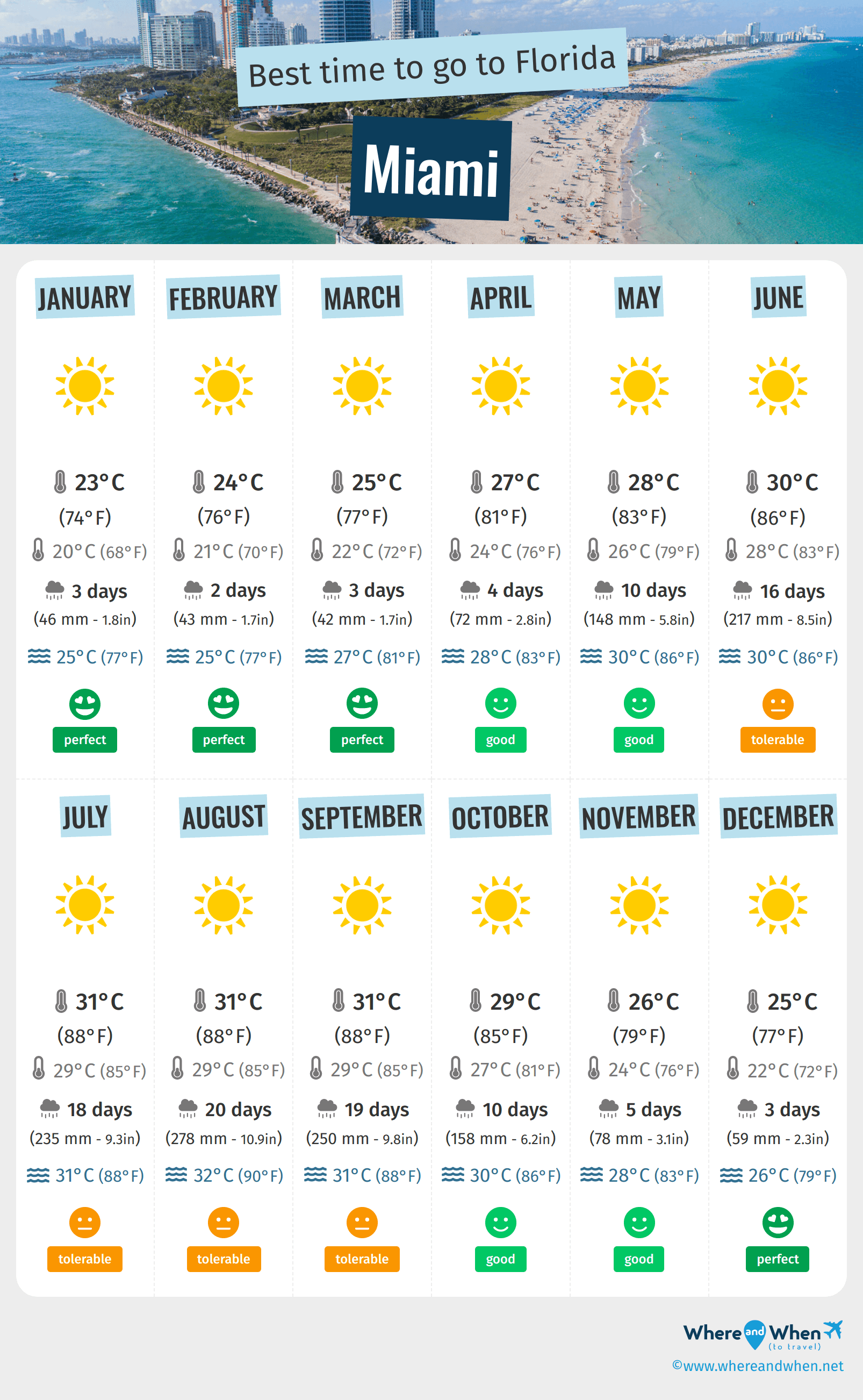
Miami’s climate is officially classified as tropical monsoon, meaning it experiences hot, humid summers and warm, dry winters. This classification is key to understanding its rhythm. Instead of spring, summer, autumn, and winter, visitors will find a dramatic shift between its two primary seasons, each offering a fundamentally different experience of the city. Recognizing these differences is the first step in tailoring your travel plans to suit your preferences and making the most of your time in this dazzling South Florida gem.
The Enchanting Dry Season (November to April)
For many, the dry season represents the quintessential Miami experience. Stretching from November through April, this period is characterized by consistently pleasant weather that is nothing short of idyllic. Temperatures are wonderfully mild, typically hovering between the mid-60s and high-70s Fahrenheit (15-25°C), making it incredibly comfortable for outdoor pursuits. The air is noticeably drier, with significantly lower humidity levels compared to the rest of the year. This absence of oppressive stickiness, combined with an abundance of sunshine and minimal rainfall, creates perfect conditions for exploring.
During the dry season, the skies are generally clear and blue, offering brilliant visibility for sightseeing and photography. Rainfall is sparse and brief, usually limited to occasional, light showers that quickly pass, leaving behind refreshed air. This is unequivocally the peak tourist season in Miami, and for good reason. Visitors flock to enjoy the pristine sands of South Beach, stroll through the vibrant Art Deco Historic District, or take airboat tours through the mysterious Everglades National Park without the sweltering heat or threat of heavy downpours. Outdoor dining becomes a particular delight, as does exploring attractions like Vizcaya Museum & Gardens or the lively streets of Little Havana.
Given its popularity, planning your accommodation during this period requires foresight. Luxury resorts like the iconic Fontainebleau Miami Beach or the historic The Biltmore Hotel tend to book up quickly and command premium rates. It’s advisable to make hotel and flight reservations well in advance, especially if you’re traveling during major holidays like Thanksgiving, Christmas, New Year’s, or Spring Break. Despite the higher prices and larger crowds, the flawless weather makes the dry season an unparalleled time for a Miami getaway, promising endless opportunities for relaxation and adventure under perfect skies.
Packing Essentials for the Dry Season:
To fully enjoy the mild, pleasant conditions of Miami’s dry season, smart packing is key. Light layers are ideal, as mornings and evenings can be slightly cooler than midday, especially if you’re by the water. Think lightweight long-sleeved shirts or a light jacket for evenings. Comfortable walking shoes are a must for exploring the city’s diverse neighborhoods and attractions. Of course, swimwear is essential for enjoying the beaches and hotel pools. Don’t forget ample sunscreen, a wide-brimmed hat, and sunglasses to protect yourself from the abundant sunshine. While rain is rare, a compact umbrella or a light waterproof layer wouldn’t hurt, just in case of an unexpected brief shower.
The Tropical Wet Season (May to October)
Transitioning from the dry season, Miami enters its tropical wet season, spanning from May through October. This period presents a distinctly different character, marked by heat, high humidity, and frequent afternoon thunderstorms. Average temperatures typically soar into the 80s Fahrenheit (27-32°C), often feeling even hotter due to the elevated humidity levels that can reach 70-90%. This is Miami at its most tropical, with lush vegetation thriving under the constant moisture.
Rainfall during the wet season is significantly higher, often manifesting as dramatic, short-lived afternoon thunderstorms. These storms can be intense, unleashing heavy downpours, impressive lightning, and strong winds, but they typically pass within an hour or two, often leaving behind clear, vibrant skies and slightly cooler air. While they can disrupt outdoor plans momentarily, they rarely spoil an entire day. However, it’s crucial to note that the wet season also coincides with hurricane season, which officially runs from June 1st to November 30th. While direct hurricane hits are statistically rare, the possibility exists, making awareness and preparedness vital for travelers during these months.
Despite the heat and rain, the wet season still offers a fantastic Miami experience, especially for those who don’t mind the heat or prefer fewer crowds and potentially better deals. This is often when hotels, including luxurious options like W South Beach or the family-friendly Loews Miami Beach Hotel, offer more attractive rates and packages. The intense heat makes indoor activities particularly appealing, from exploring world-class museums and art galleries to indulging in retail therapy at Miami’s expansive shopping malls. Water sports like snorkeling, diving, or paddleboarding on Biscayne Bay are still popular, best enjoyed in the mornings before the afternoon storms roll in. For outdoor activities, planning early morning excursions or late afternoon visits after the storms have passed is a smart strategy. The wet season also brings a unique vibrancy, with the city’s tropical foliage bursting with life, painting a lush backdrop to your adventures.
Packing Essentials for the Wet Season:
Preparing for Miami’s wet season involves prioritizing comfort and readiness for rain. Lightweight, breathable fabrics like cotton, linen, or moisture-wicking synthetics are essential to combat the heat and humidity. Pack plenty of shorts, tank tops, and dresses. A reliable rain jacket or a sturdy umbrella is non-negotiable for navigating the afternoon downpours. Closed-toe shoes might get soggy, so waterproof sandals or flip-flops are often preferred. As always, swimwear is a must. Due to the increased greenery and humidity, insect repellent is highly recommended, especially if you plan to spend time outdoors, particularly near water bodies or in the early mornings/evenings. Sunscreen, a hat, and sunglasses remain crucial for sun protection during the many sunny hours.
Navigating Miami’s Unique Weather Phenomena
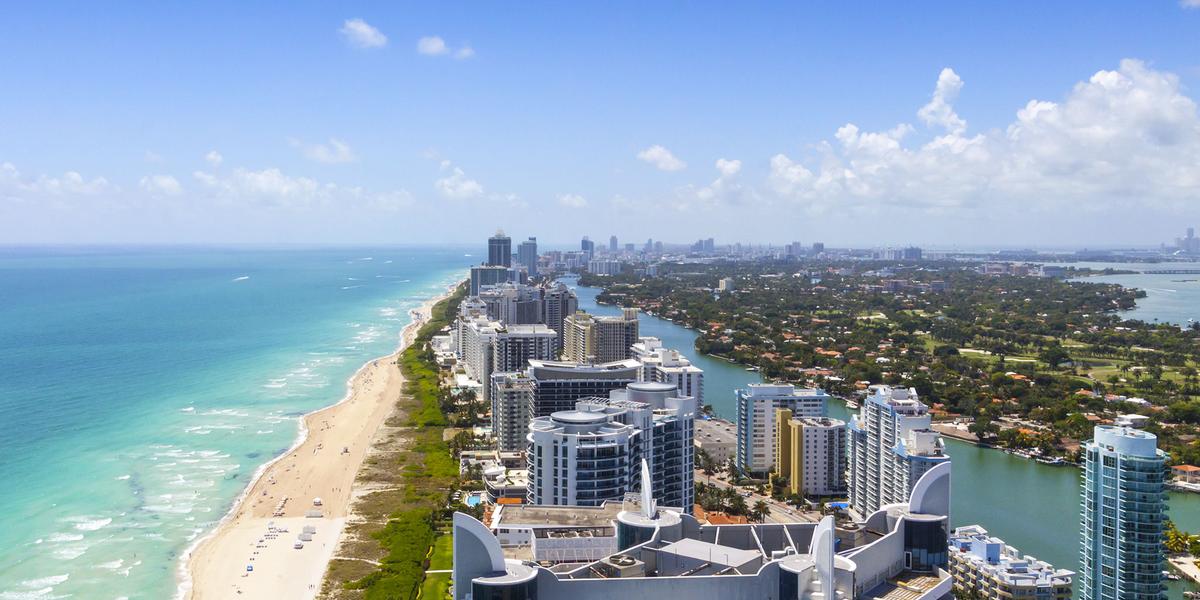
Beyond the two main seasons, Miami presents a few consistent weather characteristics and specific phenomena that every visitor should be aware of. These elements shape the daily experience and can influence how you enjoy the city’s diverse offerings. Understanding them allows for better planning and ensures you’re always comfortable and prepared, regardless of the time of year you choose to visit.
Humidity and Sunshine: Year-Round Constants
Two elements remain largely constant in Miami’s weather profile: abundant sunshine and high humidity. Miami truly earns its “Sunshine State” moniker, boasting an impressive number of sunny days throughout the year. Even during the wet season, downpours are typically followed by clear skies, ensuring that vitamin D is never in short supply. This constant sun exposure makes sunscreen, hats, and sunglasses non-negotiable items for any traveler, essential for protecting your skin and eyes.
The humidity, however, is a more complex beast. While slightly lower in the dry season, it rarely disappears entirely. In the wet season, it becomes a dominant force, creating that characteristic sticky, heavy air. For those unaccustomed to high humidity, it can be quite draining. Staying hydrated is paramount; carrying a reusable water bottle and drinking plenty of fluids is crucial for comfort and health. Taking breaks in air-conditioned environments, such as hotels, museums, or shopping centers, can offer a welcome reprieve from the outdoor mugginess. Embracing the humidity as part of Miami’s tropical charm, rather than fighting it, will make your experience much more enjoyable. It’s the very humidity that nurtures the city’s lush palm trees and vibrant flora, contributing to its distinctive atmosphere.
Understanding Hurricane Season in Miami
Hurricane season is a significant consideration for anyone planning a trip to Miami between June 1st and November 30th. While the probability of a direct hit from a major hurricane in any given year is relatively low, it is a possibility that cannot be ignored. The peak months for hurricane activity typically fall in August, September, and October. Tropical storms and hurricanes are powerful weather systems that can bring extremely high winds, torrential rainfall, and significant coastal flooding.
However, modern meteorology provides extensive advance warning for these events. Forecasts are meticulously tracked by agencies like the National Hurricane Center, often giving several days’ notice if a storm is on a potential collision course. This allows travelers to make informed decisions, including altering travel plans if necessary. Most resorts and hotels in Miami have robust hurricane preparedness plans, and local authorities are well-versed in evacuation procedures.
For peace of mind during hurricane season, purchasing comprehensive travel insurance is highly recommended. This can protect your investment in flights and accommodations if your trip needs to be canceled or interrupted due to a named storm. While the thought of a hurricane can be daunting, it’s important to remember that most days during the wet season are beautiful and sunny. With smart planning, vigilance, and appropriate travel insurance, you can still enjoy a fantastic Miami vacation during these months, often benefiting from fewer crowds and more attractive rates. It’s a matter of being informed and prepared, rather than avoiding the season entirely.
Maximizing Your Miami Experience: Weather-Wise Tips
Regardless of when you choose to visit, a few universal tips will enhance your Miami experience and ensure you’re comfortable in its unique climate. Being flexible and prepared are your best allies for a memorable trip.
Stay Hydrated: This cannot be stressed enough, especially during the humid wet season. Drink plenty of water throughout the day, even if you don’t feel particularly thirsty. Electrolyte-rich beverages can also be beneficial.
Seek Shade: The Florida sun is powerful. Utilize natural shade from palm trees or architectural structures, and consider renting umbrellas or cabanas on the beach. Taking breaks indoors, particularly during the hottest parts of the day, is a wise strategy.
Check the Forecast Regularly: Miami’s weather, particularly in the wet season, can change rapidly. A quick check of a reliable weather app each morning will help you plan your day’s activities effectively, allowing you to schedule outdoor excursions before potential afternoon showers.
Embrace Flexibility: While it’s great to have an itinerary, being flexible with your plans will serve you well. If an afternoon thunderstorm rolls in, use it as an opportunity to explore an indoor attraction, enjoy a long meal, or relax at your hotel’s spa. The rain often passes quickly, revealing a refreshed landscape.
Dress Appropriately: Prioritize lightweight, breathable fabrics. Always pack swimwear, sunscreen, a hat, and sunglasses. In the dry season, a light jacket for evenings is a good idea. In the wet season, a rain jacket or umbrella and insect repellent are essential.
Consider Travel Insurance: Especially if traveling during hurricane season, travel insurance can provide invaluable peace of mind and financial protection against unexpected weather-related disruptions.
In conclusion, Miami is a city of unparalleled charm and excitement, its allure amplified by its distinctive tropical climate. Whether you prefer the crisp, dry days of winter or the lush, vibrant humidity of summer, understanding Miami’s weather patterns is the key to unlocking the best possible travel experience. From sunbathing on pristine beaches and exploring historic districts to delving into diverse culinary scenes and experiencing pulsating nightlife, Miami offers a kaleidoscope of experiences year-round. By packing smartly, staying informed, and embracing the city’s unique meteorological rhythm, you’re guaranteed an unforgettable journey in this jewel of South Florida. So, prepare for sunshine, plan for a few showers, and get ready to immerse yourself in the vibrant energy that only Miami can provide.
LifeOutOfTheBox is a participant in the Amazon Services LLC Associates Program, an affiliate advertising program designed to provide a means for sites to earn advertising fees by advertising and linking to Amazon.com. Amazon, the Amazon logo, AmazonSupply, and the AmazonSupply logo are trademarks of Amazon.com, Inc. or its affiliates. As an Amazon Associate we earn affiliate commissions from qualifying purchases.