
For anyone planning a visit or considering a long-term stay in the Sunshine State, understanding “When Does Time Change In Florida?” is more than just a matter of setting your clock; it’s a crucial detail that can impact everything from flight schedules and hotel check-ins to theme park opening hours and sunset views over the Gulf Coast. Florida, like most of the United States, observes Daylight Saving Time, but its unique geographical split across two time zones, coupled with a persistent legislative push for permanent daylight saving, adds layers of complexity that travelers and residents alike should be aware of. This comprehensive guide will illuminate the ins and outs of time changes in Florida, offering insights tailored for optimal travel planning, tourism experiences, and lifestyle adjustments.
Understanding Daylight Saving Time in Florida
At its core, Florida adheres to the widely recognized practice of Daylight Saving Time (DST). This means that for the majority of the state, clocks “spring forward” by one hour in mid-March and “fall back” by one hour in early November. The primary goal of DST is to make better use of daylight, shifting an hour of evening daylight to the morning, ostensibly to save energy and provide more daylight for after-work activities.
The exact dates for these changes are consistent across the United States:
- Spring Forward: On the second Sunday in March, at 2:00 AM local time, clocks advance by one hour to 3:00 AM. This marks the beginning of Daylight Saving Time, granting an extra hour of daylight in the evening but costing an hour of sleep.
- Fall Back: On the first Sunday in November, at 2:00 AM local time, clocks revert by one hour to 1:00 AM. This signifies the end of Daylight Saving Time, bringing back the lost hour of sleep and shifting daylight back to the morning.
For the vast majority of Florida’s iconic destinations, including Orlando, Miami, Tampa, and Jacksonville, these dates govern the biannual time adjustments. This adherence means that during the spring and summer months, Florida operates on Eastern Daylight Time (EDT), and during the fall and winter, it switches back to Eastern Standard Time (EST). However, the state’s geographical layout introduces a fascinating caveat that impacts a significant portion of its western flank.
The Florida Panhandle: A Tale of Two Time Zones
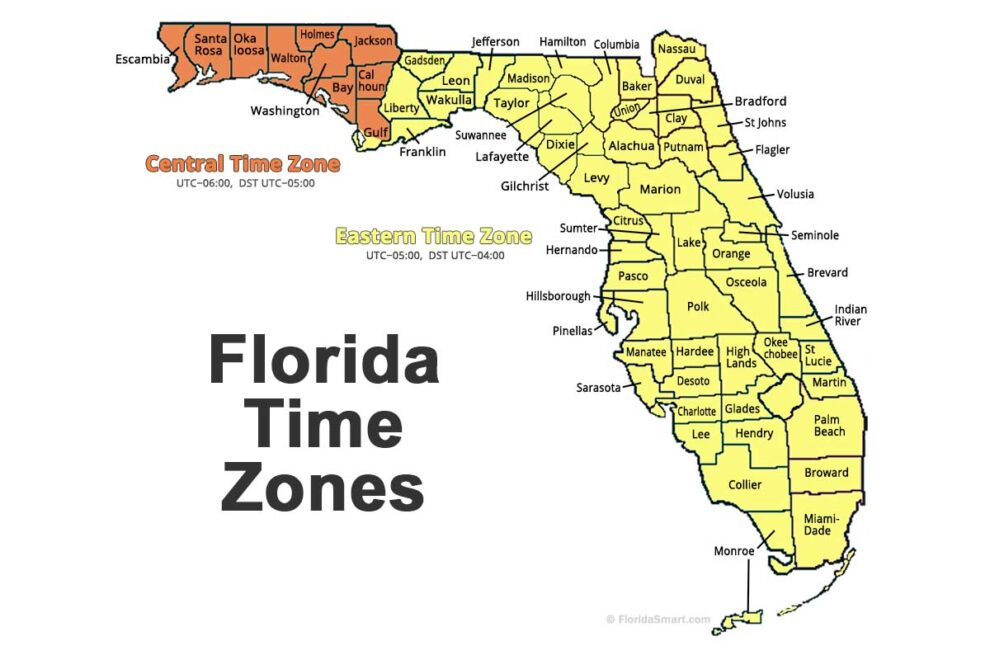
One of the most unique aspects of timekeeping in Florida lies within its northwestern region, affectionately known as the Florida Panhandle. While the majority of the state observes the Eastern Time Zone, a crucial segment of the Panhandle operates on the Central Time Zone.
This time zone boundary roughly follows the Apalachicola River and extends west. Cities such as Pensacola, Destin, and Panama City Beach all fall within the Central Time Zone. This means that when it’s 3:00 PM in Orlando, it’s only 2:00 PM in Pensacola. This distinction becomes particularly critical for travelers moving between the eastern and western parts of the state, as well as for residents living near the time zone divide.
Both the Eastern Time Zone and the Central Time Zone in Florida observe Daylight Saving Time. So, while the absolute time will differ by one hour between these regions, both will still “spring forward” and “fall back” on the same calendar dates, at 2:00 AM local time for each respective zone. This consistent application of DST across both zones prevents additional complexity but underscores the importance of verifying the local time, especially when planning multi-city itineraries or relying on public transportation schedules that might cross this invisible line.
The Push for Permanent Daylight Saving Time: The Sunshine Protection Act
Florida has been at the forefront of a national movement to adopt permanent Daylight Saving Time. The rationale is simple: more evening daylight year-round aligns perfectly with the state’s tourism-driven economy and outdoor lifestyle. In 2018, the Florida Legislature passed the Sunshine Protection Act, a bill that would make Daylight Saving Time permanent across the state. Governor Rick Scott (now Senator Rick Scott) signed it into law, signifying a strong state-level commitment to this change.
However, there’s a catch: states cannot unilaterally decide to make DST permanent. Federal law, specifically the Uniform Time Act of 1966, stipulates that any state wishing to observe DST year-round must receive approval from Congress. While the Sunshine Protection Act has seen bipartisan support in the U.S. Senate and even passed there in 2022, it has yet to clear the House of Representatives and become law. This means that despite Florida’s strong desire, the state continues to “spring forward” and “fall back” like most of the nation, awaiting federal approval that would cement its status as a perpetually sunlit haven.
The implications of permanent DST for Florida’s tourism and lifestyle sectors are profound. Imagine longer, brighter evenings for beach strolls in St. Petersburg, theme park adventures at Walt Disney World Resort, or enjoying the vibrant nightlife of Miami Beach year-round. This would significantly enhance the visitor experience, potentially boosting local economies by allowing more time for outdoor activities, dining, and shopping. For residents, it promises a consistent schedule, eliminating the disruptive biannual clock changes that affect sleep patterns and daily routines. The debate continues, but the vision of a permanently sun-drenched Florida is a powerful driver behind the legislative efforts.
Impact on Travel, Tourism, and Accommodation in Florida

The biannual time change in Florida, while seemingly minor, can have a notable impact on various aspects of travel, tourism, and accommodation. For those planning a luxurious escape or a budget-friendly family trip, understanding these effects can save time, prevent confusion, and ensure a smoother journey.
Planning Your Florida Travel Itinerary
When booking flights to Florida, especially around the spring or fall time changes, it’s essential to double-check flight times. Airlines typically adjust their schedules to local time, but a misinterpretation can lead to missed connections or unexpected delays. Similarly, if your itinerary includes travel between the Eastern Time Zone and the Central Time Zone within the Florida Panhandle, remember to factor in that hour difference. A scenic drive from Tallahassee to Pensacola, for instance, will involve crossing a time zone, affecting arrival estimates and any scheduled appointments.
For guided tours, attraction visits, or restaurant reservations, always confirm the local time. A sunrise tour in Everglades National Park or a dinner cruise in Key West will adhere strictly to the local time, irrespective of where you traveled from or when your internal clock thinks it is.
Accommodation Considerations: Hotels, Resorts, and Villas
The time change can particularly affect check-in and check-out times for hotels, resorts, apartments, and villas across Florida. Most accommodations will clearly state their check-in/check-out times in local hours. However, during the “spring forward” weekend, arriving an hour late for check-in might mean you’re more than an hour late if you haven’t adjusted. Conversely, during “fall back,” you might inadvertently check out an hour early, missing out on precious vacation time or incurring late fees.
- Hotels in major hubs: Whether you’re staying at a grand resort near Walt Disney World Resort in Orlando, a chic boutique hotel in South Florida, or a family-friendly suite in St. Augustine, ensure your arrival and departure plans align with the local time zone, especially if your travel dates coincide with a DST transition.
- Villas and Long-term Stays: For those enjoying an extended vacation or a long-term stay in a Florida villa, the time change might seem less impactful initially. However, it affects everything from utility timers to scheduled deliveries and local community events. Being aware of the shift ensures seamless daily living.
- Amenities and Services: Hotel amenities like breakfast hours, spa appointments, or shuttle services will also operate on local time. A relaxing massage scheduled for 9 AM might feel like 8 AM to your body if you just “sprang forward,” potentially affecting your experience.
Experiencing Florida’s Attractions and Local Culture
Florida’s tourism thrives on its diverse attractions, from the thrilling rides of Universal Studios Florida to the historical charm of St. Augustine and the natural beauty of the Florida Keys. All opening and closing times for these landmarks and experiences are based on local time.
- Theme Parks and Attractions: For popular destinations like Walt Disney World Resort, Universal Studios Florida, or the Kennedy Space Center Visitor Complex, opening and closing hours will adjust with DST. During the spring, an earlier sunset might mean less time to enjoy outdoor evening parades or fireworks if you’re not prepared for the shift.
- Local Events and Festivals: Florida is renowned for its vibrant local culture, food festivals, and community events. These activities are always scheduled in local time. If you’re planning to attend a festival in Sarasota or a concert in Fort Lauderdale, double-check the timings relative to the time change.
- Daylight-Dependent Activities: Many Florida experiences are best enjoyed with ample daylight, such as fishing charters, kayaking tours, or simply relaxing on one of the state’s beautiful beaches. The shift in daylight hours due to DST can affect when you plan these activities. An extra hour of evening daylight in summer can mean more time for sunset views, while the return to standard time in fall can bring earlier sunsets, prompting earlier planning for outdoor adventures.
Lifestyle Adjustments and Practical Tips for Visitors
For residents and long-term visitors, the time changes become a familiar rhythm, but for those on a short trip, they can pose a temporary challenge. Here are some practical tips to help you navigate time changes in Florida with ease, ensuring your travel experience is as seamless and enjoyable as possible.
Before You Arrive: Preparation is Key
- Check Dates and Times: If your travel dates fall around the second Sunday in March or the first Sunday in November, be extra diligent in checking all your booking confirmations, flight schedules, and reservation times. Confirm if they are listed in local time or your originating time zone.
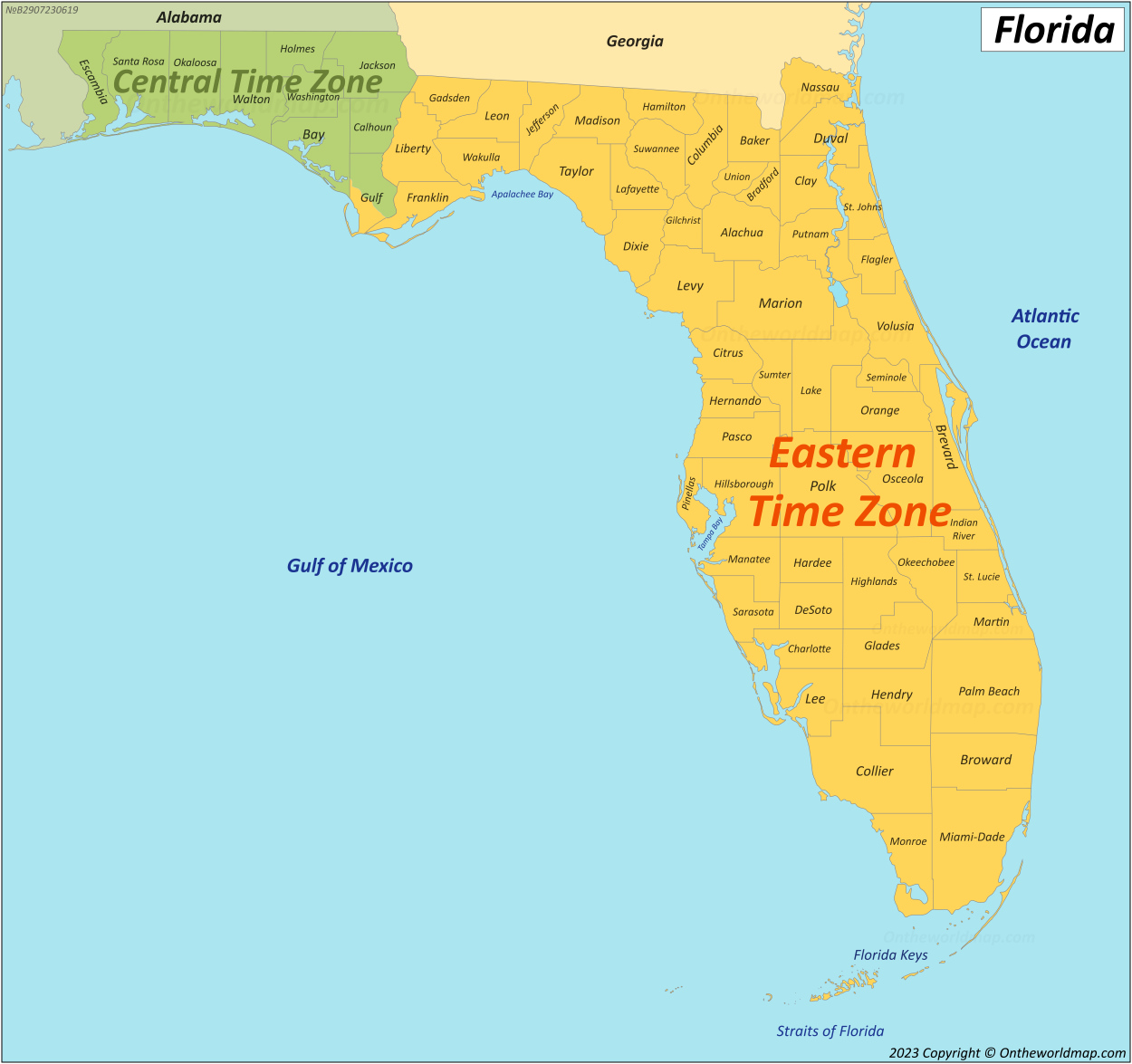
- Verify Time Zones: If you plan to visit the Florida Panhandle, specifically west of the Apalachicola River, remember that it’s an hour behind the rest of Florida. Account for this when planning drives, tours, or meetings in cities like Pensacola or Destin.
- Update Your Devices: Ensure your smartphone, laptop, and other electronic devices are set to automatically update their time zone. This will prevent manual errors and keep you aligned with local time.
During Your Stay: Embrace the Change
- Adjust Your Internal Clock: Give yourself time to adjust, especially if you’re sensitive to time changes or have traveled across multiple time zones to reach Florida. Try to align with the local schedule as quickly as possible.
- Stay Hydrated and Rested: Travel can be tiring, and time changes can exacerbate fatigue. Prioritize hydration and rest to minimize any feelings of jet lag or disorientation.
- Use Local Clocks: Rely on local clocks in hotels, public spaces, and your automatically updated devices to keep track of the correct time. Avoid relying solely on a watch set to your home time zone.
- Embrace the Daylight: Florida’s allure lies in its sunshine. When DST provides longer evenings, take advantage of them for outdoor dining, beach walks, or exploring attractions that offer extended hours. During standard time, enjoy the earlier sunrises for morning activities.
- Family Travel: For families with young children, time changes can disrupt sleep schedules. Plan for earlier bedtimes or flexible routines around the “spring forward” period to help children adjust. Conversely, the “fall back” can be an opportunity for a relaxed morning.
- Business Stays: For business travelers, adhering to meeting schedules is paramount. Double-check all appointment times, especially if dealing with counterparts in different time zones or if your trip coincides with a DST transition.
Ultimately, while the question “When Does Time Change In Florida?” seems straightforward, the answer reveals a dynamic interplay of federal law, state aspiration, and unique geography. Despite Florida’s desire for year-round Daylight Saving Time, for now, visitors and residents must continue to adjust their clocks twice a year. By being mindful of these transitions and the distinct time zones within the state, you can ensure your Florida travel, accommodation, and lifestyle experiences remain as effortless and sunny as the state itself.
LifeOutOfTheBox is a participant in the Amazon Services LLC Associates Program, an affiliate advertising program designed to provide a means for sites to earn advertising fees by advertising and linking to Amazon.com. Amazon, the Amazon logo, AmazonSupply, and the AmazonSupply logo are trademarks of Amazon.com, Inc. or its affiliates. As an Amazon Associate we earn affiliate commissions from qualifying purchases.