
As the season progresses, the anticipation and anxiety surrounding tropical systems often cast a long shadow over popular travel destinations. This year, the name on everyone’s mind, particularly those with plans for the Sunshine State, is Helene. For travelers, residents, and businesses alike, the question of “When is Helene supposed to hit Florida?” is paramount, dictating everything from vacation adjustments to critical safety preparations.
At Life Out of the Box, we understand that while the allure of Florida’s pristine beaches, world-class attractions, and vibrant culture remains strong, safety and preparedness must always come first. Hurricane Helene, though still a developing situation, demands our attention. This comprehensive guide aims to provide up-to-date insights into its potential trajectory, implications for travel and accommodation, and essential tips for navigating a hurricane threat while preserving your peace of mind. We’ll explore how this potential weather event impacts your travel plans, from luxury escapes to budget-friendly family adventures, ensuring you’re equipped with the knowledge to make informed decisions.

Understanding Hurricane Helene’s Trajectory and Timeline
The initial days of a named tropical system are often marked by a high degree of uncertainty. Weather models constantly evolve, influenced by atmospheric conditions hundreds or thousands of miles away. For Helene, understanding its current status and projected path is the first step in preparedness.
The Latest Forecasts and Models
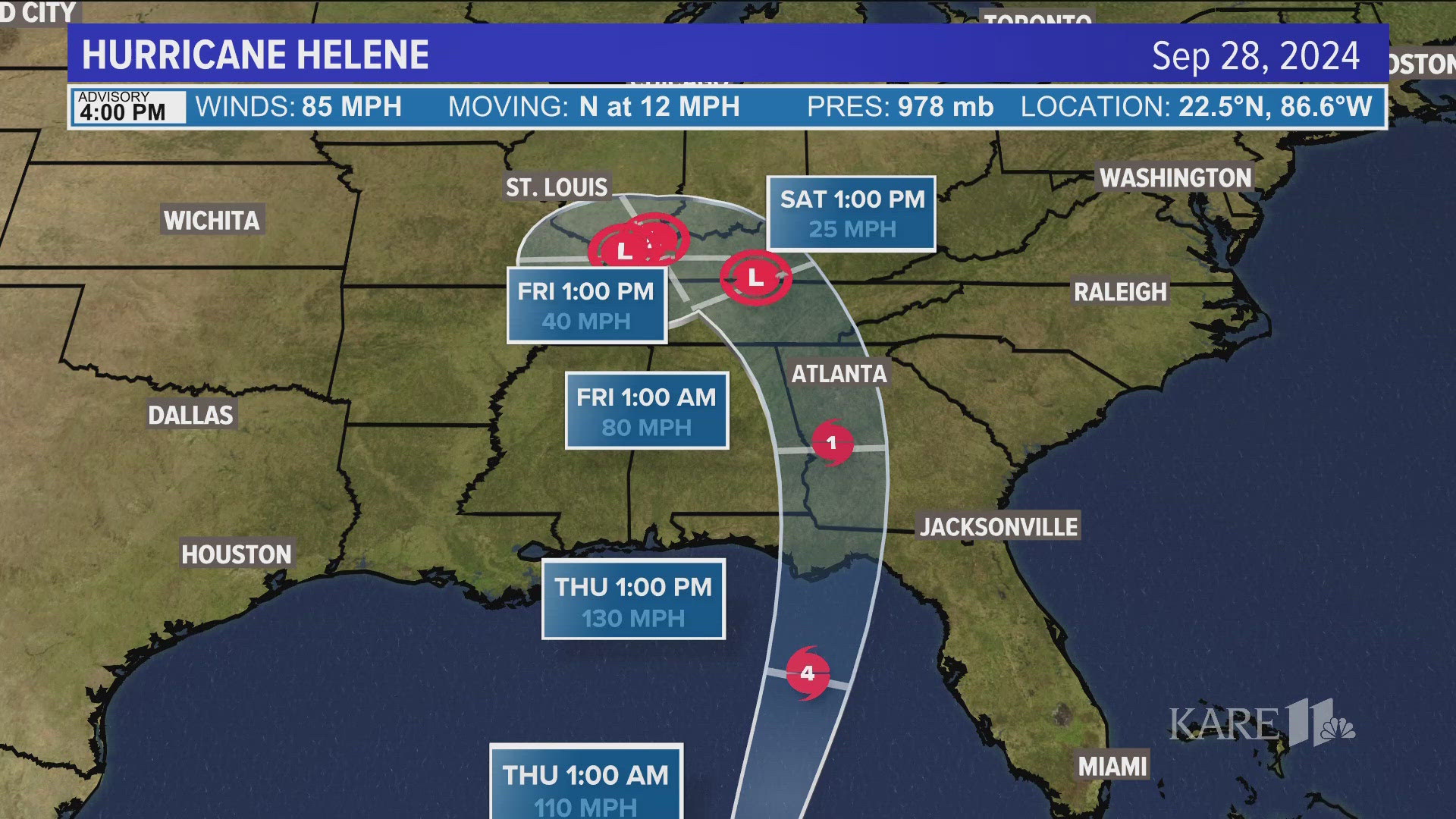
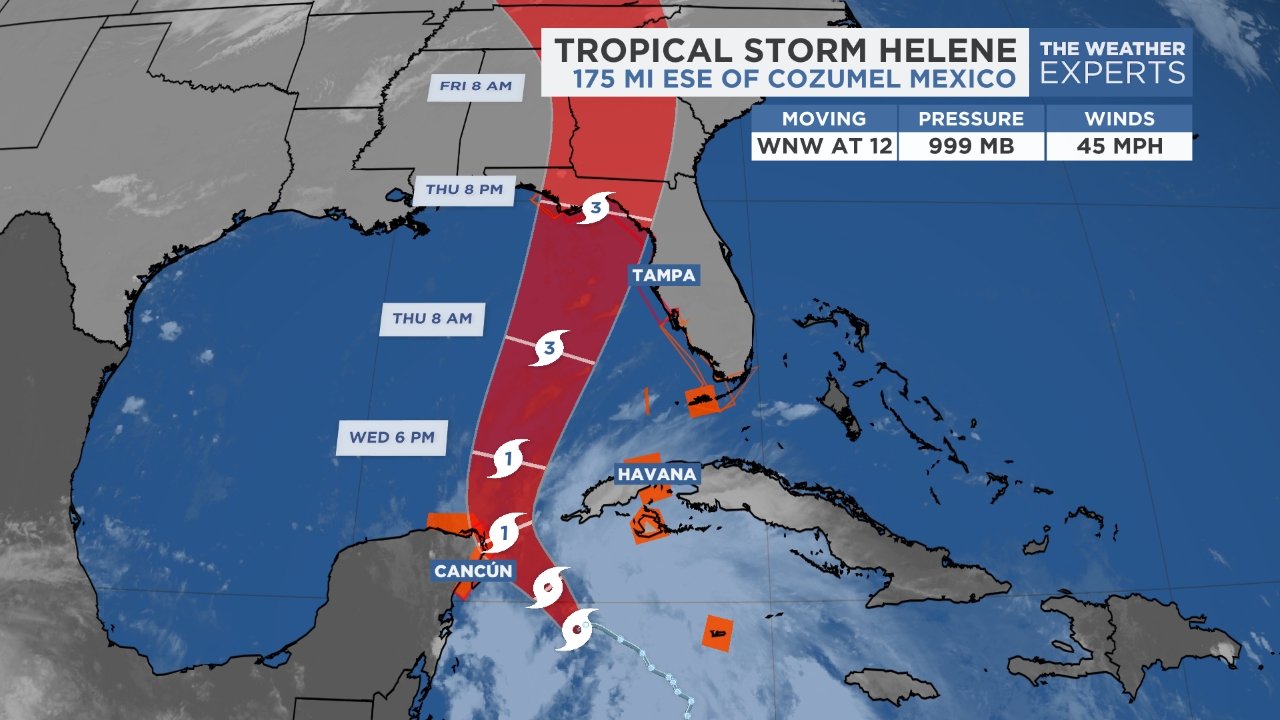
Currently, meteorologists are closely monitoring Helene’s progress as it churns across the Atlantic Ocean. The National Hurricane Center (NHC), the primary source for hurricane information, provides continuous updates on its track, intensity, and potential impact zones. Early projections suggest a possible brush or direct hit on portions of Florida within the next 5-7 days, though this timeline is subject to change. Key areas under watch include the Florida Keys, South Florida, and potentially even the Central Florida region, depending on the eventual turn.
Advanced forecast models, such as the European and American global models, are currently showing various scenarios, some indicating a path that curves northward, potentially sparing the entire peninsula, while others suggest a direct westward trajectory into the Gulf of Mexico or even across the state. It is crucial to remember that the cone of uncertainty, which represents the probable track of the center of a tropical cyclone, can encompass hundreds of miles. This means that while a specific landfall time and location cannot be precisely pinpointed until Helene is much closer, all of Florida’s coastal communities, and indeed inland cities, should monitor the situation closely. Residents and visitors in places like Miami, Fort Lauderdale, Orlando, Tampa, and Jacksonville should all be aware and prepared for potential impacts.
Potential Intensity and Impact
Beyond the “when,” the “how strong” is equally critical. Helene has shown signs of fluctuating intensity, and forecasting its peak strength before landfall is challenging. If it approaches as a strong tropical storm or hurricane, Florida could face a range of significant impacts:
- High Winds: Even a Category 1 hurricane can cause substantial damage to property, downed power lines, and widespread outages. Stronger categories bring more severe structural damage.
- Heavy Rainfall: Florida’s flat topography makes it susceptible to flooding, even from storms that don’t make direct landfall. Prolonged heavy rains can lead to flash floods and inundation of roadways, particularly in low-lying areas and urban centers like Miami-Dade County and Broward County.
- Storm Surge: This is often the deadliest aspect of a hurricane. If Helene makes landfall near a populous coastal area, storm surge could inundate communities, especially along the Gulf Coast and the Atlantic Coast, affecting popular destinations such as Naples, Sarasota, and the Florida Panhandle.
- Tornadoes: Hurricanes often spawn tornadoes, especially in the outer rain bands, which can cause localized but severe damage.
Understanding these potential impacts helps travelers and residents gauge the seriousness of the situation and take appropriate precautions.
Travel Implications and Preparedness for Visitors
For those planning or currently enjoying a trip to Florida, a looming hurricane like Helene introduces a host of logistical challenges and crucial decisions. Flexibility and quick action are paramount.
Adjusting Your Florida Travel Plans
The first step for any traveler is to stay updated through official channels. The NHC and local Florida Division of Emergency Management websites are invaluable resources.
- Flight Cancellations and Airport Closures: Major airports like Miami International Airport (MIA), Orlando International Airport (MCO), Fort Lauderdale-Hollywood International Airport (FLL), and Tampa International Airport (TPA) are typically among the first to be affected. Airlines often issue travel waivers, allowing passengers to rebook flights without penalty. If you have upcoming flights, contact your airline directly or check their official websites for advisories. Consider re-routing or postponing if your travel dates coincide with Helene’s projected arrival.
- Road Closures and Evacuation Orders: State and local authorities will issue evacuation orders for at-risk areas. If you are in one of these zones, it is critical to comply. Major interstates like I-75 and I-95 may become congested during evacuations, and certain bridges or causeways, especially to barrier islands like those off Sarasota or in the Florida Keys, will likely close.
- Cruise Line Itineraries: Cruise lines operating out of ports like PortMiami, Port Everglades, and Port Canaveral will often alter itineraries, delay departures, or even cancel sailings to avoid the storm. Contact your cruise provider for the latest updates.
- Travel Insurance: This is where travel insurance becomes invaluable. Review your policy carefully to understand what is covered regarding hurricane-related cancellations, delays, or medical emergencies. Some policies offer “cancel for any reason” (CFAR) clauses, but these usually need to be purchased well in advance of a named storm.
Accommodation Strategies During a Storm
Your accommodation choices and plans will significantly impact your safety and comfort during a hurricane threat.
- Hotel Policies and Cancellations: Most hotels and resorts in Florida have specific hurricane policies, often allowing penalty-free cancellations if an official hurricane warning is issued for the area. Contact your hotel directly to understand their policy. Luxury resorts like The Breakers Palm Beach or a Ritz-Carlton property may have robust on-site preparedness plans, but even they will adhere to official evacuation orders.
- Seeking Safe Alternatives: If you are advised to evacuate a coastal or low-lying area, seek accommodation further inland. Cities like Orlando (though still susceptible to heavy rain and wind) or even destinations in northern Florida or southern Georgia might be safer bets. Look for hotels constructed to modern building codes, often designated as “hurricane-rated.” Booking early is key, as rooms fill up quickly during an evacuation.
- Theme Parks and Attractions: World-renowned attractions like Walt Disney World Resort and Universal Orlando Resort have well-established hurricane procedures, including park closures. They typically announce closures in advance and often offer rescheduling options for tickets and resort stays. Keep an eye on their official communication channels. Landmarks like the Kennedy Space Center Visitor Complex or Everglades National Park will also close their gates for public safety.
- Long-Term Stays and Villas: If you’re in a rental villa or apartment, understand the owner’s or property manager’s hurricane plan. Ensure you know where emergency supplies are located and what their evacuation protocol is. For those enjoying a budget-friendly long-term stay, ensure you have sufficient supplies to shelter in place if necessary, or a plan to evacuate.
Safeguarding Your Florida Experience: Tips for Residents and Tourists
Whether you’re a long-time resident or a first-time visitor, hurricane preparedness boils down to a few fundamental principles: having a plan, having supplies, and staying informed.
Essential Hurricane Preparedness Kit
Even if you only plan to shelter in place for a short period, a basic emergency kit is essential. For visitors, a condensed version is advisable.
- Water: At least one gallon per person per day for several days, for drinking and sanitation.
- Food: A several-day supply of non-perishable food. Consider items that don’t require cooking or refrigeration.
- First-Aid Kit: Bandages, antiseptic wipes, pain relievers, and any prescription medications.
- Power and Communication: Battery-powered or hand-crank radio, extra batteries, power banks for charging phones, flashlights.
- Important Documents: Copies of identification, insurance policies, and reservation confirmations, ideally stored in a waterproof bag.
- Cash: ATMs may not work during power outages.
- Personal Hygiene Items: Wet wipes, hand sanitizer, soap.
- Specific Needs: Baby formula, diapers, pet food, and any specialized medical supplies.
- Comfort Items: Books, games, or other activities, especially if traveling with children.
- Full Tank of Gas: Fill up your car’s fuel tank well in advance of a storm; gas stations may run out of fuel or lose power.
Evacuation Routes and Shelters
Knowing your local evacuation routes and shelter locations is crucial. Florida’s county-level emergency management agencies, such as Palm Beach County Emergency Management or Orange County Emergency Management, provide detailed maps and information.
- Follow Official Orders: Never ignore an evacuation order. These are issued for your safety and are based on the best available meteorological and local conditions.
- Know Your Route: Plan your evacuation route in advance and have alternative routes. Avoid coastal roads during a storm.
- Pet-Friendly Shelters: If you are evacuating with pets, identify pet-friendly hotels or shelters in advance.
- Communication Plan: Have a communication plan with family and friends. Designate an out-of-state contact who everyone can check in with.
- Shelter-in-Place vs. Evacuate: If you are not in an evacuation zone, and your accommodation is sturdy and inland, sheltering in place may be an option. However, be prepared for potential power outages and limited services for several days.
The Aftermath: Resuming Travel and Supporting Florida’s Recovery
Even after Helene passes, the effects can linger, influencing travel and tourism for weeks or even months. Understanding the recovery process is important for both safety and for planning future visits.
When Is It Safe to Return?
Patience is key in the aftermath of a hurricane. While the immediate urge might be to return or resume your vacation, waiting for official clearance is vital.
- Respect Roadblocks and Advisories: Authorities will keep certain areas closed due to debris, flooding, downed power lines, or damaged infrastructure. Do not attempt to bypass these.
- Check for Services: Power, water, and internet services may be disrupted. Restaurants, shops, and attractions might remain closed for clean-up and repairs. Before traveling back to an affected area, confirm that essential services are restored.
- Damage Assessment: It takes time to assess the full extent of damage. Theme parks, beaches like South Beach, and historical sites like the Art Deco Historic District may require extensive repairs before reopening to the public. Always check official websites or local tourism boards for reopening statuses.
- Health and Safety Concerns: Contaminated water, mold, and hidden hazards can pose risks in post-storm environments. Adhere to public health warnings.
Responsible Tourism and Community Support
Florida is incredibly resilient, and its communities often bounce back quickly. As travelers, there are ways you can contribute to this recovery.
- Support Local Businesses: When you do return, make an effort to patronize local restaurants, shops, and tour operators. Your tourism dollars directly contribute to the economic recovery of affected areas. From quaint cafes in Key West to boutiques in St. Petersburg, every purchase helps.
- Volunteer and Assist: If you have the time and resources, consider volunteering with reputable disaster relief organizations like the American Red Cross or FEMA for longer-term stays. Even small acts of kindness can make a huge difference.
- Be Mindful of the Environment: Hurricanes can impact natural ecosystems, including beaches, coral reefs, and national parks like Dry Tortugas National Park. Practice eco-tourism by respecting wildlife, disposing of waste properly, and choosing environmentally conscious activities.
- Plan Future Visits: One of the best ways to support Florida’s long-term recovery is to continue planning your vacations there. Once areas are safe and ready, return and enjoy everything the state has to offer, helping to keep the tourism industry vibrant. Whether it’s a luxury travel experience at a renovated Four Seasons Resort Orlando or a budget family trip to Busch Gardens Tampa Bay, your presence makes a difference.
While the exact timing of Helene’s potential impact on Florida remains fluid, proactive preparation is always the best strategy. By staying informed, having a plan, and prioritizing safety, you can navigate the uncertainties of hurricane season. Remember, Florida is a beautiful and welcoming state, and with careful planning, it will continue to offer incredible travel experiences for years to come. Always consult official sources for the most current information and make decisions that put your safety and the safety of your loved ones first.
LifeOutOfTheBox is a participant in the Amazon Services LLC Associates Program, an affiliate advertising program designed to provide a means for sites to earn advertising fees by advertising and linking to Amazon.com. Amazon, the Amazon logo, AmazonSupply, and the AmazonSupply logo are trademarks of Amazon.com, Inc. or its affiliates. As an Amazon Associate we earn affiliate commissions from qualifying purchases.