
Florida, often called the Sunshine State, is a premier travel destination, attracting millions of visitors year-round with its pristine beaches, vibrant cities, and world-famous attractions. However, like many tropical and subtropical regions, Florida experiences a distinct rainy season that can significantly influence travel plans. Understanding when this season occurs and what it entails is crucial for any traveler looking to make the most of their visit. Far from being a deterrent, the rainy season presents a unique charm and even some advantages for those who plan accordingly, offering a different perspective on Florida’s diverse landscapes and experiences. From luxurious resort stays to adventurous explorations of natural wonders, Florida remains an enticing destination regardless of the forecast, provided you know what to expect.
Understanding Florida’s Distinct Climate and the Rainy Season
Florida’s climate is largely subtropical in the northern and central parts, transitioning to tropical in the southern regions, including the Florida Keys. This geographic positioning means the state is heavily influenced by warm ocean currents and atmospheric moisture, leading to predictable weather patterns throughout the year. While the state is famous for its bright, sunny days, the rainy season is a fundamental part of its ecological cycle and daily rhythm. It’s a period characterized by intense, yet often brief, afternoon showers and thunderstorms, which contribute significantly to the state’s lush greenery and vibrant ecosystems.
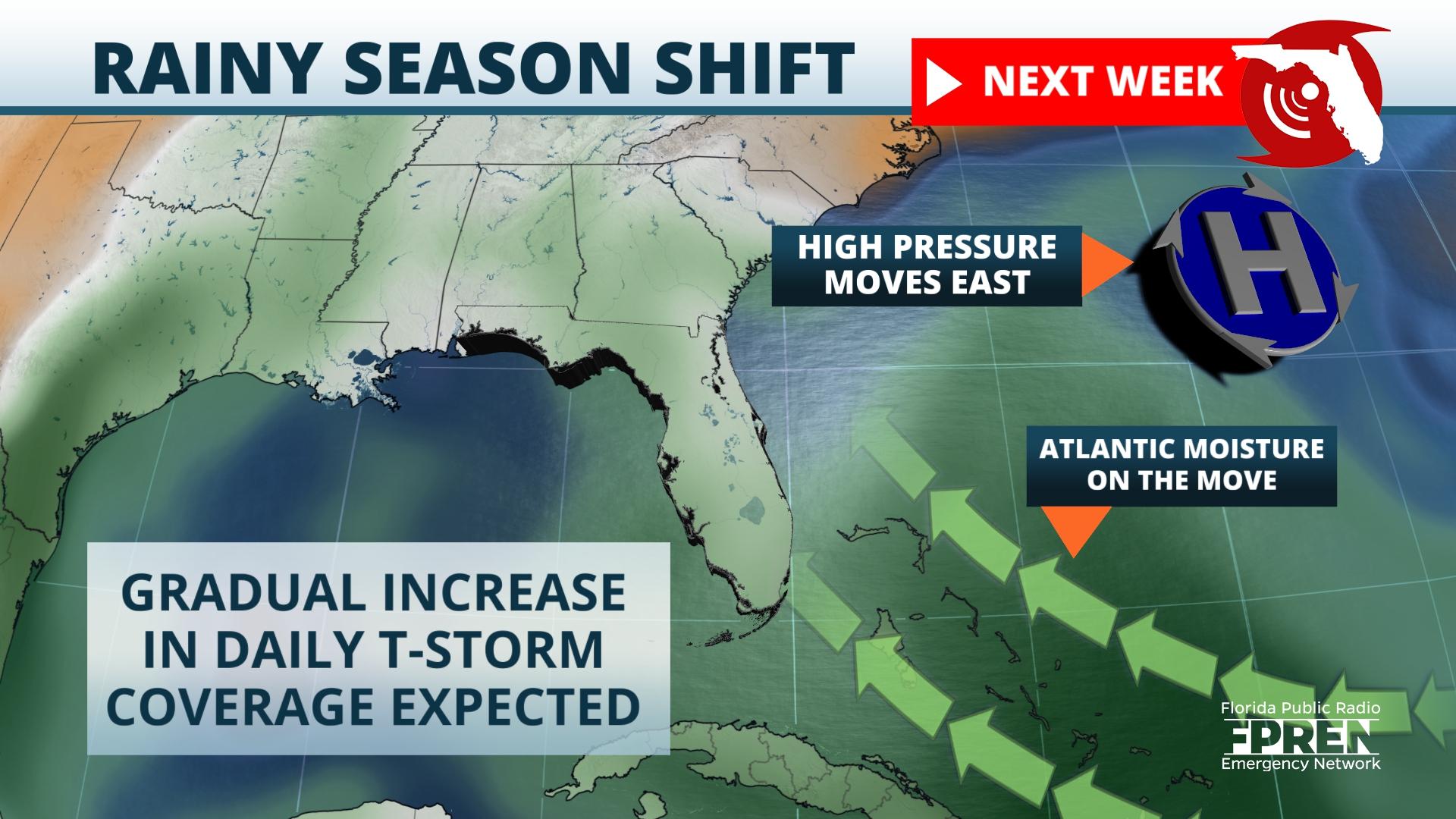
The Typical Schedule: June to November
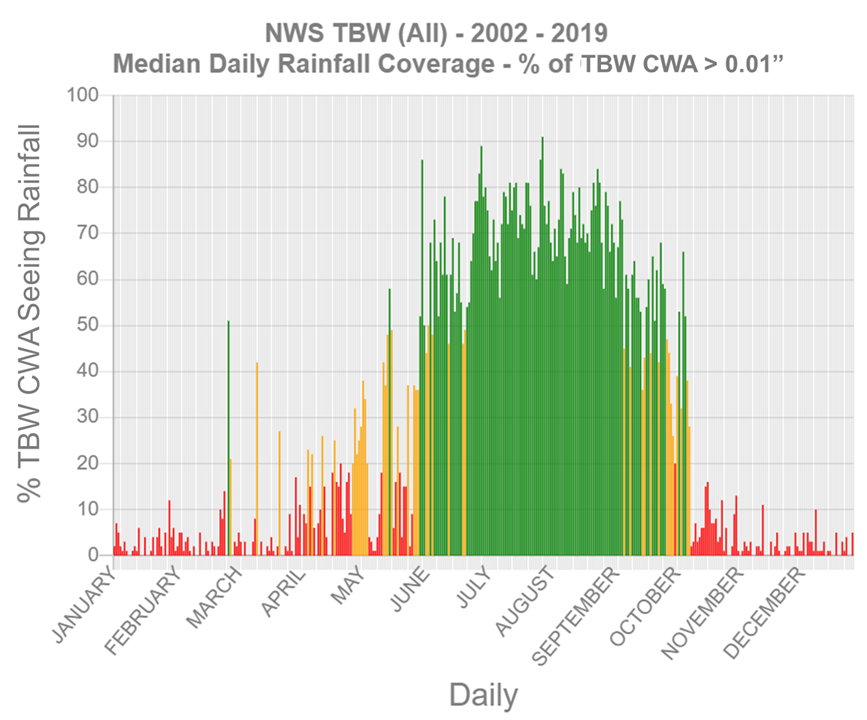
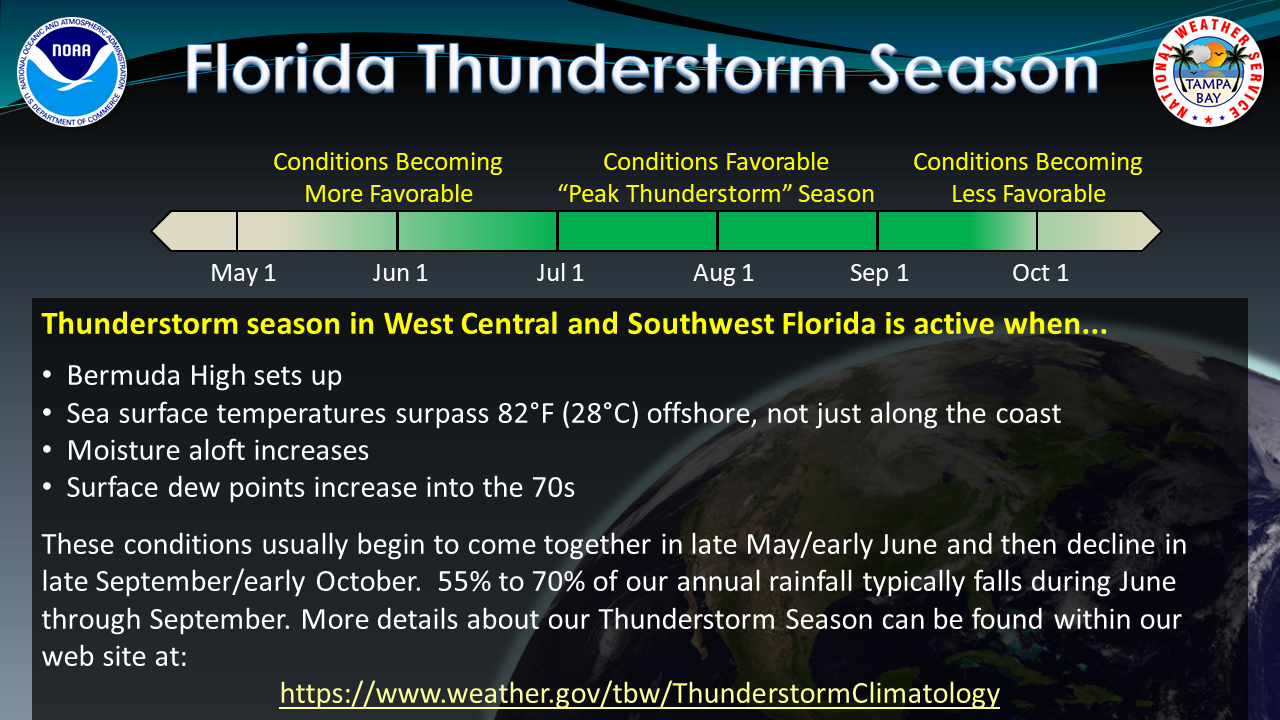
The rainy season in Florida generally spans from early June to late November. During these months, daily weather patterns typically involve mornings that are sunny and pleasant, followed by a buildup of clouds in the early to mid-afternoon, culminating in a heavy downpour and often a spectacular lightning show. These showers are usually localized and don’t last long, often clearing within an hour or two, leaving behind refreshed air and often stunning sunsets. The intensity and frequency of these rains peak in July and August, when the heat and humidity are at their highest.
Temperatures throughout the rainy season are consistently warm to hot, typically ranging from the high 80s to low 90s Fahrenheit (around 30-35 degrees Celsius). Coupled with high humidity, this can make outdoor activities quite strenuous, especially around midday. The rain, therefore, often provides a welcome, albeit temporary, respite from the heat, cooling things down slightly. It’s important to note that while the general pattern holds true for most of the state, regional variations exist. For instance, coastal areas, particularly along the Atlantic Coast and Gulf Coast, may experience different timings or intensities of rain due to sea breezes and proximity to the ocean.
Hurricane Season Overlap
It’s crucial to acknowledge that Florida’s rainy season perfectly overlaps with the Atlantic hurricane season, which also runs from June 1st to November 30th. While daily afternoon showers are a normal occurrence, the hurricane season introduces the potential for more severe weather events, ranging from tropical depressions to full-blown hurricanes. These systems can bring prolonged periods of heavy rain, strong winds, and storm surges, potentially causing significant disruptions to travel and daily life.
Travelers planning a trip during these months, particularly from August through October, should stay informed about weather forecasts and advisories from reliable sources like the National Hurricane Center (though I cannot link external sites, this is an implied reference to a reliable source). While direct hurricane hits are relatively infrequent for any single location, their potential impact means that flexible travel plans and comprehensive travel insurance are highly recommended for peace of mind. Many resorts and hotels in Florida offer specific hurricane policies, often allowing for cancellations or rebooking without penalty if a named storm threatens the area. This foresight is part of smart tourism, ensuring that your long-term stay or short vacation remains as stress-free as possible.
Travel Implications: Navigating Florida During the Wet Months
Visiting Florida during its rainy season, especially the peak summer months, requires a different approach to planning compared to the dry season. However, with the right mindset and preparation, it can be an incredibly rewarding experience, offering unique advantages that aren’t available during the busier, drier periods. Understanding these implications helps in crafting an itinerary that capitalizes on the benefits while mitigating the challenges.
Advantages of Off-Peak Travel
One of the most significant benefits of traveling during Florida’s rainy season is the potential for fewer crowds and lower prices. As many families plan their vacations around school holidays, the summer months can still be busy, but often less so than the spring break or winter peak seasons. Furthermore, the rainy season extends into the fall, which is notoriously less crowded in many parts of the state. This reduction in tourist numbers can translate into:
- Shorter wait times at popular attractions like Walt Disney World Resort in Orlando or Busch Gardens Tampa Bay in Tampa.
- Potentially lower airfares and accommodation rates, especially outside of major holiday weekends. This can make luxury travel more accessible or allow budget travelers to stretch their funds further.
- More serene experiences at natural landmarks such as Everglades National Park, where the vibrant flora is at its peak after ample rainfall. The landscapes are lush and green, offering fantastic photo opportunities and a deeper connection with Florida’s natural beauty.
For those looking for a more relaxed and authentic experience, avoiding the peak dry season crowds can be a huge plus, allowing for more leisurely exploration of local culture and food scenes without feeling rushed or overwhelmed.
Preparing for Your Trip: What to Pack and Expect
Preparation is key to a successful rainy season trip. Smart packing and a flexible attitude will go a long way.
- Rain Gear: Always pack a lightweight, waterproof jacket or a small umbrella. While the rain often clears quickly, having protection is essential for staying dry between indoor destinations or during a sudden downpour.
- Footwear: Opt for waterproof or quick-drying shoes, sandals, or even flip-flops. Puddles are common, and comfortable, dry feet are important for enjoying your day.
- Quick-Drying Clothes: Light, breathable fabrics like linen or moisture-wicking activewear are ideal. They dry quickly and help manage the high humidity.
- Sun Protection: Don’t forget sunscreen, hats, and sunglasses! Even on rainy days, UV rays can be strong, and the sun will often reappear after a shower.
- Portable Charger: Ensure your phone and devices stay charged, especially if you’re relying on them for navigation or checking weather updates.
- Flexibility in Plans: Be prepared to adapt your itinerary. If an outdoor activity is planned for the afternoon, have a backup indoor option ready. Many theme parks, for example, have indoor rides, shows, and dining that can fill the time during a shower. Attractions like Kennedy Space Center Visitor Complex offer extensive indoor exhibits, making them excellent choices for any weather.
Expect the afternoons to be the wettest part of the day. Many outdoor attractions might pause operations during lightning or heavy rain. This is normal and usually temporary. The best strategy is to plan outdoor activities for the mornings and save museums, aquariums, shopping, or spa treatments for the afternoon.
Weathering the Storm: Tips for Enjoying Your Stay
Instead of letting the rain dampen your spirits, embrace it as part of the Florida experience.
- Start Early: Capitalize on the typically sunny mornings. Head to the beach, enjoy an outdoor excursion, or visit a park before the afternoon clouds gather.
- Plan Indoor Alternatives: Research indoor attractions near your chosen destination. Miami offers the Vizcaya Museum & Gardens, while St. Augustine boasts its St. Augustine Historic District with numerous museums and shops. In Sarasota, the Ringling Museum provides a cultural escape.
- Embrace the Rain: Sometimes the best plan is to simply find a cozy cafe, a lively bar, or a shaded veranda and watch the storm pass. The rain often brings a refreshing coolness and dramatic skies that are beautiful in their own right.
- Take Advantage of Post-Rain Beauty: Sunsets after a summer shower in Florida can be absolutely breathtaking, with vibrant colors painting the sky as the clouds disperse.
Accommodation Strategies for Florida’s Rainy Season
Choosing the right accommodation is paramount when traveling during Florida’s rainy season. Your hotel, resort, apartment, or villa can become a sanctuary and a source of entertainment during afternoon showers, turning potential downtime into an enjoyable part of your trip. Smart booking and an understanding of available amenities can significantly enhance your experience.
Choosing the Right Stay: Resorts, Hotels, and Villas
- Resorts with Extensive Indoor Amenities: For those who appreciate luxury travel or are on a family trip, selecting a resort with a wide array of indoor facilities is an excellent strategy. Many high-end resorts, such as The Breakers Palm Beach, Four Seasons Resort Orlando at Walt Disney World Resort, or Ritz-Carlton, Amelia Island, offer expansive indoor water parks, kids’ clubs, spas, fitness centers, multiple dining options, and even indoor shopping arcades. These amenities ensure that even if the rain forces you indoors, there’s no shortage of activities and entertainment right at your fingertips. Look for properties that explicitly mention covered walkways, spacious lobbies, and diverse indoor recreational spaces in their descriptions and reviews.
- Hotels with Comfortable Suites: If a full resort isn’t in your budget or preferred style, many hotels offer spacious suites equipped with separate living areas, kitchenettes, or even full kitchens. This provides more room to relax, spread out, and perhaps enjoy a meal in, making it a comfortable retreat during a downpour. Business travelers, in particular, may appreciate these features for productivity during unexpected indoor hours.
- Apartments and Villas for Long-Term Stays: For longer trips or larger groups, booking an apartment or a private villa can be a fantastic option. These accommodations often come with home-like amenities, including fully equipped kitchens, laundry facilities, and private living spaces. This allows for greater flexibility, especially if you plan to cook your own meals, and provides a cozy environment to unwind while the rain passes. Areas like Naples or Sarasota have many such rental options catering to both short and long-term stays.
- Consider Reviews: When comparing accommodations, pay close attention to reviews, specifically looking for comments about the property’s suitability during rain. Do guests mention sufficient covered areas? Are the indoor activities well-maintained? This feedback can be invaluable for making an informed decision.
Booking Smart: Flexibility and Insurance
Booking accommodation during the rainy season also involves smart planning related to reservations and potential weather disruptions.
- Flexible Cancellation Policies: Prioritize hotels and resorts that offer flexible cancellation or rebooking policies. This is especially important during hurricane season. Many establishments understand the unpredictability of Florida weather and provide options that allow you to modify your plans without penalty up to a certain point before your arrival.
- Travel Insurance: For complete peace of mind, especially if traveling during the peak hurricane months (August to October), consider purchasing comprehensive travel insurance. This can cover unexpected cancellations, delays, or interruptions due to severe weather events, protecting your financial investment in flights, accommodation, and pre-booked activities. Always read the policy details carefully to understand what is covered. This is a vital component of responsible tourism, ensuring that unforeseen circumstances don’t derail your entire trip.
Embracing the Rain: Activities and Destinations for All Seasons
The notion that Florida loses its charm during the rainy season is a misconception. In fact, many of its best attractions and experiences are either indoors or can be easily adapted to accommodate the weather. With a little planning, visitors can enjoy the state’s diverse offerings, from cultural landmarks to world-class entertainment, irrespective of a passing shower. This adaptable approach to travel allows for a deeper appreciation of Florida’s multifaceted appeal.
Indoor Attractions and Entertainment
Florida boasts an impressive array of indoor attractions perfect for escaping an afternoon downpour.
- Theme Parks with Indoor Rides: While many rides at Walt Disney World Resort and Universal Studios Florida are outdoors, both parks offer numerous indoor attractions, shows, and dining experiences. Guests can duck into attractions like “It’s a Small World,” “Pirates of the Caribbean,” or “The Mummy Ride” at Universal Studios Florida, or enjoy a meal in one of the many themed restaurants.
- Museums and Galleries: Florida has a rich cultural scene. Options include the Vizcaya Museum & Gardens in Miami, the Ringling Museum in Sarasota, the Salvador Dalí Museum in St. Petersburg (unlinked as St. Petersburg not used before), or the fascinating exhibits at the Kennedy Space Center Visitor Complex on Merritt Island. These offer hours of engaging exploration, rain or shine.
- Aquariums and Science Centers: The Florida Aquarium in Tampa and the Phillip and Patricia Frost Museum of Science in Miami are fantastic choices for families and curious minds. They provide educational and entertaining experiences that are entirely indoors.
- Shopping and Dining: Florida is home to numerous world-class shopping malls and culinary districts. From the upscale boutiques of South Beach to the vast selection at Mall at Millenia in Orlando, there are plenty of opportunities for retail therapy and enjoying Florida’s diverse food scene.
Exploring Florida’s Diverse Regions
Each region of Florida offers unique ways to enjoy the rainy season.
- Orlando and Central Florida: Beyond the theme parks, Orlando boasts a vibrant performing arts scene, numerous indoor entertainment complexes, and a thriving food culture. The Central Florida area also has a plethora of outlet malls and unique dining experiences that are perfect for passing the time.
- Miami & Fort Lauderdale: These South Florida cities are known for their Art Deco architecture, vibrant art districts like Wynwood, and world-class dining. Miami’s robust nightlife and cultural events can be enjoyed regardless of the weather, and Fort Lauderdale’s impressive museum scene provides ample indoor activity.
- St. Augustine: The nation’s oldest city, St. Augustine, is packed with historic buildings, museums, and quaint shops. The Castillo de San Marcos offers fascinating historical tours, much of which can be enjoyed under its sturdy walls. Even ghost tours, a popular local activity, continue rain or shine, adding to the atmosphere.
- The Florida Keys: While famous for water activities, Key West has a unique charm that thrives even in the rain. Explore literary landmarks like the Ernest Hemingway Home and Museum, browse the local art galleries, or simply enjoy the lively atmosphere of its many indoor bars and restaurants. Even on a rainy day, the journey to Dry Tortugas National Park is often memorable for its unique isolation and historical significance.
Lifestyle Choices: Luxury, Budget, Family, Business
The rainy season in Florida caters to various lifestyle choices:
- Luxury Travel: Upscale resorts like The Breakers Palm Beach or Loews Portofino Bay Hotel offer a pampering experience with extensive indoor spas, fine dining, and entertainment, allowing guests to indulge without stepping outside.
- Budget Travel: Off-peak advantages mean better deals on flights and accommodation, making a Florida trip more accessible for budget-conscious travelers. Many attractions also offer promotions during these times.
- Family Trips: With proper planning, families can enjoy the theme parks, aquariums, and museums, utilizing indoor activities during showers. Flexible schedules are key to keeping spirits high.
- Business Stays: For business travelers, the rainy season can mean less crowded airports and attractions, allowing for more efficient travel and a more relaxed atmosphere when off-duty. Hotels often have excellent business facilities that are unaffected by weather.
In conclusion, while Florida’s rainy season brings afternoon showers and the potential for tropical storms, it is by no means a reason to avoid visiting. With informed preparation, flexible plans, and an appreciation for the state’s diverse indoor and adaptable outdoor attractions, visitors can experience a truly memorable trip. Whether you’re seeking a luxurious escape, an adventurous family vacation, or a serene cultural exploration, Florida remains a captivating destination, proving that the Sunshine State shines bright, even when it rains.
LifeOutOfTheBox is a participant in the Amazon Services LLC Associates Program, an affiliate advertising program designed to provide a means for sites to earn advertising fees by advertising and linking to Amazon.com. Amazon, the Amazon logo, AmazonSupply, and the AmazonSupply logo are trademarks of Amazon.com, Inc. or its affiliates. As an Amazon Associate we earn affiliate commissions from qualifying purchases.