
Florida, often lauded as the Sunshine State, beckons millions of travelers each year with its pristine beaches, vibrant cities, world-class theme parks, and unique natural wonders. From the magic of Orlando to the Art Deco charm of Miami and the tranquil beauty of the Florida Keys, the state offers an unparalleled diversity of experiences. However, a question that frequently arises, especially during specific times of the year, is “Where is the storm in Florida?” This seemingly simple query delves into the heart of travel planning, accommodation choices, and overall tourism strategy for anyone considering a visit. While Florida does have a distinct hurricane season, understanding its nuances, preparing effectively, and knowing how to adapt can ensure a memorable and safe trip, regardless of the weather forecast. This comprehensive guide aims to demystify Florida’s weather patterns, offering practical advice for navigating potential storms and highlighting the state’s enduring appeal as a premier destination.
Navigating Florida’s Storm Season: A Traveler’s Guide
The allure of Florida is undeniable, drawing visitors to its shores and attractions year-round. Yet, a significant aspect of planning a trip to the Sunshine State, particularly between early summer and late autumn, involves understanding its climate – specifically, hurricane season. Rather than deterring travelers, a clear grasp of what this season entails, where potential impacts might occur, and how resilient the state’s tourism infrastructure is, empowers visitors to plan with confidence. It’s about recognizing that “the storm” isn’t a constant, omnipresent threat across the entire state, but rather a localized, transient event that can be effectively managed with foresight and flexibility. From choosing the right travel insurance to understanding local emergency protocols, a proactive approach ensures that the vast majority of Florida experiences remain vibrant and accessible.
Decoding Florida’s Weather Patterns: Beyond the Sunshine
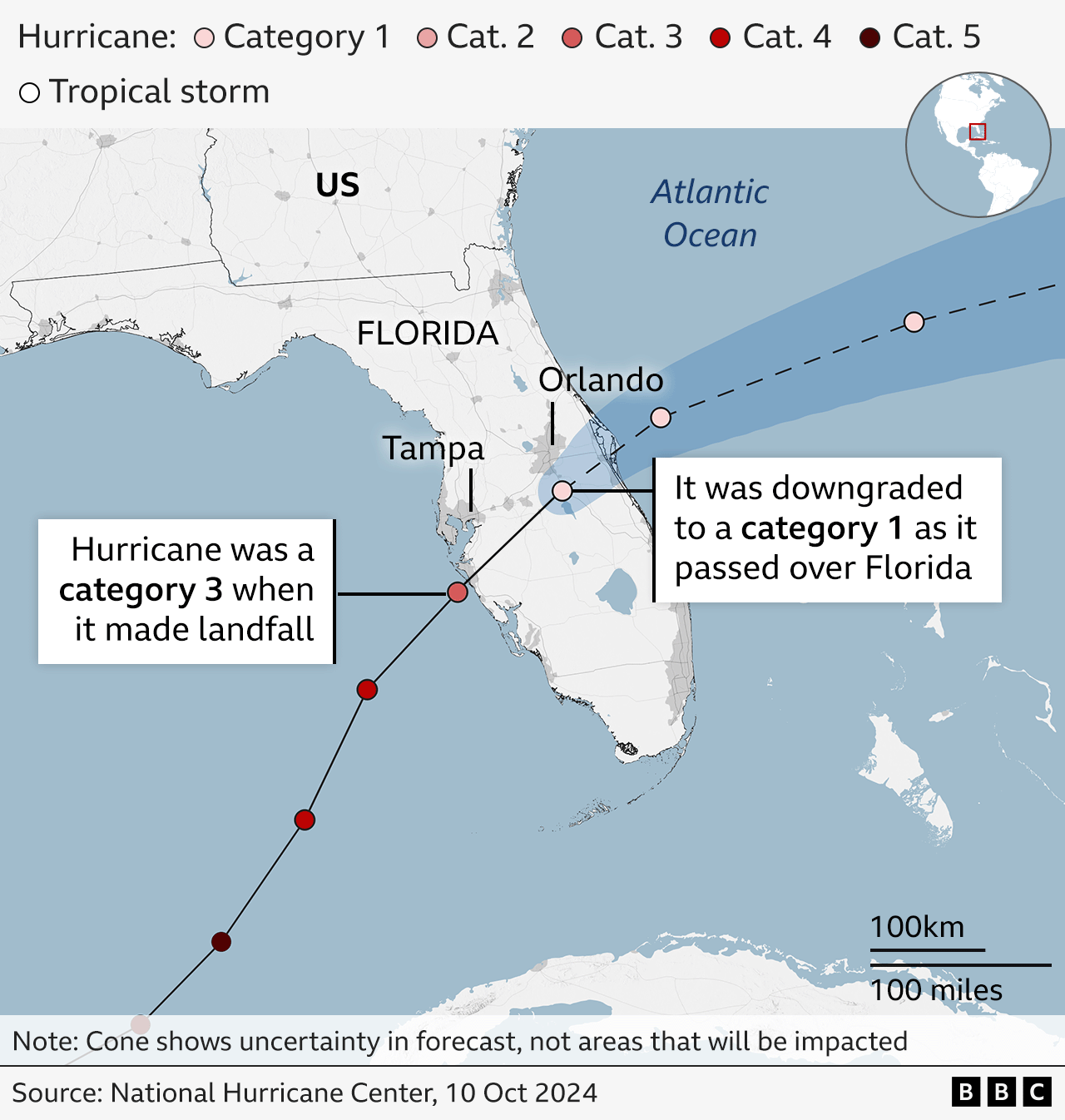
Florida’s climate is predominantly subtropical to tropical, characterized by warm temperatures and distinct wet and dry seasons. The much-discussed hurricane season officially runs from June 1st to November 30th each year. During this period, the state experiences an increased likelihood of tropical depressions, tropical storms, and hurricanes forming in the Atlantic Ocean, Caribbean Sea, and Gulf of Mexico. It’s crucial to understand the difference: a tropical storm has sustained winds of 39-73 mph, while a hurricane boasts winds of 74 mph or higher, classified into categories based on intensity. The “where” of a storm is highly variable. While the Florida Keys and the Gulf Coast (including areas like Tampa and Naples) are often perceived as more vulnerable, the entire coastline, including the Atlantic Coast (from Jacksonville to Miami), can be impacted. Inland areas, while shielded from storm surge, can still experience heavy rainfall, strong winds, and localized flooding. The key is monitoring reliable weather resources such as the National Hurricane Center (NHC) and local news outlets, which provide real-time updates and forecasts. These resources are invaluable for any traveler, allowing for informed decisions as weather systems develop and track.
Protecting Your Florida Vacation: Preparation and Flexibility
Embarking on a Florida vacation, especially during hurricane season, requires a strategic approach to planning that prioritizes peace of mind. While the vast majority of days during this period are sunny and beautiful, being prepared for potential weather disruptions is paramount. This isn’t about fostering anxiety, but rather empowering travelers with the tools and knowledge to navigate unforeseen circumstances smoothly. The proactive steps taken before departure can make all the difference, transforming a potentially stressful situation into a manageable inconvenience. From securing your financial investment in the trip to understanding how to stay informed once you’ve arrived, intelligent preparation ensures that your Florida experience remains largely positive, focused on enjoyment rather than worry.
Essential Pre-Trip Planning: Travel Insurance and Flexible Bookings
The cornerstone of a worry-free Florida trip during storm season is comprehensive travel insurance. This vital investment can cover everything from trip cancellations or interruptions due to adverse weather to medical emergencies and lost luggage. When purchasing, ensure the policy specifically includes coverage for hurricanes or tropical storms, as not all standard policies do. It’s also wise to check the “cancel for any reason” (CFAR) clauses, which offer the highest flexibility, although they often come at a premium. Beyond insurance, opting for flexible booking options for flights and accommodation is a game-changer. Many airlines now offer tickets with waived change fees, which can be invaluable if your travel dates need to shift. Similarly, when booking hotels, resorts, apartments, or villas, prioritize properties with generous cancellation policies. Large hotel chains like Marriott Bonvoy and Hilton Resorts often have well-defined hurricane policies, sometimes allowing free cancellations or rebookings if a storm impacts the area. Independent boutique hotels and private villas might offer more personalized flexibility, but it’s crucial to confirm their specific terms in advance. Packing also deserves a thought: beyond typical vacation attire, consider bringing a compact umbrella or light raincoat, comfortable walking shoes that can handle wet conditions, and a portable power bank for electronic devices in case of temporary power outages.
Staying Informed On The Ground: Real-Time Updates and Local Resources

Once you’ve arrived in Florida, maintaining awareness of local weather conditions is crucial. Download reputable weather apps that provide real-time radar and storm tracking, such as the National Weather Service app or local news station apps specific to your destination. Tune into local radio and television broadcasts for emergency alerts and official advisories. Your accommodation provider – whether it’s a major resort like the Grand Hyatt Orlando, a cozy bed and breakfast in Key West, or an apartment rental in South Beach – will be an invaluable source of information. Most reputable establishments have established communication protocols during weather events, providing guests with updates on facility closures, safety procedures, and evacuation instructions if necessary. Familiarize yourself with your hotel’s emergency plan upon check-in. Furthermore, it’s wise to know the general evacuation routes for your specific location, even if you don’t anticipate needing them. Local tourism boards and city websites also often publish visitor-specific storm preparedness information. Staying connected and informed ensures you can make timely decisions for your safety and comfort, allowing you to react proactively rather than being caught off guard.
Beyond The Storm Clouds: Enjoying Florida Safely
While the conversation around Florida’s weather can sometimes focus on potential disruptions, it’s vital to remember that the state is incredibly resilient and offers a wealth of experiences even if a storm system passes through or is in the vicinity. The vast majority of Florida remains unaffected at any given time, and even in areas experiencing weather, there are numerous ways to adapt and still have a fulfilling trip. Embracing flexibility and focusing on alternative activities can transform a potentially damp day into an opportunity for new discoveries. The state’s extensive tourism infrastructure is designed to handle various scenarios, ensuring visitor safety and maintaining accessibility to its many attractions. It’s about shifting perspective – seeing a change in plans not as a setback, but as an invitation to explore different facets of Florida’s rich culture and diverse offerings.
Adapting Your Itinerary: Indoor Attractions and Alternative Experiences
Should outdoor activities be hampered by rain or wind, Florida boasts an impressive array of indoor attractions. In Orlando, beyond the outdoor thrills of Walt Disney World Resort or Universal Orlando Resort, visitors can explore indoor marvels like the Kennedy Space Center Visitor Complex, offering an awe-inspiring journey through space exploration, or numerous indoor entertainment complexes. Miami offers a vibrant arts and culture scene, with world-class museums such as the Pérez Art Museum Miami (PAMM) and the Phillip and Patricia Frost Museum of Science, as well as extensive shopping districts like Brickell City Centre. On the Gulf Coast, Tampa provides options like the Florida Aquarium, a spectacular marine wonderland, and the Tampa Museum of Art. Nearby St. Petersburg is home to the world-renowned Dalí Museum, housing the largest collection of Salvador Dalí’s works outside Europe. For those interested in local culture and food, consider taking a cooking class focusing on Floribbean cuisine, visiting an indoor artisan market, or simply indulging in the state’s diverse culinary scene, from upscale dining to charming local eateries. Many resorts and hotels offer excellent indoor amenities, including spas, fitness centers, and entertainment lounges, perfect for a relaxing day when the weather isn’t cooperating for beach activities.
Post-Storm Florida: Resilience and Recovery for Tourists
One of the most remarkable aspects of Florida is its rapid recovery and resilience after a storm. While a specific area might experience temporary closures or damage, the state’s robust infrastructure and dedicated local communities work quickly to restore services and reopen attractions. It’s crucial for travelers to understand that an isolated storm event in one part of the state does not necessarily impact the entire region. For example, a storm affecting the Florida Panhandle may have no bearing on conditions in South Florida. Before heading to an attraction or landmark after a storm, always check their official websites or social media for the most up-to-date information on operating hours and accessibility. Supporting local businesses in the aftermath of a storm can also be a meaningful part of your trip, contributing directly to the community’s recovery efforts. The spirit of Florida is one of optimism and strength, and its tourism sector is particularly adept at bouncing back, ensuring that visitors can continue to enjoy the state’s beauty and hospitality with minimal lasting disruption.

Florida’s Enduring Appeal: A Year-Round Destination
Despite the seasonal considerations of storms, Florida’s magnetic appeal remains constant, cementing its status as a premier global travel destination. Its expansive coastline, diverse ecosystems, and rich cultural tapestry offer something for every type of traveler, any time of the year. While hurricane season requires a mindful approach to planning, it should not overshadow the state’s inherent charm and the countless opportunities for unforgettable experiences. Many visitors find that traveling during the fringes of storm season, or even during certain periods within it, can offer benefits such as fewer crowds and potentially lower accommodation rates. The key is balance: appreciating the state’s natural beauty while respecting its climate patterns.
The “best time” to visit Florida for reliably dry and sunny weather is typically from December to May. During these months, temperatures are mild, humidity is lower, and the chances of tropical weather are minimal. This period is ideal for exploring outdoor landmarks like Everglades National Park, where you can encounter unique wildlife, or enjoying the world-famous beaches of Siesta Key and Clearwater Beach. However, even outside these peak times, Florida’s vastness means that conditions can vary significantly across the state. While one region might be experiencing a rainy spell, another, hundreds of miles away, could be bathed in sunshine.
Ultimately, the question “Where is the storm in Florida?” isn’t a reason to postpone or cancel a trip, but rather an invitation to plan wisely and flexibly. With proper travel insurance, flexible bookings, and a proactive approach to staying informed, a vacation to Florida can be everything you dream of, regardless of the season. Whether you’re seeking the thrills of Busch Gardens in Tampa, the laid-back atmosphere of the Florida Keys, the vibrant nightlife of South Beach, or the quiet solitude of a natural spring, Florida’s enduring appeal lies in its ability to offer diverse and enriching experiences, standing as a testament to its resilience and boundless hospitality. Plan smart, stay informed, and get ready to discover why the Sunshine State truly shines, rain or shine.
LifeOutOfTheBox is a participant in the Amazon Services LLC Associates Program, an affiliate advertising program designed to provide a means for sites to earn advertising fees by advertising and linking to Amazon.com. Amazon, the Amazon logo, AmazonSupply, and the AmazonSupply logo are trademarks of Amazon.com, Inc. or its affiliates. As an Amazon Associate we earn affiliate commissions from qualifying purchases.