
For many, the mention of Florida conjures images of sun-drenched beaches, thrilling theme parks, and a vibrant, laid-back lifestyle. It’s a premier destination for travelers seeking everything from luxurious escapes to budget-friendly family adventures. But beneath the surface of its stunning landscapes and world-class attractions, an often-overlooked factor plays a significant role in shaping the travel experience, the hospitality industry, and even the daily lives of residents and long-term visitors: the minimum wage.
Understanding the minimum wage in Florida isn’t just a matter for economists or job seekers; it’s a crucial piece of the puzzle for anyone looking to truly grasp the dynamics of the Sunshine State. From the cost of a gourmet meal in Miami to the price of a souvenir at Walt Disney World Resort, the compensation of the dedicated individuals who make these experiences possible directly influences various aspects of your trip. It touches on everything from the quality of service you might receive to the overall affordability of your vacation, and even the feasibility of an extended stay or working holiday in this popular United States destination.
This article delves into the current state of Florida’s minimum wage, exploring its implications for tourism, accommodation, and the diverse lifestyles found across the state. Whether you’re planning a short getaway, considering a seasonal job, or contemplating a permanent move, grasping this fundamental economic indicator will provide a richer, more informed perspective on all that Florida has to offer.
The Current Landscape of Florida’s Minimum Wage: An Evolving Economic Pillar
Florida’s minimum wage has been on a significant upward trajectory in recent years, a trend driven by voter-approved constitutional amendments. This progressive increase aims to reach a living wage standard, which has substantial implications for the state’s vast service and tourism industries. Unlike the federal minimum wage, which currently stands at a lower rate, Florida has its own distinct and higher standard, reflecting the state’s unique economic environment and cost of living.
As of September 30, 2024, the minimum wage in Florida is set to increase to $13.00 per hour for non-tipped employees. This marks another step in a series of annual increments. Before this, it was $12.00 per hour, illustrating a consistent commitment to raising worker compensation. For many businesses, particularly those in hospitality, retail, and food service, these changes necessitate adjustments to operational budgets, pricing strategies, and staffing models. For the traveler, this means a subtle but pervasive influence on the cost of goods and services encountered throughout their journey.
A Historical Perspective and Future Outlook
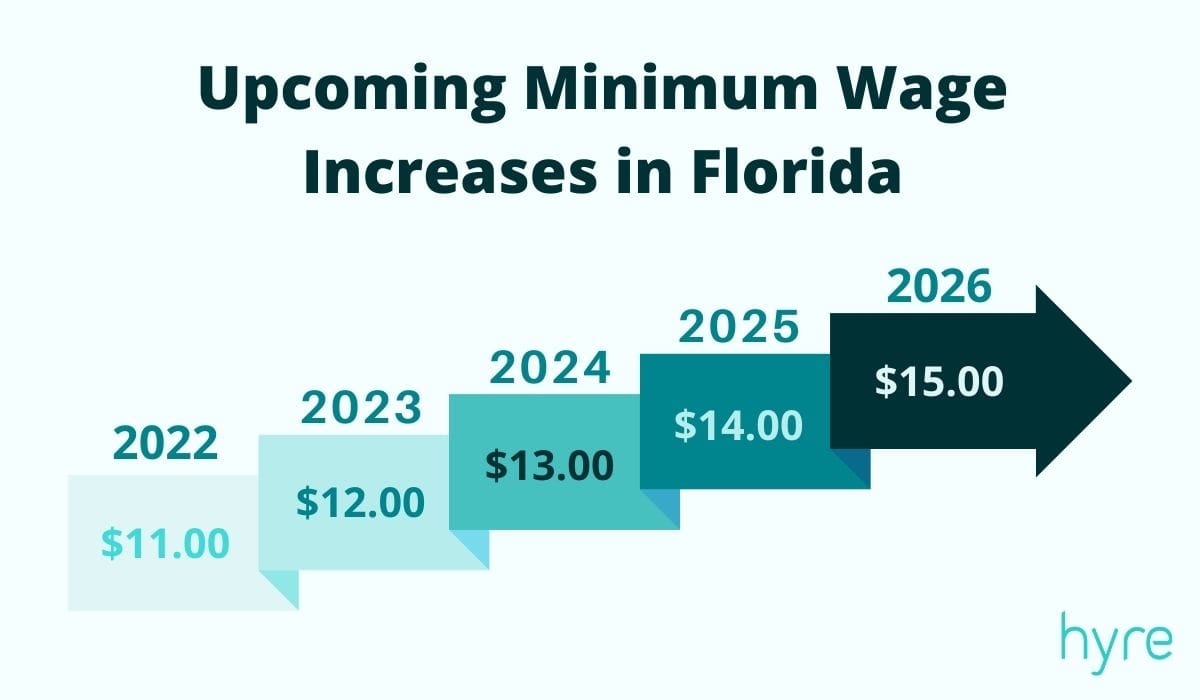
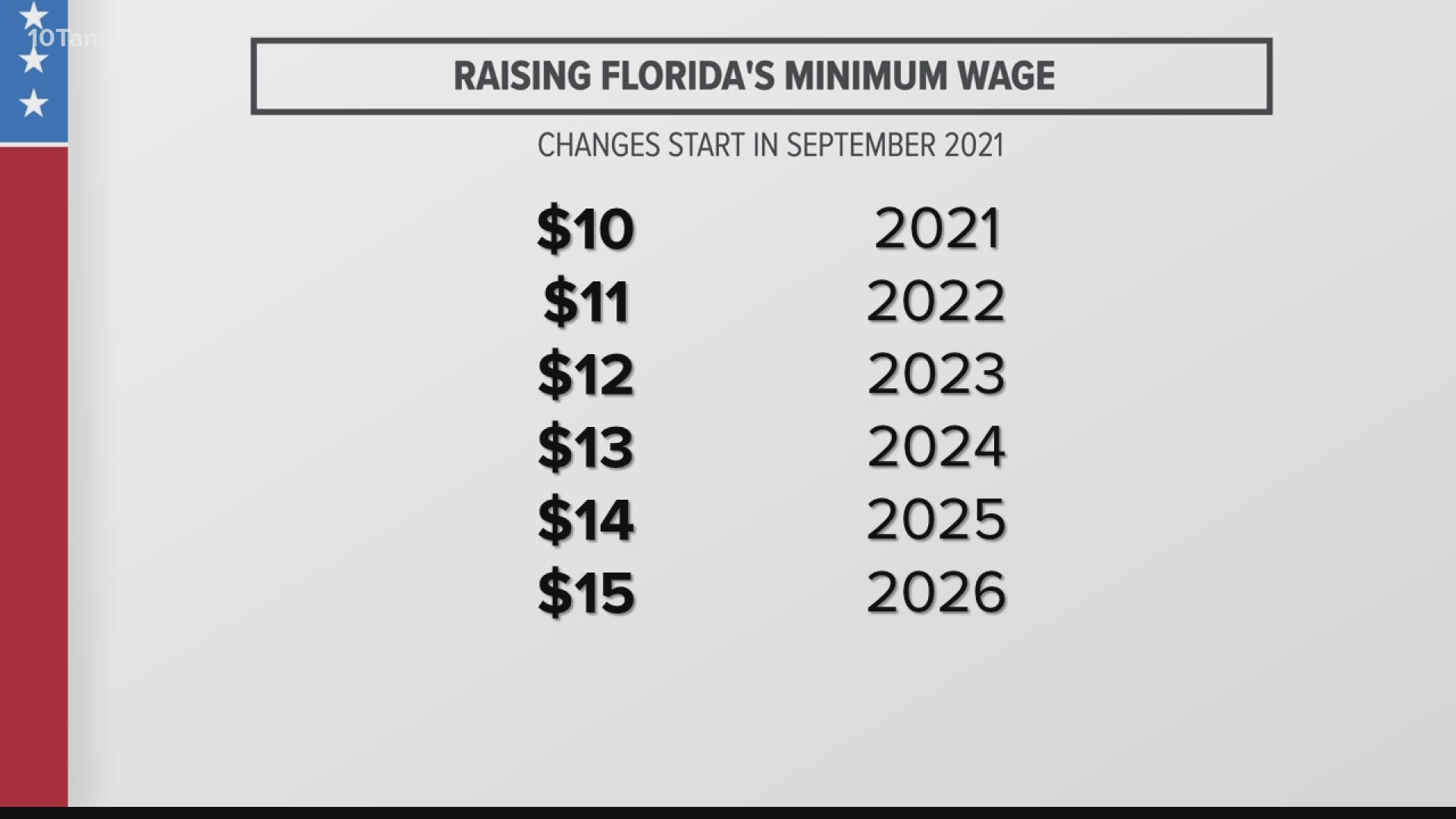
The journey towards the current minimum wage structure in Florida began with a grassroots movement that culminated in Amendment 2, passed by voters in 2020. This amendment mandated a gradual increase of the minimum wage to $15.00 per hour by September 30, 2026. Following that, future increases will be tied to inflation, ensuring that the purchasing power of the wage keeps pace with economic changes.
- September 30, 2021: $10.00 per hour
- September 30, 2022: $11.00 per hour
- September 30, 2023: $12.00 per hour
- September 30, 2024: $13.00 per hour
- September 30, 2025: $14.00 per hour
- September 30, 2026: $15.00 per hour
This clear roadmap provides predictability for businesses and workers alike. For visitors considering a long-term stay or seeking employment in Florida, this phased increase means that the economic landscape is continually evolving, with potential improvements in earning power over time. It reflects a statewide effort to address issues of affordability and economic equity, a conversation that resonates deeply within bustling urban centers like Orlando and Tampa, where the cost of living can be particularly high.
Tipped Employees and Special Wage Rules
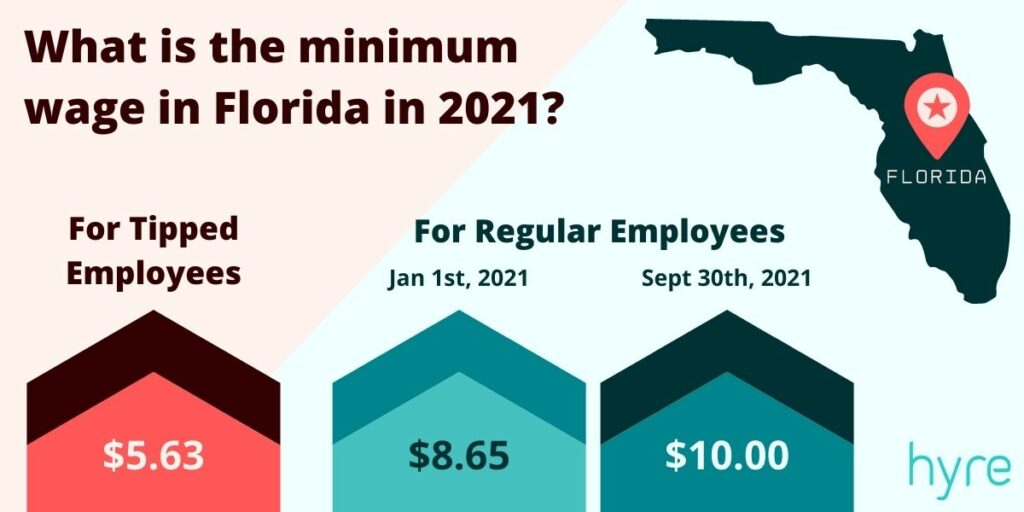
It’s important to differentiate between the standard minimum wage and the minimum wage for tipped employees. In Florida, employers of tipped employees (those who customarily and regularly receive more than $30 per month in tips) are permitted to take a “tip credit” against the standard minimum wage. This means they can pay a lower direct wage, provided that the employee’s tips, when combined with their direct wage, meet or exceed the standard minimum wage.
Specifically, the tipped minimum wage in Florida is generally $3.02 less than the standard minimum wage. So, as of September 30, 2024, the direct wage for tipped employees will be $9.98 per hour ($13.00 – $3.02). This structure is particularly relevant to the tourism sector, as it applies to restaurant servers, bartenders, hotel bellhops, and many other service staff who rely heavily on gratuities.
For tourists, understanding this distinction can influence tipping practices. While tipping is customary across the United States for good service, knowing that a significant portion of a service worker’s income in Florida comes from tips reinforces the importance of fair gratuities, especially when considering the rising cost of living in popular tourist hubs.
How Minimum Wage Shapes Your Florida Travel Experience
The minimum wage in Florida is not just an abstract economic figure; it has tangible impacts on every aspect of your travel experience, from the hospitality you receive to the overall cost of your trip. As a state heavily reliant on tourism, the well-being and compensation of its service workforce are intrinsically linked to the quality and cost-effectiveness of its offerings.
Impact on Service Quality and Hospitality
At the heart of Florida’s appeal is its renowned hospitality. From the concierge at your luxury hotel in Palm Beach to the ride operator at Universal Studios Florida, thousands of individuals work tirelessly to ensure visitors have memorable experiences. A fair minimum wage can contribute to higher employee morale, lower turnover rates, and greater dedication to service excellence. When workers feel valued and adequately compensated, they are more likely to provide exceptional service, enhancing your overall satisfaction.
Conversely, if wages are perceived as insufficient, it can lead to staffing shortages, less engaged employees, and a potential decline in service quality. Hotels, resorts, restaurants, and attractions across the state, from Key West to Jacksonville, must navigate these economic realities. Many establishments, particularly high-end ones like The Breakers Palm Beach or the Four Seasons Resort Orlando at Walt Disney World Resort, often pay above the minimum wage to attract and retain top talent, further ensuring a premium guest experience. However, the minimum wage sets a baseline, influencing the entire wage structure of the industry.
Budgeting for Your Florida Adventure
The minimum wage directly influences the operational costs for businesses, which in turn can affect consumer prices. As wages increase, businesses may adjust prices for hotel rooms, restaurant meals, attraction tickets, and other services to absorb these higher labor costs. This isn’t necessarily a bad thing, especially if it leads to better service, but it’s a factor to consider when planning your travel budget.
- Accommodation: Hotels, from budget motels to sprawling resorts, employ a wide array of staff, including housekeepers, front desk agents, and maintenance crews. Their wages are part of the operational overhead. While a night at a Hyatt Centric Key West Resort & Spa might already be a splurge, even more moderately priced options will reflect the underlying cost of labor in their room rates. Searching for deals, booking in advance, or considering off-peak seasons can help manage these expenses.
- Dining: Florida’s culinary scene is diverse, from casual beachside cafes to upscale fine dining. The increased minimum wage for tipped employees (even with the tip credit) means that restaurants might adjust menu prices to cover increased labor costs, even if waitstaff largely earn their income from tips. Savvy travelers might explore local markets, cook some of their meals in vacation rentals, or seek out establishments offering happy hour deals to keep food costs in check.
- Attractions and Activities: Theme parks like Walt Disney World Resort and Universal Studios Florida employ tens of thousands of individuals. While these major attractions have significant revenue streams, the rising minimum wage contributes to their overall operational expenses, potentially influencing ticket prices or the cost of on-site services. Exploring free or low-cost alternatives, such as Everglades National Park or the pristine beaches along the Gulf of Mexico and Atlantic Ocean, can help balance your budget.
Ultimately, while Florida remains an incredibly popular destination, a thoughtful approach to budgeting, informed by an understanding of local economic factors, can ensure a more enjoyable and stress-free trip.
Exploring Diverse Lifestyles: From Budget to Luxury in the Sunshine State
Florida offers a spectrum of lifestyles, catering to every preference and budget. The minimum wage plays a foundational role in defining what is considered “budget-friendly” versus “luxury.”
For those embarking on a budget travel adventure, understanding the minimum wage landscape can help in planning. Opting for accommodations outside major tourist corridors, utilizing public transport or ride-sharing services, and focusing on free attractions (like a stroll on South Beach or exploring state parks) become more crucial when every dollar counts. Eating at local diners or preparing meals in self-catering apartments can significantly reduce costs. Even for those working temporarily in Florida on a minimum wage, careful budgeting is essential to enjoy the state’s offerings.
On the other hand, luxury travel in Florida often means indulging in experiences where cost is less of a concern. Staying at five-star resorts like The Ritz-Carlton, Sarasota or Hilton Orlando Bonnet Creek, enjoying Michelin-starred dining, and hiring private guides are all part of the experience. The higher minimum wage, while potentially increasing baseline costs for these establishments, also supports the highly skilled and attentive staff that define a luxury service experience. Here, the minimum wage helps ensure a baseline of professional compensation, indirectly upholding the standards of the entire service industry, even at its highest echelons.
Whether one is pinching pennies in St. Petersburg or splurging in Naples, the minimum wage acts as an underlying economic force, shaping the accessibility and character of various lifestyle choices available to both visitors and residents across the state.
Working and Living in Florida: A Deeper Dive for Long-Term Stays
For those considering more than just a fleeting visit – perhaps an extended vacation, a seasonal job, or even a permanent relocation – understanding Florida’s minimum wage becomes even more critical. It moves from an indirect influence on travel costs to a direct determinant of potential income, affordability, and overall quality of life.
Navigating the Job Market and Cost of Living
Florida’s economy is robust and diverse, with major sectors including tourism, agriculture, international trade, aerospace, and finance. However, many entry-level and service industry positions, particularly prevalent in tourist-heavy areas, will align with minimum wage standards. For individuals looking to work in Florida, especially those in roles like restaurant staff, retail associates, or entry-level hotel positions, the state’s minimum wage sets the floor for earning potential.
While the increasing minimum wage is a positive step, it’s crucial to juxtapose it against the cost of living, which varies significantly across Florida. Major metropolitan areas such as Miami, Orlando, Fort Lauderdale, and parts of the Florida Keys tend to have higher living expenses, particularly for housing. Earning the minimum wage in these areas might present financial challenges, requiring careful budgeting and perhaps multiple income streams. In contrast, smaller cities like Pensacola or communities in inland Florida might offer a more favorable cost-of-living-to-wage ratio.
Anyone contemplating seasonal work or a longer-term stay should thoroughly research the cost of living in their target area. Consider expenses beyond just rent, such as utilities, transportation, groceries, and health insurance. Resources that compare minimum wage against local cost of living indices can provide valuable insights for making informed decisions.
Accommodation Choices and Rental Market Dynamics
Accommodation is often the largest expense for both travelers and long-term residents. The minimum wage directly impacts the affordability of housing for local workers, which in turn influences the rental market. In areas with a high demand for hospitality workers but limited affordable housing, a phenomenon common in places like Orlando near the theme parks or in the bustling urban core of Miami, finding suitable accommodation on a minimum wage salary can be challenging.
For those planning extended stays or working holidays, exploring different types of accommodation beyond traditional hotels becomes essential. This could include:
- Long-term rentals: Apartments or shared housing can be more cost-effective than short-term hotel bookings. Websites focused on long-term rentals are a good starting point.
- Vacation rentals: For stays of a few weeks to a few months, a vacation rental with kitchen facilities can help save on dining expenses.
- Hostels or extended-stay hotels: These options often cater to budget-conscious travelers and seasonal workers, providing more amenities for longer durations.
The dynamic interplay between the rising minimum wage and Florida’s competitive rental market underscores the importance of advanced planning and flexibility when securing accommodation, especially in popular destinations like Sarasota or Daytona Beach.
Lifestyle Considerations Beyond Wages: Attractions and Quality of Life
While wages and expenses are primary considerations, Florida offers an unparalleled quality of life that often compensates for economic challenges. The state boasts an abundance of natural beauty, from the pristine beaches of Amelia Island to the unique ecosystem of Everglades National Park, much of which can be enjoyed at little to no cost.
For someone earning the minimum wage, strategically choosing where to live can greatly impact their ability to enjoy Florida’s offerings. Living slightly outside major tourist zones can reduce housing costs while still providing access to beaches, cultural events, and outdoor activities. The state’s vibrant arts scenes, diverse communities, and constant sunshine contribute significantly to a desirable lifestyle, making it an attractive place even for those on tighter budgets.
Understanding the minimum wage in Florida is not just about a number; it’s about understanding the underlying economic framework that supports the state’s massive tourism industry and defines the daily reality for countless individuals. For travelers, this knowledge empowers better budgeting and appreciation for the service industry. For those considering working or living in the Sunshine State, it provides essential context for financial planning and lifestyle choices. Whether you’re chasing thrill rides or serene sunsets, a deeper understanding of Florida’s economic pulse will undeniably enrich your experience.
LifeOutOfTheBox is a participant in the Amazon Services LLC Associates Program, an affiliate advertising program designed to provide a means for sites to earn advertising fees by advertising and linking to Amazon.com. Amazon, the Amazon logo, AmazonSupply, and the AmazonSupply logo are trademarks of Amazon.com, Inc. or its affiliates. As an Amazon Associate we earn affiliate commissions from qualifying purchases.