
As the vibrant heart of American tourism and a global lifestyle beacon, Florida consistently captivates with its sun-drenched beaches, world-class attractions, and unique cultural tapestry. Beyond the allure of its famous landmarks and luxurious resorts, the state’s political landscape plays a crucial, often underestimated, role in shaping the very experiences that draw millions of visitors and residents alike. The upcoming 2026 gubernatorial election in Florida is poised to be a pivotal moment, not just for its citizens, but for the vast ecosystem of travel, hospitality, and accommodation that defines the Sunshine State. Understanding who might be vying for the state’s highest office offers fascinating insights into the potential future direction of Florida’s tourism policies, infrastructure development, environmental protection, and overall lifestyle.
The governor’s mansion in Tallahassee isn’t merely a seat of political power; it’s a launchpad for policies that can invigorate or impede the state’s primary economic drivers. From funding decisions impacting destination marketing efforts by entities like Visit Florida to regulations affecting the hospitality industry, the governor’s influence resonates deeply within every corner of this travel-centric state. As current Governor Ron DeSantis concludes his term, a new generation of leaders is expected to emerge, each bringing a distinct vision for Florida’s future. This article delves into the potential contenders and how their political ambitions and policy platforms could ripple through Florida’s esteemed tourism and lifestyle sectors.
The Sunshine State’s Political Landscape and Its Tourism Impact
Florida’s political climate is as dynamic as its weather, often a battleground of national significance. The governor’s office holds immense sway over legislation, budgets, and state agencies, all of which directly or indirectly touch the tourism and hospitality industries. Consider the impact on infrastructure: decisions on road construction, airport expansions, and public transit initiatives directly affect how easily travelers can access destinations like Miami, Orlando, or Tampa. Environmental policies dictate the preservation of natural wonders such as Everglades National Park or the pristine beaches of Siesta Key, which are invaluable tourist attractions. Even broader lifestyle policies, from housing to public safety, contribute to the overall appeal and perceived quality of a destination.
A Battle for the Future of Florida’s Travel Industry
The 2026 election is anticipated to draw a strong field of candidates, particularly from the Republican Party, given Florida’s recent political leanings and the open seat. Potential Republican hopefuls are likely to emphasize economic growth, deregulation, and a business-friendly environment—policies that historically resonate with large segments of the tourism industry.
One prominent name often mentioned is Lieutenant Governor Jeanette Nuñez. Having served alongside Governor DeSantis, she brings executive experience and a deep understanding of state governance. Her potential platform would likely continue the current administration’s focus on fiscal conservatism, low taxes, and support for enterprise, which could be seen as beneficial for hotel chains, theme parks, and other tourism-dependent businesses. Imagine continued investment in major transportation projects like the expansion of PortMiami or upgrades to Orlando International Airport, facilitating easier access for international visitors and cruise passengers.
Another strong contender could be Attorney General Ashley Moody. Her background in law enforcement and public safety could lead to a campaign prioritizing safety and order, aspects that are critical for maintaining Florida’s reputation as a safe destination for family travel and luxury tourism. Policies that enhance public safety can significantly boost traveler confidence, encouraging more visits to popular spots like Walt Disney World Resort or the vibrant streets of South Beach.
Chief Financial Officer Jimmy Patronis, with his extensive business background and experience in state finance, is another likely candidate. His focus on economic stability and efficient government operations could translate into policies that streamline regulations for new hotel developments, attract more investment in hospitality infrastructure, and ensure competitive tax rates for businesses crucial to tourism, from charming boutique hotels in St. Augustine to sprawling resorts in Naples.
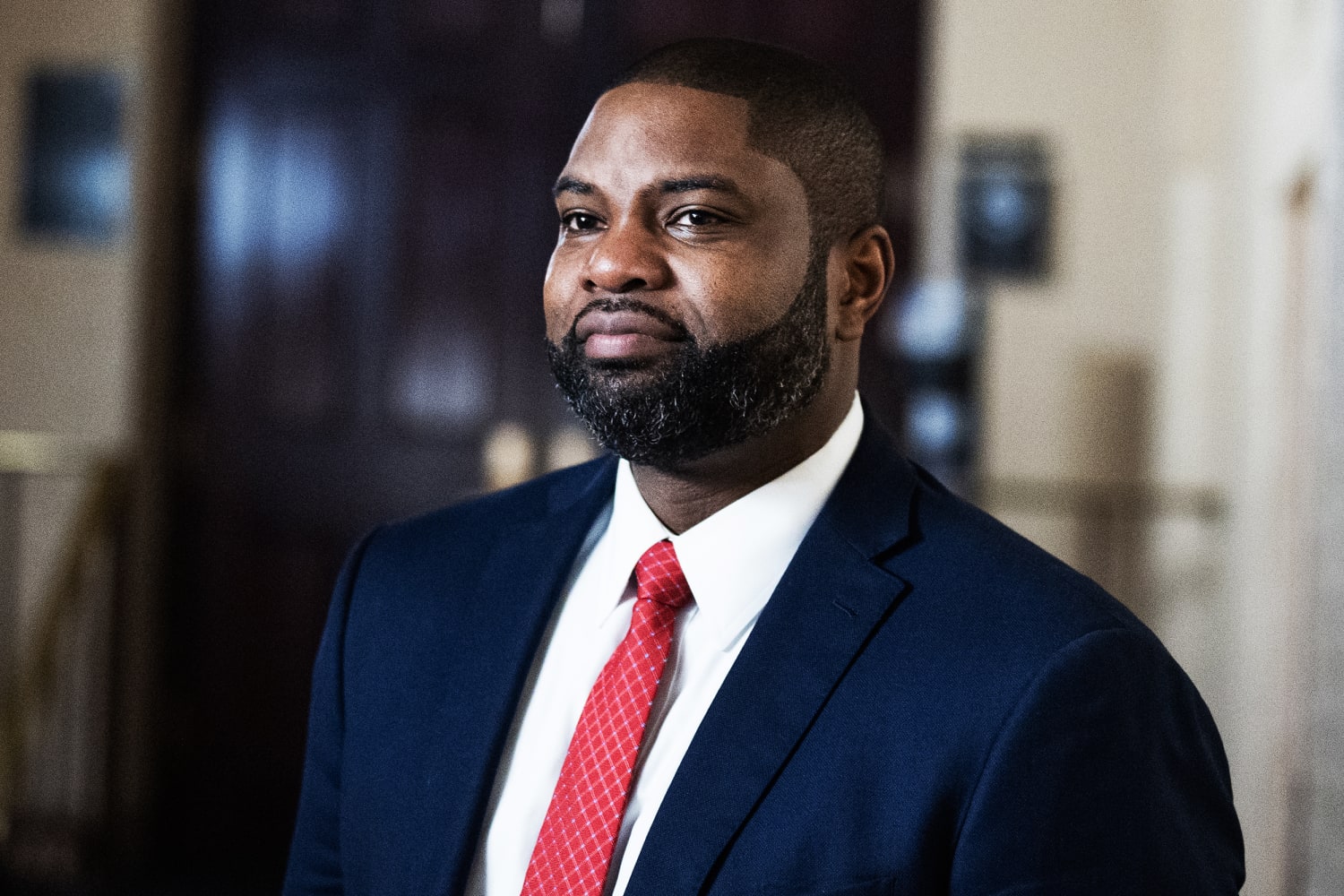
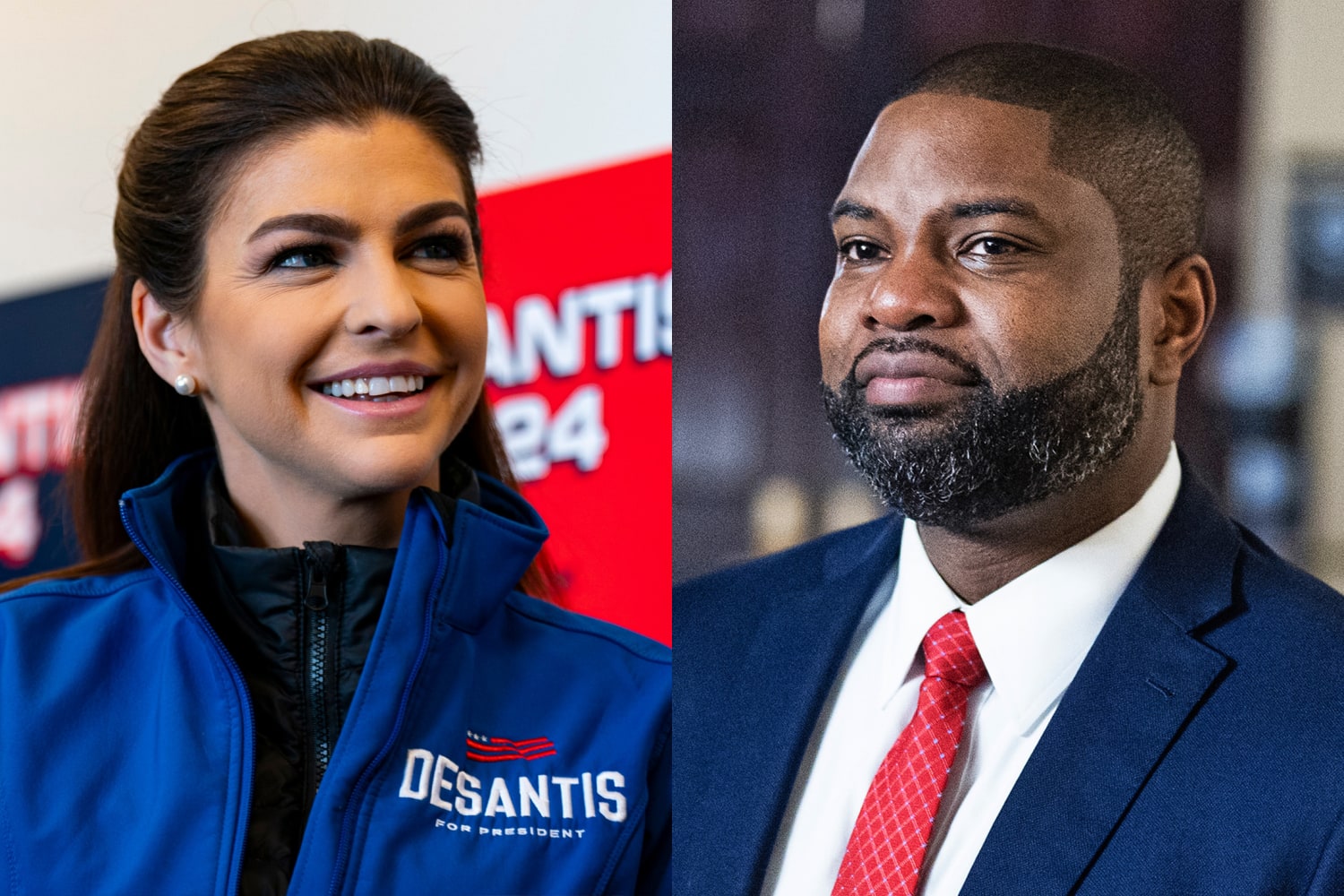
From the federal stage, Congressman Byron Donalds, representing a district that includes parts of Fort Myers and Naples, could also be a formidable contender. His national profile and conservative credentials would undoubtedly draw significant attention. His platform might emphasize individual liberty and economic freedom, which could translate into policies supporting diverse business models within the tourism sector, including vacation rentals and small, independent tour operators. Similarly, Congressman Matt Gaetz, known for his outspoken style, might also consider a run. While his primary focus tends to be on national political debates, his potential influence on state policy could affect local tourism by advocating for specific regional interests, particularly in the Florida Panhandle, which boasts destinations like Destin and Panama City Beach.
Democratic Aspirants and Their Vision for Florida’s Lifestyle and Accommodation
While Florida has trended Republican in recent cycles, the Democratic Party is expected to field strong candidates aiming to reclaim the governor’s mansion. Their platforms typically emphasize social programs, environmental protection, and addressing income inequality, all of which have significant implications for the state’s lifestyle and accommodation sectors.
Shaping the Guest Experience: From Luxury Resorts to Budget Stays
Democratic candidates are likely to highlight issues such as affordable housing, workers’ rights, and environmental conservation—themes that resonate with a different segment of the electorate but also critically impact the broader tourism landscape. For instance, policies promoting affordable housing for hospitality workers could ease staffing shortages that often plague hotels and resorts, from the luxury properties of Palm Beach, like The Breakers, to the many budget-friendly hotels and motels in Kissimmee catering to theme park visitors.
Potential Democratic candidates could include figures like Congresswoman Lois Frankel, who represents a district in South Florida. Her focus on social issues and environmental advocacy could lead to policies that prioritize the protection of Florida’s delicate ecosystems, such as the Florida Keys coral reefs or the pristine beaches of Amelia Island. Such policies are vital for eco-tourism and maintaining the natural beauty that attracts millions seeking outdoor experiences and tranquil getaways.
Congressman Jared Moskowitz, known for his pragmatic approach, might also be a contender. His potential platform could balance economic development with social responsibility, perhaps advocating for investments in public transportation to reduce traffic congestion in tourist hotspots and improve accessibility for both residents and visitors. This could include further developing services like the Brightline rail, connecting cities like Miami, Fort Lauderdale, and Orlando, making inter-city travel more convenient and sustainable.
State Senator Shevrin Jones and State Representative Anna V. Eskamani represent the rising stars within the state Democratic Party. Their campaigns would likely focus on community development, workers’ rights, and addressing the cost of living. Policies emanating from such platforms could influence the minimum wage for hospitality staff, potentially affecting operating costs for hotels but also improving the quality of service by attracting and retaining skilled employees. Furthermore, their emphasis on preserving local cultures and supporting small businesses could boost niche tourism, encouraging visitors to explore authentic local experiences beyond the major theme parks—think of the historic charm of Tarpon Springs or the vibrant art scene in St. Petersburg. A candidate like Agriculture Commissioner Wilton Simpson, though a Republican, has a strong statewide profile and could appeal to voters interested in protecting Florida’s agricultural lands, which also contribute to agritourism and local food experiences.
Key Issues Influencing Florida’s Future Tourism and Travel
Beyond individual candidates, several overarching issues will define the 2026 gubernatorial race and have profound implications for Florida’s status as a premier travel destination.
Environmental Protection and Its Role in Preserving Florida’s Natural Landmarks
Florida’s allure is inextricably linked to its stunning natural environment. From the unique ecosystems of the Everglades to the crystal-clear springs like Wakulla Springs, these natural landmarks are major drawcards for tourists. Candidates’ stances on climate change, sea-level rise, water quality, and land conservation will directly impact the long-term viability of these attractions. A governor committed to robust environmental protection measures could fund projects to restore the Everglades, protect coastal areas from erosion, and preserve state parks, enhancing their appeal for eco-tourists and outdoor enthusiasts. Conversely, policies that neglect these issues could lead to irreversible damage, diminishing the state’s natural beauty and its tourism potential. The health of Biscayne National Park and the fishing industries throughout the Florida Gulf Coast are directly tied to these environmental considerations.
Infrastructure Development and Accessibility for Travelers
As Florida’s population and visitor numbers continue to soar, the state’s infrastructure faces increasing strain. The candidates for governor will need to present clear plans for addressing these challenges. Investment in modernizing and expanding transportation networks—roads, public transit, airports, and seaports—is critical. Improvements to major thoroughfares and expressways are essential for easing traffic for tourists driving to destinations like Key West or Sarasota. Upgrades at international gateways such as Miami International Airport and Fort Lauderdale-Hollywood International Airport are crucial for handling the influx of international visitors. Moreover, the development of sustainable public transportation solutions, perhaps expanding inter-city rail or developing more comprehensive local transit in urban centers, could enhance the overall visitor experience, reducing reliance on rental cars and improving accessibility. A commitment to infrastructure not only benefits tourism but also the daily lives of Florida residents, creating a more seamless and enjoyable environment for everyone.

Following the Race: Implications for Your Next Florida Getaway
For avid travelers, hotel connoisseurs, and anyone considering a move or extended stay in Florida, the 2026 gubernatorial election is more than just a political event; it’s a barometer for the state’s future travel and lifestyle landscape. The policies enacted by the next governor could significantly influence:
- Destination Marketing and Promotion: How aggressively Florida is marketed to national and international audiences. A governor supportive of robust funding for Visit Florida could ensure the state remains a top-of-mind destination.
- Regulatory Environment for Hotels and Rentals: Policies regarding short-term rentals, hotel taxes, and zoning laws can affect the availability and pricing of accommodation across the state, from luxury villas in Orlando to cozy beachfront cottages on Anna Maria Island.
- Development of New Attractions and Amenities: Gubernatorial support for economic development can spur the creation of new theme park expansions, cultural centers, or sports complexes, adding fresh experiences for visitors.
- Preservation of Natural and Historic Sites: A governor’s commitment to conservation impacts the long-term health and accessibility of iconic landmarks like the Dry Tortugas National Park or the historic district of Key West.
Staying informed about the platforms of potential candidates will provide valuable insights into the possible trajectories of Florida’s tourism, accommodation, and overall lifestyle. Key debates, primary election results, and policy announcements will offer clues about the priorities of the next administration. For instance, discussions around property insurance, a major issue in Florida, directly affect the cost of operating hotels and vacation rentals, which can trickle down to consumer prices. Debates on educational funding can impact the quality of life in cities like Gainesville or Tallahassee, which are also significant university towns attracting visitors.
Ultimately, the choice voters make in 2026 will not only determine the political leadership of Florida but will also shape the very essence of what makes the Sunshine State an unparalleled destination for travel, a haven for diverse lifestyles, and a dynamic place to call home or visit again and again. The interplay between politics and paradise is particularly strong in Florida, and the upcoming election will be a defining chapter in its ongoing story.
LifeOutOfTheBox is a participant in the Amazon Services LLC Associates Program, an affiliate advertising program designed to provide a means for sites to earn advertising fees by advertising and linking to Amazon.com. Amazon, the Amazon logo, AmazonSupply, and the AmazonSupply logo are trademarks of Amazon.com, Inc. or its affiliates. As an Amazon Associate we earn affiliate commissions from qualifying purchases.