
Florida, often affectionately known as the Sunshine State, has long captivated the imaginations of travelers, prospective residents, and astute investors alike. Its allure stems from an irresistible blend of pristine beaches, vibrant cultural scenes, world-class entertainment, and a generally favorable climate that promises endless days of warmth. From the energetic pulse of Miami to the magical escapism of Orlando‘s theme parks, and the serene Gulf Coast towns like Sarasota and Naples, Florida offers a diverse tapestry of experiences and lifestyles.
For many who visit this captivating state, the dream often evolves beyond a temporary stay at a luxurious resort or a charming hotel. The idea of owning a piece of Florida – whether a vacation home, an investment property for rental income, or a permanent residence – begins to take root. This transition from traveler to property owner is an exciting prospect, promising a lifetime of personal getaways, potential rental income, or the simple joy of calling this paradise home. However, as with any significant financial undertaking, especially in real estate, it comes with a crucial financial consideration that often catches first-time buyers off guard: closing costs.

Closing costs are the administrative and legal fees associated with finalizing a real estate transaction. They are a necessary part of the homebuying process, covering everything from legal services and loan processing to property taxes and title insurance. In Florida, these costs can vary significantly based on the property’s value, the complexity of the transaction, and the specific location within the state, be it a high-value Miami Beach condo or a cozy family home in Kissimmee. Understanding who traditionally pays these costs, what they entail, and how they might be negotiated is paramount for anyone looking to make a sound property investment in the Sunshine State. This comprehensive guide aims to demystify closing costs in Florida, providing clarity for travelers, investors, and future residents seeking their perfect Florida accommodation.
Understanding Closing Costs: A Florida Homebuyer’s Essential Guide
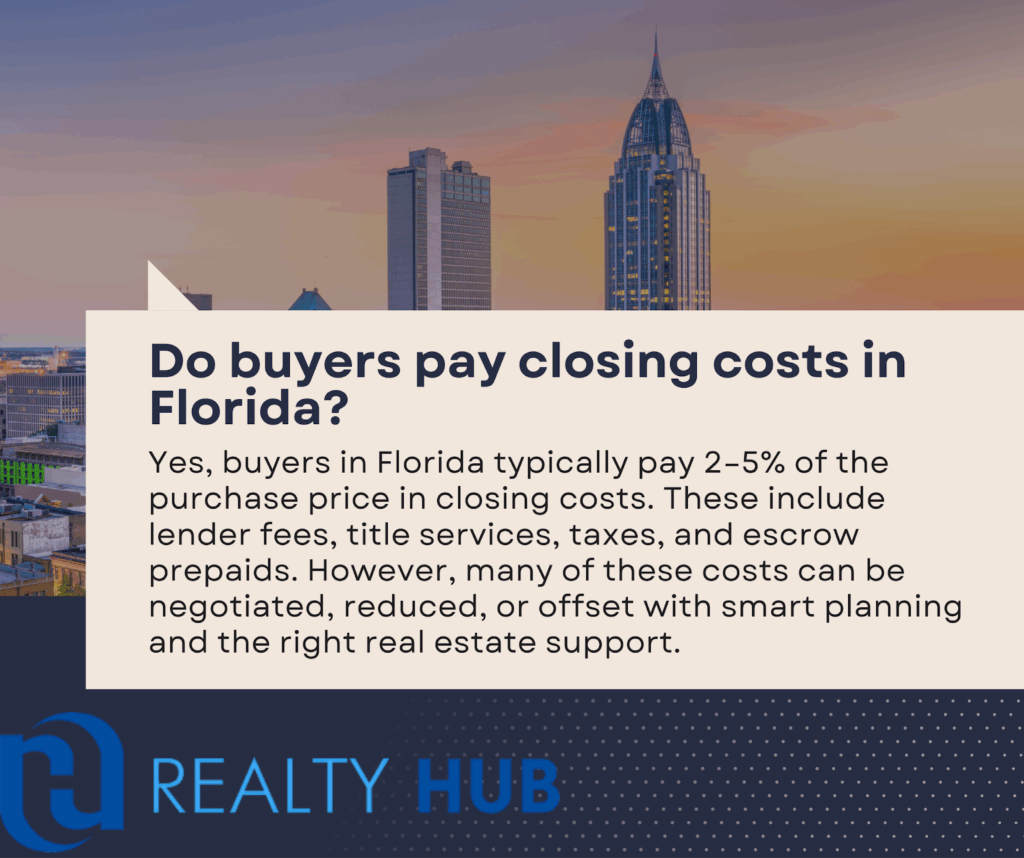
The journey to owning property in Florida is an exciting one, but it’s vital to approach it with a clear understanding of all financial commitments. Closing costs represent a significant portion of these commitments, typically ranging from 2% to 5% of the loan amount, or sometimes 3% to 7% of the purchase price, depending on various factors. These costs are not a single fee but rather a collection of charges levied by various parties involved in the transaction. Knowing who pays what is crucial for effective budgeting and negotiation.
Buyer-Specific Closing Costs
For most buyers, especially those financing their purchase, their share of closing costs often constitutes the larger portion. These fees ensure the legal transfer of ownership, the processing of the loan, and the protection of the buyer’s investment. Common costs for buyers include:
- Loan Origination Fees: These are fees charged by the lender for processing your mortgage application. They cover the administrative work involved in preparing and submitting your loan.
- Appraisal Fees: Before a lender approves a loan, they require an appraisal to ensure the property’s value aligns with the purchase price. This protects both the buyer and the lender.
- Credit Report Fees: A small fee to pull the buyer’s credit report, which the lender uses to assess creditworthiness.
- Survey Fees: In Florida, a property survey is often required, particularly for single-family homes, to identify property lines, easements, and potential encroachments. This is critical for understanding the exact boundaries of your new home or villa.
- Title Insurance (Lender’s Policy): This mandatory policy protects the lender against any claims or defects in the title of the property. It ensures that the lender’s investment is secure in case of future title disputes.
- Recording Fees: These are fees paid to the county to officially record the transfer of the deed and the mortgage, making the transaction part of the public record.
- Document Preparation Fees: Charged by the closing agent or attorney for drafting the necessary legal documents.
- Attorney Fees: While Florida doesn’t always require an attorney for closing, many buyers opt for legal representation to review documents and ensure their interests are protected, especially for complex transactions or investment properties.
- Inspection Fees: Although not strictly a closing cost, a home inspection is highly recommended and paid by the buyer upfront. It’s an essential step to uncover any hidden issues with the property before finalizing the purchase, potentially saving significant repair costs down the line for your vacation home or long-term accommodation.
- Pre-paid Items: These often include pro-rated property taxes and homeowner’s insurance premiums that are paid in advance, often for the first year, and held in an escrow account. If you’re buying a condo or apartment, you might also pre-pay HOA fees.
Seller-Specific Closing Costs
Sellers also incur a share of closing costs, though they typically differ in nature from the buyer’s. For sellers looking to offload their Florida property, these costs primarily relate to transferring ownership and settling existing obligations.
- Real Estate Agent Commissions: This is often the largest closing cost for sellers, typically ranging from 5% to 6% of the sale price. This commission is usually split between the buyer’s and seller’s agents.
- Title Insurance (Owner’s Policy): In Florida, it is customary for the seller to pay for the owner’s title insurance policy. This policy protects the buyer from any title defects that may arise after the sale, ensuring clear ownership. This is a significant aspect of Florida real estate practices.
- Documentary Stamp Taxes on Deed: Florida imposes a documentary stamp tax on the transfer of real property. This tax is typically paid by the seller and is calculated based on the sale price.
- Attorney Fees: Similar to buyers, sellers may also opt for legal counsel to ensure a smooth transaction.
- HOA Estoppel Fees: If the property is part of a homeowners’ association, the seller is typically responsible for obtaining an estoppel letter, which details any outstanding dues or assessments. This is particularly relevant for condos and properties within planned communities, common in tourism-focused areas like Fort Lauderdale or Orlando.
- Property Taxes: Sellers are responsible for property taxes up to the date of closing, which are then pro-rated with the buyer taking over from that point.
Negotiating Closing Costs
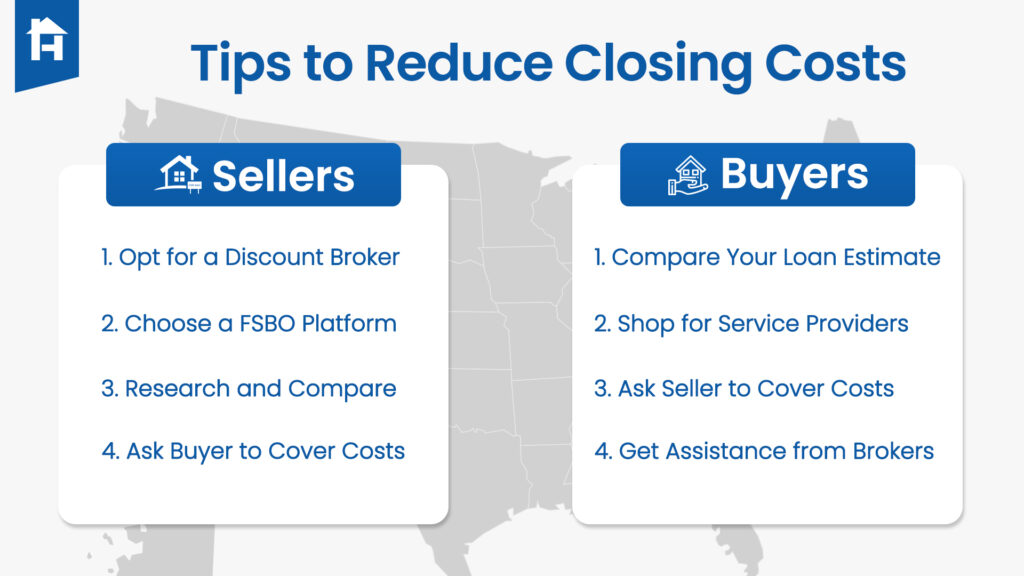
While certain costs are traditionally assigned to either the buyer or seller, nearly all closing costs are negotiable. This flexibility can be a significant advantage, especially in competitive markets.
- Seller Concessions: Buyers can often negotiate for the seller to pay a portion of their closing costs. This is common in a buyer’s market or if the property has been on the market for an extended period. These concessions are typically capped by the loan type (e.g., FHA, VA, Conventional).
- Lender Credits: Some lenders offer credits to cover closing costs in exchange for a higher interest rate. While this reduces upfront expenses, it increases the overall cost of the loan over time.
- Shopping Around: Buyers can shop for various services, such as title companies, insurance providers, and even lenders, to find more competitive rates for certain fees. This is a smart strategy whether you’re securing a permanent home or an investment property in St. Petersburg or Destin.
Navigating the Florida Real Estate Market for Travelers and Investors
Florida’s real estate market is uniquely influenced by its status as a premier global travel destination. This interplay between tourism, lifestyle, and property ownership creates distinct considerations for anyone looking to buy, whether for personal use or as an investment opportunity. From the vibrant energy of South Florida to the family-friendly attractions of Central Florida, each region presents a unique landscape for property acquisition and its associated costs.
Why Florida Attracts Property Seekers
The magnetic pull of Florida for property seekers is multifaceted, intertwining aspects of travel, tourism, and lifestyle.
- Lifestyle & Retirement: For many, Florida embodies the ideal retirement lifestyle. The warm weather, plethora of outdoor activities – from golfing in Palm Beach to fishing in Key West – and a relaxed pace of life are strong draws. Owning a home allows individuals to immerse themselves fully in this desired lifestyle, far beyond the confines of a temporary hotel stay.
- Vacation & Tourism Hub: With world-renowned attractions like Walt Disney World Resort and Universal Studios Florida in Orlando, and the iconic beaches stretching along both the Atlantic Coast and Gulf Coast, Florida is a global tourism powerhouse. This makes it an ideal location for a vacation home, offering a consistent personal getaway for families or individuals. The demand for quality accommodation is perennial, from luxury villas near theme parks to beachfront condos in Panama City Beach.
- Investment Opportunities: The robust tourism industry also fuels a thriving market for investment properties. Many buyers purchase homes, condos, or apartments with the intention of renting them out to tourists, providing a steady stream of passive income. The ability to offset property ownership costs with rental revenue makes Florida an attractive proposition for savvy investors looking for short-term or long-term accommodation rentals.
- Economic Growth & Business Stays: Florida’s economy continues to grow, attracting businesses and professionals. Cities like Tampa and Miami are burgeoning economic centers, making property ownership appealing for those relocating for work or seeking a permanent base for business operations.
The Impact of Property Type on Closing Costs
The type of property you purchase in Florida can significantly influence the nature and total amount of closing costs.
- Single-Family Homes: These properties often involve a full suite of closing costs, including potentially higher survey fees due to larger land plots and more extensive inspections. Title insurance costs are based on the sale price, so larger homes will naturally have higher premiums.
- Condominiums and Apartments: When purchasing a condo or apartment, buyers will incur additional fees related to the homeowners’ association (HOA). These can include estoppel fees (often paid by seller but buyer usually pays initial HOA fees/deposits), and sometimes special assessments. The structure of shared common areas also means different considerations for property insurance, often bundled into HOA fees.
- Vacation Homes & Investment Properties: For properties intended as vacation rentals or investments, buyers might face additional scrutiny from lenders, potentially leading to slightly higher interest rates or stricter down payment requirements, which can indirectly impact overall closing cost calculations related to loan fees. Furthermore, specific insurance policies for rental properties may be required. When evaluating locations for such properties, consider the unique attractions and amenities available, such as proximity to Everglades National Park for nature tourism or beach access in Clearwater.
Practical Strategies for Managing Your Florida Property Investment
Understanding closing costs is only the first step. Effectively managing these expenses and navigating the broader real estate landscape requires careful planning and professional guidance. For those transitioning from frequent hotel guest to Florida property owner, these strategies are invaluable.
Budgeting for Your Florida Dream
Accurate budgeting is the cornerstone of a successful property purchase. Beyond the down payment and the agreed-upon sale price, allocating funds for closing costs is paramount.
- Early Estimation: As soon as you begin seriously considering a property, ask your real estate agent and potential lenders for a good-faith estimate of closing costs. This will give you a ballpark figure to work with.
- Contingency Fund: Always budget for a buffer. Unexpected issues can arise, and having a contingency fund ensures that minor hiccups don’t derail your entire purchase. This is particularly relevant for out-of-state buyers who might encounter unforeseen logistical challenges.
- Long-Term Costs: Remember that closing costs are just the initial outlay. Factor in ongoing expenses like property taxes, homeowner’s insurance (which can be higher in coastal Florida due to hurricane risk), HOA fees, and maintenance. If your property is intended for rental, also consider property management fees and vacancy rates.
Seeking Expert Guidance
The Florida real estate market, while inviting, has its intricacies. Leaning on the expertise of professionals is not just advisable; it’s essential.
- Experienced Real Estate Agents: A local agent who specializes in the specific area you’re interested in (e.g., Orlando for theme park proximity, Naples for luxury Gulf Coast living) can provide invaluable insights. They can guide you through local market trends, recommend reliable service providers, and skillfully negotiate on your behalf, potentially saving you thousands in closing costs.
- Reputable Lenders: Work with a lender who is familiar with Florida real estate regulations and offers competitive rates. They will clearly outline all loan-related closing costs and help you understand the various financing options available, whether you’re buying a small apartment or a grand villa.
- Real Estate Attorneys: While not always mandatory, having a Florida real estate attorney review your contracts and closing documents can provide an extra layer of protection, particularly for complex transactions, investment properties, or if you’re an international buyer. They ensure all legal aspects are in order and that your interests are safeguarded throughout the process.
- Title Companies: Choose a title company with a strong reputation for efficiency and thoroughness. They play a critical role in ensuring a clear title transfer and managing the escrow process.
The dream of owning property in Florida is undeniably appealing, offering a gateway to a lifestyle cherished by many. From the vibrant culture of Miami to the serene shores of the Panhandle, the opportunities for travel, leisure, and lucrative investment are immense. However, realizing this dream requires a pragmatic approach, especially when it comes to understanding the financial mechanics of property acquisition.
Knowing “who pays closing costs in Florida” is more than just a trivial detail; it’s a foundational piece of knowledge that empowers both buyers and sellers to navigate the real estate market with confidence and foresight. By familiarizing yourself with the various fees, understanding the customary divisions, and recognizing the opportunities for negotiation, you can ensure a smoother, more transparent, and ultimately more enjoyable property purchasing experience. Whether you’re envisioning a permanent home, a seasonal retreat, or a strategic investment property, a thorough grasp of closing costs is your key to unlocking the full potential of your Florida dream. Embrace the journey, and prepare to make your own mark on the Sunshine State’s captivating landscape.
LifeOutOfTheBox is a participant in the Amazon Services LLC Associates Program, an affiliate advertising program designed to provide a means for sites to earn advertising fees by advertising and linking to Amazon.com. Amazon, the Amazon logo, AmazonSupply, and the AmazonSupply logo are trademarks of Amazon.com, Inc. or its affiliates. As an Amazon Associate we earn affiliate commissions from qualifying purchases.