
For families planning their next unforgettable getaway to the Sunshine State, or for those simply seeking a more serene travel experience, knowing when school starts in Florida for 2024 is invaluable. This seemingly simple piece of information can be the key to unlocking better deals on accommodation, navigating attractions with fewer crowds, and truly immersing yourself in the local culture without the hustle and bustle of peak tourist season. Florida, with its diverse offerings from world-class theme parks to tranquil beaches and vibrant urban centers, experiences a significant shift in visitor demographics and pricing structures once the school bells start ringing. As a hub for travel, tourism, and every kind of stay imaginable, understanding the academic calendar is a strategic advantage for any savvy planner.
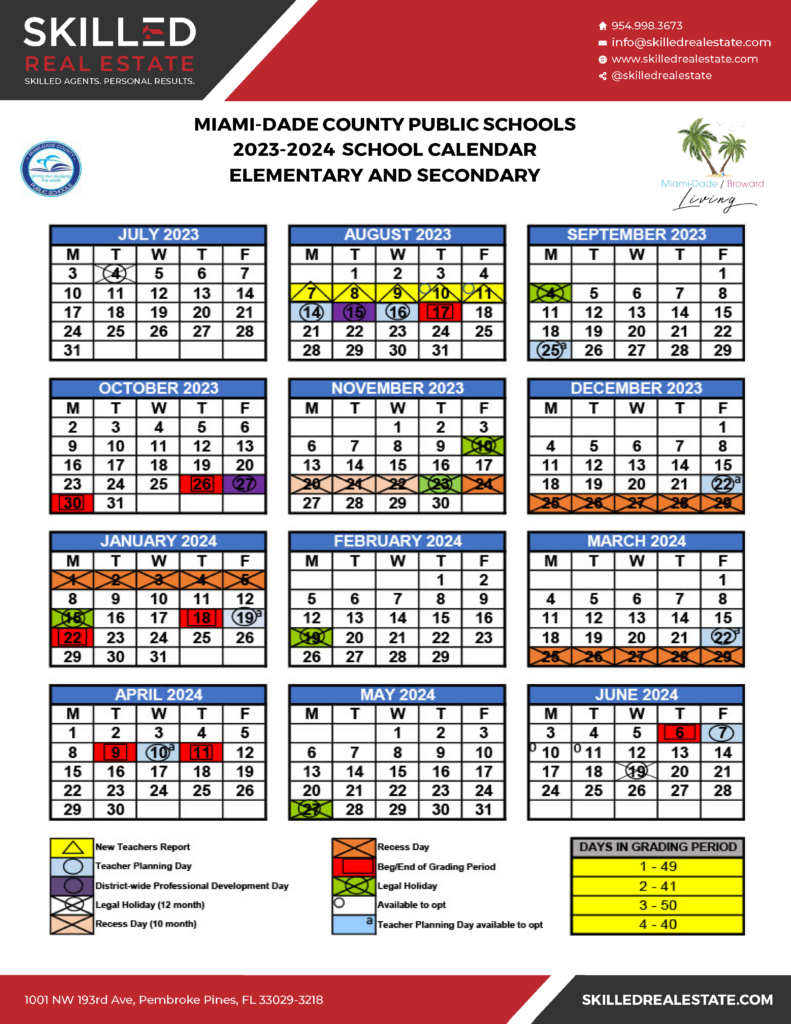
Understanding Florida’s School Calendar: What to Expect in 2024
Florida’s public school system is decentralized, meaning each of the state’s 67 counties operates its own school district with a certain degree of autonomy. While there are statewide guidelines and holidays, the exact start and end dates for the academic year can vary slightly from one district to another. However, there is a general trend that most Florida schools follow, especially regarding the commencement of classes in the fall.
General Start Dates Across Districts
For the 2024-2025 academic year, the vast majority of Florida public school districts are expected to begin classes in mid-August. Typically, this falls within the second full week of August, or sometimes the third. For example, major districts like Miami-Dade County Public Schools, Broward County Public Schools, Orange County Public Schools (serving Orlando), and Hillsborough County Public Schools (serving Tampa) often aim for an August 10th-15th start date, though specific dates are usually finalized and announced by individual school boards in late winter or early spring of the preceding year.
It’s crucial for travelers to check the specific district calendars if their plans hinge on precise timing, especially for areas like Orlando and Tampa which are major tourist destinations. While private schools may operate on slightly different schedules, they generally align with the public school system’s broader rhythm to facilitate family activities and community events. This mid-August start means that the traditional summer vacation period effectively concludes around the first week of August for most Florida families.
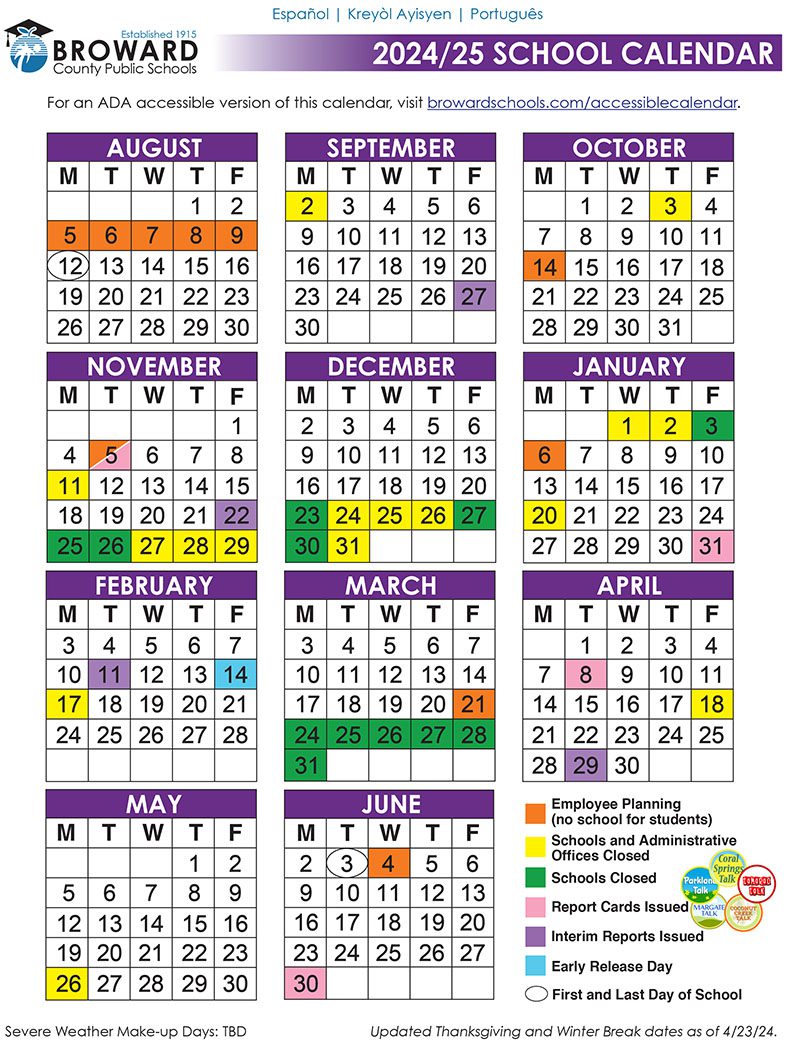
Key Dates Beyond the First Day
Beyond the initial school start, other key dates throughout the academic year can influence travel patterns and availability in Florida. These include:
- Fall Break: Many districts incorporate a short fall break, often around Columbus Day/Indigenous Peoples’ Day in October or coinciding with Veterans Day. These are typically short, 2-3 day breaks.
- Thanksgiving Break: A significant break, usually the entire week of Thanksgiving in November. This is a very popular travel period, even for locals.
- Winter Break/Holiday Season: Generally spans two weeks, from late December through early January, encompassing Christmas and New Year’s. This is another peak travel period, especially around Orlando’s theme parks and South Florida beaches.
- Spring Break: Varies widely by district, usually occurring between mid-March and mid-April. This is a notorious time for increased crowds, particularly in popular coastal destinations like Panama City Beach, Fort Lauderdale, and Miami Beach.
- Summer Break: Most schools conclude the academic year in late May or early June, initiating the summer travel season.
Being aware of these dates allows travelers to strategically plan their visits, either by aligning with school breaks for family trips or by deliberately avoiding them for a more tranquil experience.
The Impact on Florida Travel: Planning Your Perfect Getaway
The ebb and flow of Florida’s school calendar directly correlates with the state’s tourism landscape. Understanding these cycles is crucial for any traveler looking to optimize their experience, whether they are seeking thrilling experiences, luxurious stays, or budget-friendly travel.
Navigating Crowds at Florida’s Top Attractions
When schools are in session, especially from mid-August through mid-May (excluding major holiday breaks), Florida’s attractions generally experience lower crowd levels. This is particularly noticeable at iconic destinations such as the Walt Disney World Resort, Universal Orlando Resort, SeaWorld Orlando, and Busch Gardens Tampa Bay. Visiting during these “off-peak” times means shorter wait times for rides, easier reservations at popular restaurants, and a more relaxed overall atmosphere. For families with pre-school children or adults traveling without school-aged dependents, this period presents an ideal window for enjoying Florida’s wonders without the intense summer or holiday crowds.
Similarly, other landmarks and natural wonders, such as the Kennedy Space Center Visitor Complex on the Space Coast, the historic streets of St. Augustine, or the serene waterways of Everglades National Park, can be explored with more ease. The quieter environment allows for deeper engagement with the history, nature, and unique culture of these sites.

Accommodation Trends: Booking Smart for 2024
The mid-August school start in Florida marks a noticeable shift in hotel pricing and availability. As families return home and local student populations fill classrooms, demand for resorts, suites, and other accommodations tends to decrease. This leads to more competitive rates and greater availability for properties across the state. From luxury villas in Naples to family-friendly apartments near Disney in Kissimmee, travelers can often find significant savings by booking their stays during the late August through September period, and again in late January through February (excluding Presidents’ Day weekend).
Many popular hotels and resorts, like the Grand Hyatt or Ritz-Carlton properties in cities such as Orlando, Miami, and Sarasota, frequently offer special promotions or lower seasonal rates during these quieter windows. This makes it an ideal time for a luxury travel experience that might be out of reach during peak season, or simply a chance to enjoy premium amenities at a more affordable price point. Booking in advance, even during the off-peak, is always recommended to secure the best options, but the flexibility and value are considerably higher once schools resume.
Maximizing Your Florida Experience: Tips for Every Traveler
Whether you’re planning a trip with toddlers, a romantic getaway, or a solo adventure, aligning your Florida visit with the academic calendar can greatly enhance your overall experience.
Family Adventures and School Schedules
For families whose travel flexibility is dictated by school calendars, maximizing short breaks becomes paramount. If your children’s school breaks do not align with Florida’s, consider visiting during your local school’s off-peak, which might coincide with Florida schools being in session. This strategy can result in a sweeter spot for crowds and prices. For instance, if your children have a mid-October break, Florida schools will generally be in session, leading to fewer lines at Magic Kingdom or Universal Studios Florida.
Planning around state-wide breaks like Thanksgiving, Christmas, or Spring Break means you’ll be joining a larger influx of visitors, both local and national. During these times, advanced booking for accommodations, flights, and attraction tickets is not just recommended, but essential. Consider opting for villas or apartments for longer family stays during these busy periods, which often offer more space and better value than traditional hotels for larger groups. Utilizing features like hotel comparison tools can help sift through options for family trips during these popular times.
Discovering Florida’s Hidden Gems Off-Season
The periods when Florida schools are in session offer a fantastic opportunity to explore destinations beyond the major theme parks and crowded beaches. This is when local culture, unique landmarks, and outdoor experiences truly shine.
Consider a trip to Key West in September or October, enjoying the laid-back atmosphere and vibrant food scene without the intense crowds of winter or spring. Explore the historic architecture and pristine beaches of Amelia Island in North Florida during a quiet weekday. The Ringling Museum in Sarasota offers a stunning collection of art and architecture, best enjoyed at a leisurely pace during the academic year. Even major cities like Miami transform; you can stroll through Vizcaya Museum & Gardens or explore the street art of Wynwood Walls with greater personal space. These off-peak times also often lead to better deals on local activities and guided tours, enhancing your tourism budget and allowing for deeper engagement with the destination.
Beyond the Classroom: Why Florida’s Off-Peak Season is a Traveler’s Dream
The return to school in mid-August marks the transition from peak summer chaos to Florida’s incredibly appealing “shoulder season” and subsequent “off-peak” period. For many travelers, this is the sweet spot. The intense summer heat often begins to moderate by late September, giving way to glorious sunny days and pleasant evenings perfect for outdoor activities.
Budget-Friendly Travel and Unique Experiences
One of the most significant advantages of traveling to Florida when schools are in session is the potential for substantial savings. This applies not just to hotels and resorts, but also to flights, car rentals, and even some attraction tickets. Airlines and accommodation providers adjust their pricing models based on demand, making the period from mid-August through mid-December (excluding Thanksgiving week) and late January through early March prime time for budget travel. These savings can then be reallocated to enhance your trip, perhaps indulging in a luxury dining experience, a specialized wildlife tour, or an upgraded hotel suite.
Beyond the financial benefits, the off-peak season provides unique experiences. Imagine a tranquil morning kayaking through the mangroves of Lido Key near Sarasota or enjoying a nearly empty Clearwater Beach at sunset. Wildlife viewing opportunities, such as manatee spotting in Crystal River or birdwatching in lesser-known state parks, can be more rewarding without large groups of people. For those interested in local culture and community events, many festivals and markets aimed at residents rather than tourists also take place during these times, offering a more authentic glimpse into Florida life.
Exploring Local Culture Without the Rush
When the major tourist hubs quiet down, it becomes easier to engage with the authentic Florida. Take advantage of less crowded local markets, art galleries, and small-town historical sites. Cities like Dunedin on the Gulf Coast or Fernandina Beach on Amelia Island offer charming downtowns with unique shops and local eateries that are a pleasure to explore at a relaxed pace.
The culinary scene across Florida is incredibly diverse, from fresh seafood in the Florida Keys to Cuban influences in Miami and farm-to-table restaurants in Gainesville. During the school year, securing reservations at highly sought-after restaurants is considerably easier, and dining experiences can feel more intimate. Engaging with locals, whether it’s a shop owner in St. Petersburg or a tour guide in Key West, often becomes more feasible and personal when they aren’t overwhelmed by peak season demands. This allows for a deeper appreciation of Florida’s rich heritage and vibrant present, extending far beyond the typical tourist itinerary.
In conclusion, while the question “When does school start in Florida 2024?” might seem purely academic, its implications for travel planning are immense. The consistent mid-August start for most districts creates distinct seasons for Florida tourism, each with its own advantages. By understanding these patterns, travelers can make informed decisions about when to visit, how to navigate crowds, and where to find the best value for their ideal Florida getaway, ensuring an enriching and memorable experience tailored to their preferences.
LifeOutOfTheBox is a participant in the Amazon Services LLC Associates Program, an affiliate advertising program designed to provide a means for sites to earn advertising fees by advertising and linking to Amazon.com. Amazon, the Amazon logo, AmazonSupply, and the AmazonSupply logo are trademarks of Amazon.com, Inc. or its affiliates. As an Amazon Associate we earn affiliate commissions from qualifying purchases.