
The allure of Hawaii is undeniable – a string of volcanic islands adrift in the vast Pacific Ocean, beckoning travelers with promises of pristine beaches, lush rainforests, vibrant culture, and an unrivaled sense of aloha. For many on the United States West Coast, particularly those in Los Angeles, the dream of a Hawaiian getaway often begins with a single, practical question: how long is the flight? This isn’t just about the minutes in the air; it’s the first step in planning an unforgettable journey, shaping expectations for travel time, potential jet lag, and the transition from urban hustle to island tranquility. Understanding the specifics of this trans-Pacific hop is crucial for optimizing your travel plans, whether you’re seeking a luxurious escape, a budget-friendly adventure, or a memorable family trip.

Unveiling Your Hawaiian Journey: Flight Duration and Key Considerations
The journey from the bustling metropolis of Los Angeles to the tranquil shores of Hawaii bridges not just miles but also states of mind. While the idea of crossing an ocean might seem daunting, modern aviation has made the trip remarkably accessible and relatively swift.
The Direct Answer: Typical Flight Times
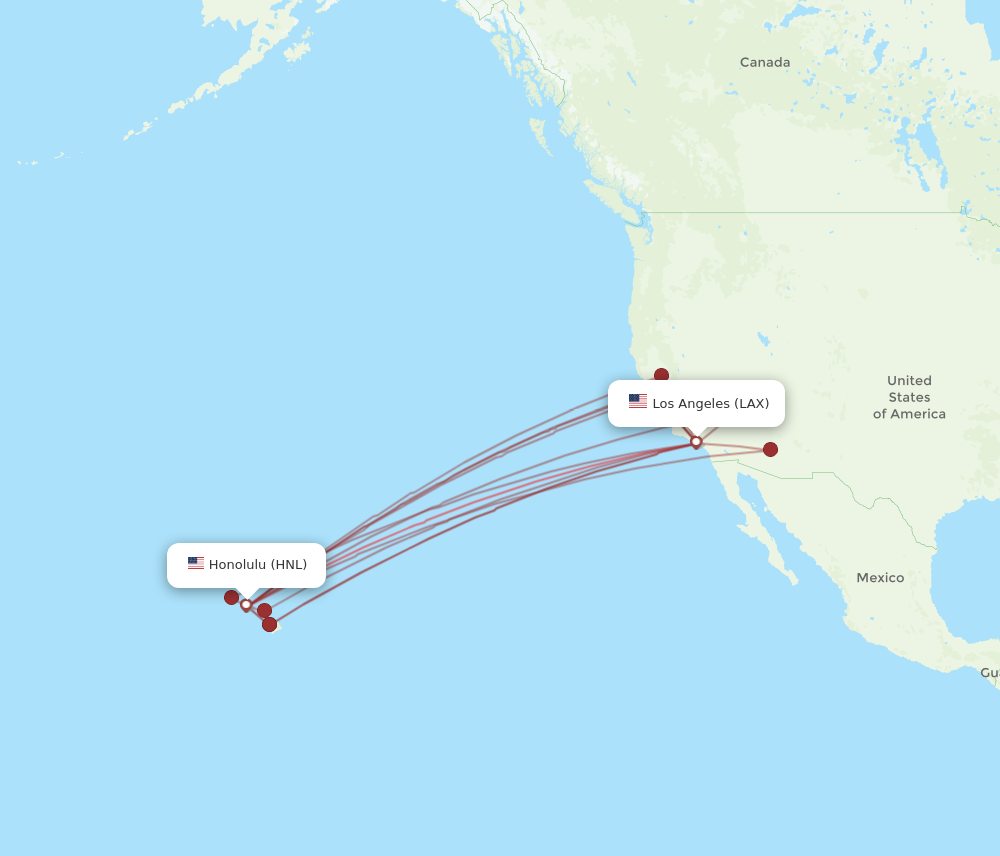
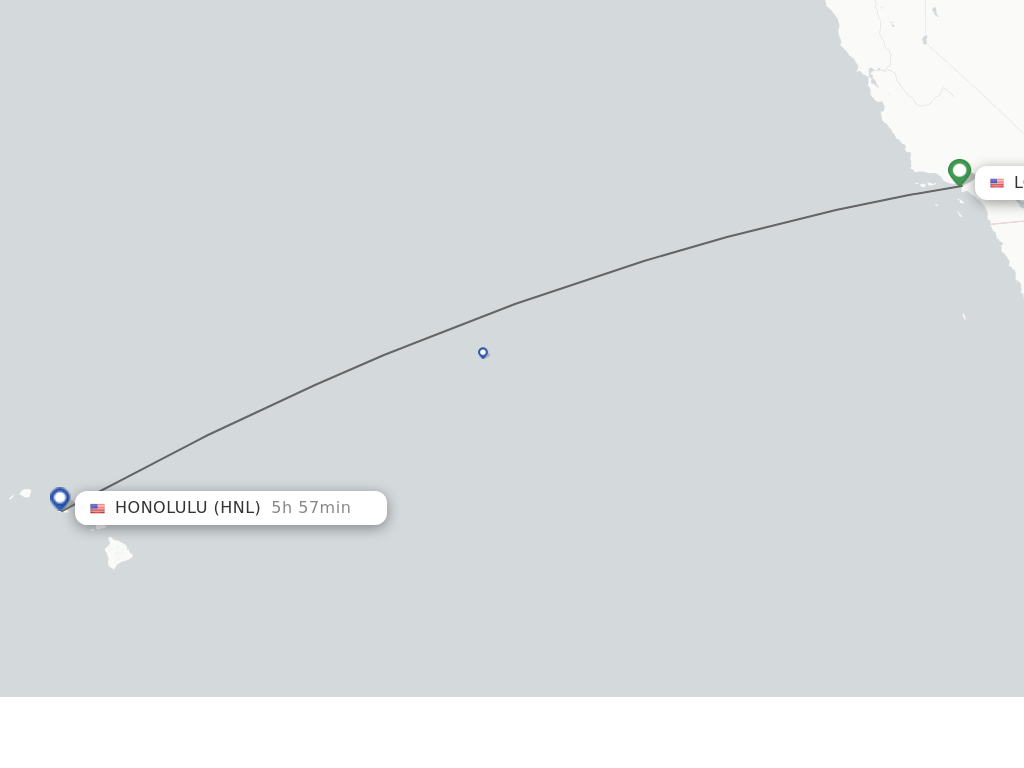
For most direct flights from Los Angeles International Airport (LAX) to Hawaii’s primary gateways, passengers can expect a flight duration ranging from 5 hours and 30 minutes to 6 hours and 30 minutes. This timing can fluctuate slightly depending on your specific island destination within the Hawaiian archipelago. For instance, a direct flight to Honolulu International Airport (HNL) on Oahu, the most common arrival point, typically clocks in at around 5 hours and 45 minutes to 6 hours. If your ultimate destination is Maui’s Kahului Airport (OGG), the Big Island’s Kona International Airport (KOA), or Kauai’s Lihue Airport (LIH), the flight might extend closer to the 6-hour to 6-hour 30-minute mark. These times represent non-stop services, which are by far the most popular and efficient way to travel this route. While connecting flights are an option, they significantly increase overall travel time, often adding several hours, making direct routes highly preferred for convenience and speed. The journey is short enough to feel manageable, typically departing in the morning from LAX and arriving in Hawaii by early to mid-afternoon, giving you ample time to settle into your accommodation and perhaps even catch your first Hawaiian sunset.
Factors Influencing Flight Duration
While the general timeframe provides a good estimate, several factors can subtly influence the exact duration of your flight from Los Angeles to Hawaii. One of the most significant variables is the prevailing winds. Flights heading westward across the Pacific Ocean often encounter headwinds, which can slightly slow down the aircraft, adding minutes to the journey. Conversely, return flights from Hawaii to the mainland United States typically benefit from tailwinds, often making them noticeably shorter, sometimes under five hours. The type of aircraft also plays a role; newer, more efficient planes might complete the journey slightly faster than older models. While all commercial aircraft operating this route are capable of the distance, subtle differences in cruising speed and flight planning can affect the precise timing. Furthermore, minor air traffic control delays upon departure from LAX, one of the world’s busiest airports, or on approach to Hawaiian airports, though less common, can also contribute to slight variations in arrival times. The specific final destination airport within Hawaii is another crucial element. Flying to Oahu (HNL) is usually the quickest, as it’s the easternmost major island. Destinations further west, such as Kauai (LIH), naturally add a few extra minutes of flight time. All these elements are carefully calculated by airlines to provide an estimated flight time, but being aware of them helps travelers understand why their journey might be a few minutes longer or shorter than initially advertised.
Major Airlines and Route Options
The popularity of Hawaii as a prime travel destination from the West Coast means that travelers from Los Angeles have a wealth of choices when it comes to airlines and direct routes. Nearly all major carriers operating out of LAX offer daily, non-stop service to multiple Hawaiian islands. Hawaiian Airlines, as the flagship carrier of the islands, offers an authentic experience from the moment you board, with frequent flights to Honolulu, Maui, Kona, and Lihue. United Airlines, Delta Air Lines, and American Airlines also provide extensive networks, ensuring multiple daily departures to the primary Hawaiian airports (HNL, OGG, KOA, LIH). Budget-conscious travelers can often find competitive fares with Southwest Airlines and Alaska Airlines, which have expanded their Hawaiian routes significantly in recent years, often including perks like free checked bags which can be a considerable saving for longer stays. These airlines generally utilize wide-body aircraft like Boeing 787s, 777s, or Airbus A330s for a more comfortable long-haul experience, though single-aisle Boeing 737 MAX or Airbus A321LR aircraft are increasingly common for efficiency. When planning your trip, consider not just the flight duration but also the departure and arrival times to best suit your itinerary. An early morning flight from LAX means an afternoon arrival in Hawaii, maximizing your first day on the islands.
Preparing for Paradise: Beyond the Flight
The flight is just one component of your journey to Hawaii. Thoughtful preparation before you even step foot on the plane can significantly enhance your experience, ensuring a seamless transition from the mainland to the islands.
Essential Pre-Flight Planning and Tips
Embarking on a Hawaiian adventure from Los Angeles requires more than just booking a ticket. Smart pre-flight planning is key to a smooth and enjoyable trip. First, packing wisely is paramount. Given Hawaii’s tropical climate, lightweight clothing, swimwear, sun protection (reef-safe sunscreen is often encouraged or even mandated in some areas), and comfortable walking shoes are essentials. Don’t forget a light jacket for cooler evenings or higher elevations like Haleakala National Park on Maui or Mauna Kea on the Big Island. Consider bringing reusable water bottles to stay hydrated and minimize plastic waste. Regarding documents, ensure your identification (driver’s license or passport) is valid and up-to-date. While Hawaii is a United States state, making customs procedures minimal for U.S. citizens, international travelers will need their passports and any necessary visas. For accommodation and transportation on the islands, advance booking is highly recommended, especially during peak seasons. Rental cars are often essential for exploring beyond resort areas, and they can be scarce if not reserved in advance. Finally, consider travel insurance for peace of mind. It can cover unexpected events like flight delays, cancellations, lost luggage, or medical emergencies, safeguarding your investment in this dream vacation.
Choosing Your Hawaiian Island Destination
Hawaii isn’t just one destination; it’s a diverse archipelago, with each main island offering its own distinct personality and appeal. Deciding which island (or islands) to visit is crucial for tailoring your trip to your interests.
- Oahu: The Gathering Place – Home to the capital city of Honolulu and the iconic Waikiki Beach, Oahu is perfect for first-time visitors seeking a blend of urban amenities, historical sites like Pearl Harbor, and vibrant surf culture on the North Shore. It offers a wide range of accommodation, from luxury resorts like the Hilton Hawaiian Village Waikiki Beach Resort to more budget-friendly hotels. Landmarks such as Diamond Head and the Polynesian Cultural Center offer rich experiences.
- Maui: The Valley Isle – Renowned for its stunning beaches, luxurious resorts in areas like Wailea and Ka’anapali, and adventurous drives like the Road to Hana. Maui is ideal for romantic getaways, family trips focusing on relaxation and water activities, and nature enthusiasts drawn to Haleakala National Park’s sunrise views. High-end properties like Four Seasons Resort Maui at Wailea and The Ritz-Carlton, Kapalua cater to those seeking a premium experience.
- Island of Hawaii (The Big Island): The Orchid Isle – The largest and youngest island, offering incredible geological diversity from active volcanoes in Hawaii Volcanoes National Park to snow-capped peaks of Mauna Kea. Perfect for adventurers, stargazers, and those fascinated by raw natural beauty.
- Kauai: The Garden Isle – Characterized by dramatic cliffs, verdant valleys, and cascading waterfalls. Kauai is a paradise for hikers and nature lovers, boasting the breathtaking Na Pali Coast and the majestic Waimea Canyon. Accommodation ranges from upscale resorts like Princeville Resort Kauai to charming vacation rentals.
Consider your priorities – relaxation, adventure, culture, budget – when making your selection. Many travelers opt for island-hopping, utilizing short inter-island flights to experience the unique charm of multiple islands within one trip.
Understanding Hawaiian Time and Jet Lag
The time difference between Los Angeles and Hawaii is a crucial factor to consider when planning your trip. Hawaii observes Hawaiian Standard Time (HST) year-round and does not participate in Daylight Saving Time. This means that during Pacific Standard Time (roughly November to March), Hawaii is two hours behind Los Angeles. However, during Pacific Daylight Time (roughly March to November), Hawaii is three hours behind Los Angeles. For instance, if it’s 10:00 AM in Los Angeles in July, it’s 7:00 AM in Hawaii. This time difference, coupled with the westward flight, can lead to mild jet lag, often making travelers feel tired earlier in the evening or wake up earlier in the morning than usual. To minimize the effects of jet lag, try to adjust your sleep schedule gradually a few days before your trip. On the flight, stay hydrated, avoid excessive caffeine and alcohol, and try to sleep if it aligns with Hawaiian nighttime. Upon arrival, expose yourself to natural sunlight as much as possible to help reset your circadian rhythm, and try to stick to local meal and sleep times. The quick transition from LAX means you arrive with plenty of daylight, making it easier to immediately embrace the island pace and shake off any initial grogginess.
Embracing the Aloha Spirit: Accommodation and Experiences in Hawaii
Once you’ve landed and settled into the rhythm of the islands, Hawaii unfolds into a tapestry of unique experiences, from luxurious stays to profound cultural immersions.
Diverse Accommodation Options for Every Traveler
Hawaii’s accommodation landscape is as varied as its natural beauty, catering to every style of traveler and budget. For those seeking luxury travel, world-class resorts like the Four Seasons Resort Maui at Wailea or The Ritz-Carlton, Kapalua offer unparalleled service, stunning oceanfront views, gourmet dining, and lavish amenities such as infinity pools, private lanais, and full-service spas. These resorts often provide exclusive experiences, from private beach access to personalized concierge services, defining the quintessential Hawaiian luxury getaway. Families, or those planning a longer stay, might prefer vacation rentals, suites, or villas through services like Marriott Vacation Club or Hilton Grand Vacations, which offer more space, fully equipped kitchens, and a home-away-from-home feel. Properties like Aulani, A Disney Resort & Spa on Oahu are specifically designed for family trips, blending Disney magic with Hawaiian culture. For travelers on a budget, numerous hotels, boutique inns, and even hostels, particularly in areas like Waikiki, provide comfortable and affordable options. Beyond traditional hotels, there are also charming bed and breakfasts that offer a more intimate, local experience. When choosing accommodation, consider not only the price but also the location, proximity to attractions, and desired amenities. Many properties offer unique features, such as direct beach access, cultural programs, or specialized dining, enhancing your overall island experience.
Iconic Landmarks and Must-See Attractions
Hawaii is rich with landmarks that tell tales of its history, culture, and geological wonders. On Oahu, a visit to Pearl Harbor is a poignant journey into a pivotal moment in United States history, while hiking to the summit of Diamond Head offers panoramic views of Waikiki and the Pacific Ocean. The Polynesian Cultural Center provides an immersive experience into the cultures of the Pacific islands, perfect for family trips. Maui boasts the breathtaking sunrise or sunset views from the dormant volcano of Haleakala National Park, and the scenic, winding Road to Hana, which reveals hidden waterfalls and lush landscapes. The Big Island is home to the dramatic Hawaii Volcanoes National Park, where visitors can witness active volcanic landscapes and learn about the island’s fiery creation. On Kauai, the towering sea cliffs of the Na Pali Coast, best viewed by boat tour or helicopter, are simply unforgettable, as is the colossal Waimea Canyon, often dubbed the “Grand Canyon of the Pacific.” Other notable natural wonders include the Wailua River for kayaking and the demanding Kalalau Trail for experienced hikers. Each landmark offers a unique perspective on the islands’ rich tapestry, inviting exploration and appreciation for their natural and historical significance.
Immersive Cultural and Culinary Experiences
To truly embrace the aloha spirit, delving into Hawaii’s vibrant culture and distinct culinary scene is essential. A traditional Hawaiian luau is a must-do experience, combining a lavish feast of local delicacies like kalua pig, poke, and fresh seafood with mesmerizing Polynesian music, hula dancing, and fire knife performances. It’s an evening of entertainment and cultural immersion that appeals to all ages. Beyond the luau, engage with the ocean that defines the islands. Surfing lessons on Oahu’s North Shore or in Waikiki offer an exhilarating taste of local sport, while snorkeling and diving reveal the colorful underwater world of coral reefs and diverse marine life. For those who prefer land-based adventures, hiking trails abound on every island, leading to stunning viewpoints, hidden waterfalls, and serene beaches. Don’t miss the opportunity to explore local farmers’ markets for fresh tropical fruits and artisanal goods. Indulge in local food favorites like “shave ice,” fresh fish tacos, and plate lunches from roadside stands. Consider a visit to a coffee or pineapple plantation tour for a taste of Hawaii’s agricultural heritage. From learning to string a lei to participating in a traditional outrigger canoe paddle, these immersive experiences provide a deeper connection to the local culture and create lasting memories that go far beyond typical tourism.
Making Your Hawaiian Dream a Reality: Budgeting and Lifestyle Choices
Transforming the dream of a Hawaiian vacation into a tangible reality involves careful planning, particularly when it comes to managing costs and tailoring the experience to your desired lifestyle.
Navigating Travel Costs: Luxury vs. Budget Travel
A trip to Hawaii can be as extravagant or as economical as you make it, offering options for both luxury travel and budget travel. For luxury travelers, the sky’s the limit: think five-star resorts, private villas, gourmet dining, private charters, and exclusive excursions. High-end resorts like the Four Seasons Resort Maui at Wailea or Princeville Resort Kauai offer an unparalleled level of service and amenities. For those on a tighter budget, significant savings can be achieved by being strategic. Flights are often the largest single expense; booking during off-peak seasons (late spring or fall, avoiding major holidays) can yield substantially lower airfares. Utilizing budget airlines such as Southwest Airlines can also help. For accommodation, consider vacation rentals, guesthouses, or hotels slightly outside the main tourist hubs, which often provide better value without sacrificing comfort. Cooking some of your own meals by utilizing local grocery stores or farmers’ markets can drastically reduce food costs, as dining out in Hawaii can be expensive. Many of Hawaii’s best attractions, such as hiking trails, public beaches, and scenic drives, are free or low-cost, allowing you to immerse yourself in the natural beauty without breaking the bank. Researching free local events and community activities can also enrich your experience without additional cost. The key is to prioritize what’s most important to your travel style and allocate your budget accordingly, whether that’s splurging on an unforgettable helicopter tour or savoring local street food.
Crafting Your Ideal Hawaiian Itinerary
With the flight duration sorted and an understanding of the islands’ diverse offerings, the next exciting step is crafting an itinerary that aligns with your personal lifestyle and travel aspirations.
- For Family Trips: Oahu offers attractions like the Polynesian Cultural Center and Kualoa Ranch, while Maui has family-friendly resorts and calm beaches. Look for accommodations with kids’ clubs or family suites.
- For Romantic Getaways: Maui and Kauai are often favored for their serene beauty and luxurious adult-only resort options. Sunset cruises, fine dining, and secluded beaches set the scene for romance.
- For Adventure Seekers: The Big Island with its Hawaii Volcanoes National Park and Mauna Kea stargazing, and Kauai with its Na Pali Coast hiking and Wailua River kayaking, are perfect. Plan activities like surfing, snorkeling, diving, zip-lining, or helicopter tours.
- For Relaxation-Focused Travelers: Any island offers opportunities for relaxation, but Maui’s Wailea area and Kauai’s North Shore are particularly tranquil. Focus on spa treatments, beach days, and enjoying the resort amenities.
- For Business Stays or Bleisure Travel: Oahu, particularly Honolulu, offers robust infrastructure for business travelers, with major hotels providing conference facilities. Extend your stay to explore the island’s attractions after your work commitments.
Consider the duration of your trip – a week might allow for deep exploration of one island, while two weeks could facilitate a multi-island adventure. Utilize online travel guides, reviews, and comparison websites to meticulously plan your activities, ensuring a balanced itinerary that blends iconic sights with authentic local experiences. The goal is to create a Hawaiian journey that perfectly reflects your personal vision of paradise.
In conclusion, the flight from Los Angeles to Hawaii is a manageable and relatively short hop, typically lasting between 5 hours and 30 minutes to 6 hours and 30 minutes. This journey is merely the gateway to an experience that promises to rejuvenate, inspire, and delight. With careful planning regarding flight details, island choice, accommodation, and activities, your Hawaiian dream vacation is well within reach, offering everything from luxury resorts and vibrant local culture to breathtaking natural wonders and unforgettable adventures. So, pack your bags, set your watch to island time, and prepare to immerse yourself in the incomparable aloha spirit. The islands are calling.
LifeOutOfTheBox is a participant in the Amazon Services LLC Associates Program, an affiliate advertising program designed to provide a means for sites to earn advertising fees by advertising and linking to Amazon.com. Amazon, the Amazon logo, AmazonSupply, and the AmazonSupply logo are trademarks of Amazon.com, Inc. or its affiliates. As an Amazon Associate we earn affiliate commissions from qualifying purchases.