
Embarking on a journey to the enchanting islands of Hawaii is a dream for many, a vibrant tapestry of pristine beaches, lush rainforests, and a rich Polynesian culture. As you envision sipping a mai tai on Waikiki Beach or exploring the volcanic landscapes of the Big Island, one of the most pressing questions for any traveler is, “How long will it take to get there?” The flight duration to the Aloha State is a crucial consideration, shaping your travel plans, packing strategies, and overall preparedness. While Hawaii feels like a world away, nestled in the heart of the Pacific Ocean, understanding the nuances of flight times from various origins can help transform the journey from a mere transit into an integral part of your unforgettable travel experience. From bustling continental United States hubs to distant international gateways, the length of your flight can vary significantly, influenced by a myriad of factors including your departure city, destination island, aircraft type, and even prevailing wind conditions. This comprehensive guide will break down typical flight durations, offer insights into what to expect, and provide invaluable tips to make your aerial adventure as smooth and enjoyable as your stay in paradise. Whether you’re planning a romantic getaway, a family adventure, or a solo exploration, knowing the journey ahead is the first step towards a perfect Hawaiian escape.
Unpacking the Flight Duration to Hawaii: Key Factors and Typical Times
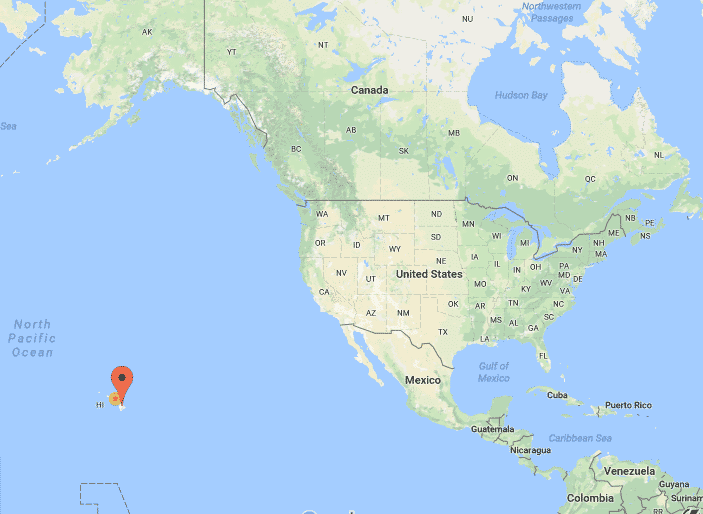
The journey to Hawaii is uniquely situated due to its isolated location in the middle of the Pacific Ocean. This isolation is precisely what contributes to its pristine beauty and distinct culture, but it also means that, for most, a significant flight is required. The exact duration of your flight will depend heavily on your starting point, whether you’re departing from the west coast of North America, a central or eastern United States city, or an international location. Additionally, factors like direct versus connecting flights, the specific Hawaiian island you’re flying into, and even atmospheric conditions can play a role.
The West Coast Advantage: Shorter Hops to Paradise
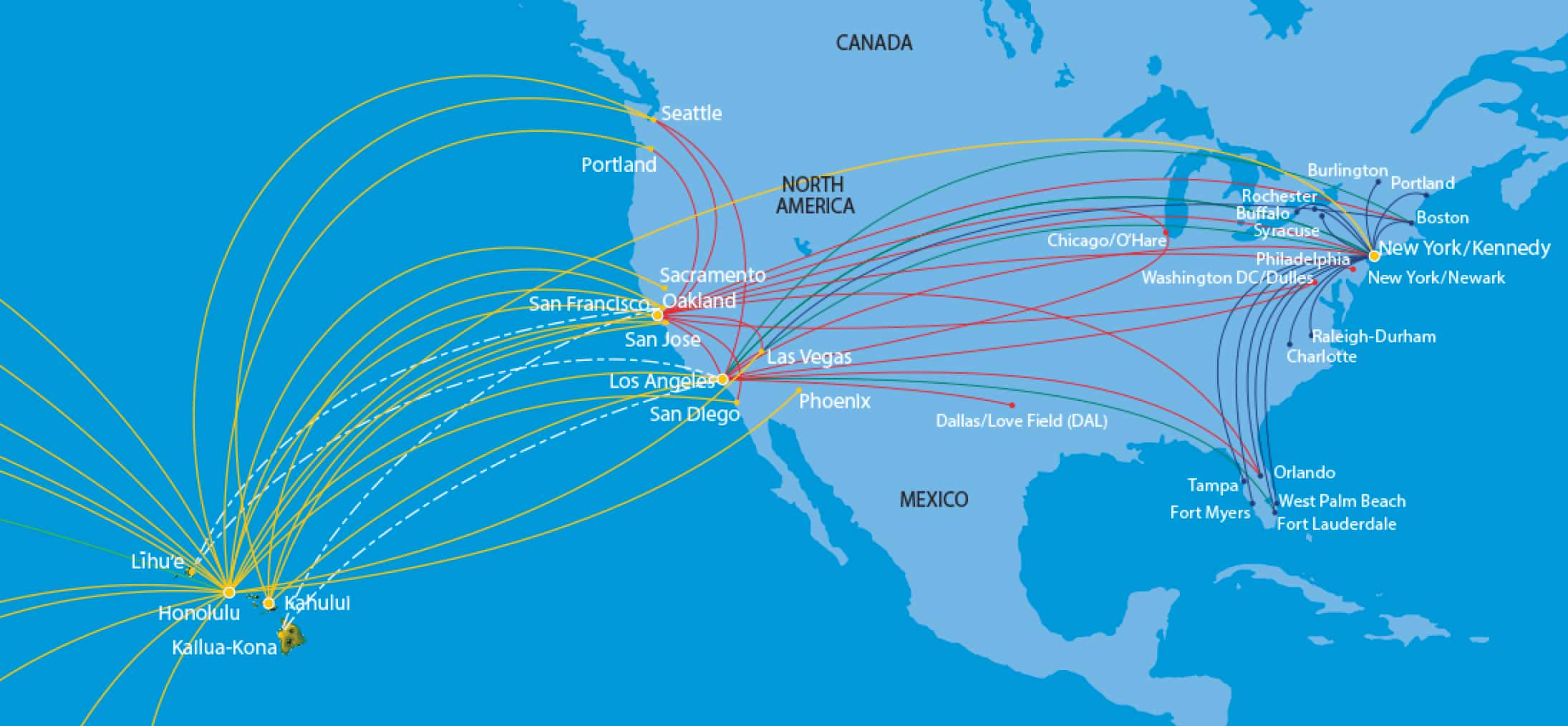
For travelers departing from the West Coast of the United States and Canada, the flight to Hawaii is the shortest and most frequent. These cities serve as primary gateways, offering numerous direct flights daily to Honolulu (Oahu) and often directly to Maui, Kauai, and the Big Island.
- From Los Angeles (LAX) or San Francisco (SFO): These are arguably the busiest routes to Hawaii. Direct flights typically range from 5 to 5.5 hours to Honolulu. Flights to Kahului Airport in Maui or Lihue Airport in Kauai are often similar, perhaps an extra 15-30 minutes.
- From Seattle (SEA) or Portland (PDX): Slightly further north, flights from the Pacific Northwest generally take around 5.5 to 6 hours for a direct service to Honolulu.
- From San Diego (SAN), Phoenix (PHX), Las Vegas (LAS), or Sacramento (SMF): These cities also offer direct flights, usually falling within the 5.5 to 6.5-hour range.
- From Vancouver (YVR), Canada: As a major international hub, Vancouver provides direct flights to Honolulu that typically last about 5.5 to 6 hours. Other Canadian cities like Calgary or Edmonton will often involve a layover in Vancouver or a U.S. West Coast city, extending the total travel time.
Airlines like United Airlines, Delta Air Lines, American Airlines, Southwest Airlines, and Hawaiian Airlines operate these routes extensively, providing numerous options for travelers.
Journeys from the Mid-West and East Coast: A Longer Embrace
For travelers originating from the central and eastern regions of the United States or Canada, the journey to Hawaii becomes a more significant undertaking. While direct flights are becoming increasingly common from major hubs, many itineraries will involve at least one layover on the West Coast, considerably extending total travel time.
- From Chicago (ORD) or Dallas/Houston (DFW/IAH): Direct flights from these central hubs can take between 7.5 to 8.5 hours. If a layover is involved, especially in a city like Los Angeles or San Francisco, your total travel time, including waiting, could easily span 10 to 14 hours.
- From Denver (DEN): Situated in the Mountain West, direct flights from Denver generally fall in the 7 to 7.5-hour range.
- From New York City (JFK/EWR), Atlanta (ATL), Boston (BOS), Miami (MIA), Orlando (MCO), Philadelphia (PHL), or Washington D.C. (IAD/DCA): These are some of the longest direct flight routes within the United States to Hawaii. Direct flights can last anywhere from 9 to 11 hours. The vast majority of travelers from these regions will have connecting flights, typically adding another 2-5 hours to their journey, making total travel times closer to 12 to 18 hours or more.
- From Toronto (YYZ) or Montreal (YUL), Canada: Similar to the eastern U.S., direct flights are rare but, if available, would be in the 9-10 hour range. Most Canadian East Coast travelers will connect, often in Vancouver or a major U.S. city, leading to total travel times of 13-18 hours.
When planning from these regions, it’s often strategic to book an itinerary with a single, well-timed layover to minimize overall travel fatigue.
International Gateways: Reaching Hawaii from Afar
Hawaii’s allure extends globally, attracting visitors from Asia, Australia, and New Zealand. For these international travelers, the flight is naturally longer, often constituting a significant portion of their travel budget and planning.
- From Tokyo (NRT/HND) or Osaka (KIX), Japan: Japan is one of Hawaii’s largest international markets. Direct flights to Honolulu are common and typically take around 7 to 8 hours. Airlines like Japan Airlines, All Nippon Airways, and Hawaiian Airlines offer frequent services.
- From Seoul (ICN), South Korea: Direct flights to Honolulu are generally in the range of 8 to 9 hours.
- From Sydney (SYD) or Melbourne (MEL), Australia: Flights from Australia are considerably longer, usually around 9 to 10 hours for direct services to Honolulu.
- From Brisbane (BNE), Australia: Direct flights are also available, similar in duration to Sydney and Melbourne, typically around 9 hours.
- From Auckland (AKL), New Zealand: Direct flights to Honolulu typically take around 8 to 9 hours.
- From Other Pacific Islands (e.g., Fiji, Tahiti): Flights from within the Polynesian Triangle can vary, but generally range from 5 to 8 hours to Honolulu.
Factors Influencing Your Flight Time
Beyond the geographical distance, several other elements can slightly alter your flight duration:
- Prevailing Winds: The jet stream, a fast-moving air current, generally flows from west to east. This means westbound flights (e.g., Honolulu to Los Angeles) are often shorter than eastbound flights (e.g., Los Angeles to Honolulu) due to the tailwinds. The difference can be as much as 30-60 minutes.
- Aircraft Type: Modern, more fuel-efficient aircraft like the Boeing 787 Dreamliner or Airbus A350 can sometimes achieve slightly faster travel times and generally offer a more comfortable experience for long-haul flights.
- Direct vs. Connecting Flights: As highlighted, connecting flights significantly increase total travel time, not just due to the extra flight segment but also layover duration. Always factor in connection times, especially if transiting through busy airports.
- Destination Island: While most international and mainland U.S. flights arrive at Daniel K. Inouye International Airport (HNL) in Honolulu, Oahu, some airlines offer direct services to other islands like Maui (OGG), Kauai (LIH), or the Big Island (Kona International Airport (KOA) or Hilo International Airport (ITO)). If your final destination is not Oahu, you might need an additional inter-island flight, which typically adds 30-60 minutes of flying time plus transit at HNL.
Maximizing Your Journey: Tips for a Comfortable Flight to the Aloha State

A long flight, while a necessary part of reaching Hawaii, doesn’t have to be an ordeal. With strategic planning and mindful practices, you can transform your travel day into a comfortable and even enjoyable prelude to your island adventure. Considering that many flights to Hawaii span several hours, prioritizing comfort and well-being is key.
Pre-Flight Preparations for a Smooth Departure
The groundwork for a pleasant flight begins long before you reach the airport. Thoughtful planning can mitigate stress and enhance your journey.
- Choose Your Airline and Seat Wisely: Research airlines known for good service on long-haul flights. Pay attention to seat pitch, recline, and amenities. If budget allows, consider upgrading to premium economy or business class for significantly more space and comfort. Even in economy, selecting an aisle seat for ease of movement or a window seat for leaning and privacy can make a difference. Websites like SeatGuru can offer insights into specific aircraft layouts.
- Pack Smart for Carry-On: Your personal item and carry-on are your lifelines on a long flight. Include essentials like a neck pillow, eye mask, earplugs or noise-canceling headphones, a refillable water bottle, snacks, hand sanitizer, and any necessary medications. Layers of clothing are also crucial as cabin temperatures can fluctuate. Don’t forget your charging cables and power bank for electronics.
- Download Entertainment: While most airlines offer in-flight entertainment, having your own stash of movies, TV shows, podcasts, audiobooks, or e-books ensures you’re never bored, even if the system fails or doesn’t have your preferred content.
- Dress Comfortably: Opt for loose-fitting, breathable clothing. Compression socks are highly recommended for flights over 4-5 hours to help prevent swelling and reduce the risk of deep vein thrombosis.
- Check-in Online and Arrive Early: Online check-in saves time and stress at the airport. For international flights or those with tight connections, arriving at the airport well in advance allows ample time for security, potential delays, and finding your gate without rushing.
Comfort and Entertainment in the Air
Once aboard, maintaining comfort is paramount for a long journey across the Pacific.
- Stay Hydrated: Cabin air is notoriously dry. Drink plenty of water before, during, and after your flight. Limit caffeine and alcohol, as they can contribute to dehydration and disrupt sleep. Bring an empty reusable water bottle and fill it after security.
- Move Around: Don’t stay seated for the entire flight. Get up and walk the aisles every hour or two to promote blood circulation. Perform simple stretches in your seat, such as ankle rotations, knee lifts, and shoulder rolls.
- Manage Your Sleep: If you plan to sleep, create a conducive environment. Use your neck pillow, eye mask, and earplugs. Try to adjust your sleep schedule to your destination’s time zone even before you depart.
- Engage Your Mind: Beyond screen time, bring a journal, a sketchbook, or a puzzle book. Use the flight as an opportunity for quiet reflection or creative expression.
- Snack Smart: While airlines provide meals, having your own healthy snacks (nuts, fruit, granola bars) ensures you have options and can avoid sugary or heavily processed foods that might make you feel sluggish.
Conquering Jet Lag and Time Zone Differences
One of the biggest challenges of flying to Hawaii is the significant time difference, especially for travelers from the East Coast of the United States (a 5-6 hour difference) or international destinations. Jet lag can impact your first few days, but it can be managed.
- Adjust Before You Go: A few days before your trip, try to gradually shift your sleep schedule closer to [Hawaii](https://lifeoutofthebox.com/hawaii]’s time zone.
- Embrace the Local Time Immediately: As soon as you board the plane, change your watch to Hawaiian time. Try to eat and sleep according to this new schedule.
- Seek Sunlight: Upon arrival, expose yourself to natural light, especially in the morning. Sunlight helps reset your body’s internal clock.
- Stay Active (But Don’t Overdo It): Light activity on your first day, like a walk on the beach, can help combat fatigue. Avoid strenuous activities immediately.
- Prioritize Sleep: Even if you arrive early in the day, try to get some rest if you feel tired, but avoid long naps that might disrupt your nighttime sleep.
Arriving in Paradise: What Awaits You in Hawaii
After hours in the air, the moment your plane descends over the turquoise waters and verdant landscapes of Hawaii is truly magical. The journey, no matter its length, quickly fades into memory as the warmth of the sun and the gentle breeze welcome you to paradise. But your arrival isn’t just about stepping off the plane; it’s about seamlessly transitioning into your Hawaiian adventure, choosing the right island, and diving into the rich tapestry of local culture and activities.
Choosing Your Hawaiian Island Gateway
While Daniel K. Inouye International Airport (HNL) on Oahu serves as the primary gateway for most international and mainland U.S. flights, Hawaii offers a diverse array of islands, each with its own distinct charm and appeal. Your choice of island will shape your entire experience, from the types of activities you pursue to the kind of accommodation you select.
- Oahu: The Gathering Place: Home to the bustling capital of Honolulu and iconic Waikiki Beach, Oahu is perfect for those seeking a vibrant mix of city life, historical sites like Pearl Harbor, and world-class surfing on the North Shore. It boasts a wide range of accommodation, from luxury resorts like The Royal Hawaiian and the Hilton Hawaiian Village Waikiki Beach Resort to budget-friendly apartments and local guesthouses. Landmarks such as Diamond Head Crater offer breathtaking views, making Oahu an excellent choice for first-time visitors or those seeking diverse experiences.
- Maui: The Valley Isle: Known for its stunning beaches, the scenic Maui’s Road to Hana, and the majestic Haleakala National Park, Maui offers a more relaxed yet luxurious vibe. It’s ideal for couples, families, and those interested in whale watching (seasonal), snorkeling, or golfing. Areas like Wailea and Kaanapali host world-renowned resorts such as the Four Seasons Resort Maui at Wailea and The Ritz-Carlton, Kapalua, catering to a high-end lifestyle experience.
- Kauai: The Garden Isle: If natural beauty and outdoor adventures are your priority, Kauai is your island. Famous for its dramatic Na Pali Coast, Waimea Canyon, and lush landscapes, it’s a haven for hikers, kayakers, and nature lovers. Accommodation ranges from charming boutique hotels to resorts in areas like Poipu and Princeville, offering a tranquil escape from the everyday.
- Big Island: Hawaii Island: The largest and youngest of the islands, the Big Island offers an incredible diversity of landscapes, from active volcanoes in Hawaii Volcanoes National Park to black sand beaches and snow-capped peaks. It’s a destination for adventurous travelers and those seeking unique natural phenomena. Popular areas include Kailua-Kona for its sunny resorts and Hilo for its lush rainforests. You can find everything from eco-lodges to luxurious Marriott and Hilton properties.
- Molokai & Lanai: The Secluded Isles: For an even more exclusive and authentic Hawaiian experience, Molokai and Lanai offer tranquility and a glimpse into old Hawaii. These islands are perfect for those seeking peace, quiet, and unspoiled nature, with limited, often high-end, accommodation options, such as the Four Seasons Resort Lanai.
Seamless Transitions: Accommodation and Activities Post-Flight
Upon landing, especially after a long flight, your immediate priorities will be reaching your accommodation and settling in.
- Accommodation Booking: Whether you prefer the luxury of a Hyatt resort, the convenience of a Marriott hotel, a unique boutique hotel, or the privacy of a vacation rental via platforms like Airbnb or VRBO, it’s highly advisable to book your accommodation well in advance. This ensures you have a confirmed place to rest and rejuvenate. Consider proximity to attractions or beaches based on your interests.
- Transportation from the Airport: Plan your airport transfer ahead of time. Options include rental cars (essential for exploring most islands), shuttle services, ride-sharing apps, or taxis. Public transportation is limited on some islands but available in Honolulu.
- First Day Activities: Resist the urge to pack too much into your first day. A gentle stroll on the beach, a leisurely meal, or simply relaxing by the pool can help you acclimate to the time zone and shake off travel fatigue. Enjoying local cuisine, perhaps a fresh poke bowl or a plate lunch, is a perfect way to begin immersing yourself in the local culture.
- Embrace Local Culture and Food: Hawaii’s appeal extends beyond its scenery to its vibrant local culture. From welcoming aloha greetings to traditional luaus and fresh, island-grown ingredients, engaging with the local way of life enhances any trip. Explore farmers’ markets, try local food trucks, and visit historical sites to truly experience the islands.
The flight to Hawaii is an adventure in itself, a bridge between your everyday life and an extraordinary tropical paradise. While the duration varies, meticulous planning and an awareness of what to expect can make the journey feel shorter and significantly more enjoyable. From the moment you research your flight options to the exhilarating touchdown, every step brings you closer to the unique experiences, breathtaking landscapes, and warm spirit that define the Aloha State. So, pack your bags, prepare for a captivating journey, and get ready to discover why, for countless travelers, the long flight to Hawaii is always worth it.
LifeOutOfTheBox is a participant in the Amazon Services LLC Associates Program, an affiliate advertising program designed to provide a means for sites to earn advertising fees by advertising and linking to Amazon.com. Amazon, the Amazon logo, AmazonSupply, and the AmazonSupply logo are trademarks of Amazon.com, Inc. or its affiliates. As an Amazon Associate we earn affiliate commissions from qualifying purchases.