
Dreaming of the swaying palm trees, the warm embrace of the Pacific Ocean, and the vibrant aloha spirit of Hawaii? For many, the journey to this island paradise is a significant part of the adventure. One of the most common questions travelers ask is, “How long will it take to fly to Hawaii?” The answer, while seemingly straightforward, involves a fascinating blend of geography, logistics, and even atmospheric science. Understanding these factors can help you plan your travel, manage expectations, and even prepare for a more comfortable journey to the “Aloha State.”
As a premier travel destination, Hawaii draws visitors from every corner of the globe, each journey presenting its unique duration. This guide will delve into the various elements that influence flight times, provide typical durations from major departure points, and offer valuable insights into making your long-haul flight as enjoyable as possible, aligning perfectly with our focus on travel experiences, accommodation, and lifestyle.
Understanding the Variables: What Impacts Your Flight Time to Hawaii?
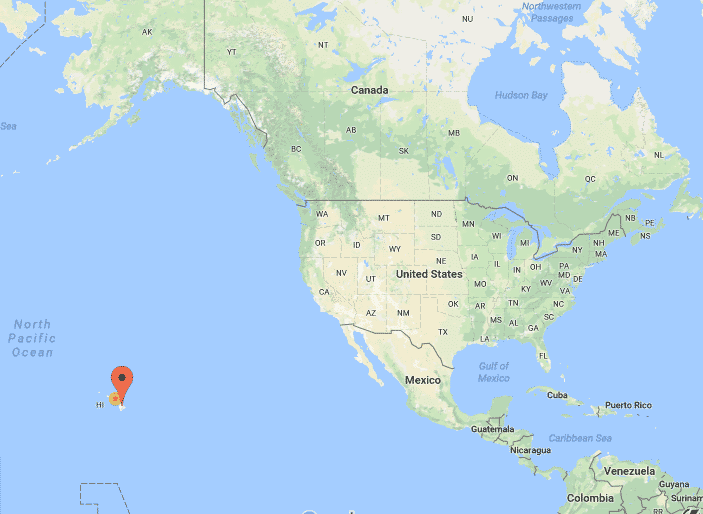
The flight time to Hawaii is not a fixed number; it’s a dynamic calculation influenced by several key factors. While the islands may appear relatively close on a map, especially from the United States mainland, the reality of air travel introduces various nuances that can significantly alter your expected arrival.
Geographical Starting Point
Naturally, the most significant determinant of your flight duration is your point of origin. Travelers departing from the West Coast of the United States will experience considerably shorter flight times than those coming from the East Coast, Europe, or Asia. The vast expanse of the Pacific Ocean means that international travelers face some of the longest journeys. For instance, a flight from Los Angeles to Honolulu will be a fraction of the time it takes to fly from New York or London.
Direct vs. Connecting Flights
The choice between a direct (non-stop) flight and a connecting flight will dramatically impact your total travel time. Direct flights are always quicker in terms of actual airtime, as they eliminate layovers. However, direct flights are often more expensive and less frequent, especially from smaller airports or distant international locations. Connecting flights, while potentially more budget-friendly or convenient for certain routes, add several hours to your journey due to stopovers, plane changes, and waiting times at intermediate airports, such as Phoenix Sky Harbor International Airport or Dallas/Fort Worth International Airport. When planning your accommodation, remember that long layovers can sometimes necessitate an overnight stay near the connecting airport.
Aircraft Type and Air Traffic Control
The type of aircraft plays a role in flight speed, though this impact is usually less significant than geographical distance or connections. Modern commercial airliners typically cruise at similar speeds. However, factors like wind resistance, engine performance, and payload can cause minor variations. More impactful is the role of air traffic control. Busy airspaces, particularly around major hubs like Los Angeles International Airport (LAX) or San Francisco International Airport (SFO), can lead to ground delays, holding patterns, or altered flight paths, all of which contribute to the overall travel duration.
Atmospheric Conditions and Jet Streams
Nature itself has a hand in how long your flight takes. Jet streams, powerful, fast-moving air currents in the upper atmosphere, can act as a natural tailwind or headwind. Flying with the jet stream can significantly reduce flight times, particularly on eastbound routes across the Pacific. Conversely, flying against a strong headwind can add an hour or more to your journey. Weather phenomena, such as strong storms or turbulence, can also necessitate detours or slower speeds, further affecting the planned duration. Airlines account for these variables in their estimated flight times, but actual arrival can still fluctuate.
Typical Flight Durations to Hawaii from Major Hubs
Knowing the approximate flight times from various regions can help you set realistic expectations and choose the most convenient routes for your Hawaiian escape. Most flights land at Daniel K. Inouye International Airport (HNL) in Honolulu, Oahu, which serves as the primary gateway to the islands. However, direct flights are also available to Kahului Airport (OGG) on Maui, Lihue Airport (LIH) on Kauai, and Ellison Onizuka Kona International Airport (KOA) on Hawaii Island (the Big Island).
From the West Coast of the United States
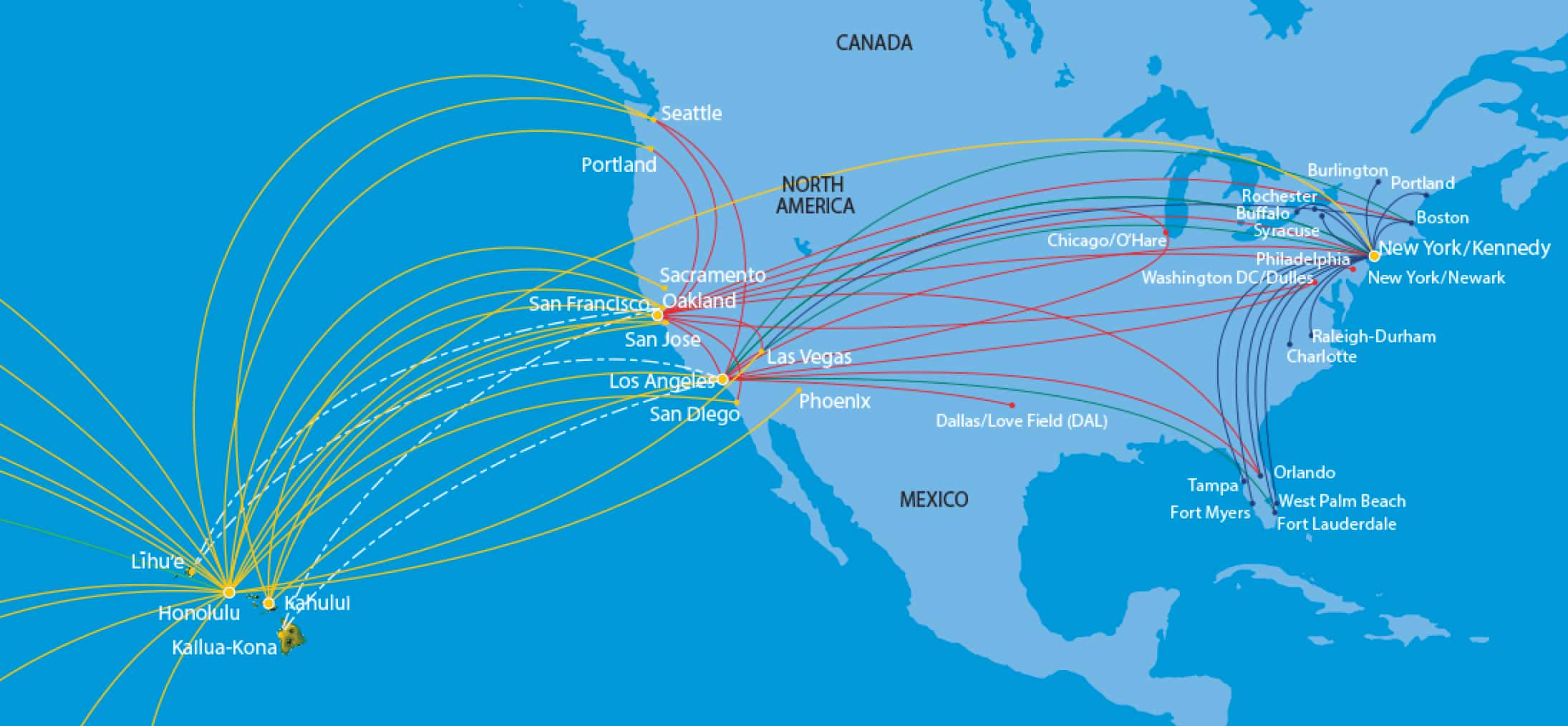
The West Coast of the United States offers the shortest flight times to Hawaii, making it the most popular departure point for mainland travelers. Cities like Los Angeles, San Francisco, Seattle, and Portland are prime departure points with numerous direct flights daily.
- Los Angeles (LAX) to Honolulu (HNL): Approximately 5 hours to 5 hours 45 minutes.
- San Francisco (SFO) to Honolulu (HNL): Approximately 5 hours 15 minutes to 6 hours.
- Seattle (SEA) to Honolulu (HNL): Approximately 5 hours 45 minutes to 6 hours 30 minutes.
- Portland (PDX) to Honolulu (HNL): Approximately 5 hours 30 minutes to 6 hours 15 minutes.
These are for direct flights. Connecting flights from these cities would add several hours to the total travel time, depending on the layover duration.
From the Central and Eastern United States
Travelers from the central and eastern regions of the United States face longer flights, often requiring a connection through a West Coast hub. However, a growing number of airlines now offer direct flights from some major cities, providing a more streamlined experience.
- Chicago (ORD) to Honolulu (HNL): Direct flights can take around 8 hours 30 minutes to 9 hours 30 minutes. With a connection, total travel time can range from 11 to 15+ hours.
- Dallas (DFW) or Houston (IAH) to Honolulu (HNL): Direct flights typically take 8 hours to 8 hours 45 minutes. Connecting flights will push this to 10-14+ hours.
- Atlanta (ATL) to Honolulu (HNL): Direct flights are available and can take 9 hours 30 minutes to 10 hours 30 minutes. Connecting journeys often exceed 12-16+ hours.
- New York (JFK/EWR) or Boston (BOS) to Honolulu (HNL): Direct flights range from 10 hours to 11 hours. Connecting flights from these East Coast hubs are common and can extend travel to 13-18+ hours.
- Miami (MIA) to Honolulu (HNL): Often involves a connection, with total travel times commonly ranging from 13-18+ hours.
When booking accommodation, especially for families or those on a tighter schedule, consider how these flight durations will impact your arrival time and check-in windows at your chosen resort or apartment.

International Journeys: Flying to Hawaii from Around the Globe
Hawaii’s allure is global, attracting tourists from Asia, Oceania, Canada, and beyond. These journeys often involve significantly longer flight times and substantial time zone changes.
- Tokyo, Japan (NRT/HND) to Honolulu (HNL): Approximately 6 hours 30 minutes to 7 hours 30 minutes. Japan is a major market for Hawaii, with frequent direct flights.
- Sydney, Australia (SYD) to Honolulu (HNL): Approximately 9 hours 30 minutes to 10 hours 30 minutes.
- Vancouver, Canada (YVR) to Honolulu (HNL): Approximately 5 hours 45 minutes to 6 hours 30 minutes, similar to Seattle due to proximity.
- London, United Kingdom (LHR) to Honolulu (HNL): This is a long journey, typically involving at least one connection. Total travel time can easily exceed 17-25+ hours.
For international travelers, planning is key, not just for the flights but also for managing jet lag and securing appropriate long-term accommodation or resort stays that allow for adjustment to the new time zone.
Navigating Your Hawaiian Arrival: Beyond the Flight Itself
While the flight itself is a crucial part of your journey, preparing for your arrival and understanding the subsequent steps can greatly enhance your overall travel experience. This includes choosing your final destination island and preparing yourself for the time zone shift.
Choosing Your Island Gateway: Oahu, Maui, Kauai, or the Big Island
Most international and trans-pacific flights land at Daniel K. Inouye International Airport (HNL) on Oahu. If your ultimate destination is another island like Maui, Kauai, or the Big Island (which hosts Ellison Onizuka Kona International Airport in Kona and Hilo International Airport in Hilo), you will need to factor in an additional inter-island flight. These typically range from 30 to 60 minutes, plus transfer and waiting times, adding another 2-4 hours to your total travel duration. Planning your accommodation and activities around your chosen island is crucial for a smooth transition from airport to relaxation.
Time Zones and Jet Lag Management
Hawaii observes Hawaii Standard Time (HST) and does not participate in Daylight Saving Time. This means significant time differences with mainland United States and international locations:
- West Coast (PST): Hawaii is 2-3 hours behind (3 hours during DST).
- Central Time (CST): Hawaii is 4-5 hours behind (5 hours during DST).
- East Coast (EST): Hawaii is 5-6 hours behind (6 hours during DST).
- Japan: Hawaii is usually 19 hours behind Japan Standard Time.
Jet lag can significantly impact the first few days of your vacation. To mitigate its effects:
- Adjust your sleep schedule gradually before departure.
- Stay hydrated during the flight.
- Minimize caffeine and alcohol.
- Try to sleep on the plane if it aligns with your destination’s night-time.
- Upon arrival, expose yourself to natural light and try to stick to the local schedule, even if you feel tired. This advice is particularly useful for those planning longer stays or extensive exploration of local culture and activities.
Preparing for Your Long-Haul Journey
Long flights, especially those exceeding 6-8 hours, require some preparation to ensure comfort and enjoyment.
- Comfortable Attire: Dress in loose, comfortable clothing and layers, as cabin temperatures can vary.
- Entertainment: Load up your devices with movies, TV shows, podcasts, or e-books. Many airlines offer in-flight entertainment, but having your own backup is always a good idea.
- Hydration and Snacks: Drink plenty of water and bring non-perishable snacks. While meals are typically provided on longer flights, having your favorites can make a difference.
- Movement: Stand up and stretch periodically. Perform simple exercises in your seat to maintain circulation and prevent stiffness.
- Essentials: Pack a small bag with travel-sized toiletries, an eye mask, earplugs, and a neck pillow to help with sleep.
- Booking and Reviews: Check airline reviews for seat comfort, entertainment options, and service quality, especially when choosing flights for your family trip or luxury travel experience.
Making the Most of Your Hawaiian Adventure: From Touchdown to Aloha
Once your flight finally touches down and you feel the warm Hawaiian breeze, the real adventure begins. The initial flight duration becomes a distant memory as you immerse yourself in the islands’ unique beauty and culture.
Seamless Accommodation and Resort Planning
Your flight to Hawaii is just the first step. Having your accommodation pre-booked and confirmed is essential for a stress-free arrival. Whether you’ve chosen a luxurious beachfront resort like the Grand Hyatt Kauai Resort & Spa or a charming vacation rental apartment, knowing where you’re headed will save you time and hassle. Many travelers opt for resorts that offer airport transfers, especially after a long flight, making the journey to their temporary home seamless. Exploring different accommodation types, from all-inclusive suites to private villas, ensures your stay aligns with your lifestyle preferences, be it a romantic getaway or a family trip.
Embracing Local Culture and Attractions
Hawaii is rich with local culture, breathtaking landmarks, and diverse activities. From the historic significance of Pearl Harbor on Oahu to the majestic volcanic landscapes of Hawaii Volcanoes National Park on the Big Island, and the stunning beaches of Maui and Kauai, there’s an endless array of experiences awaiting. Don’t forget to explore the local food scene, from traditional poke bowls to fresh farm-to-table cuisine. Planning your itinerary in advance can help maximize your time and ensure you don’t miss any must-see attractions or unique experiences. Understanding local customs and practicing aloha will enhance your immersion into the island lifestyle.
Budgeting and Lifestyle Choices for Your Hawaiian Getaway
A trip to Hawaii can cater to various budgets and lifestyles. While some travelers seek the opulence of luxury travel with five-star resorts and private excursions, others prefer budget travel, opting for more affordable apartments, local eateries, and free nature activities like hiking. Regardless of your chosen lifestyle, the flight cost and duration are critical components of your overall travel budget and planning. Considering the time difference, flight duration, and potential jet lag, a longer stay might be more economical and enjoyable, allowing ample time to recover and explore at a relaxed pace, aligning with the idea of a comprehensive travel guide.
In conclusion, while the question “How long to fly to Hawaii?” has a variable answer, ranging from a brisk 5-hour hop from the West Coast to a multi-day international journey, the preparation and anticipation are part of the adventure. By understanding the factors influencing your flight time, choosing the right routes, and preparing for your long-haul journey, you can ensure a comfortable and exciting start to your unforgettable Hawaiian vacation. The islands await, promising an experience where every minute of travel is worth the breathtaking beauty that greets you upon arrival.
LifeOutOfTheBox is a participant in the Amazon Services LLC Associates Program, an affiliate advertising program designed to provide a means for sites to earn advertising fees by advertising and linking to Amazon.com. Amazon, the Amazon logo, AmazonSupply, and the AmazonSupply logo are trademarks of Amazon.com, Inc. or its affiliates. As an Amazon Associate we earn affiliate commissions from qualifying purchases.