
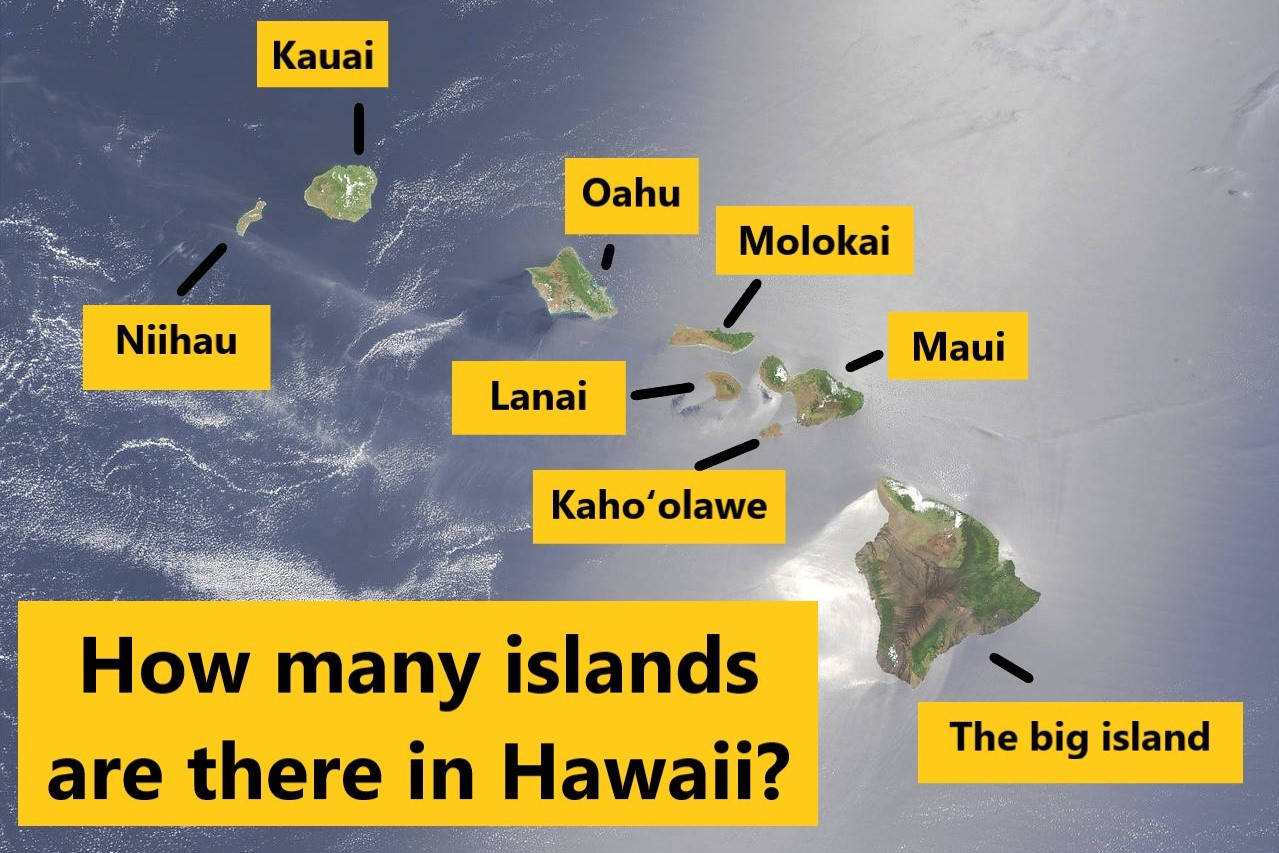
The allure of Hawaii is undeniable, a tropical paradise famed for its stunning beaches, lush landscapes, and vibrant culture. When planning a trip to this Pacific gem, one of the first questions that often arises is: “How many islands are there in Hawaii?” While the simple answer often points to eight major islands, the full scope of this breathtaking archipelago extends far beyond, encompassing hundreds of smaller islets, atolls, and submerged seamounts that stretch for over 1,500 miles across the Pacific Ocean. However, for most travelers and geographical discussions, the focus rightly remains on the eight principal islands, each offering a distinct personality and an abundance of unique experiences.
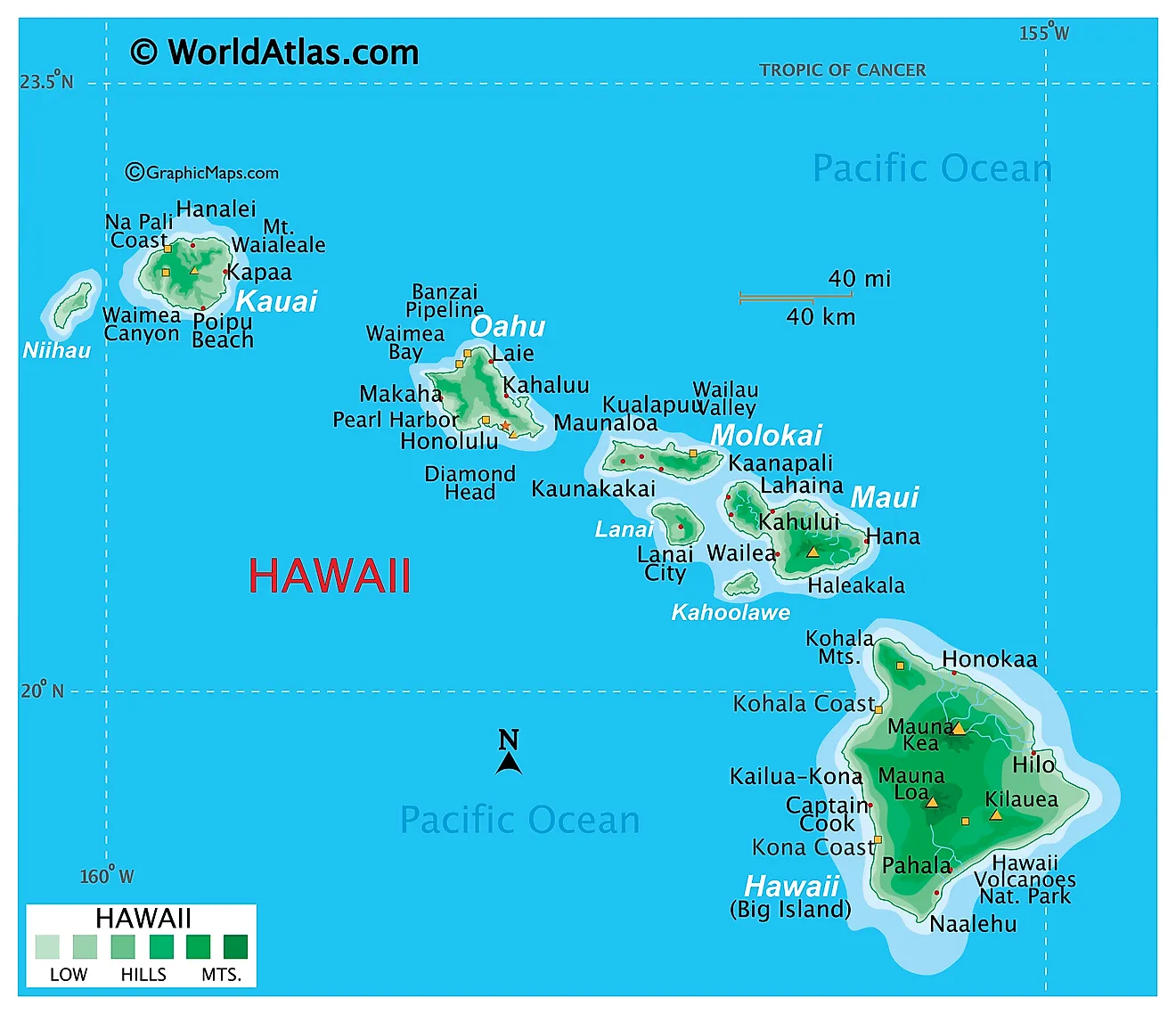
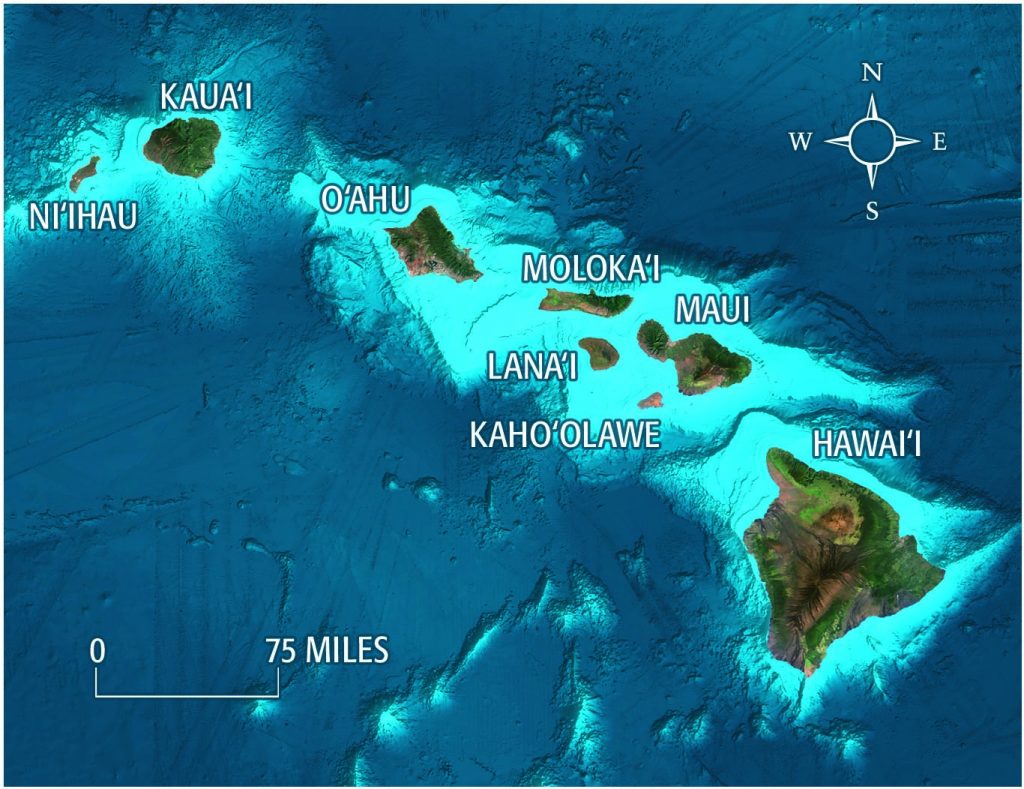
These eight main islands, from east to west, are Hawaii Island (often called the Big Island), Maui, Kaho’olawe, Lana’i, Moloka’i, O’ahu, Kaua’i, and Ni’ihau. Among these, Kaho’olawe and Ni’ihau are not generally accessible to the public, leaving six primary islands for tourism and exploration. Each of these accessible islands is a world unto itself, promising distinct adventures, from volcanic explorations and bustling city life to serene retreats and untouched wilderness. Understanding their individual characteristics is key to crafting the perfect Hawaiian getaway, whether you seek adrenaline-pumping activities, ultimate relaxation, cultural immersion, or a blend of all three.
The Eight Major Hawaiian Islands: A Closer Look
The main Hawaiian Islands were formed by volcanic activity over millions of years, with the Big Island being the youngest and still actively growing. This geological history has sculpted diverse landscapes, climates, and ecosystems across the archipelago. Let’s delve deeper into what makes each of the prominent islands unique.
Hawaii Island (The Big Island): Land of Fire and Ice
As its name suggests, the Big Island is by far the largest, covering almost twice the area of all the other Hawaiian Islands combined. It’s a land of astonishing contrasts, home to both the world’s most active volcanoes and snow-capped peaks. Travelers to the Big Island are treated to a dynamic landscape featuring black sand beaches, lush rainforests, arid lava fields, and even white sand coastlines.
The most iconic attraction is Hawaii Volcanoes National Park, where visitors can witness the raw power of creation as lava flows into the sea (when active) or explore ancient lava tubes and craters. Dominating the landscape are two of the world’s largest volcanoes, Mauna Loa and Kilauea. The island also boasts unique natural wonders like the green sand beach of Papakōlea and the famous black sand beach of Punalu’u Beach. On the western side, the Kona district is renowned for its world-class coffee plantations, such as the Kona Coffee Living History Farm, and excellent snorkeling and diving opportunities, especially with manta rays. For those with an interest in the cosmos, the summit of Mauna Kea offers unparalleled stargazing at the Mauna Kea Observatories, although access requires careful planning due to elevation.
Accommodation options range from luxurious resorts along the Kohala Coast to more budget-friendly hotels and vacation rentals in Hilo and Kona. The Big Island is ideal for adventure seekers, nature lovers, and anyone eager to witness the geological forces shaping our planet. Hiking, deep-sea fishing, and exploring waterfalls are popular activities.
Maui: The Valley Isle
Maui, the second-largest Hawaiian island, is often dubbed “The Valley Isle” for the fertile valley that lies between its two major volcanoes, Haleakalā and the West Maui Mountains. It strikes a perfect balance between luxury and natural beauty, making it a favorite for honeymooners, families, and those seeking a blend of relaxation and adventure.
The island’s most iconic experience is witnessing the sunrise or sunset from the summit of Haleakalā National Park, a truly spiritual experience. Another must-do is driving the winding Road to Hana, a scenic journey filled with breathtaking waterfalls, bamboo forests, and stunning coastal views. Maui’s beaches are legendary, with golden sands at Ka’anapali Beach and the upscale resorts lining Wailea Beach. From December to May, Maui becomes one of the world’s premier destinations for whale watching, as humpback whales migrate to its warm waters.
The island offers a wide array of activities, including surfing lessons, championship golf courses, luxury spa treatments, and world-class dining, particularly in Lahaina and Wailea. Maui boasts an impressive selection of accommodation, from opulent resorts and hotels in Wailea and Ka’anapali to charming boutique hotels and vacation apartments. Its reputation for luxury travel and family-friendly resorts means booking well in advance is often essential.
O’ahu: The Gathering Place
O’ahu lives up to its nickname, “The Gathering Place,” being home to the majority of Hawaii’s population and serving as the vibrant hub of the state. It flawlessly blends metropolitan sophistication with stunning natural beauty, offering a dynamic experience that appeals to a wide range of travelers, from urban explorers to surf enthusiasts and history buffs.
The capital city of Honolulu pulsates with energy, providing world-class shopping, dining, and nightlife. The iconic Waikiki Beach is a bustling stretch of sand offering surfing, swimming, and an array of resorts, hotels, and apartments. History comes alive at the Pearl Harbor National Memorial, a poignant reminder of World War II. For panoramic views of Honolulu and Waikiki, a hike up to the Diamond Head State Monument is highly recommended. The island’s famed North Shore attracts professional surfers from around the globe during winter months, while offering a more laid-back, rustic vibe.
Beyond the city, O’ahu provides opportunities for scenic hikes, snorkeling in pristine bays, and exploring lush botanical gardens. Accommodation ranges from luxury high-rise hotels in Waikiki to more secluded resorts on the windward coast, catering to various budgets and preferences. O’ahu is an excellent choice for first-time visitors to Hawaii, those seeking a lively atmosphere, and families looking for diverse activities.
Kaua’i: The Garden Isle
Kaua’i is the oldest and northernmost of the main Hawaiian Islands, rightfully earning its moniker, “The Garden Isle,” thanks to its verdant rainforests, dramatic cliffs, and cascading waterfalls. This island is a paradise for nature lovers and adventurers, offering a more tranquil and rugged experience compared to its bustling neighbors.
The crown jewel of Kaua’i is undoubtedly the Na Pali Coast State Wilderness Park, a breathtaking stretch of emerald cliffs towering above the Pacific, best viewed by helicopter tour, boat excursion, or challenging multi-day hike. The “Grand Canyon of the Pacific,” Waimea Canyon State Park, offers spectacular vistas and hiking trails. Other natural wonders include the sacred Wailua River, where visitors can kayak to hidden waterfalls, and numerous botanical gardens showcasing Hawaii’s diverse flora.
Popular activities on Kaua’i include hiking, ziplining, surfing, snorkeling, and helicopter tours. The island offers a range of accommodation, from charming vacation rentals and boutique hotels to larger resorts located on the north shore (around Princeville) and the south shore (around Poipu). Kaua’i is perfect for couples seeking a romantic escape, families looking for outdoor adventures, and anyone desiring to immerse themselves in Hawaii’s natural splendor.
Moloka’i: The Friendly Isle
Often referred to as “The Friendly Isle,” Moloka’i remains true to its traditional Hawaiian roots, offering a glimpse into old Hawaii. It is significantly less developed and commercialized than its neighboring islands, making it an ideal destination for those seeking an authentic cultural experience and a peaceful escape from the modern world.
Moloka’i boasts the world’s highest sea cliffs along its north shore and a long, unspoiled white sand beach at Papohaku Beach. The historically significant Kalaupapa National Historical Park, once a remote settlement for those afflicted with Hansen’s disease, offers a powerful and moving experience (access is restricted and requires a guided tour). The island encourages cultural immersion, with opportunities to engage with local communities and learn about Hawaiian traditions.
Accommodation on Moloka’i is limited to a few hotels, charming cottages, and vacation rentals, reflecting its commitment to preserving its local lifestyle and natural environment. It is the perfect destination for travelers who prioritize cultural authenticity, quiet relaxation, and disconnecting from the digital world.
Lana’i: The Pineapple Isle
Once the world’s largest pineapple plantation, Lana’i has transformed into “The Private Isle,” primarily owned by Larry Ellison, CEO of Oracle. It offers an exclusive, luxurious, and tranquil escape, providing a stark contrast to the more bustling islands. Lana’i is characterized by rugged beauty, dramatic red earth landscapes, and pristine coastline.
The island is home to two ultra-luxury Four Seasons Resorts, catering to discerning travelers seeking pampering and exclusivity. Guests can enjoy championship golf courses, world-class dining, and exquisite spa services. Beyond the resorts, adventures await, including off-roading to the otherworldly Garden of the Gods, exploring secluded beaches like Hulopoe Bay (a marine life conservation area perfect for snorkeling), and horseback riding through scenic trails. The island’s main town, Lana’i City, offers a charming glimpse into local life.
Lana’i is ideal for luxury travelers, couples on a honeymoon or romantic getaway, and those who appreciate solitude, personalized service, and a refined island experience away from crowds.
Ni’ihau: The Forbidden Isle
Ni’ihau holds a unique status as Hawaii’s “Forbidden Isle.” Privately owned since 1864 by the Robinson family, it is generally inaccessible to outsiders. The island’s residents, primarily Native Hawaiians, speak the Hawaiian language exclusively and maintain a traditional lifestyle, striving to preserve their culture and the island’s natural environment. Access is strictly controlled, typically limited to family members, invited guests, U.S. Navy personnel (for an isolated facility), and very limited, exclusive hunting and beach tours for a select few. This intentional isolation has kept Ni’ihau largely untouched by modern development.
Kaho’olawe: The Target Isle
Kaho’olawe is the smallest of the eight main Hawaiian Islands and is uninhabited. Historically used as a bombing range by the U.S. military for over 50 years, the island has undergone extensive cleanup efforts since the bombing ceased in 1990. It is now managed by the Kaho’olawe Island Reserve Commission with a mission for ecological and cultural restoration. Access is highly restricted and primarily for native Hawaiian cultural purposes and restoration projects, with occasional volunteer opportunities. Kaho’olawe serves as a poignant reminder of Hawaii’s complex history and ongoing efforts to heal and preserve its sacred lands.
Beyond the Main Eight: The Northwestern Hawaiian Islands
While the eight major islands capture the imagination of most travelers, the Hawaiian Archipelago extends far beyond, forming a vast chain of more than 130 islands, atolls, reefs, and shoals known as the Northwestern Hawaiian Islands (NWHI). This remote stretch of tiny landforms extends nearly 1,200 miles northwest from Ni’ihau.
The NWHI are largely uninhabited by humans but serve as critical habitats for millions of seabirds, endangered Hawaiian monk seals, green sea turtles, and a diverse array of marine life. This area is globally recognized for its exceptional biodiversity and is protected as the Papahānaumokuākea Marine National Monument, one of the largest marine conservation areas in the world and a UNESCO World Heritage site.
Prominent atolls and islands within the NWHI include Midway Atoll, famous for its role in World War II, French Frigate Shoals, and Laysan Island. These islands are not open for general tourism, with access strictly limited to scientific research, conservation efforts, and certain cultural practices by Native Hawaiians. Their existence underscores the incredible ecological richness and vastness of the Hawaiian Archipelago, reminding us that there’s more to Hawaii than just its well-known paradisiacal resorts.
Choosing Your Hawaiian Island Adventure
With such a diverse array of islands, deciding which one (or two, or three!) to visit can be part of the adventure itself. Your ideal Hawaiian experience will largely depend on your travel style, interests, and budget.
What’s Your Travel Style?
- Adventure Seekers: The Big Island offers volcanic hikes, diverse ecosystems, and stargazing. Kaua’i is perfect for challenging hikes, kayaking, and ziplining through lush landscapes.
- Luxury & Relaxation: Maui is renowned for its world-class resorts, beautiful beaches, and upscale dining. Lana’i provides an exclusive, tranquil, and indulgent escape with its top-tier Four Seasons Resorts and private island feel.
- Culture & History Enthusiasts: O’ahu offers rich historical sites like Pearl Harbor National Memorial and vibrant Polynesian cultural experiences. Moloka’i provides an authentic glimpse into traditional Hawaiian life and practices. The Big Island also has significant historical sites and a deep connection to ancient Hawaiian royalty.
- Family Trips: Maui and O’ahu are often top choices for families due to their wide range of activities, kid-friendly resorts, and accessible attractions. From surfing lessons in Waikiki to snorkeling in Maui’s calm waters, there’s something for every age.
- Budget Travel: While Hawaii can be an expensive destination, O’ahu generally offers the most diverse range of accommodation options, including hostels and budget hotels, particularly outside of prime Waikiki. The Hilo side of the Big Island also tends to be more affordable than the Kona side. Renting vacation apartments or villas, particularly for longer stays, can also provide cost savings.
Planning Your Stay
Inter-island travel is primarily via short flights, making it feasible to experience multiple islands during one trip. However, many visitors choose to focus on one or two islands to truly immerse themselves in their unique offerings without feeling rushed. When considering accommodation, options range from grand resorts with extensive amenities (suites, pools, dining) to charming boutique hotels, vacation rentals (apartments, villas), and even long-term stay options, depending on your travel style and duration. Booking in advance, especially during peak seasons like winter holidays and summer, is highly recommended to secure the best rates and availability. Embrace local culture, explore beyond the tourist traps, and always practice responsible tourism to help preserve these precious islands for future generations.
In conclusion, while there are technically hundreds of islands, atolls, and islets that make up the Hawaiian archipelago, the focus for most travelers is on the eight main islands. Among these, six are readily accessible, each presenting a distinct version of paradise. From the volcanic grandeur of the Big Island to the lush cliffs of Kaua’i, the vibrant energy of O’ahu to the luxurious retreats of Maui and Lana’i, and the authentic charm of Moloka’i, Hawaii offers an unparalleled diversity of experiences. Whatever your ideal vacation entails, the Hawaiian Islands beckon with their timeless beauty, warm aloha spirit, and unforgettable adventures.
LifeOutOfTheBox is a participant in the Amazon Services LLC Associates Program, an affiliate advertising program designed to provide a means for sites to earn advertising fees by advertising and linking to Amazon.com. Amazon, the Amazon logo, AmazonSupply, and the AmazonSupply logo are trademarks of Amazon.com, Inc. or its affiliates. As an Amazon Associate we earn affiliate commissions from qualifying purchases.