
Dreaming of a Hawaii getaway often begins with one crucial question: “How much will it cost to get there?” Flying to this remote island paradise, nestled in the heart of the Pacific Ocean, can be a significant portion of your travel budget. However, with the right strategies and an understanding of the factors influencing airfare, your dream vacation to the Aloha State is more attainable than you might think. This comprehensive guide will break down the costs, offer money-saving tips, and help you plan your ideal Hawaiian adventure, whether you’re seeking luxury travel or a budget-friendly escape.
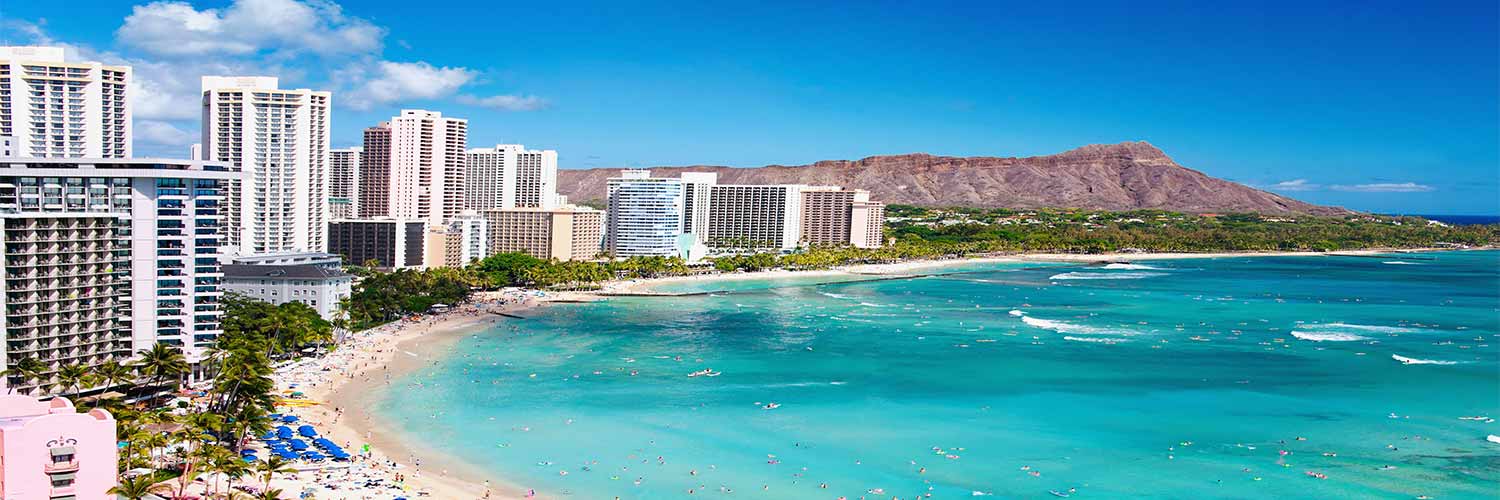
Hawaii is a destination unlike any other, offering a unique blend of vibrant local culture, stunning natural beauty, and unparalleled experiences. From the bustling shores of Waikiki Beach on Oahu to the dramatic cliffs of Kauai’s Na Pali Coast, the volcanic landscapes of the Big Island, or the serene beaches of Maui, each island offers a distinct flavor of paradise. Understanding the logistics and costs of reaching these islands is the first step in turning your travel aspirations into a reality.
Understanding the Variables: What Influences Flight Prices to Hawaii?
The price of an airline ticket to Hawaii is not static; it’s a dynamic figure influenced by a multitude of factors. From your departure point to the time of year you choose to visit, every decision can impact the final cost. Recognizing these variables is key to navigating the complex world of airfare and securing the best possible deal for your journey across the United States and beyond.
Departure City and Proximity
Your starting point is arguably one of the most significant determinants of flight cost. Travelers departing from the West Coast of the United States, particularly major hubs in California, will generally find the cheapest flights. Cities like Los Angeles, San Francisco, Seattle, and Portland often serve as gateways to Hawaii due to their geographical proximity and high volume of direct flights.
As you move further east, prices tend to increase. Travelers from the Midwest or East Coast will typically pay more due to longer flight distances and often requiring connections. Even within a region, choosing a major international airport over a smaller regional one can yield better prices, as larger airports have more competition among airlines.
Timing is Everything: Seasonality and Booking Windows
When you fly to Hawaii plays a massive role in the cost. Peak travel seasons see significantly higher prices, driven by demand. These generally include:
- Summer (June to August): Families traveling during school holidays.
- Winter Holidays (mid-December to early January): People escaping colder climates and celebrating the festive season.
- Spring Break (March to April): Students and families taking advantage of school breaks.
Conversely, the shoulder seasons and off-peak times often offer the best deals.
- Shoulder Season (April to May and September to November, excluding holidays): Pleasant weather and fewer crowds.
- Off-Peak (mid-January to early March): Generally the cheapest time to fly, though weather can be slightly cooler and rainier on some islands.
The booking window is also critical. While there’s no magic formula, booking 2-4 months in advance is often recommended for the best balance of price and availability. Booking too early (6+ months) can sometimes mean missing out on sales, while booking too late (within a month) almost guarantees higher fares.
Airline Choices and Fare Classes
Different airlines offer varying price points and services. Legacy carriers like United Airlines, Delta Air Lines, and American Airlines often provide a more traditional full-service experience, which may come with a higher base fare but include amenities like checked bags, in-flight entertainment, and meals. Hawaiian Airlines is another popular choice, offering direct service to its home state with a distinct local flair.
Budget airlines such as Southwest Airlines and Alaska Airlines have expanded their routes to Hawaii, often offering competitive fares. However, it’s crucial to factor in potential extra costs for baggage, seat selection, and other services that might be included in a legacy carrier’s base fare. Each airline has different fare classes (e.g., Basic Economy, Economy, Economy Plus, First Class), each with its own set of restrictions and inclusions, directly impacting the final price.
The Impact of Layover and Direct Flights
Direct flights are undoubtedly convenient but often come at a premium. Flights with one or more layovers are typically cheaper, especially if the layover city is a major hub like Los Angeles or San Francisco from which many direct Hawaii flights depart. The trade-off is an extended travel time and the potential for missed connections, but for budget-conscious travelers, the savings can be substantial. For those seeking a luxurious travel experience, the direct flight is often preferred for its comfort and efficiency, allowing for a quicker start to their island escape.
Average Flight Costs to Hawaii: A Regional Breakdown
While prices fluctuate constantly, understanding the general range of costs from different regions can help set realistic expectations for your travel budget. These averages are for round-trip economy fares and exclude inter-island flights, which are a separate cost once you arrive in Hawaii.
Flights from the West Coast
Travelers from the West Coast enjoy the most economical flights to Hawaii.
- Low Season (January, February, May, September, October): You might find flights for $300 – $500 USD round-trip from cities like Los Angeles, San Francisco, Seattle, or Portland to Honolulu (Oahu) or Kahului (Maui). Occasionally, flash sales can bring these prices even lower.
- Shoulder Season (April, early June, early December): Prices typically range from $500 – $700 USD.
- Peak Season (Summer, Holidays, Spring Break): Expect to pay $700 – $1000+ USD, especially for direct flights to popular islands.
Flights from the East Coast and Midwest
Flights from the East Coast and Midwest are notably more expensive due to the increased distance and necessity of connecting flights.
- Low Season: Fares can range from $600 – $900 USD round-trip from major hubs like New York, Chicago, Dallas, Houston, or Atlanta. Finding deals below this range is less common but not impossible with significant flexibility and early booking.
- Shoulder Season: Prices typically fall between $800 – $1200 USD.
- Peak Season: Be prepared to spend $1000 – $1500+ USD, and sometimes even higher for popular dates or more luxurious travel options. Direct flights from the East Coast are rare but do exist from a few major airports, and these will almost always be at the higher end of the spectrum.
International Departures
For travelers coming from outside the United States, such as Canada, Europe, Asia, or Australia, flight costs can vary dramatically.
- From major Canadian cities like Vancouver or Toronto, prices might be comparable to US West Coast or Midwest depending on connections, generally ranging from $500 – $1200+ CAD.
- From Asia (Japan, South Korea), flights can range from $700 – $1500+ USD depending on the airline (ANA, Korean Air, Hawaiian Airlines) and season.
- From Europe or Australia, costs will be considerably higher, often starting from $1200 – $2000+ USD due to the extreme distance and multiple connections.
Strategies for Finding Cheaper Flights to Hawaii
Armed with knowledge about pricing variables, you can now employ specific strategies to reduce your airfare costs significantly. Finding cheap flights isn’t just luck; it’s a combination of smart planning, flexibility, and diligent research.
Embrace Flexibility in Dates and Destinations
The single most effective way to save money on flights is to be flexible.
- Travel during off-peak seasons: As mentioned, flying in January, February, May, September, or October often yields the lowest prices.
- Be flexible with travel days: Flying mid-week (Tuesday, Wednesday, Thursday) is almost always cheaper than flying on weekends. Consider red-eye flights or early morning departures, which can also be less expensive.
- Consider alternative airports: If your destination is Oahu, Honolulu International Airport (HNL) is the main hub. However, if you’re going to Maui, Kahului Airport (OGG) is the primary gateway, while Kona International Airport (KOA) and Hilo International Airport (ITO) serve the Big Island, and Lihue Airport (LIH) serves Kauai. Sometimes flying into a less popular airport on an adjacent island and taking an inter-island flight can be cheaper, though this adds complexity and an extra cost.
Leverage Flight Comparison Sites and Price Alerts
Utilize powerful flight search engines to compare prices across multiple airlines and booking platforms. Popular options include Google Flights, Skyscanner, Kayak, and Expedia. These tools allow you to:
- Use flexible date search features: Many sites offer calendar views that highlight the cheapest days to fly within a month or even a year.
- Set up price alerts: Sign up for email notifications that inform you when prices for your desired route drop. This passive monitoring can catch flash sales or sudden price reductions.
- Explore “Everywhere” or “Anywhere” searches: If your primary goal is just to go to Hawaii and you’re open to which island, these features can reveal surprisingly cheap routes to less popular arrival airports.
Consider Budget Airlines and Alternative Airports
Budget carriers like Southwest Airlines have significantly changed the landscape of Hawaiian air travel. While their base fares are often low, be mindful of additional fees for baggage, seat selection, and in-flight amenities. Always do a full cost comparison, including all potential fees, before booking with a budget airline. Sometimes a slightly higher base fare on a full-service carrier might offer better value if it includes checked bags and other services you’d otherwise pay extra for. Also, consider flying out of smaller, regional airports near your home if they offer competitive prices or connect to major hubs with good Hawaii routes.
The Incognito Mode Myth and Other Booking Hacks
You might have heard that searching for flights in incognito mode prevents airlines from tracking your searches and raising prices. While airlines do use cookies, the impact of incognito mode on flight prices is largely a myth. Prices are dynamic and change based on demand, not your individual search history.
However, a useful hack is to consider “hidden city ticketing” in very specific circumstances (e.g., booking a flight from City A to City C with a layover in City B if you only want to go to City B and the flight to City C is cheaper). This is generally discouraged by airlines and can lead to issues if you have checked baggage, so it should be approached with caution and only if you fully understand the risks. For most travelers, sticking to legitimate booking strategies is best.
Beyond the Ticket Price: Hidden Costs and Overall Trip Budget
The cost of your flight is just one piece of the overall Hawaii vacation puzzle. To truly understand how much your trip will cost, you need to factor in other expenses that arise once your flight is booked. This holistic approach ensures you don’t encounter unexpected financial surprises during your idyllic escape.
Baggage Fees and In-Flight Amenities
For many airlines, especially budget carriers and basic economy fares on full-service airlines, checked baggage is an additional cost. These fees can range from $30 – $70+ USD per bag, per direction. If you’re traveling as a family, these costs can quickly add up. Consider packing light, using carry-on luggage only, or choosing an airline/fare that includes checked bags. In-flight meals, snacks, and entertainment might also come at an extra charge, so factor these into your budget if you plan to utilize them. For long flights to Hawaii, these small comforts can make a big difference in your travel experience.
Ground Transportation Upon Arrival
Once you land in Hawaii, you’ll need a way to get to your accommodation. Options include:
- Rental Cars: Essential for exploring islands like Maui, the Big Island, or Kauai. Rental car prices can be steep in Hawaii, especially during peak season, often costing $50 – $150+ USD per day. Book well in advance!
- Shuttles/Taxis/Rideshares: Available at airports like Honolulu. Shuttles typically cost $20 – $35 USD per person one-way to popular areas like Waikiki. Taxis and rideshares will be higher, depending on distance.
- Public Transportation: Oahu has an extensive bus system (“TheBus”), which is very affordable, but other islands have limited or no public transit suitable for tourists.
Integrating Flight Costs into Your Total Hawaii Vacation Budget
A comprehensive travel budget extends far beyond just flights. When planning your Hawaii trip, consider these additional elements:
- Accommodation: This is often the largest expense after flights. Options range from luxury resorts like the Four Seasons or Ritz-Carlton to mid-range hotels, vacation rentals, and budget-friendly hostels or apartments. Prices can range from $150 USD for basic rooms to $500+ USD per night for resorts.
- Food: Dining out in Hawaii can be expensive. Budget anywhere from $75 – $150+ USD per person per day, depending on your dining style. Grocery shopping and cooking some meals can help save money.
- Activities & Attractions: Snorkeling, surfing lessons, luaus, helicopter tours, visiting Pearl Harbor, or exploring Volcanoes National Park all come with costs. Factor in $50 – $200+ USD per person per day for activities.
- Inter-island Flights: If you plan to visit multiple islands (e.g., Oahu and Maui), budget for inter-island flights, which typically cost $70 – $150 USD round-trip per segment.
- Travel Insurance: Highly recommended to cover unexpected events like flight cancellations, lost luggage, or medical emergencies.
By considering all these factors, you can create a realistic and detailed overall budget for your Hawaiian adventure, ensuring that the cost to fly is just one piece of a well-planned financial picture.
Making Your Hawaiian Dream a Reality: Lifestyle and Travel Tips
Ultimately, the cost of flying to Hawaii is part of a larger travel lifestyle decision. Whether you prioritize luxury, budget, or family-friendly travel, there are ways to tailor your experience to meet your financial comfort zone while still enjoying the magic of the islands.
Luxury vs. Budget Travel: Tailoring Your Experience
Luxury Travel: If your budget allows for a lavish experience, Hawaii offers unparalleled luxury. Think first-class flights, stays at five-star resorts like the Grand Hyatt Kauai Resort & Spa or The Ritz-Carlton, Kapalua, private tours, gourmet dining, and spa treatments. While the initial flight cost might be higher, it’s integrated into a seamless, premium travel experience. Consider booking through travel agents specializing in luxury travel for exclusive deals and amenities.
Budget Travel: For those aiming for an affordable trip, every dollar counts. Focus on finding the cheapest flights during off-peak seasons, utilizing budget airlines, and being flexible with dates. For accommodation, look into vacation rentals (Airbnb, VRBO), hostels, or more economical hotels. Embrace local food trucks and markets, and enjoy free natural attractions like beaches and hiking trails. Public transportation on Oahu can also save significant money.
Family Travel Considerations
Traveling to Hawaii with family introduces additional layers of planning and cost.
- Flight Costs: Airfare for multiple people quickly multiplies. Look for family packages or consider flying during school breaks in the shoulder season if possible. Children under two often fly free as lap infants on domestic flights, but international rules vary.
- Accommodation: Resorts like the Hilton Hawaiian Village Waikiki Beach Resort offer family-friendly amenities, but vacation rentals can provide more space and kitchen facilities, saving on dining out.
- Activities: Many Hawaiian activities are great for all ages, from snorkeling to exploring Polynesian Cultural Center. Factor in kid-friendly entertainment and dining.
- Baggage: With more people, more luggage is often needed. Pre-plan your packing to minimize checked bag fees.

Maximizing Your Hawaii Experience
Regardless of your budget, thoughtful planning can enhance your Hawaii experience.
- Research Inter-island Travel: If you plan to visit multiple islands (Oahu, Maui, Kauai, Big Island, Lanai, Molokai), factor in the additional cost and time for inter-island flights.
- Book in Advance: Not just for flights, but also for popular accommodations, rental cars, and sought-after activities, especially during peak season. Hawaii is a popular destination, and last-minute bookings can be significantly more expensive or unavailable.
- Consider a Travel Package: Sometimes, booking a flight + hotel package can offer savings compared to booking each element separately. Check reputable travel agencies and tour operators.
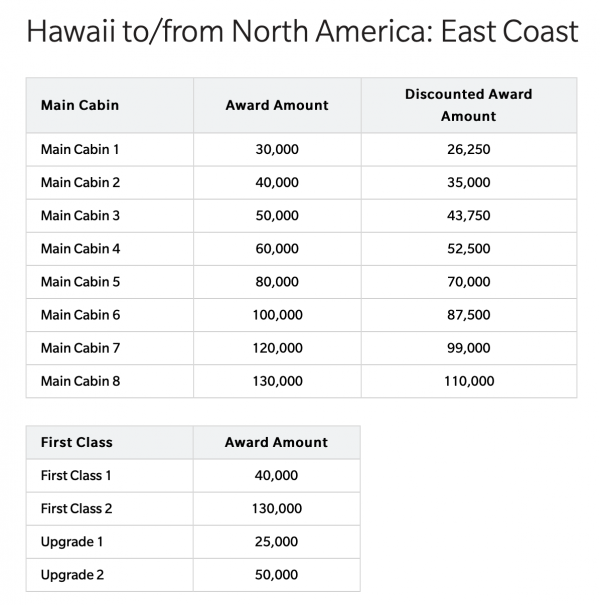
- Loyalty Programs: If you’re a frequent flyer with a particular airline, leverage your points or miles for a free or discounted flight to Hawaii. This is an excellent way to reduce the initial flight cost significantly.
Flying to Hawaii is an investment in an unforgettable experience. By understanding the factors that influence flight costs, employing smart booking strategies, and accounting for your entire trip budget, you can ensure that your journey to the islands is as smooth and stress-free as the Hawaiian trade winds. Aloha, and happy travels!
LifeOutOfTheBox is a participant in the Amazon Services LLC Associates Program, an affiliate advertising program designed to provide a means for sites to earn advertising fees by advertising and linking to Amazon.com. Amazon, the Amazon logo, AmazonSupply, and the AmazonSupply logo are trademarks of Amazon.com, Inc. or its affiliates. As an Amazon Associate we earn affiliate commissions from qualifying purchases.