
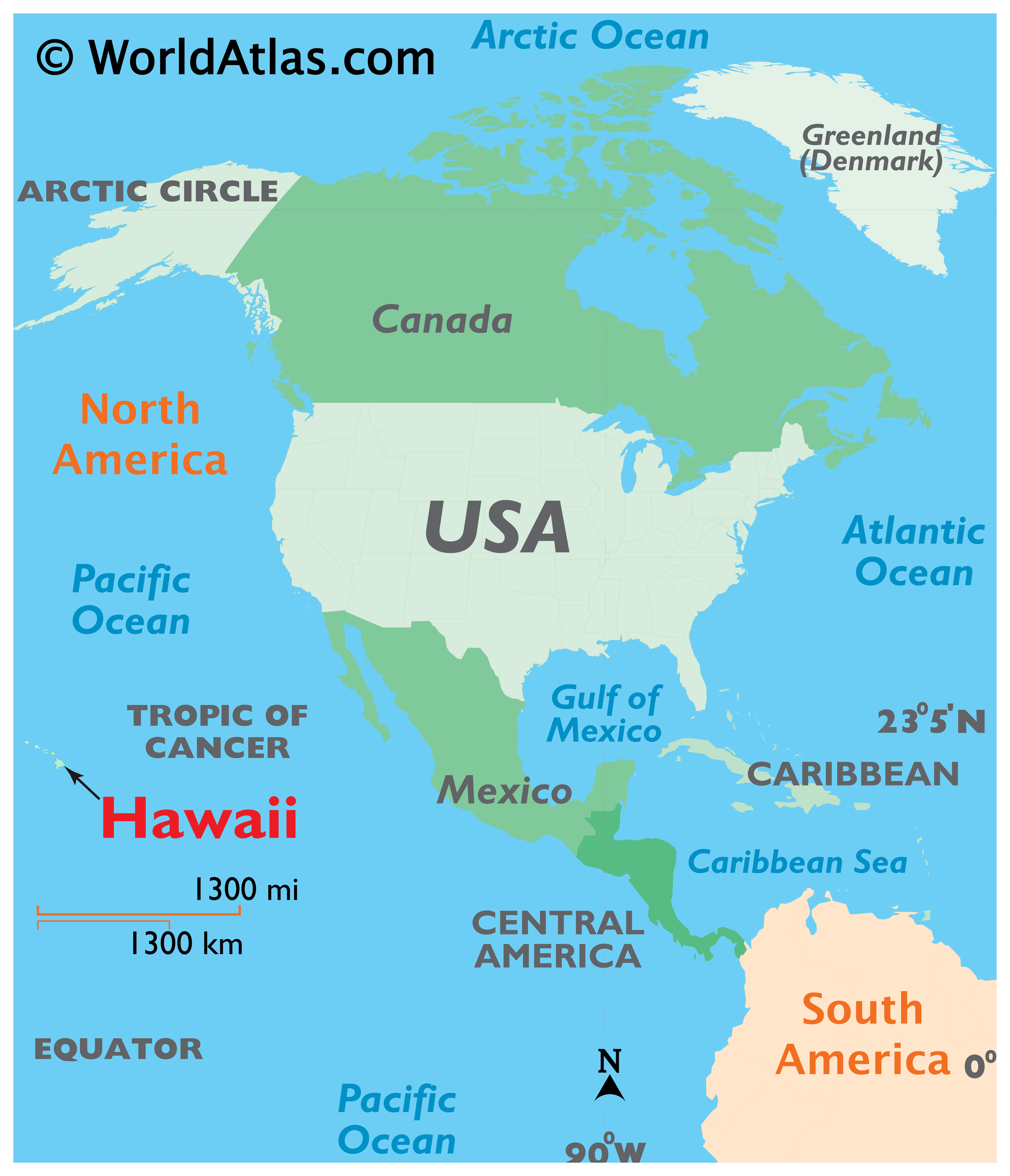
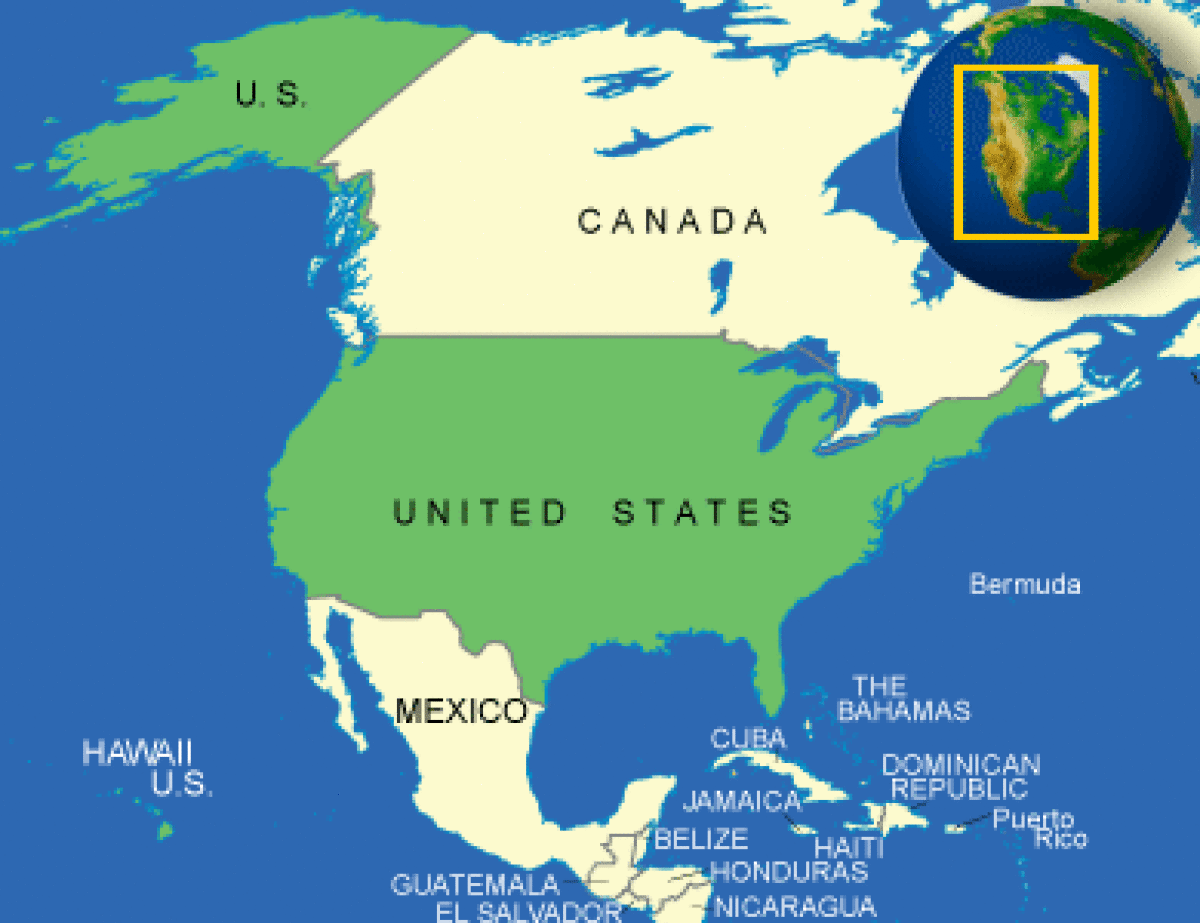
The question “Is Hawaii a part of the United States?” might seem straightforward to many, yet it occasionally surfaces, sparking curiosity about this distant island paradise. The unequivocal answer is yes: Hawaii is indeed the 50th and most recent state to join the United States of America, achieving statehood on August 21, 1959. This status integrates it fully into the fabric of the nation, making it subject to U.S. laws, utilizing the U.S. dollar, and granting full U.S. citizenship to its residents.
However, the unique geographical position of Hawaii – an archipelago located thousands of miles from the mainland United States in the middle of the Pacific Ocean – coupled with its rich and distinct cultural heritage, often leads to a fascination with its history and connection to the mainland. For travelers, this unique blend of American familiarity and vibrant Polynesian culture is precisely what makes Hawaii an unparalleled destination. It offers the convenience and infrastructure of a developed nation alongside the exotic allure of a tropical escape, replete with stunning natural beauty, diverse landscapes, and a captivating history that has shaped its identity within the Union. This article will delve into Hawaii’s journey to statehood, explore its geographical and political context, and highlight why it remains a premier travel destination for those seeking adventure, relaxation, and a taste of the unique Aloha Spirit.
The Aloha State’s Place in the Union
Hawaii’s story within the United States is a captivating narrative that spans centuries, marked by exploration, monarchy, political upheaval, and eventual integration. Understanding this journey is key to appreciating its current status.
A Brief History of Annexation and Statehood
Before European contact, the Hawaiian Islands were inhabited by Polynesian voyagers who established a complex and sophisticated society. In 1778, Captain James Cook arrived, marking the beginning of significant Western influence. Over the next century, the islands unified under the Kingdom of Hawaii, ruled by a succession of monarchs, including the revered King Kamehameha I. This period saw the development of a unique hybrid culture, blending traditional Hawaiian practices with Western innovations, while also grappling with the increasing presence of foreign powers, particularly American missionaries and businessmen.
The late 19th century brought significant political turmoil. American business interests, particularly in the sugar and pineapple industries, grew powerful. This ultimately led to the overthrow of the Kingdom of Hawaii in 1893, when a group of American and European businessmen, supported by the U.S. military, deposed Queen Lili’uokalani. This controversial event led to the establishment of the Republic of Hawaii in 1894, with Sanford B. Dole as its first and only president.
Just four years later, amid the Spanish-American War, the United States annexed Hawaii in 1898, recognizing its strategic importance as a naval base in the Pacific Ocean. It officially became a U.S. territory. For decades, Hawaii remained a territory, its citizens striving for greater representation and full integration into the United States. The attack on Pearl Harbor in 1941, which thrust the U.S. into World War II, further highlighted Hawaii’s strategic significance and the loyalty of its residents. Finally, after a popular referendum and decades of advocacy, Hawaii was granted statehood in 1959, becoming the 50th state. This act solidified its position as an integral part of the American nation, granting its citizens full voting rights in federal elections and representation in Congress.
Geographical and Political Context
The Hawaiian Islands form an archipelago of eight major islands and numerous smaller islets, stretching over 1,500 miles. Located roughly 2,400 miles southwest of California, their extreme remoteness contributes to their unique biodiversity and cultural distinctiveness. The main islands, often visited by tourists, include Oahu, Maui, Kauai, Hawaii Island (commonly known as the Big Island), Molokai, and Lanai. The two smallest, Niihau and Kahoolawe, have limited public access, with Niihau being privately owned and largely preserving traditional Hawaiian life.
The capital city, Honolulu, located on the island of Oahu, serves as the governmental and commercial hub of the state. As a U.S. state, Hawaii operates under the U.S. federal system, meaning its residents are U.S. citizens, paying federal taxes, and are subject to U.S. federal laws. The state also has its own legislative, executive, and judicial branches, mirroring the structure of other states. The U.S. dollar is the official currency, English is the primary language alongside Hawaiian, and the U.S. Postal Service provides mail services. This political integration ensures that visitors from the U.S. mainland experience seamless travel, without the need for passports or currency exchange, bridging the geographical distance with governmental familiarity.
Hawaii as a Premier Travel Destination
Beyond its political status, Hawaii’s true global renown stems from its unparalleled beauty and diverse offerings as a travel destination. The islands consistently rank among the top dream destinations for travelers worldwide, drawing millions each year to experience its natural wonders, immerse themselves in its vibrant culture, and indulge in a variety of activities.
Diverse Attractions and Experiences
Hawaii is a land of incredible contrasts and a playground for every type of traveler. From pristine beaches to active volcanoes, lush rainforests to dramatic canyons, the islands offer an astonishing array of sights and experiences.
Natural Wonders: The sheer natural beauty of Hawaii is arguably its biggest draw. Its world-famous beaches include the iconic crescent of Waikiki Beach on Oahu, known for its gentle waves perfect for learning to surf and its stunning views of Diamond Head. On Maui, Ka’anapali Beach offers golden sands and excellent snorkeling, while Kauai boasts the picturesque Lanikai Beach with its calm, turquoise waters. For those seeking dramatic geological formations, the Big Island is home to Hawaii Volcanoes National Park, where visitors can witness the raw power of nature at active volcanoes like Kilauea and the massive Mauna Loa. Kauai, known as the “Garden Isle,” features the breathtaking Waimea Canyon, often dubbed the “Grand Canyon of the Pacific,” and the stunning, inaccessible cliffs of the Napali Coast, best viewed by boat or helicopter. Surfing enthusiasts flock to Oahu’s legendary North Shore during winter months to watch or ride the colossal waves.
Cultural Immersion: Beyond its landscapes, Hawaii offers a deep dive into Polynesian culture. Attending a traditional Luau is a quintessential Hawaiian experience, featuring feasts of local delicacies like Kalua pig, Poi, and fresh Poke, accompanied by hula dancing and traditional music. The Polynesian Cultural Center on Oahu offers an immersive journey through the cultures of various Pacific islands. History buffs can visit the Pearl Harbor Historic Sites, including the solemn USS Arizona Memorial and the powerful Battleship Missouri Memorial, to reflect on a pivotal moment in U.S. history.
Activities: The array of activities is endless. Visitors can snorkel or dive in vibrant coral reefs, hike through lush rainforests to hidden waterfalls, embark on thrilling helicopter tours for unparalleled aerial views, or go whale watching during the winter months when humpbacks migrate to Hawaiian waters. From zip-lining through canopies to paddleboarding in calm bays, Hawaii caters to every level of adventure.

Accommodation and Lifestyle Choices
One of the cornerstones of a memorable Hawaiian vacation is selecting the right accommodation, which caters to a wide spectrum of preferences and budgets, reflecting diverse lifestyle choices for travelers.
Luxury Travel: For those seeking unparalleled indulgence, Hawaii boasts some of the world’s most opulent resorts. The Four Seasons Resort Maui at Wailea, with its exquisite service and stunning oceanfront location, offers an ultimate luxury experience. Similarly, The Ritz-Carlton, Kapalua on Maui combines world-class golf with serene ocean views. On Kauai, the Grand Hyatt Kauai Resort & Spa provides a sprawling oasis with multiple pools, fine dining, and a tranquil spa. These resorts often feature lavish suites, private villas, gourmet dining, and a comprehensive range of amenities designed for discerning guests.
Budget-Friendly Options: While Hawaii can be perceived as an expensive destination, there are numerous options for budget-conscious travelers. Hostels in Honolulu and other popular towns offer affordable stays, while vacation rentals (apartments or cottages) can provide more space and the option for self-catering, saving on dining costs. Smaller, locally owned hotels and guesthouses often provide a charming and authentic alternative to large resorts.
Family Trips and Group Stays: Families often gravitate towards resorts with dedicated kids’ clubs, multiple pools, and family-friendly activities, like the Aulani, A Disney Resort & Spa on Oahu. Vacation rentals, including multi-bedroom apartments and villas, are excellent for groups or families seeking the comforts of home and greater flexibility. Long-term stay options are also available, catering to those who wish to immerse themselves more deeply in the island lifestyle.
Business Stays: For business travelers, Honolulu provides modern conference facilities and hotels equipped for corporate events, blending professional needs with opportunities for leisure. The Hawaii Convention Center on Oahu hosts numerous events throughout the year.
Booking platforms offer extensive comparison tools, allowing travelers to review amenities, read guest feedback, and secure the best deals for their chosen accommodation, whether it’s a luxurious resort suite, a cozy apartment, or a vibrant hostel.
Planning Your Hawaiian Journey
Embarking on a journey to Hawaii requires some thoughtful planning to ensure a smooth, enjoyable, and respectful experience. With its unique environment and culture, a few tips can enhance your trip significantly.
Essential Travel Tips
Best Time to Visit: Hawaii enjoys a tropical climate year-round, but generally, the shoulder seasons (April-May and September-November) offer pleasant weather with fewer crowds and potentially better deals on flights and accommodation. The winter months (December-March) are peak season for whale watching and big wave surfing on the North Shore, but also see higher prices and more visitors.
Inter-Island Travel: If you plan to visit multiple islands, inter-island flights are common and relatively quick, typically lasting 30-45 minutes. Hawaiian Airlines and Mokulele Airlines are the main carriers. It’s advisable to book these flights in advance, especially during peak travel times. Each island offers a distinct personality, so experiencing a few can truly enrich your trip.
Renting a Car: While public transportation exists, particularly in Honolulu, renting a car is highly recommended on most islands to fully explore their hidden gems, scenic drives, and remote beaches. Be sure to book your rental car well in advance, especially for the Big Island, Maui, and Kauai, as availability can be limited.
Respecting Local Culture and Environment (“Malama Aina”): The Hawaiian concept of “Malama Aina” translates to “care for the land.” Visitors are encouraged to embody this spirit by respecting local customs, historical sites, and the fragile environment. This includes staying on marked trails, not touching marine life, and being mindful of noise levels in residential areas. Engaging with local culture respectfully, perhaps by learning a few Hawaiian phrases or participating in cultural events, can greatly enhance your experience.
Budgeting for a Hawaiian Vacation: Hawaii can be an expensive destination, particularly for dining and luxury accommodations. To manage costs, consider utilizing grocery stores for some meals, exploring food trucks for delicious and affordable local food, and looking for travel packages that combine flights and hotels. Early booking often yields better prices for flights, hotels, and activities.
Navigating Accommodation and Experiences
Choosing the right accommodation is pivotal. When booking, consider factors beyond price, such as location (proximity to beaches, attractions, or dining), amenities (pools, spas, kitchens, kids’ clubs), and reviews from previous guests. Comparison websites are invaluable tools for evaluating different options, from sprawling resorts to boutique hotels and private vacation rentals.
For dining, don’t miss the opportunity to sample local cuisine. Beyond luaus, explore local eateries for authentic dishes like freshly caught seafood, poke bowls, garlic shrimp, and shave ice. Farmers’ markets offer a chance to try fresh local produce and support local communities. To truly unlock unique experiences, consider booking guided tours for activities like hiking, snorkeling, or historical site visits. Local guides can provide invaluable insights into the history, culture, and natural environment that you might otherwise miss. Many resorts also offer on-site activity desks that can assist with bookings.
In conclusion, the answer to “Is Hawaii a part of the United States?” is an emphatic yes. Its journey to statehood is a testament to its enduring connection to the nation, while its distinct culture and geography ensure it remains a place unlike any other. For any traveler, Hawaii promises an unforgettable experience, blending the comforts of home with the allure of a tropical paradise. From the vibrant streets of Honolulu to the serene beaches of Maui and the dramatic cliffs of Kauai, the islands offer a mosaic of natural beauty, rich history, and warm hospitality. Embrace the Aloha Spirit and embark on a journey to discover why Hawaii is truly a jewel in the American crown.
LifeOutOfTheBox is a participant in the Amazon Services LLC Associates Program, an affiliate advertising program designed to provide a means for sites to earn advertising fees by advertising and linking to Amazon.com. Amazon, the Amazon logo, AmazonSupply, and the AmazonSupply logo are trademarks of Amazon.com, Inc. or its affiliates. As an Amazon Associate we earn affiliate commissions from qualifying purchases.