
The question “When is the hurricane hitting Florida?” is one that often arises in the minds of prospective travelers and residents, particularly as the warmer months approach. While it’s impossible to predict the exact timing of a specific storm, understanding Florida’s hurricane season and implementing strategic preparedness measures can ensure a safe and enjoyable experience in the Sunshine State. Florida, renowned for its pristine beaches, vibrant cities, and world-class attractions, remains a premier travel destination year-round. However, being informed about hurricane activity and how it might impact your travel plans, accommodation choices, and overall lifestyle during certain periods is crucial for a smooth and stress-free journey.
This comprehensive guide aims to equip you with the knowledge needed to navigate Florida’s hurricane season with confidence. From understanding the seasonal patterns and monitoring official advisories to making informed decisions about travel insurance, hotel bookings, and on-the-ground safety, we’ll cover everything you need to know. Our goal is not to deter you from exploring this incredible state but to empower you to plan wisely, ensuring your trip focuses on the joy of discovery rather than the anxiety of uncertainty.
Understanding Florida’s Hurricane Season: Timing and Risk
Florida’s unique geographical position, bordered by the Atlantic Ocean to the east and the Gulf of Mexico to the west, places it squarely in the path of potential tropical cyclones. While the state’s natural beauty and recreational opportunities are boundless, this vulnerability to hurricanes is a factor every visitor and resident should consider.
Decoding the Atlantic Hurricane Season Calendar
The official Atlantic Hurricane Season runs annually from June 1st to November 30th. This six-month window is when the atmospheric and oceanic conditions in the tropical Atlantic Ocean, Caribbean Sea, and Gulf of Mexico are most conducive to the formation and intensification of tropical storms and hurricanes. It’s important to note that storms can occasionally form outside of these dates, though it is less common.
For travelers, understanding this calendar is the first step in planning. If your travel dates fall within this period, particularly during the peak months, incorporating hurricane preparedness into your trip planning becomes essential. This doesn’t mean you should avoid Florida during these months; rather, it means you should be extra vigilant and prepared. Many visitors enjoy Florida during the early and late parts of hurricane season, benefiting from potentially lower prices and fewer crowds, alongside the expectation of mild weather.
Peak Season and Historical Trends
While the entire six-month period is considered hurricane season, historical data indicates a distinct peak in activity. The most active months are typically August, September, and October, with September often being the statistical peak. During these months, sea surface temperatures are at their warmest, and wind shear conditions, which can inhibit storm development, are often at their lowest, creating a more favorable environment for cyclone formation and strengthening.
Historically, Florida has experienced hurricanes of varying intensities, impacting different parts of the state. From the bustling metropolitan areas of Miami and Fort Lauderdale to the theme park capital of Orlando, the coastal cities of Tampa, St. Petersburg, and Sarasota, and the picturesque Florida Keys extending down to Key West, no single region is entirely immune. However, direct hits from major hurricanes are relatively infrequent for any specific location in a given year. The vast majority of hurricane seasons see most of Florida unaffected. It’s crucial not to generalize but to focus on specific, real-time forecasts.
Understanding these patterns allows travelers to make informed decisions. For instance, if you’re planning a bucket-list trip to Key West or a family vacation to Walt Disney World Resort in September, while the odds of a direct hit are low, the probability of some tropical weather activity in the wider region is higher. This knowledge should prompt you to put a robust preparedness plan in place, rather than cancelling your trip outright.
Preparing for the Storm: Essential Travel and Accommodation Advice
Preparation is paramount when traveling to Florida during hurricane season. Proactive steps can significantly reduce stress and financial loss, ensuring your focus remains on enjoying your holiday rather than navigating unexpected disruptions.
Monitoring the Forecasts and Official Resources
The most critical aspect of hurricane preparedness is staying informed. Rely on official and authoritative sources for weather information and advisories.
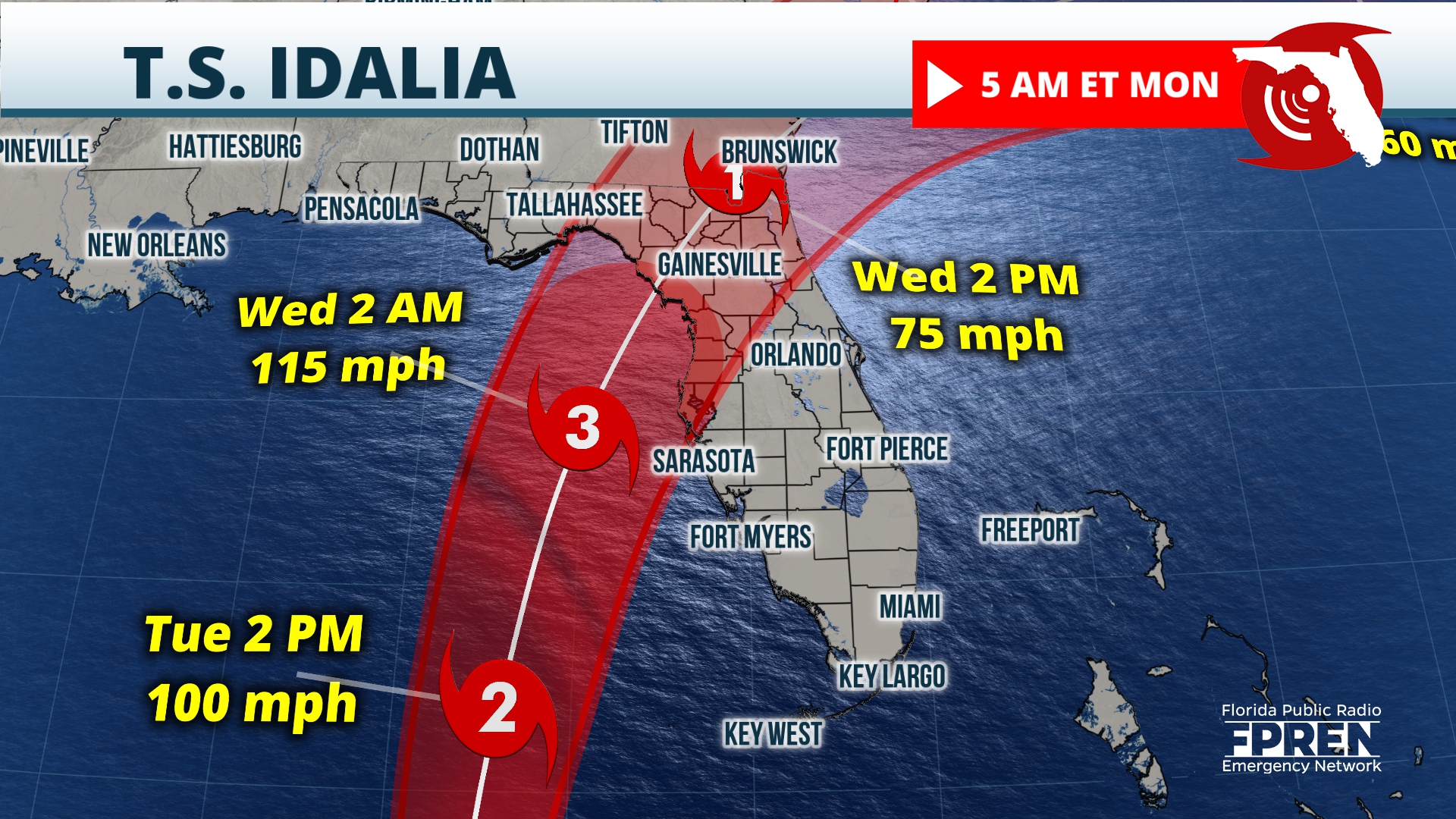
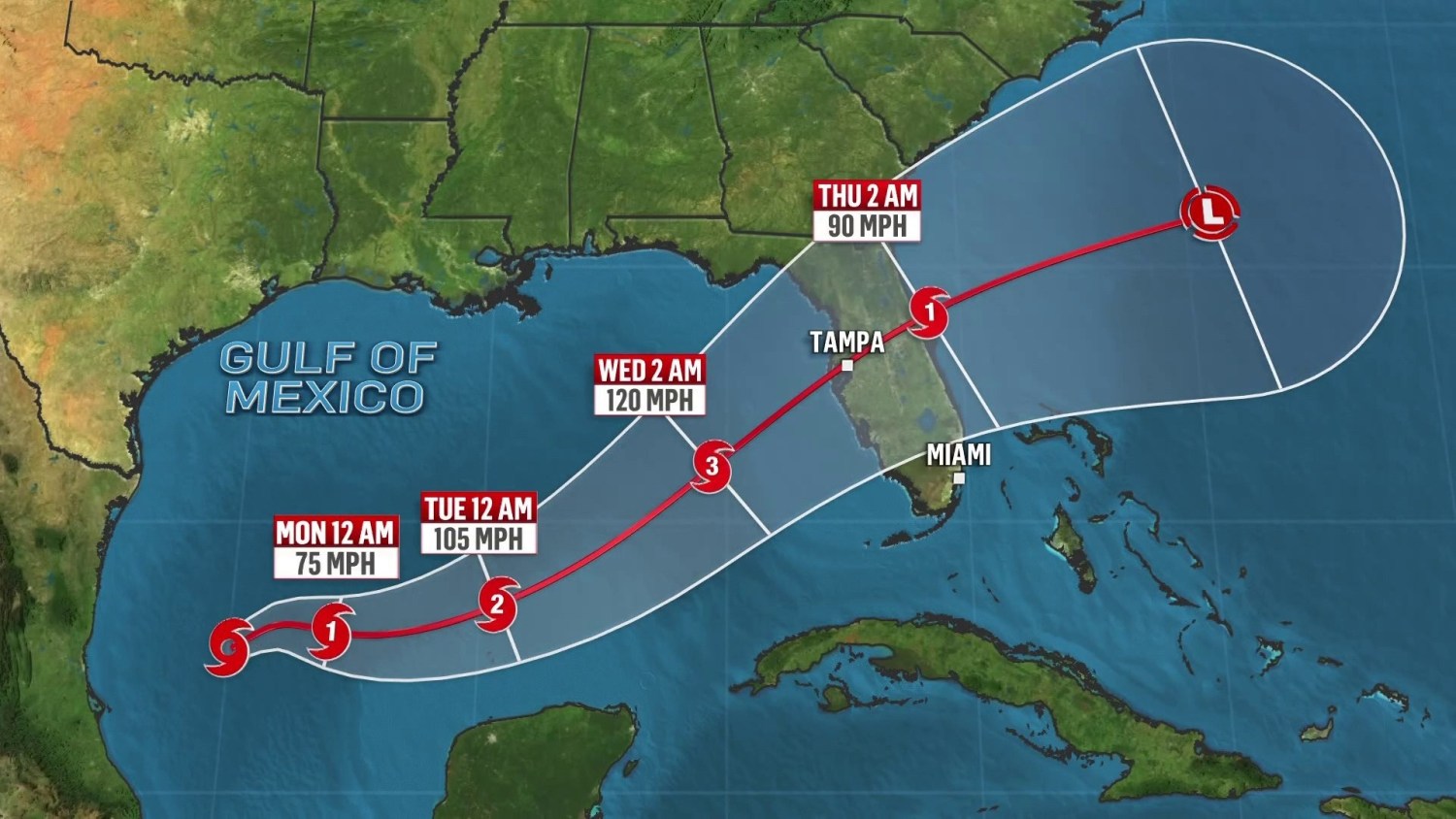
- National Hurricane Center (NHC): The NHC, part of the National Oceanic and Atmospheric Administration (NOAA), is the primary source for hurricane forecasts and warnings in the Atlantic Ocean basin. Their website provides detailed tracking maps, forecast cones, discussions, and advisory updates. Understanding the “cone of uncertainty” – which depicts the probable track of a storm’s center – is key.
- Local Weather Stations: Supplement NHC data with local news and weather stations in your destination city. They can provide granular details about local impacts, emergency services, and specific evacuation orders.
- Florida Division of Emergency Management: This state agency offers resources and guidance specific to Florida residents and visitors, including evacuation zone information and shelter locations.
- Travel Apps and Alerts: Consider subscribing to weather alert services or downloading reputable weather apps that can send real-time notifications directly to your phone.
Before your trip, monitor long-range forecasts. Once you’re in Florida, make it a daily habit to check updates, especially if a storm is developing in the wider region. Being aware of developing systems allows for timely adjustments to your plans.
Travel Insurance and Flexible Bookings
Investing in travel insurance is perhaps the single most important financial safeguard when visiting Florida during hurricane season.
- Comprehensive Travel Insurance: Look for policies that specifically cover trip cancellation or interruption due to weather events like hurricanes. Read the fine print carefully: some policies require the storm to be named or a hurricane warning to be issued before you purchase the policy for coverage to apply. Purchase insurance well in advance of your departure date.
- “Cancel For Any Reason” (CFAR) Insurance: While more expensive, CFAR policies offer the ultimate flexibility, allowing you to cancel your trip for any reason, often recouping a significant percentage (e.g., 50-75%) of your non-refundable costs. This can be particularly appealing for luxury travel or extensive itineraries.
- Airline and Accommodation Flexibility: When booking flights and hotels, choose options that offer flexibility. Many airlines and hotels offer waivers or allow fee-free changes if a hurricane watch or warning is issued for your destination. However, this is not universal, so always confirm their specific policies. Look for refundable rates for hotels and consider booking directly with the airline or hotel rather than third-party sites, as direct bookings often provide more leverage for changes.
This proactive approach minimizes the financial risk associated with unforeseen storm activity, allowing you to book your Florida adventure with greater peace of mind.
Hotel and Accommodation Policies During a Hurricane Threat
Accommodation is a critical component of any travel plan, and understanding hotel policies during a hurricane threat is vital. Hotels, resorts, apartments, and villas in Florida are highly experienced in managing hurricane situations.
- Hurricane Guarantees/Policies: Many major hotel chains and resorts in Florida offer specific “hurricane guarantees” or flexible cancellation policies during the season. These might include:
- Full refunds for cancellations if a hurricane watch or warning is issued for the area within a certain timeframe (e.g., 48-72 hours) of your arrival.
- The option to rebook your stay for a future date without penalty.
- No-show waivers if travel is impossible due to a storm.
- Availability of emergency supplies, backup generators, and sheltered areas for guests who choose to ride out a minor storm on-site.
- Amenities and Services: If you are staying at a hotel during a storm threat, inquire about what amenities might be affected. Pools, outdoor dining, and even some indoor facilities might close. Ensure they have backup power, sufficient water, and communication capabilities.
- Evacuation Procedures: Hotels are typically required to comply with local evacuation orders. Be prepared to follow their instructions, which may include relocating to a designated shelter or leaving the area entirely.
- Booking and Reviews: When researching accommodation options, look for reviews that mention the property’s handling of past weather events. Compare policies across different hotels, especially if you are considering a long-term stay or a specific luxury travel experience where disruptions could be more impactful. Booking directly allows for clearer communication regarding these policies.
Choosing accommodation that prioritizes guest safety and offers clear, flexible policies can make a significant difference in your travel experience during hurricane season.
Navigating Your Florida Getaway During Hurricane Season
Even with thorough planning, unforeseen events can occur. Knowing how to act before, during, and after a hurricane threat will help you remain safe and minimize disruptions to your Florida trip.
Pre-Trip Preparedness: Before You Depart
Before you even step foot in Florida, there are several steps you can take to enhance your safety and peace of mind.
- Emergency Contact List: Create a list of essential contacts: family, friends, your accommodation, airline, rental car company, and your travel insurance provider. Store it both digitally and as a hard copy.
- Important Documents: Keep passports, IDs, insurance policies, and reservation confirmations readily accessible, ideally in a waterproof bag. Consider having digital copies on your phone or in cloud storage.
- Emergency Kit (Mini Version): While hotels will have supplies, having a small personal kit is wise. Include a flashlight, portable phone charger (power bank), any necessary prescription medications (with a few extra days’ supply), basic first-aid items, and some non-perishable snacks.
- Financial Preparedness: Have some cash on hand. Power outages can affect ATM functionality and credit card processing.
- Communication Plan: Discuss with your travel companions how you will communicate if cell service is spotty. Set a check-in time or a designated contact person outside the affected area.
These simple preparations can make a world of difference if a storm develops unexpectedly.
What to Do If a Storm Threatens During Your Stay
If a hurricane watch or warning is issued while you are in Florida, rapid and informed action is necessary.
- Stay Informed: Continue to monitor official weather updates from the NHC and local authorities. Pay close attention to local news for specific instructions regarding your area.
- Follow Official Instructions: If evacuation orders are issued for your specific location (e.g., a coastal region like Miami or the Florida Keys), leave immediately and follow designated evacuation routes. Do not wait. This is not the time for sightseeing or local culture exploration; safety is the priority.
- Communicate: Inform your family and friends of your plans and status. If you evacuate, let your hotel know.
- Sheltering in Place: If you are not in an evacuation zone and are advised to shelter in place, stay indoors in the safest part of your accommodation (away from windows). Your hotel will provide guidance on safe areas and any available emergency services.
- Conserve Resources: If power outages occur, conserve water, food, and battery life for your devices.
Remember, local authorities prioritize your safety. Following their guidance is crucial for your well-being.
Post-Hurricane Recovery and Resumption of Travel
Once a storm has passed, the focus shifts to recovery. Travelers need to be aware of post-storm conditions.
- Assess Damage: Understand that areas directly impacted by a hurricane may experience significant damage to infrastructure, roads, and services. Power outages can last for days or even weeks.
- Check Travel Status: Before attempting to return to affected areas, check with your airline or transportation providers about flight cancellations or road closures. Many attractions, including famous landmarks like beaches or theme parks such as Universal Studios Florida and SeaWorld Orlando, may close temporarily for assessment and cleanup, even if they were not directly hit.
- Be Patient and Respectful: Recovery efforts take time. Be patient with local residents and service providers who may be dealing with personal challenges while also working to restore services for visitors.
- Support Local Businesses: Once an area is deemed safe for tourism, consider returning to support local businesses. Your tourism dollars can play a vital role in economic recovery.
- FEMA and State Resources: Government agencies like the Federal Emergency Management Agency (FEMA) and state-level emergency services play a key role in coordinating recovery. Information from these sources can guide your understanding of when and where it’s safe to travel.
Even after a storm, Florida’s resilience shines through. Many areas that were not directly impacted remain open and welcoming, continuing to offer incredible travel experiences.
Why Florida Remains a Prime Destination, Rain or Shine
Despite the annual hurricane season, Florida consistently ranks among the most popular destinations globally. Its appeal extends far beyond its susceptibility to tropical weather, rooted in its natural beauty, diverse attractions, and robust infrastructure.
Resilience and Rapid Recovery
One of Florida’s defining characteristics is its remarkable resilience. The state has invested heavily in hurricane preparedness and recovery infrastructure over decades.
- Advanced Warning Systems: Florida boasts some of the most sophisticated meteorological monitoring and public alert systems in the world, ensuring residents and visitors receive timely warnings.
- Robust Building Codes: Building codes in Florida are among the strictest globally, designed to help structures withstand hurricane-force winds. This contributes to quicker recovery and greater safety.
- Experienced Emergency Services: The state’s emergency response teams, supported by national agencies like FEMA, are highly experienced in disaster management, ensuring efficient evacuations, rescue operations, and rapid restoration of essential services.
- Community Spirit: Floridians are known for their strong community spirit, often coming together to help neighbors and visitors during and after storms, which greatly aids in quick recovery.
This collective experience and preparedness mean that while hurricanes can cause significant disruption, the state is remarkably adept at bouncing back, often with tourist destinations and major cities resuming normal operations much faster than one might expect.
Exploring Florida Safely During the Off-Peak Season
It’s important to remember that the hurricane season represents only part of the year. For the majority of the time, Florida experiences glorious weather, making it an ideal travel destination.
- December to May: These months are typically outside the hurricane season and offer some of the most pleasant weather conditions in Florida. Temperatures are milder, humidity is lower, and the risk of tropical storms is minimal to non-existent. This is peak season for many destinations, especially in South Florida, though it can mean higher prices and larger crowds.
- Early and Late Hurricane Season: Traveling in early June or late November can offer a sweet spot. The official hurricane season is underway, but the chances of significant activity are generally lower than during the peak months. This can translate to more budget-friendly travel, including better deals on hotels and flights, and fewer crowds at popular attractions. It’s also an excellent time to experience local culture and food without the bustling throngs of peak tourist periods.
- Inland Destinations: While coastal areas are most vulnerable, inland cities like Orlando are often less directly impacted by wind and storm surge. While they can experience heavy rains and flooding, major theme parks like Walt Disney World Resort have robust emergency plans and rarely suffer long-term closures.
Ultimately, the question “When is the hurricane hitting Florida?” doesn’t have a single, predictable answer. Instead, it prompts a broader understanding of seasonality, risk management, and the incredible resilience of this beloved travel destination. By being informed, prepared, and flexible, you can confidently plan your visit to Florida and create unforgettable memories, regardless of the time of year.
LifeOutOfTheBox is a participant in the Amazon Services LLC Associates Program, an affiliate advertising program designed to provide a means for sites to earn advertising fees by advertising and linking to Amazon.com. Amazon, the Amazon logo, AmazonSupply, and the AmazonSupply logo are trademarks of Amazon.com, Inc. or its affiliates. As an Amazon Associate we earn affiliate commissions from qualifying purchases.