
The iconic image of Hawaii – a paradise of pristine beaches, lush volcanic landscapes, and the gentle rhythm of the Pacific Ocean – often evokes a sense of timeless beauty and permanence. Yet, a persistent question occasionally surfaces, sparking curiosity and concern among travelers and residents alike: “Is [Hawaii] sinking?” This isn’t a simple yes or no query, but rather an invitation to delve into the fascinating geological processes that shaped these islands, the dynamic forces that continue to sculpt them, and the broader environmental challenges they face. Far from a catastrophic vanishing act, [Hawaii]’s story is one of continuous creation and transformation, a testament to the Earth’s powerful, ever-changing nature. Understanding this intricate dance between fire, water, and time not only clarifies the future of this beloved archipelago but also enriches the experience of anyone planning a visit to its shores.

[Hawaii]’s Dynamic Geological Tapestry: A Land Forged by Fire and Water
To truly grasp the concept of whether [Hawaii] is “sinking,” one must first understand how these magnificent islands came into being. [Hawaii] is not born from the collision of tectonic plates, as many mountain ranges are, but rather from a geological “hotspot” – a plume of superheated magma rising from deep within the Earth’s mantle. As the Pacific Plate slowly drifts northwestward over this stationary hotspot, new volcanic islands are continuously formed, while older ones are carried away, beginning their journey of erosion and eventual subsidence.
The Birth and Evolution of the [Hawaiian Islands]
The Hawaiian Islands are essentially the youngest, most active portion of a vast chain of seamounts and islands stretching thousands of miles across the [Pacific Ocean]. The Big Island of [Hawaii], home to active volcanoes like Kilauea and Mauna Loa within Hawaii Volcanoes National Park, is the youngest and still growing. Its fiery landscapes, where fresh lava flows meet the sea, offer a dramatic illustration of island building in real-time. Towering peaks like Mauna Kea, the world’s tallest mountain from base to summit, attest to the immense scale of this volcanic activity.
As the [Pacific Plate] continues its relentless drift, islands move away from the hotspot and new volcanic activity ceases. Over millions of years, these older islands begin to cool, compact, and erode. Maui, for instance, with its majestic Haleakala crater, shows signs of extensive erosion, though its volcanic origins are still strikingly evident. Further northwest, Oahu – home to the bustling city of Honolulu and the famous sands of Waikiki – displays even more significant erosion, with its volcanic peaks softened into verdant ridges and its coastlines shaped by centuries of crashing waves. Diamond Head, a classic tuff cone, is a dramatic reminder of ancient eruptions. Kauai, often called the “Garden Isle,” is the oldest of the main [Hawaiian Islands], showcasing breathtaking features like the Na Pali Coast and Waimea Canyon, both sculpted by millennia of rainfall and erosion, a testament to the forces that wear down even the most formidable landmasses.
Understanding Subsidence and Isostatic Adjustment
The concept of islands “sinking” primarily refers to a natural geological process known as subsidence, coupled with isostatic adjustment. When a massive volcano forms on the ocean floor, its immense weight presses down on the oceanic crust beneath it. This downward pressure causes the crust to flex and sink, much like a heavy object placed on a soft mattress. As the island moves away from the hotspot and its volcanic activity ceases, the rock cools and contracts, adding to this sinking effect. This process is incredibly slow, occurring over millions of years, typically at rates of millimeters per year. For older islands like [Kauai], this subsidence is more pronounced than for the actively growing [Big Island].
This subsidence is a normal part of the [Hawaiian Islands’] life cycle. It’s why many older volcanic islands in the [Pacific Ocean] eventually become atolls, where the original volcanic landmass has subsided completely, leaving behind only a coral reef encircling a lagoon. While the main populated [Hawaiian Islands] are nowhere near this stage, the process is continuously underway, contributing to the long-term, gradual reduction of land elevation relative to sea level.
Unraveling the Myth: [Hawaii]’s Interaction with Rising Sea Levels
While geological subsidence is a natural and very slow process, the more immediate and pressing concern that often fuels the “Is [Hawaii] sinking?” question is global sea-level rise. This phenomenon, driven by Climate Change, presents a distinct and measurable threat to coastal communities worldwide, including those in [Hawaii]. It’s crucial to differentiate these two processes, as their causes, rates, and potential impacts are quite different.
Differentiating Natural Geological Processes from Global [Climate Change]
The gradual geological subsidence of the [Hawaiian Islands] has been occurring for millions of years, a constant background hum in the islands’ formation and erosion. It’s a localized effect of the island’s weight and cooling crust. In contrast, global sea-level rise is a much more recent and accelerated phenomenon, primarily caused by the thermal expansion of ocean water as it warms and the melting of glaciers and ice sheets. This is a worldwide issue, affecting all coastal regions.
For [Hawaii], the observed relative sea-level rise – the combined effect of land subsidence and global sea-level rise – is particularly significant. While the islands themselves are sinking at a rate of a few millimeters per year, global sea levels are rising at a comparable or even faster rate in many areas. When these two factors combine, the effective rate at which the ocean encroaches upon the land is amplified. This means that even if [Hawaii] weren’t experiencing natural subsidence, it would still be facing the challenges of rising tides, but the existing geological processes make certain areas even more vulnerable.
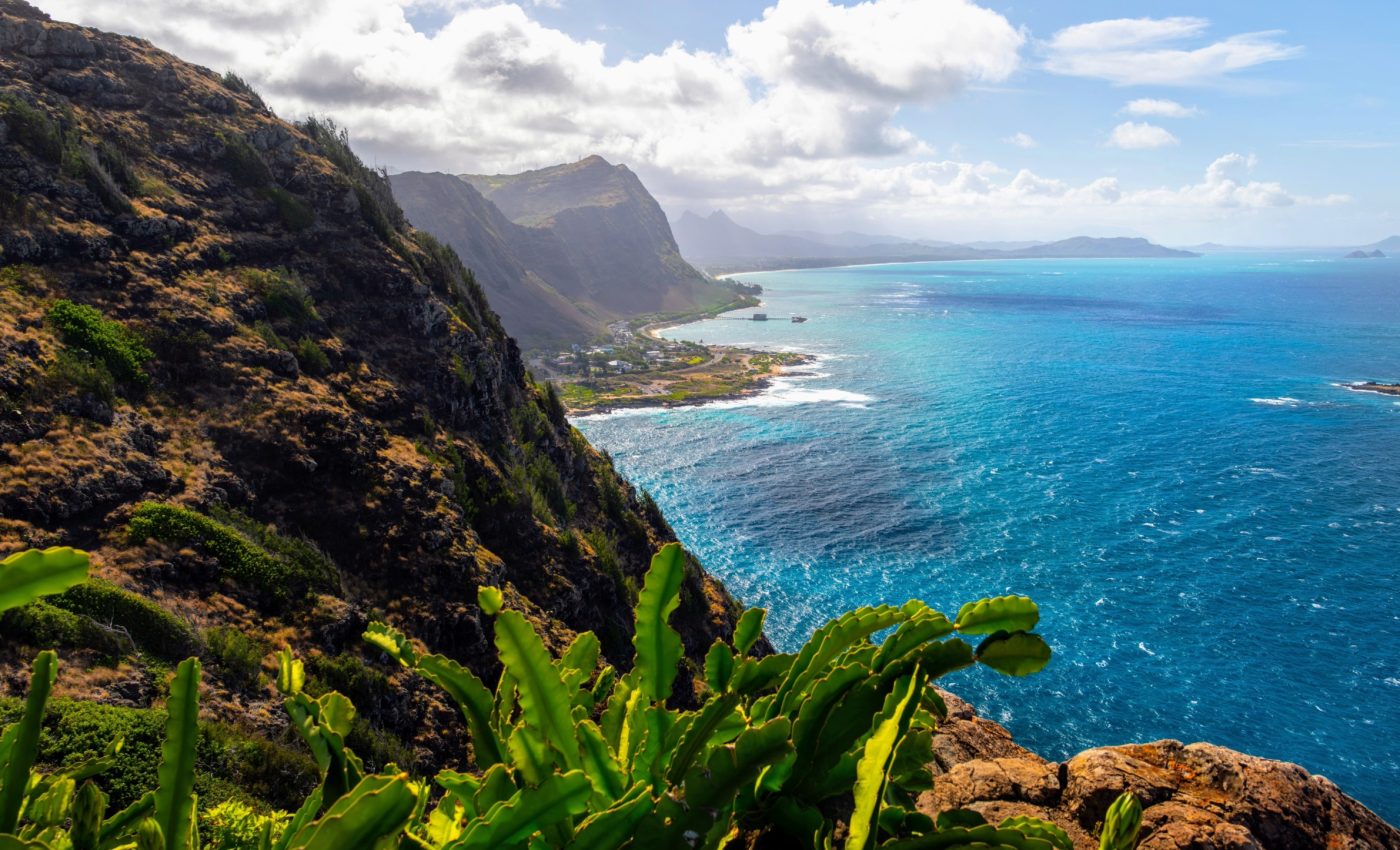
Coastal Vulnerability and the Future of [Hawaiian Beaches]
The implications of rising sea levels for [Hawaii]’s coastline are profound. Many of the most popular Hawaiian Destination and developments are located directly on the coast, including many world-renowned beaches, resorts, and infrastructure. Areas like [Waikiki] in [Honolulu] are already experiencing more frequent sunny-day flooding, where tides alone can inundate low-lying streets. Beach erosion is another significant concern. Many beloved Hawaiian Beach are naturally dynamic, but rising sea levels, coupled with increased storm surges, exacerbate the loss of sand, threatening coastal ecosystems and recreational areas.
The long-term outlook requires careful planning and adaptation. Solutions range from natural defenses like coral reef restoration and mangrove planting to engineered solutions such as seawalls and beach nourishment. However, the most sustainable approaches often involve retreating from the most vulnerable areas, protecting critical infrastructure, and embracing a future where [Hawaii]’s coastlines are understood as dynamic and ever-changing. For visitors, this means appreciating the fragile beauty of these coastal environments and supporting efforts that promote their resilience.
Experiencing the Enduring [Spirit of Aloha]: Tourism in a Changing Landscape
Despite the scientific realities of geological subsidence and sea-level rise, [Hawaii] remains one of the world’s premier travel destinations. The beauty, cultural richness, and diversity of experiences it offers are enduring. The ongoing geological and environmental changes are slow-moving processes that don’t diminish the immediate appeal or safety of visiting the islands. Instead, they add another layer of appreciation for [Hawaii]’s unique place in the world and underscore the importance of Sustainable Tourism.
Iconic [Hawaiian Destinations] and Sustainable Practices
Travelers to [Hawaii] can explore a vast array of attractions, from the vibrant urban pulse of [Honolulu] on [Oahu] to the serene, untouched beauty of [Kauai]’s interior. On [Oahu], beyond [Waikiki]’s lively atmosphere, visitors can hike to the summit of [Diamond Head] for panoramic views, immerse themselves in history at Pearl Harbor, or experience the rich heritage of the Polynesian Cultural Center. For those seeking stunning beaches, Lanikai Beach on [Oahu]’s windward side is consistently ranked among the world’s best.
[Maui] offers the breathtaking sunrise or sunset from the summit of [Haleakala], a spiritual journey along the winding Road to Hana, and world-class snorkeling in its clear waters. [Kauai] beckons with the dramatic cliffs of the [Na Pali Coast], best seen by boat or helicopter, and the “Grand Canyon of the Pacific,” [Waimea Canyon]. The [Big Island] provides unparalleled opportunities to witness the raw power of creation at [Hawaii Volcanoes National Park], explore black sand beaches, and stargaze from the heights of [Mauna Kea]. The charming towns of Kailua-Kona and Lahaina also offer glimpses into [Hawaii]’s rich history and vibrant Local Culture.Embracing [Sustainable Tourism] means choosing eco-friendly tours, supporting local businesses, respecting natural environments, and understanding the fragility of the ecosystem. It’s about leaving no trace and participating in activities that preserve the [Spirit of Aloha] for future generations.
[Accommodation] and [Lifestyle] Choices in the [Pacific Paradise]
The diversity of [Hawaii]’s landscapes is mirrored in its Accommodation options, catering to every Lifestyle and budget. For those seeking Luxury Travel, opulent resorts like the Four Seasons Resort Maui at Wailea or the Grand Hyatt Kauai Resort & Spa offer unparalleled amenities, exquisite dining, and breathtaking ocean views. Historic gems like The Royal Hawaiian in [Waikiki] combine classic elegance with modern comforts, offering a unique blend of heritage and hospitality. Larger resorts such as the Hyatt Regency Maui Resort and Spa provide expansive facilities perfect for Family Trips, complete with waterslides, kids’ clubs, and a variety of dining options.
For a more intimate or Budget Travel experience, boutique hotels, charming vacation rentals, and guesthouses can be found across the islands, offering a taste of authentic [Hawaiian] life. Many properties are increasingly adopting sustainable practices, from renewable energy sources to water conservation, allowing travelers to make environmentally conscious choices. Whether it’s a romantic honeymoon, an adventurous solo journey, a memorable [Family Trips] getaway, or even extended Business Stays with leisure woven in, [Hawaii] offers a setting that can be tailored to individual preferences. The key is to choose accommodations that not only provide comfort but also align with the values of respecting the local environment and community. From beachfront bungalows to mountain retreats overlooking Hanalei Bay on [Kauai], each option provides a unique perspective on this [Pacific Paradise].
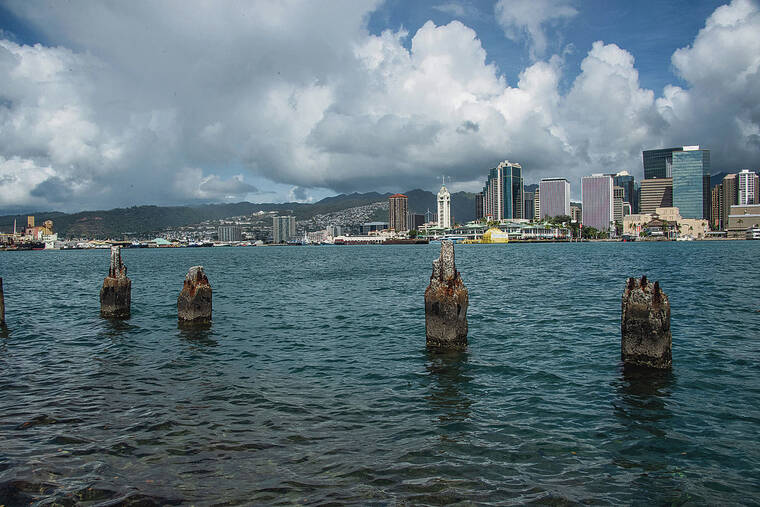
Preserving Paradise: Embracing [Sustainable Tourism] and the [Spirit of Aloha]
The question “Is [Hawaii] sinking?” ultimately serves as a powerful reminder of the delicate balance of nature and the responsibility we all share in protecting this incredible corner of the [USA]. While the islands are indeed undergoing slow, natural geological subsidence, this is a process that has unfolded over millions of years and is distinct from the more rapid and concerning effects of global sea-level rise. The true challenge for [Hawaii] – and for destinations worldwide – lies in adapting to a changing climate and safeguarding its precious resources.
For visitors, this understanding fosters a deeper appreciation for the islands. It encourages a mindful approach to travel, one that supports [Sustainable Tourism] initiatives, respects the [Local Culture] and environment, and contributes positively to the communities that welcome us. The timeless allure of [Hawaii] remains undiminished. Its volcanic landscapes continue to be sculpted, its beaches gently shift, and its vibrant culture thrives. By embracing the [Spirit of Aloha] – a philosophy of kindness, harmony, and respect for all living things – travelers can help ensure that [Hawaii] continues to be a cherished paradise for generations to come, standing resilient amidst the ebb and flow of geological time and global change. The islands may be constantly transforming, but their soul, their beauty, and their capacity to inspire remain eternally buoyant.
LifeOutOfTheBox is a participant in the Amazon Services LLC Associates Program, an affiliate advertising program designed to provide a means for sites to earn advertising fees by advertising and linking to Amazon.com. Amazon, the Amazon logo, AmazonSupply, and the AmazonSupply logo are trademarks of Amazon.com, Inc. or its affiliates. As an Amazon Associate we earn affiliate commissions from qualifying purchases.