
Choosing the “best” time to visit Hawaii is a delightful dilemma for any traveler. This archipelago, a jewel in the heart of the Pacific Ocean, beckons with its year-round allure of sun-drenched beaches, lush rainforests, and vibrant culture. Yet, depending on your priorities – whether it’s scoring the best deal, avoiding crowds, catching the perfect wave, or witnessing a specific cultural event – certain months truly shine brighter than others. Understanding Hawaii’s subtle seasonal shifts, from weather patterns to tourist traffic, is key to crafting your ideal island escape.
Hawaii’s climate is famously mild and consistent, often described as eternal summer. However, there are distinct dry and wet seasons, which influence everything from surf conditions to hiking trail accessibility. Beyond the weather, the rhythm of tourism ebbs and flows with school holidays, major events, and the global travel calendar, impacting accommodation prices and the overall ambiance. This comprehensive guide will navigate you through the nuances of Hawaiian travel throughout the year, empowering you to decide when this paradise will best align with your dream vacation.
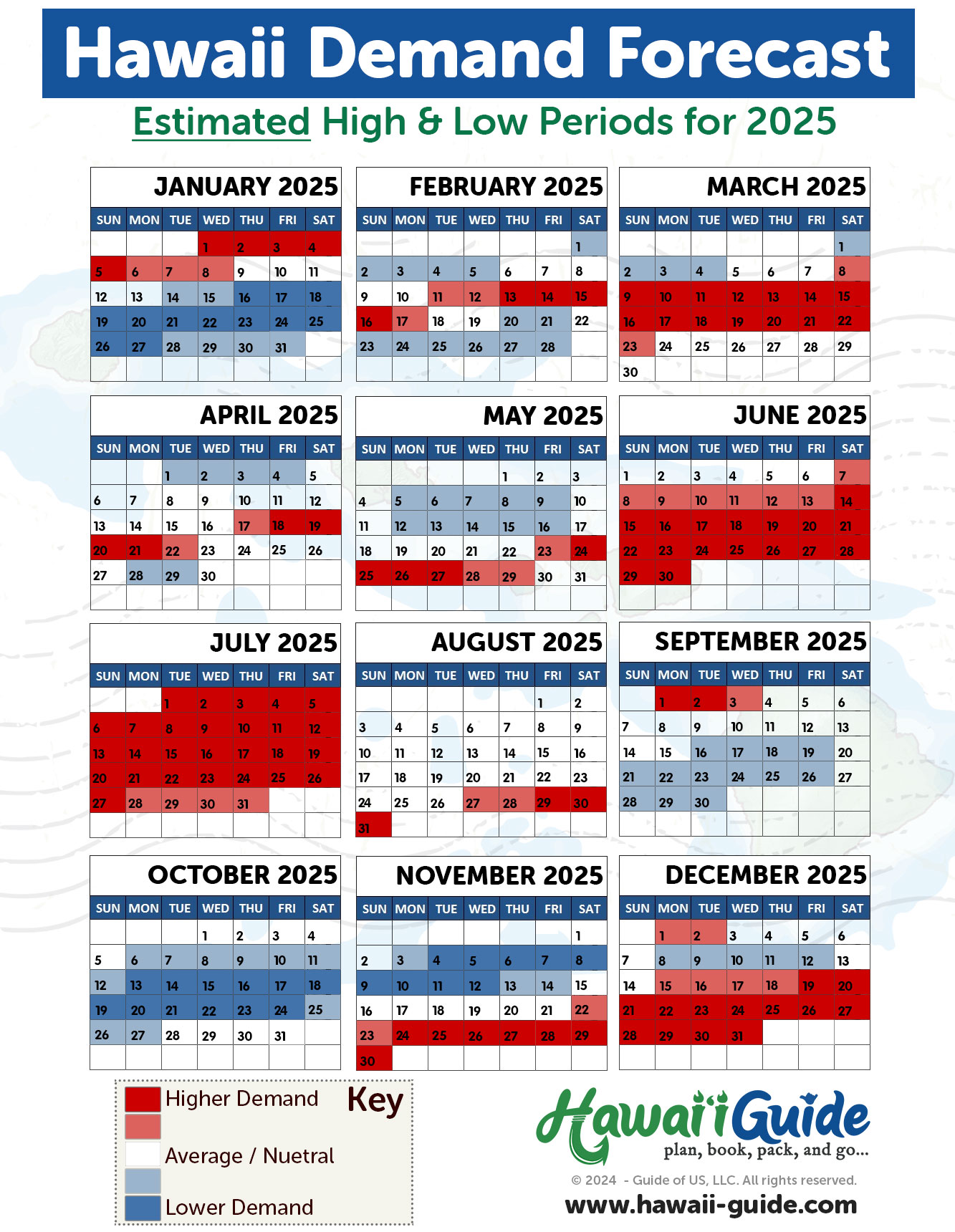
Understanding Hawaii’s Seasons: Weather and Waves
Hawaii technically experiences only two seasons: summer (known as kau in Hawaiian) and winter (hooilo). While both are characterized by warm temperatures, they differ significantly in rainfall, humidity, and ocean conditions, which are crucial for planning your activities.
The Dry Season (Summer: April to October)
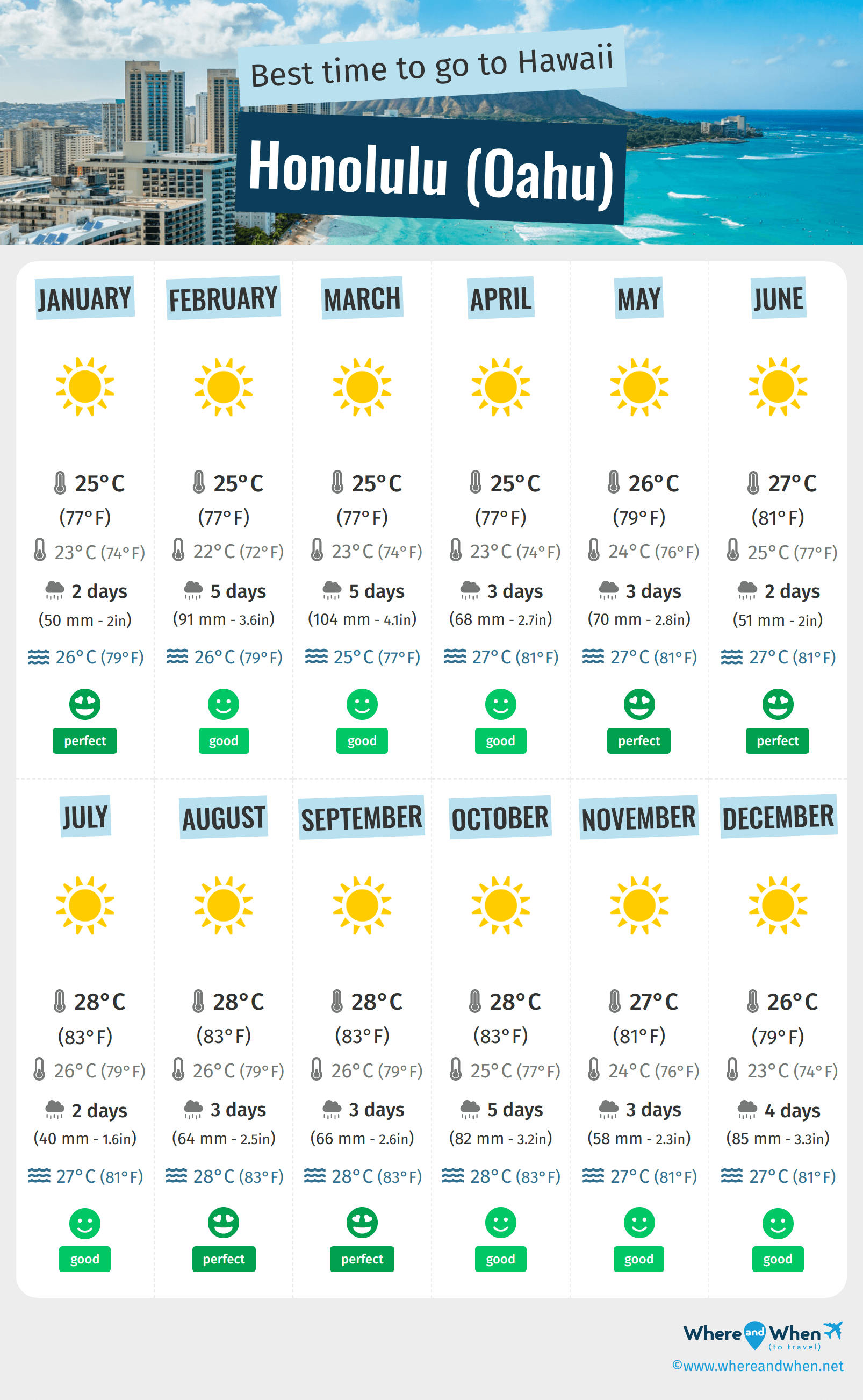
The dry season, spanning from April to October, is often considered the most popular time to visit Hawaii. During these months, the weather is consistently warm and sunny, with average daytime temperatures hovering between 75°F and 88°F (24°C to 31°C). Rainfall is minimal, especially in the popular leeward (south and west) sides of the islands, making it perfect for outdoor adventures and beach relaxation. Humidity is generally lower, offering a more comfortable experience compared to the stickier wet season.
Ocean conditions are typically calmer during the dry season, particularly on the south-facing shores. This creates ideal environments for snorkeling, swimming, paddleboarding, and beginner surfing lessons. Water temperatures are delightful, usually around 78°F (26°C), inviting long dips in the crystal-clear waters. Popular spots like Waikiki Beach on Oahu, the resort areas of Wailea and Kaanapali on Maui, and Poipu on Kauai truly come alive. Hiking trails, from the scenic climb up Diamond Head to the lush paths of Volcanoes National Park, are also more accessible and less muddy.
However, the popularity of the dry season translates directly into higher costs and larger crowds. Major holidays like the Fourth of July and school summer breaks see a significant influx of tourists, leading to fully booked resorts, higher airfares, and more competition for restaurant reservations and tour slots. If you plan to visit during this peak period, especially from June through August, it is absolutely essential to book your flights and accommodation well in advance – often six months to a year out for prime resorts like the Four Seasons Resort Maui at Wailea or The Royal Hawaiian in Waikiki.
The Wet Season (Winter: November to March)
The wet season, from November to March, brings a different kind of beauty to Hawaii. While it’s dubbed the “wet” season, it doesn’t mean constant downpours. Rather, rainfall is more frequent and heavier, particularly on the windward (east and north) sides of the islands. Average temperatures are slightly cooler, ranging from 70°F to 80°F (21°C to 27°C), and humidity tends to be higher. The islands become incredibly lush and green, with waterfalls cascading down verdant cliffs – a truly spectacular sight, especially on Kauai, the “Garden Isle.”
The defining characteristic of Hawaii’s winter is the arrival of massive swells to the north-facing shores. This transforms the North Shore of Oahu into the undisputed capital of big-wave surfing, attracting professional surfers and spectators from around the globe to witness legendary competitions. If watching awe-inspiring waves is on your bucket list, this is the time to visit. However, these powerful waves make swimming and snorkeling on north shores dangerous and often impossible. South-facing beaches generally remain calmer and suitable for most water activities, though occasional storms can bring rougher conditions everywhere.
Another major highlight of the wet season is whale watching. From December to May, thousands of humpback whales migrate from the frigid waters of Alaska to the warm, shallow waters off Hawaii to mate and calve. Maui is particularly famous for its whale-watching tours, offering incredible opportunities to witness these majestic creatures up close.
Like the dry season, the wet season also has its peak periods due to major holidays. Thanksgiving, Christmas, New Year’s, and Presidents’ Day see a significant surge in visitors, leading to elevated prices and crowded conditions. Booking well in advance is equally important for these windows. Outside of these specific holidays, the wet season can offer more attractive deals on flights and hotels, particularly in early December and late January through February, making it a great option for budget-conscious travelers or those seeking a slightly less crowded experience.
Navigating Crowds and Costs: Peak vs. Off-Peak
Understanding the ebb and flow of tourist traffic is paramount for planning your Hawaiian adventure, directly impacting both your wallet and your overall experience. The difference between peak, shoulder, and off-peak seasons can be substantial.
Peak Travel Times and Their Implications
Hawaii’s peak travel times are largely dictated by school schedules and major holidays in the United States. These periods include:
- Summer (June, July, August): Families flock to the islands during school breaks.
- Winter Holidays (mid-December through early January): Christmas and New Year’s are immensely popular, drawing travelers seeking a warm escape.
- Spring Break (March, April): College students and families often visit during these weeks.
- Other Long Weekends: Thanksgiving, Presidents’ Day, Memorial Day, and Labor Day also see spikes in visitor numbers.
During these peak times, prepare for:
- Higher Prices: Airfare, hotel rates (even at properties like Hilton Hawaiian Village Waikiki Beach Resort), car rentals, and even some activities can see price increases of 20-50% or more. Demand is high, and providers capitalize on it.
- Crowded Attractions: Popular spots like Pearl Harbor, Diamond Head, the Road to Hana, and the Maui Ocean Center will be bustling. Expect longer lines, more traffic, and less availability for tours and reservations.
- Limited Availability: The best resorts, prime rental cars, and sought-after dining experiences can be fully booked months in advance. Spontaneity is rarely rewarded during peak season.
If your travel dates are restricted to peak times, don’t despair! You can still have an incredible trip by planning meticulously. Book everything as far out as possible, consider staying in less-centralized areas, and explore lesser-known attractions or visit popular spots early in the morning or late in the afternoon to avoid the thickest crowds.
The Allure of Shoulder Seasons and Off-Peak Travel
For many experienced travelers, the “shoulder seasons” and true off-peak months offer the sweet spot for a Hawaiian vacation. These periods provide a balance of good weather, fewer crowds, and more favorable prices, aligning with a more relaxed and authentic island experience.
- Spring Shoulder Season (Mid-April to May): Following Spring Break and before the summer rush, this period boasts beautiful weather, mostly dry conditions, and warm ocean temperatures. Tourist numbers dip, and prices for flights and accommodation become more reasonable. This is an excellent time for all types of outdoor activities, from hiking the Kalalau Trail on Kauai to relaxing on Maui’s pristine beaches.

-
Fall Shoulder Season (September to Mid-November): After the summer crowds disperse and before the winter holidays, September and October offer some of the best weather of the year – warm, sunny, and relatively dry – with significantly fewer people. This is arguably one of the “best” times to visit for those prioritizing value and tranquility. You’ll find better deals on everything, from flights to five-star resorts, and you’ll have more space to enjoy Hawaii’s natural beauty. Early November can also be a great choice before the Thanksgiving rush, potentially catching the very beginning of whale watching season without the peak holiday prices.
-
Off-Peak in Winter (Early December, Late January, February): While technically within the wet season, the weeks immediately before Christmas and after the New Year’s rush (excluding Presidents’ Day weekend) can offer surprisingly good value. You’ll still get to experience the thrill of whale watching and big waves on the North Shore, but with fewer crowds and more attractive prices than the holiday periods. Just be prepared for the possibility of more rain, especially if you’re venturing to the windward sides of the islands.
Traveling during these shoulder or off-peak periods allows for a more spontaneous and relaxed trip. You might be able to snag last-minute deals, enjoy more elbow room at popular sites, and experience the local culture at a more leisurely pace.
Tailoring Your Trip: Activities and Events Across the Year
Hawaii’s diverse landscape and rich cultural heritage mean there’s always something to do, but certain activities and events shine brightest during specific times of the year.
Water Activities: Surfing, Snorkeling, and Whale Watching
- Surfing: For beginners, the calmer south shores during the dry season (April-October) are ideal for learning to surf. Places like Waikiki are perfect with gentle, rolling waves. For experienced surfers seeking monumental waves, the wet season (November-March) is a must-visit, particularly the North Shore of Oahu, home to legendary breaks like Banzai Pipeline and Waimea Bay.
- Snorkeling and Diving: The dry season (April-October) offers the best visibility and calmest waters across most of the islands, making it prime time for exploring vibrant coral reefs and marine life at spots like Hanauma Bay on Oahu or Molokini Crater off Maui.
- Whale Watching: This is exclusively a wet season (December-May) activity. The peak months are typically January through March, when humpback whales are most abundant in the warm Hawaiian waters. Maui is particularly renowned for its excellent whale-watching opportunities, with numerous tours departing from Lahaina and Ma’alaea Harbor.
Cultural Festivals and Special Events
Hawaii boasts a calendar rich with cultural celebrations, sporting events, and unique local happenings.
- Spring (March-May): The Merrie Monarch Festival in Hilo on the Big Island (usually in April) is the world’s premier hula competition, attracting visitors globally. It’s a profound celebration of Hawaiian culture.
- Summer (June-August): King Kamehameha Day (June 11th) is a state holiday celebrated with parades and floral lei drapings. The Prince Lot Hula Festival on Oahu (July) is another significant cultural event.
- Fall (September-November): The Kona Coffee Cultural Festival on the Big Island (November) celebrates Kona’s renowned coffee industry. Hawaii Food & Wine Festival (October) spans multiple islands, showcasing local culinary talent.
- Winter (December-February): The Honolulu Marathon (December) attracts runners from all over. The Pro Bowl (NFL All-Star game, typically January) has historically been held in Honolulu and draws sports fans. Chinese New Year (January/February) is also celebrated with parades and festivities, particularly in Honolulu’s Chinatown.
If attending a specific festival or event is a priority, ensure you check the exact dates, as they can vary slightly year to year, and book your travel accordingly, as these often coincide with localized spikes in tourism.
Hiking and Exploring Nature
Hawaii’s natural beauty, from volcanic landscapes to lush valleys, offers unparalleled hiking opportunities.
- Best Time for Hiking: The dry season (April-October) is generally preferred for hiking due to less mud, clearer trails, and lower chances of sudden downpours. Trails in Haleakala National Park on Maui or the coastal paths of Molokai are particularly enjoyable.
- Wet Season Considerations: While beautiful, the wet season (November-March) can make some trails slippery, muddy, and even dangerous due to flash floods, especially on islands like Kauai with its abundant rainfall. Always check local weather and trail conditions before embarking on a hike during this period. However, this is also when waterfalls are at their most spectacular, making sites like the Waimea Canyon on Kauai even more stunning.
Choosing Your Hawaiian Island: A Seasonal Perspective
While general seasonal patterns apply across the archipelago, each Hawaiian island offers unique experiences that might be enhanced or limited by the time of year.
Oahu: City Buzz and Surf Culture
Oahu, home to the capital Honolulu and iconic Waikiki Beach, is a vibrant mix of urban amenities and stunning natural beauty.
- Best for Calm Beaches & Sightseeing: The dry season (April-October) is perfect for enjoying Waikiki’s beaches, visiting Pearl Harbor, exploring Iolani Palace, or shopping at Ala Moana Center.
- Best for Big Wave Surfing: The wet season (November-March) is when the North Shore truly comes alive with professional surfing competitions. While south shores remain calm, traffic to the North Shore can be heavy during this time.
Maui: Beaches and Relaxation
Known for its world-class beaches, romantic resorts, and the majestic Haleakala National Park, Maui offers a more relaxed pace.
- Best for General Beach-Goers & Outdoor Activities: The dry season (April-October) is excellent for all beach activities, driving the Road to Hana, and hiking Haleakala.
- Best for Whale Watching: Wet season (December-May), especially January-March, is prime time for spotting humpback whales. The west and south coasts (Lahaina, Kaanapali, Wailea) tend to be drier and sunnier even during the wet season, making them reliable choices.
Kauai: The Garden Isle’s Lush Beauty
Kauai is the oldest and greenest of the main islands, famous for its dramatic Na Pali Coast, Waimea Canyon, and lush rainforests.
- Best for Hiking and Outdoor Exploration: The dry season (April-October) provides drier trails for hiking, especially the challenging Kalalau Trail, and better conditions for exploring by helicopter or boat along the Na Pali Coast.
- Best for Waterfall Views: The wet season (November-March) transforms Kauai into an even more verdant paradise, with waterfalls at their most spectacular, though some trails might be too muddy or closed. The south shore around Poipu often receives less rain than the north shore around Princeville.
Big Island: Volcanoes and Diverse Landscapes
The Big Island (officially Hawaii Island) is a land of extremes, from active volcanoes like Kilauea to snow-capped Mauna Kea and black sand beaches.
- Best for Volcano Exploration & Stargazing: The dry season (April-October) offers clearer skies for stargazing atop Mauna Kea and generally good conditions for exploring Volcanoes National Park. The Kona side of the island is usually sunny year-round.
- Best for Lush Scenery on the Hilo Side: The wet season (November-March) makes the Hilo side and Hamakua Coast exceptionally green and waterfalls powerful, but be prepared for more rain. The Kona Coffee Cultural Festival in November is a highlight for foodies and coffee lovers.
Ultimately, the “best” time to visit Hawaii is a personal choice dictated by your priorities. Whether you’re chasing the sun and calm seas, hunting for cultural experiences, or seeking the thrill of big waves, the islands offer something magical in every season. By understanding the nuances of weather, crowds, costs, and unique island offerings, you can perfectly tailor your trip to create unforgettable memories in this Polynesian paradise.
LifeOutOfTheBox is a participant in the Amazon Services LLC Associates Program, an affiliate advertising program designed to provide a means for sites to earn advertising fees by advertising and linking to Amazon.com. Amazon, the Amazon logo, AmazonSupply, and the AmazonSupply logo are trademarks of Amazon.com, Inc. or its affiliates. As an Amazon Associate we earn affiliate commissions from qualifying purchases.