
Often affectionately referred to by its popular moniker, “The Big Island,” this magnificent Hawaiian gem holds a deeper, more official name: Hawaii Island. Far more than just a name, this island represents a world unto itself, a vibrant and dynamic destination that continually redefines the travel experience. From its smoldering volcanoes to its pristine beaches, and from its rich cultural tapestry to its luxurious resorts, Hawaii Island is a microcosm of diverse landscapes and lifestyles, offering something extraordinary for every type of traveler.
Our journey begins by unraveling the mystery behind its dual identity, delving into the geographical wonders that have earned it such a descriptive nickname, and then charting a course through the myriad attractions, accommodations, and cultural encounters that await on this unparalleled island. Whether you’re seeking an adventurous escape, a tranquil retreat, or a deep dive into local traditions, understanding Hawaii Island’s essence is the first step towards an unforgettable Hawaiian adventure.
Beyond the Nickname: Unveiling Hawaii Island
While “The Big Island” rolls off the tongue with ease, conjuring images of vastness and grandeur, its official name, Hawaii Island, carries its own profound significance, reflecting both its lineage and its unique place within the archipelago. Understanding this dual identity is crucial to appreciating the island’s unique character and its pivotal role in the Hawaiian story.
The Official Name and Its Significance
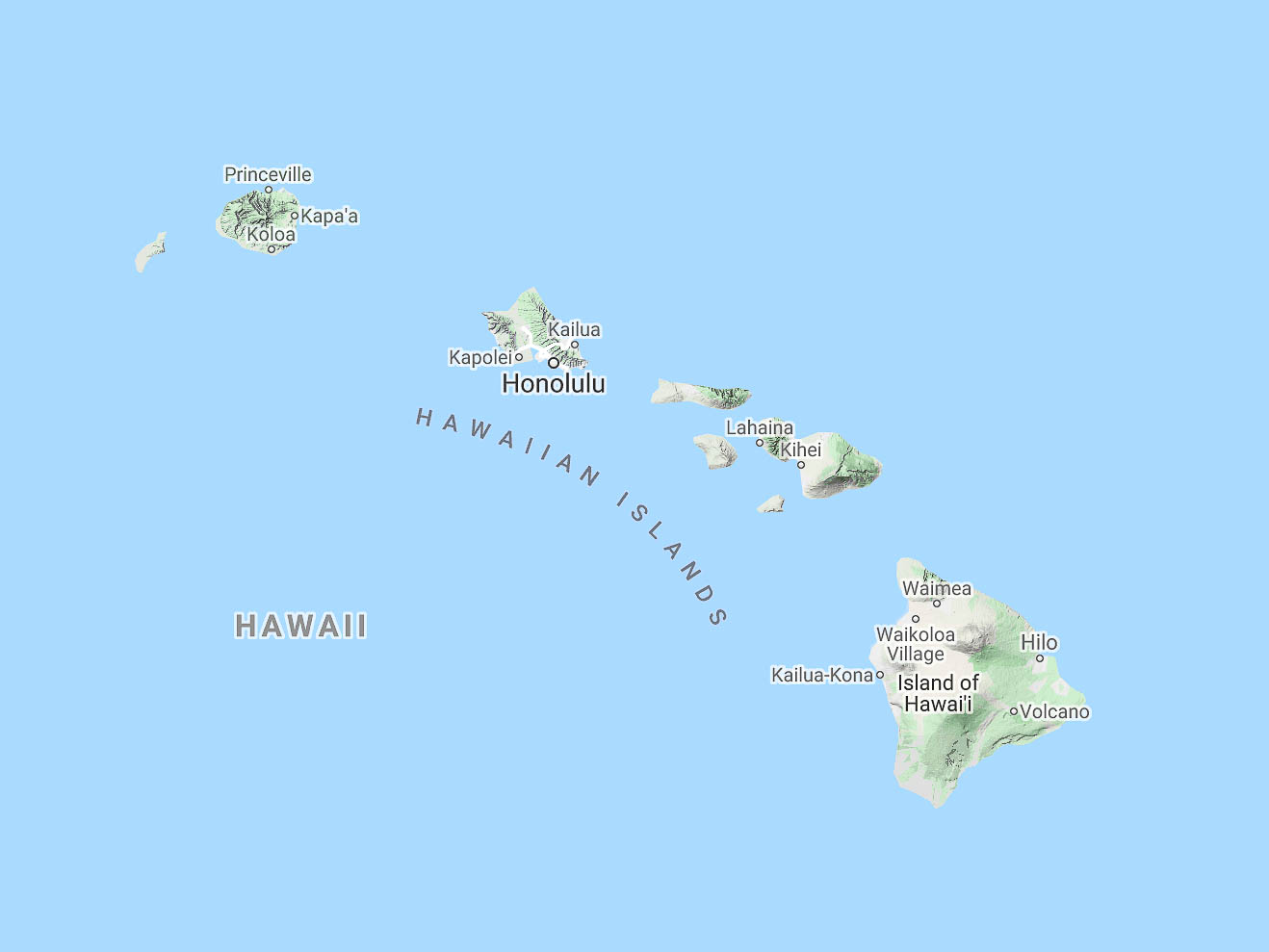
The official name, Hawaii Island, is a direct nod to the entire state of Hawaii. It is the southernmost and easternmost island in the Hawaiian chain, and it’s also where the legendary voyaging chief Kamehameha I was born and began his conquest to unite the islands into a single kingdom. The name “Hawaii” itself is steeped in ancient Polynesian mythology, often linked to Hawaii Loa, the navigator credited with discovering the islands. Thus, Hawaii Island is not just a geographical marker but a historical and cultural cornerstone of the entire state. Its name evokes a sense of tradition, heritage, and the very spirit of aloha that permeates the islands. For those interested in local culture and history, recognizing the official name is a sign of respect and an acknowledgement of the island’s deep roots.
Why “The Big Island”? A Geographical Marvel
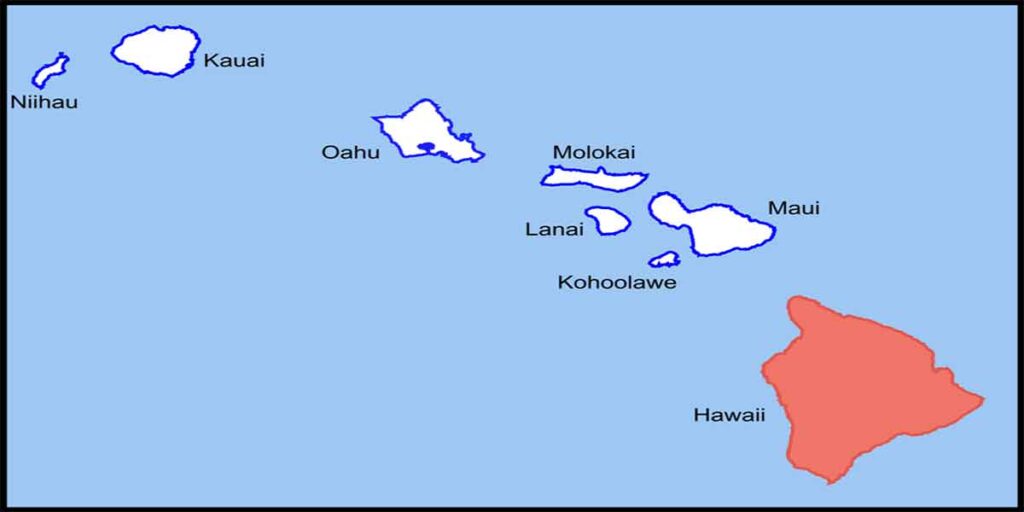
The popular nickname, “The Big Island,” is not merely a marketing ploy; it is a straightforward description of a remarkable geographical fact. Hawaii Island is, quite simply, the largest island in the Hawaiian archipelago. In fact, it is larger than all the other Hawaiian Islands combined, boasting an area of approximately 4,028 square miles. What makes this even more astonishing is that the island is continuously growing, thanks to the ongoing volcanic activity of Kilauea, one of the world’s most active volcanoes.
This sheer size translates into an incredible diversity of landscapes and microclimates. Within a relatively short drive, visitors can traverse eleven out of the world’s thirteen climate zones. Imagine moving from a snow-capped mountain summit on Mauna Kea to a volcanic desert, then through lush tropical rainforests, and finally to sun-drenched white, black, and even green sand beaches. This astounding variety is precisely why the “Big” in Big Island is so apt. It hints at the scale of experiences available, from extreme adventure to serene relaxation, ensuring that every traveler finds their perfect niche. For those seeking diverse travel experiences, Hawaii Island offers an unparalleled palette of natural wonders to explore.
A Tapestry of Landscapes and Experiences
The immense size and ongoing geological evolution of Hawaii Island have sculpted a landscape of unparalleled diversity, making it a dream destination for adventurers, nature lovers, and culture enthusiasts alike. This is where the magic of “The Big Island” truly comes alive, offering a kaleidoscope of attractions and experiences that cater to every whim.
From Volcanic Deserts to Lush Rainforests
The natural wonders of Hawaii Island are its crowning glory, drawing visitors from across the globe. The island is essentially a living laboratory of geological processes, dominated by its towering volcanoes.
At the heart of its natural appeal is Hawaii Volcanoes National Park, a UNESCO World Heritage Site that provides a rare opportunity to witness the raw power of creation. Here, visitors can explore active volcanic landscapes, including the craters of Kilauea and Mauna Loa, hike across solidified lava fields, and sometimes even observe molten lava flows from safe viewing areas. The park’s diverse ecosystems range from barren lava rock to lush fern forests, showcasing the remarkable resilience of nature. It’s an absolute must for anyone interested in landmarks and nature’s majesty.
Rising majestically above the landscape, Mauna Kea stands as the world’s tallest mountain when measured from its base on the ocean floor. Its summit, often snow-capped, hosts an array of international astronomical observatories, making it one of the premier stargazing sites on Earth. Guided tours to the summit offer breathtaking sunsets and unparalleled views of the cosmos, providing a truly ethereal experience.
The island’s topography also supports a thriving agricultural scene, most notably the famous Kona Coffee Belt. Here, visitors can tour picturesque coffee farms, learn about the cultivation process, and sample some of the world’s finest coffee, cultivated on the slopes of Hualalai and Mauna Loa.
Beyond the volcanic landscapes, the eastern side of the island, particularly around Hilo, is characterized by its verdant rainforests and spectacular waterfalls. Akaka Falls State Park features the majestic 442-foot Akaka Falls plunging into a lush gorge, while Rainbow Falls near Hilo is famous for the rainbows formed by its mist on sunny mornings. These natural attractions offer serene beauty and invigorating hikes.
And no visit to a Hawaiian Island would be complete without experiencing its incredible beaches. Hawaii Island boasts unique options: the striking black sands of Punaluʻu Beach, where sea turtles often bask; the rare green sands of Papakōlea Beach, one of only four green sand beaches in the world, formed by olivine crystals; and the classic white sands of Hapuna Beach State Park, consistently ranked among the best beaches globally for swimming and sunbathing. These diverse natural wonders ensure that every day on Hawaii Island is an adventure.
Embracing Local Culture and Cuisine

Beyond its stunning natural beauty, Hawaii Island offers a vibrant cultural scene deeply rooted in Polynesian traditions and modern Hawaiian lifestyle. Engaging with the local culture provides a richer, more meaningful travel experience.
A quintessential Hawaiian experience is attending a luau. These traditional feasts are not just about food; they are celebrations of Hawaiian and Polynesian culture, featuring hula dancing, storytelling, live music, and an abundance of delicious food cooked in an imu (underground oven). Many resorts offer elaborate luaus, providing an immersive evening of entertainment and culinary delights.
The island’s cuisine is a delightful fusion of local ingredients and diverse cultural influences. Fresh seafood is abundant, with poke bowls being a popular and delicious staple. Tropical fruits like mangoes, papayas, and pineapples grow in profusion, often available at roadside stands. Don’t miss trying local specialties such as kalua pig, laulau, and poi. Farmers’ markets in Hilo and Kona are excellent places to sample fresh produce and local treats, offering a taste of authentic Hawaii.
For a deeper dive into Hawaiian history and spirituality, a visit to Puʻuhonua o Hōnaunau National Historical Park is highly recommended. Known as the “Place of Refuge,” this ancient sanctuary offered safety to those who had broken kapu (sacred laws) or were defeated in battle. The park provides fascinating insights into traditional Hawaiian society, featuring reconstructed temples, royal grounds, and intricate carvings. Understanding and respecting the island’s culture, including the concept of Mālama Aina (care for the land), enhances any visit.
Navigating Your Stay: Accommodation and Travel Tips
Planning a trip to Hawaii Island involves considering where to stay and how to navigate its vastness. The island’s popularity as a premier travel destination means a wide array of accommodation options and practical tips are available to ensure a smooth and enjoyable visit.
Diverse Accommodation Options for Every Traveler
Hawaii Island caters to every preference and budget when it comes to lodging. Whether you’re planning a luxurious honeymoon, a budget-friendly family trip, or a productive business stay, you’ll find an ideal home base.
Along the sunny Kona and Kohala coasts, luxury resorts offer world-class amenities and breathtaking oceanfront settings. Establishments like the Four Seasons Hualalai and Fairmont Orchid provide opulent suites, championship golf courses, rejuvenating spas, and exquisite dining experiences, perfect for luxury travel and those seeking unparalleled service. The Mauna Lani, Auberge Resorts Collection further exemplifies high-end accommodation, blending natural beauty with sophisticated comfort. These resorts often feature expansive pools, private beach access, and a variety of activities from snorkeling to cultural workshops, making them ideal for discerning travelers and memorable family trips.
For those seeking a more intimate or unique experience, boutique hotels and charming villas can be found in towns like Kona and Hilo, offering a taste of local charm. Vacation rentals, ranging from cozy apartments to sprawling private homes, are also abundant, providing flexibility and a home-away-from-home feel, especially suitable for long-term stays or larger family groups. These options often come with kitchens, allowing travelers to experience local food preparation and save on dining expenses.
Budget travelers will also find comfortable and affordable options, including guesthouses and smaller hotels, particularly inland or in the less tourist-heavy areas. Many accommodations offer specific amenities catering to family trips, such as kids’ clubs and spacious rooms, while others are equipped with business centers and high-speed internet, suitable for business stays. Regardless of your choice, it’s advisable to book well in advance, especially during peak seasons, and to compare reviews to find the best fit for your travel needs.
Essential Tips for an Unforgettable Visit
To make the most of your Big Island adventure, a few practical tips can significantly enhance your experience.
Getting Around: Given the island’s vast size, renting a car is almost essential for exploring beyond your immediate resort area. Public transportation is limited, and many natural attractions are spread out. The two main airports are Kona International Airport (KOA) on the west side, serving most visitors, and Hilo International Airport (ITO) on the east side. When driving, be prepared for varying road conditions, from smooth highways to narrower, winding country roads.
Best Time to Visit: Hawaii Island enjoys a pleasant tropical climate year-round. The peak tourist season typically runs from mid-December to March and again from June to August. For fewer crowds and potentially lower prices, consider visiting during the shoulder seasons (April-May, September-November). While the island experiences trade winds and occasional rain, the diverse climate zones mean that if it’s raining on one side, it’s often sunny on another.
Packing Essentials: Due to the extreme variations in climate, layering is key. Pack swimwear, light casual clothing for warm coastal areas, and warmer layers, including a jacket or fleece, for cooler evenings and higher elevations like Mauna Kea. Comfortable walking shoes or hiking boots are a must for exploring national parks and trails. Don’t forget reef-safe sunscreen, insect repellent, a hat, and sunglasses. For stargazing, a blanket or towel can be useful.
Respecting the Land and Culture: Embrace the concept of Mālama Aina, which means to care for the land. This involves staying on marked trails, not disturbing wildlife, and leaving no trace. Be mindful of cultural sites and respect local customs. When visiting beaches, avoid touching sea turtles or disturbing any marine life. Understanding and practicing aloha (love, peace, compassion) will not only enrich your personal experience but also contribute positively to the local community.
Planning Your Big Island Adventure
Hawaii Island, affectionately known as “The Big Island,” is a destination unlike any other. Its sheer scale, remarkable geological diversity, and rich cultural heritage combine to create an unparalleled travel experience. From the active lava flows of Hawaii Volcanoes National Park to the celestial observatories atop Mauna Kea, and from the black sands of Punaluʻu Beach to the lush Kona Coffee Belt, the island promises a journey of discovery at every turn.
Whether your ideal vacation involves luxurious resort stays at the Four Seasons Hualalai, immersive cultural encounters at a traditional luau, adventurous hikes through varied terrains, or simply relaxing on pristine beaches, Hawaii Island offers a canvas for every type of traveler. Its diverse accommodation options cater to every budget and style, from sprawling family-friendly resorts to charming boutique hotels and convenient vacation rentals.
Embrace the spirit of aloha, respect the sacred land, and prepare to be captivated by the magic of Hawaii Island. This vibrant destination is more than just a place on a map; it’s an invitation to explore, relax, and create lasting memories amidst some of the world’s most breathtaking natural wonders and warmest hospitality. Start planning your Big Island adventure today, and uncover the endless possibilities that await on this truly extraordinary piece of paradise.
LifeOutOfTheBox is a participant in the Amazon Services LLC Associates Program, an affiliate advertising program designed to provide a means for sites to earn advertising fees by advertising and linking to Amazon.com. Amazon, the Amazon logo, AmazonSupply, and the AmazonSupply logo are trademarks of Amazon.com, Inc. or its affiliates. As an Amazon Associate we earn affiliate commissions from qualifying purchases.