
Nestled in the heart of the Pacific Ocean, Hawaii presents a climate that is as diverse and captivating as its volcanic landscapes and vibrant Polynesian culture. Often envisioned as a quintessential tropical paradise of endless sunshine and balmy breezes, the reality of Hawaii’s climate is far more nuanced, offering a fascinating array of microclimates that can transition dramatically within short distances. This unique meteorological tapestry profoundly influences everything from travel itineraries and accommodation choices to the myriad of activities available across its islands, making an understanding of its climate essential for any visitor planning their dream Hawaiian escape.
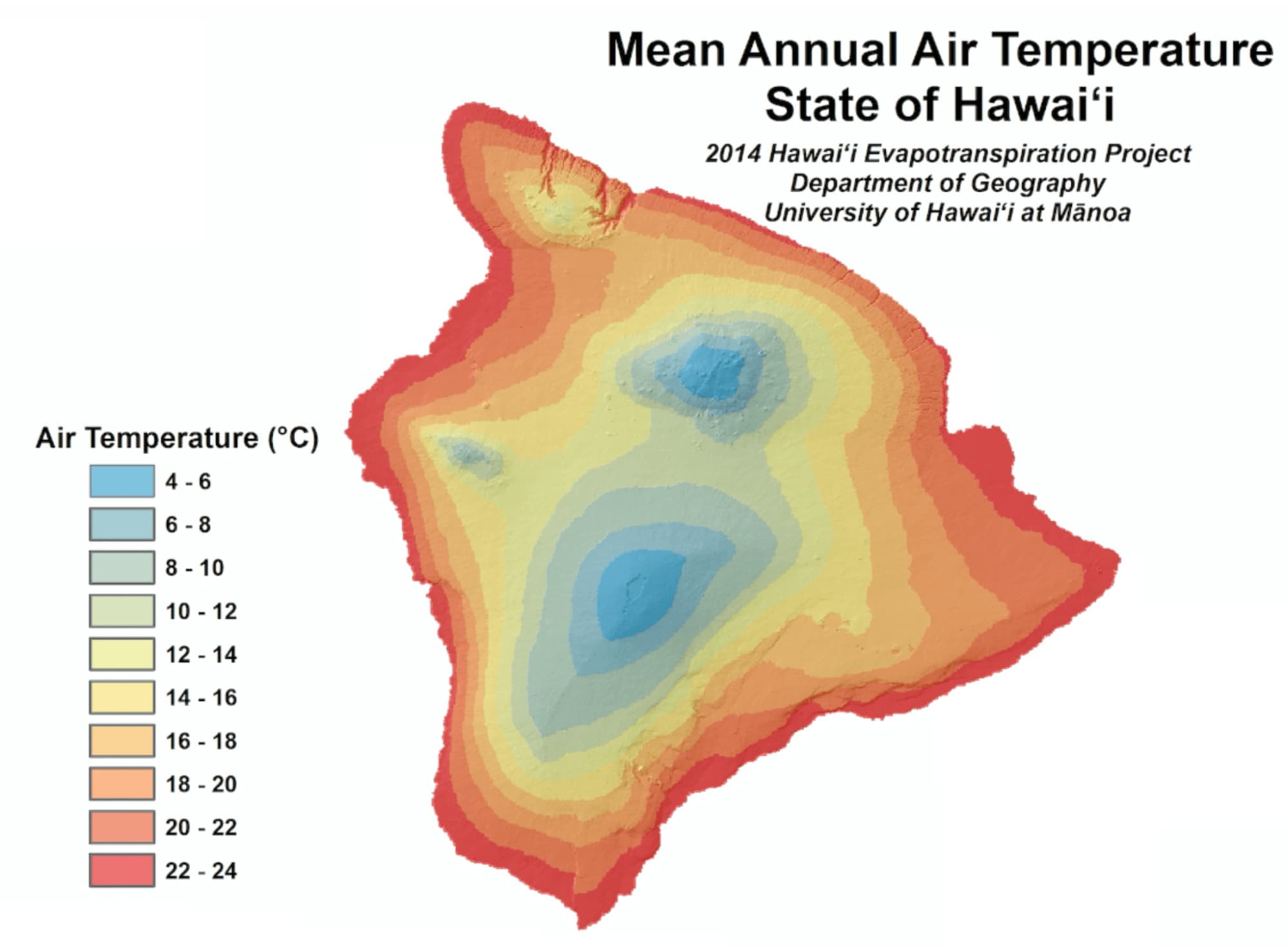
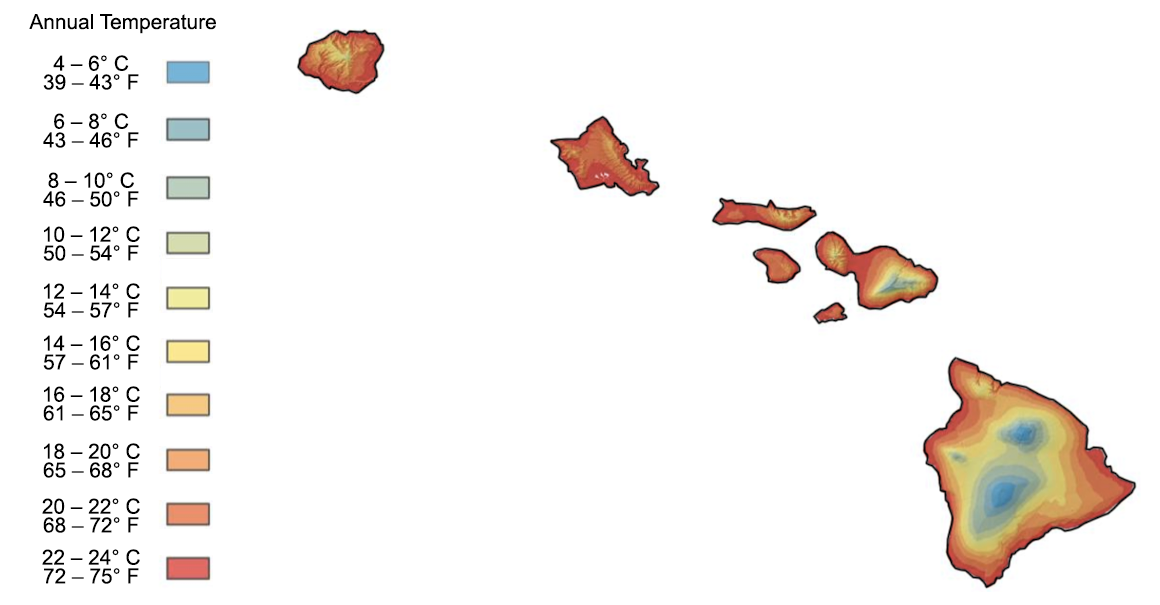
The islands of Hawaii are situated in the tropics, providing a generally mild and consistent year-round temperature that rarely experiences extreme highs or lows. Average daytime temperatures typically range from the mid-70s to mid-80s Fahrenheit (24-29°C), with nighttime lows dipping into the mid-60s to mid-70s Fahrenheit (18-24°C). The omnipresent trade winds, usually blowing from the northeast, act as a natural air conditioner, offering a refreshing constant breeze that mitigates humidity and contributes to the islands’ comfortable atmosphere. These winds are a crucial element of Hawaii’s climate, carrying moisture-laden air that sculpts the landscape through differential rainfall, leading to the creation of the island chain’s famous microclimates.
Understanding Hawaii’s climate isn’t just about knowing the average temperature; it’s about appreciating the incredible diversity found within its relatively small landmasses. From arid deserts to lush rainforests, and even snow-capped peaks, Hawaii truly offers a world of weather within its borders. This guide will delve into the specifics of Hawaii’s climate, exploring its unique characteristics, seasonal variations, and practical implications for travelers seeking to make the most of their visit to this extraordinary destination. Whether you’re planning a relaxing beach vacation, an adventurous hiking expedition, or a cultural immersion, knowing what to expect from the weather will enhance your experience and ensure your trip is as perfect as the postcard images suggest.
The Unique Microclimates of the Aloha State
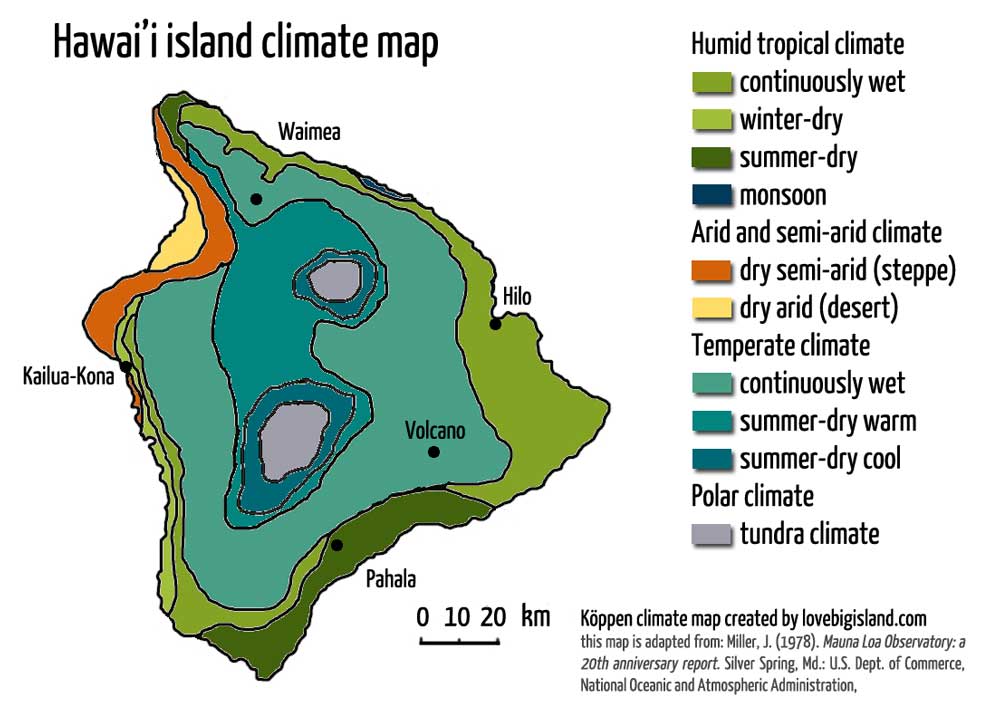
One of the most remarkable aspects of Hawaii’s climate is the astonishing variety of microclimates that exist across its islands. These distinct weather zones are primarily a result of the islands’ mountainous topography interacting with the prevailing northeast trade winds. As moist trade winds encounter the towering volcanic peaks, they are forced upwards, cooling and condensing their moisture to create clouds and rain on the windward (northeastern) sides of the islands. Once the air passes over the mountains, it descends on the leeward (southwestern) sides, warming and drying, resulting in significantly sunnier and drier conditions. This phenomenon creates a dramatic contrast, allowing visitors to experience everything from verdant rainforests to sun-drenched beaches and even alpine tundra, all within a single island.
Tropical Paradise: General Characteristics
At its core, Hawaii boasts a tropical climate, characterized by consistently warm temperatures and moderate humidity. Unlike many continental destinations, Hawaii doesn’t experience extreme temperature fluctuations between seasons. The warmth is tempered by the constant trade winds, which are a defining feature of the Hawaiian weather system. These winds, typically blowing from the northeast, not only provide a welcome cooling effect but also drive the rainfall patterns. The elevation also plays a significant role; temperatures drop by approximately 3.6 degrees Fahrenheit for every 1,000 feet of ascent. This means that while sea-level beaches might be basking in 80-degree warmth, a hike up to 5,000 feet could see temperatures drop into the 60s or even lower, demanding a diverse packing strategy for travelers. The high amount of sunshine, particularly on the leeward coasts, supports the thriving tourism industry focused on beach activities and water sports, which are central to the Hawaii lifestyle.
From Sunny Beaches to Snowy Peaks: The Spectrum of Hawaiian Weather
The spectrum of weather in Hawaii is truly astonishing. On the island of Oahu, you can bask in the sunshine of Waikiki Beach with its bustling resorts and calm waters, then drive just a short distance to the lush, rainy valleys of Manoa or the dramatic, wave-pounded shores of the North Shore, which transform into a surfing mecca during winter. Maui offers the dry, sunny resorts of Kihei and Lahaina, while the winding Road to Hana takes you through dense, rain-soaked rainforests with countless waterfalls.
Perhaps the most dramatic climatic shifts are found on the Big Island (Hawaii Island). Here, you can experience the arid, almost desert-like conditions of the Kona coast on the west, famous for its coffee farms and consistently sunny weather. Travel to the east, and you’ll find the incredibly wet and verdant city of Hilo, known for its botanical gardens and frequent showers. Further up, at Volcanoes National Park, the climate is cooler and often misty, creating an otherworldly landscape. Ascending to the summits of Mauna Kea and Haleakala, visitors can encounter freezing temperatures and even snow during winter months, a stark contrast to the tropical beaches below. This incredible diversity means that no matter what kind of weather you prefer, Hawaii likely has a spot for you.
Understanding Windward and Leeward Sides
The concepts of “windward” and “leeward” are fundamental to grasping Hawaii’s climate. The windward sides (generally the north and east coasts) are directly exposed to the trade winds. They are characterized by higher rainfall, lush vegetation, frequent rainbows, and abundant waterfalls. This is where you’ll find dense rainforests, dramatic cliffs like the Na Pali Coast on Kauai, and the verdant landscapes that embody the classic image of a tropical paradise. While beautiful, these areas can be rainier, especially during the wetter winter months.
Conversely, the leeward sides (typically the south and west coasts) are sheltered from the trade winds by the islands’ mountains. These areas are significantly drier, sunnier, and often hotter, boasting miles of golden sand beaches and calm, clear waters ideal for swimming and snorkeling. Major tourist centers and resorts, such as Waikiki Beach in Honolulu, Poipu on Kauai, Lahaina and Wailea on Maui, and Kona on the Big Island, are predominantly located on these leeward coasts precisely because of their consistently pleasant weather. When booking accommodation or planning activities, discerning whether you prefer the lushness of a windward environment or the perpetual sunshine of a leeward coast is a key decision shaped by Hawaii’s distinct microclimates.
Seasonal Variations and Their Impact on Travel
While Hawaii does not experience four distinct seasons in the continental sense, it does have two primary seasons: a “winter” or wetter season and a “summer” or drier season. These subtle shifts in weather patterns significantly influence travel experiences, from wave conditions for surfing to the accessibility of hiking trails and the overall ambiance of popular tourist spots. Understanding these seasonal nuances is crucial for planning your perfect Hawaiian getaway, affecting everything from your packing list to your choice of activities and even the ideal island to visit.
Winter (November – April): The “Wet” Season and Big Waves
Hawaii’s winter months, roughly from November to April, are generally characterized by slightly cooler temperatures and increased rainfall, particularly on the windward sides of the islands. While it’s dubbed the “wet season,” this doesn’t mean constant downpours; rather, rain showers are more frequent, often localized, and can quickly give way to sunshine. The average daytime temperatures during this period might dip slightly, usually staying in the high 70s Fahrenheit (25-26°C) at sea level. Nighttime temperatures remain pleasant, rarely falling below the mid-60s Fahrenheit (18-20°C).
A major draw of Hawaiian winters is the dramatic increase in swell activity, particularly on the North Shore of Oahu and similar north-facing coasts across other islands. This creates some of the world’s most legendary big-wave surfing conditions, attracting professional surfers and spectators alike to iconic beaches like Banzai Pipeline and Waimea Bay. While these powerful waves are thrilling to watch, they can make swimming hazardous on north shores, often prompting advisories or closures. For travelers seeking adventure, vibrant green landscapes, and the spectacle of massive ocean swells, winter offers a unique and dynamic experience. However, those planning extensive hiking through rainforests or seeking consistently dry, sunny beach days might find the leeward coasts or the shoulder months more appealing. Tourism is also at its peak during late December and early January due to holiday travel, leading to higher prices for flights and accommodation and more crowded attractions.
Summer (May – October): The Drier, Warmer Months
The summer season, extending from May to October, brings warmer, drier, and more stable weather across the Hawaiian islands. Daytime temperatures typically hover in the low to mid-80s Fahrenheit (27-29°C), with pleasant evenings in the 70s Fahrenheit (21-23°C). Rainfall significantly decreases, especially on the leeward coasts, making this the ideal time for classic beach vacations, snorkeling, diving, and most outdoor activities. The ocean is generally calmer during the summer, particularly on south-facing shores, offering excellent conditions for swimming and water sports.
The trade winds are usually consistent during these months, providing natural cooling. However, it’s also Hawaii’s hurricane season (June 1st to November 30th). While direct hurricane hits are rare due to the islands’ location and the protective high-pressure systems, tropical storms and depressions can bring increased humidity, heavy rainfall, and stronger winds. Travelers during this period should keep an eye on weather forecasts, though most visitors will experience consistently sunny days. Summer is also a popular time for family travel, especially from late May to August, coinciding with school holidays. This means popular destinations and attractions will be busier, and hotel rates, like at the famed Hilton Hawaiian Village Waikiki Beach Resort, may be higher.
Best Time to Visit: Balancing Weather and Crowds
Determining the “best” time to visit Hawaii largely depends on your priorities and tolerance for crowds.
- For consistently sunny weather and calm waters: The summer months (May to October) are generally ideal, especially if you plan to spend most of your time on the leeward beaches.
- For big-wave surfing and lush, dramatic landscapes: Winter (November to April) is the season to witness the raw power of the ocean and enjoy the vibrant greenery of the windward regions.
- For a balance of good weather and fewer crowds: The shoulder seasons are often recommended: late April to May, and September to early November. During these periods, the weather is typically pleasant – warm and relatively dry – but the major holiday crowds have either dispersed or not yet arrived. This allows for a more relaxed travel experience, potentially lower accommodation costs, and easier access to popular landmarks and activities. These times offer the best of both worlds for many travelers, allowing for enjoyable outdoor adventures without the peak-season hustle and bustle.
Preparing for Hawaii’s Climate: Tips for Travelers
Navigating Hawaii’s diverse microclimates requires a bit of foresight and flexibility. While the islands generally offer warm, pleasant weather, being prepared for sudden shifts and localized variations can significantly enhance your travel experience. From packing the right attire to choosing the best island for your preferred weather, smart planning is key to enjoying all that the Aloha State has to offer. These tips will help you tailor your preparations to Hawaii’s unique climatic conditions, ensuring a comfortable and memorable journey.
Packing Essentials for Diverse Weather
Given the incredible range of microclimates, a versatile packing list is crucial for any trip to Hawaii. Forget the notion that it’s all just shorts and t-shirts. Here’s what you should consider:
- Lightweight, Breathable Clothing: Cotton, linen, and moisture-wicking fabrics are ideal for the warm, humid conditions. Pack plenty of swimwear.
- Rain Gear: A lightweight, packable rain jacket or umbrella is essential, especially if you plan to explore windward areas or visit during the wetter season. Even on sunny days, a quick tropical shower can occur.
- Layers for Elevation: If you intend to visit higher elevations like Haleakala on Maui for sunrise or Mauna Kea on the Big Island for stargazing, bring warm layers, including a jacket, hat, and gloves. Temperatures can drop below freezing at these altitudes.
- Sun Protection: High-SPF reef-safe sunscreen, a wide-brimmed hat, and sunglasses are non-negotiable. The Hawaiian sun is potent, even on cloudy days.
- Footwear: Comfortable sandals or flip-flops for the beach are a must. Also, pack sturdy walking or hiking shoes if you plan on exploring trails, especially in wet conditions where paths can be muddy. Water shoes can be useful for rocky beaches or snorkeling.
- Bug Repellent: Mosquitoes can be present, especially in lush, damp areas, so a good repellent is advisable.
Remember that Hawaii has a casual dress code, so you won’t need much formal attire unless you’re planning specific luxury dining experiences at resorts like the Four Seasons Resort Maui at Wailea.
Choosing Your Island: Climate-Driven Decisions
Each Hawaiian island, while sharing a common tropical base, has its own climatic personality, making your choice of island a significant climate-driven decision for your travel plans:
- Oahu: Offers a good balance. Honolulu and Waikiki Beach are predominantly sunny and dry on the leeward side, perfect for classic beach vacations. The North Shore is lusher and experiences larger waves in winter.
- Maui: Known for its dry, sunny resort areas like Lahaina and Kihei. Ideal for those seeking consistent sunshine and beach activities. The windward side, along the Road to Hana, is wet and vibrant.
- Kauai: The “Garden Isle” is generally wetter and greener than Oahu or Maui, especially on its north shore around Princeville and Hanalei Bay. The south shore around Poipu is the sunniest and driest, perfect for family resorts like the Grand Hyatt Kauai Resort & Spa. Expect stunning lush landscapes and waterfalls.
- Big Island: The most climatically diverse. The Kona side is famously sunny and dry. The Hilo side is very wet and green. It’s the only island where you can go from tropical beaches to active volcanoes like Kilauea and snow-capped mountains like Mauna Kea. Choose this island if you want to experience the full range of Hawaii’s climates.
Consider what kind of weather defines your ideal vacation before making your final island choice.
Adapting Activities to Weather Conditions
Flexibility is key to making the most of your Hawaiian adventure, as local weather conditions can change rapidly.
- Rainy Days: Don’t let a shower dampen your spirits. Explore indoor attractions like museums (e.g., Bishop Museum on Oahu), art galleries, or aquariums. Indulge in local cuisine at a covered outdoor market or a cozy restaurant. Consider driving scenic routes, as waterfalls are often at their most impressive after a good rain.
- Sunny Days: Capitalize on the sunshine by heading to the beach, snorkeling, surfing, paddleboarding, or taking a boat tour. Hike trails that offer panoramic views, like Diamond Head on Oahu or Waimea Canyon on Kauai.
- Windy Days: While the trade winds are usually pleasant, very windy conditions might make some water activities less enjoyable. Opt for sheltered beaches or consider exploring inland areas, such as botanical gardens or historical sites.
- Volcano Viewing: When visiting Volcanoes National Park on the Big Island, be prepared for cooler, misty, and sometimes rainy weather, even if the Kona side is sunny. Layering is essential.
Always check local weather forecasts and surf reports daily. Many hotels and resorts, such as The Royal Hawaiian, provide these updates. Being adaptable allows you to fully embrace the dynamic nature of Hawaii’s climate and discover unexpected delights.
Climate’s Influence on Hawaiian Lifestyle and Tourism
The pervasive and multifaceted climate of Hawaii is not merely a backdrop for stunning scenery; it fundamentally shapes the local lifestyle, dictates the array of tourism offerings, and even influences architectural design and agricultural practices. The unique interplay of trade winds, sunshine, and rainfall creates an environment where outdoor living is paramount, a diverse range of agricultural products thrives, and a mindful approach to environmental stewardship becomes integral to sustainable development. For visitors, understanding this profound connection allows for a deeper appreciation of the islands beyond just their aesthetic beauty.
Outdoor Activities and Adventure Tourism
Hawaii’s consistently warm temperatures and diverse landscapes make it a paradise for outdoor activities and adventure tourism year-round. The balmy ocean waters are perfect for surfing, paddleboarding, snorkeling, and diving, with conditions varying by season and island side. The drier leeward coasts are ideal for sunbathing and swimming, while the windward regions offer incredible opportunities for rainforest hiking to discover hidden waterfalls and lush valleys. Trails wind through diverse terrains, from volcanic rock gardens in Volcanoes National Park on the Big Island to the verdant cliffs of the Na Pali Coast on Kauai.
The winter months, with their larger swells, transform north-facing beaches into world-renowned surf destinations, drawing crowds to witness legendary competitions. Conversely, summer’s calmer seas open up possibilities for tranquil kayaking, outrigger canoeing, and clearer visibility for underwater exploration. Even the extreme elevations offer unique adventures like stargazing on Mauna Kea or sunrise viewing from Haleakala, experiences made possible by the clear atmospheric conditions above the cloud line. The climate fosters a healthy, active lifestyle for residents and visitors alike, emphasizing a deep connection to nature.
Agriculture and Local Cuisine
The wide range of microclimates also profoundly impacts Hawaii’s agriculture and, by extension, its famous local cuisine. The wet, fertile windward regions are ideal for cultivating crops like taro, sugarcane, and tropical fruits such as pineapples, mangoes, and papayas. The specific conditions on the Big Island’s Kona side, with its sunny mornings, cloudy afternoons, and volcanic soil, create the perfect environment for growing world-class Kona coffee.
This agricultural diversity directly translates to the plates of visitors. Farm-to-table movements are strong in Hawaii, with restaurants sourcing fresh, local produce, seafood, and meats that reflect the bounty of the islands. From poke bowls made with freshly caught fish to refreshing fruit smoothies and regional specialties infused with unique Hawaiian ingredients, the climate is an unseen yet ever-present influence on the culinary scene. Exploring local markets and food tours offers a delicious insight into how the climate shapes the flavors of Hawaii.
Accommodation Choices and Climate Control
When it comes to accommodation, Hawaii’s climate plays a crucial role in design and amenities. Most hotels and resorts, especially those on the warmer, sunnier leeward coasts, are equipped with air conditioning to ensure guest comfort. Many properties also incorporate elements of passive cooling, utilizing cross-ventilation and open-air lobbies to take advantage of the trade winds, blurring the lines between indoor and outdoor living.
Pools and outdoor recreational areas are central to the resort experience, designed to complement the warm, sunny weather. When choosing an apartment or villa for a longer stay, guests often prioritize units with good airflow, lanais (balconies) for enjoying the breezes, and adequate sun protection. The choice between a sun-drenched beach resort in Wailea or a more secluded, lush retreat near Princeville on Kauai often comes down to personal climate preference – do you seek constant sunshine or the refreshing coolness of a rainforest environment? Accommodation providers understand these nuances and offer a range of options tailored to different climatic experiences, ensuring comfort regardless of where you choose to stay.
Sustainable Tourism and Climate Awareness
Finally, Hawaii’s unique and vulnerable climate underscores the importance of sustainable tourism and climate awareness. The delicate balance of ecosystems, from coral reefs sensitive to ocean temperature changes to rainforests reliant on specific rainfall patterns, demands respect and protection. Visitors are often encouraged to practice “malama aina” – to care for the land – by using reef-safe sunscreens, staying on marked trails, conserving water and energy, and minimizing their environmental footprint.
The local government and tourism boards, such as those that manage Daniel K. Inouye International Airport in Honolulu, are increasingly focused on promoting responsible travel that contributes positively to the islands’ natural and cultural heritage. Understanding the climate’s role in creating Hawaii’s unparalleled beauty fosters a deeper appreciation for the environment and encourages visitors to engage in practices that help preserve this paradise for future generations. The climate, in its beauty and its vulnerability, truly defines the Hawaiian experience, making every interaction with its environment a lesson in wonder and respect.
LifeOutOfTheBox is a participant in the Amazon Services LLC Associates Program, an affiliate advertising program designed to provide a means for sites to earn advertising fees by advertising and linking to Amazon.com. Amazon, the Amazon logo, AmazonSupply, and the AmazonSupply logo are trademarks of Amazon.com, Inc. or its affiliates. As an Amazon Associate we earn affiliate commissions from qualifying purchases.