
Hawaii, a breathtaking archipelago nestled in the heart of the Pacific Ocean, is renowned globally for its stunning natural beauty, vibrant culture, and perhaps most famously, its idyllic year-round climate. For travelers planning a dream escape to these United States islands, understanding the temperature in Hawaii is paramount. It influences everything from what to pack and which activities to pursue to the optimal choice of accommodation and overall travel experience. Far from a uniform tropical heat, Hawaii’s climate is a fascinating tapestry of microclimates, offering diverse temperature experiences across its six main visitor-friendly islands: Oahu, Maui, the Big Island, Kauai, Molokai, and Lanai. This guide delves into the nuances of Hawaiian temperatures, helping you perfectly tailor your visit to this paradise.
Understanding Hawaii’s Unique Climate
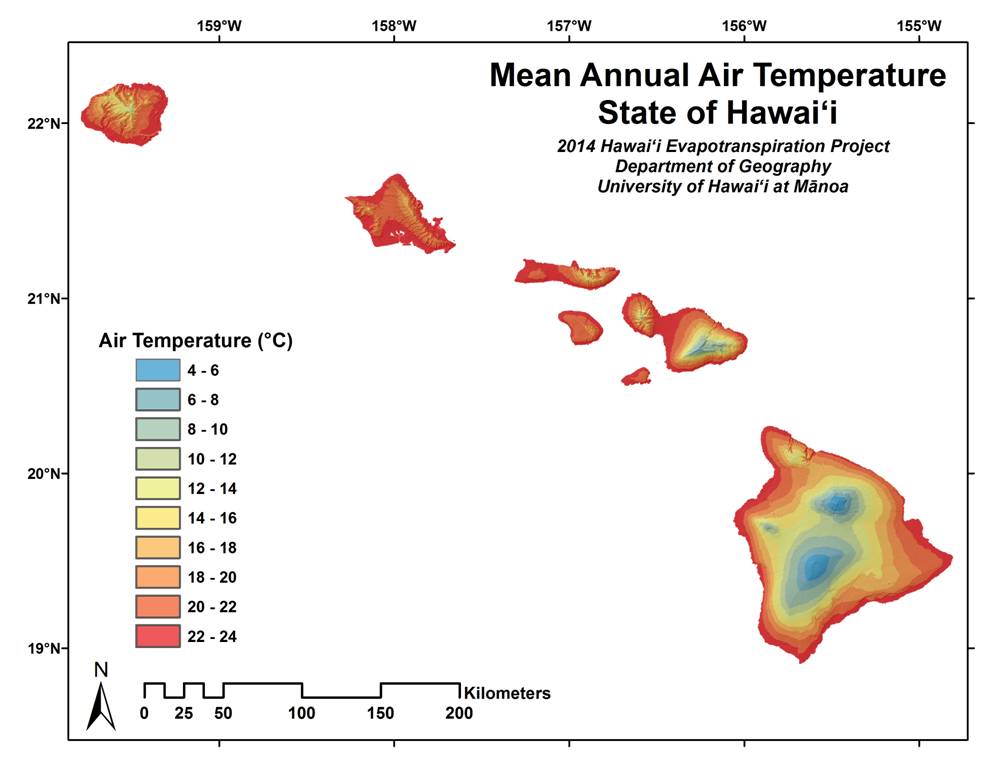
At a glance, Hawaii offers a consistently warm and pleasant environment. The average daytime temperature hovers between 75°F (24°C) and 85°F (29°C) throughout the year, with nights typically cooling down to the mid-60s to low-70s F (18-23°C). This stability is due to Hawaii’s latitude within the tropics and the moderating influence of the vast Pacific Ocean. However, beneath this general warmth lies a sophisticated interplay of factors that create distinct climate zones within each island, often just a short drive apart.
The Influence of Elevation and Trade Winds
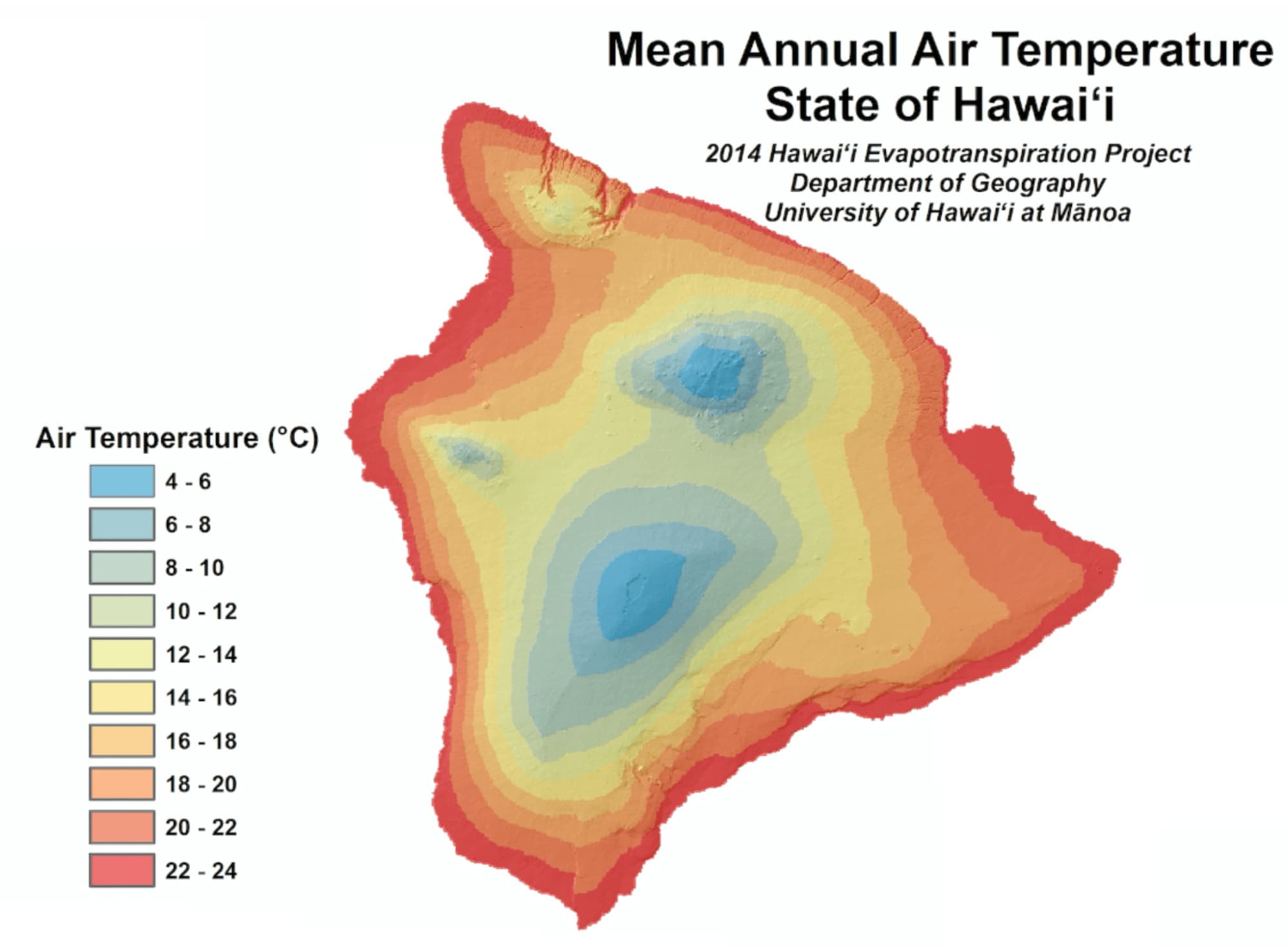
One of the most significant determinants of local temperature in Hawaii is elevation. The islands are formed by volcanoes, leading to dramatic changes in altitude from sea level up to towering peaks like Mauna Kea on the Big Island or Haleakala National Park on Maui. For every 1,000 feet (approx. 300 meters) increase in elevation, temperatures drop by about 3.5°F (2°C). This means while you might be basking on a warm beach in Kona, venturing up to the Volcanoes National Park on the same island could require a jacket, or even a heavy coat if you’re stargazing at Mauna Kea’s summit, where temperatures can dip below freezing.
Another pivotal factor is the prevailing northeasterly trade winds. These winds bring moisture-laden air from the ocean, which cools and condenses as it rises over the islands’ mountainous terrain, leading to rainfall on the windward (northeastern) sides. The leeward (southwestern) sides, sheltered from these winds, tend to be drier, sunnier, and often warmer. This dynamic creates striking contrasts: lush, wet rainforests on one side and arid, sunny coastlines ideal for beach resorts on the other. For travelers, understanding this pattern is key to choosing the right destination for their preferred climate. For instance, if constant sunshine is your priority, the leeward coasts of Lahaina in Maui or Poipu in Kauai will likely offer the warmest and driest conditions.
Seasonal Nuances: A Year-Round Paradise
While Hawaii doesn’t experience the dramatic four seasons of temperate zones, there are subtle seasonal shifts. The “summer” months (May to October) are typically slightly warmer and drier, with average daytime temperatures reaching the mid-80s°F (29-30°C). The “winter” months (November to April) are marginally cooler, with averages in the upper 70s°F (25-26°C), and also tend to be wetter, especially on the windward coasts. Ocean temperatures remain remarkably consistent, ranging from a comfortable 77°F (25°C) in winter to 82°F (28°C) in summer, making swimming and water sports enjoyable year-round.
For tourism, this minimal seasonal variation means Hawaii is truly a year-round destination. Whether you’re planning a Christmas getaway, a spring break adventure, or a summer family vacation, the fundamental pleasantness of the climate remains. However, specific activities might be better suited to certain times. Winter, for example, brings larger swells to the North Shore of Oahu, drawing world-class surfers, while summer offers calmer waters ideal for snorkeling and diving.
Island-Specific Temperature Insights
Each Hawaiian island, while sharing the overarching tropical climate, presents its own unique temperature profile due to its geography, size, and specific microclimates. Understanding these distinctions is crucial for selecting the perfect island for your travel desires.
Oahu and Maui: Popular Choices
Oahu, home to the capital city of Honolulu and the iconic Waikiki Beach, offers a classic Hawaiian experience with consistently warm temperatures. Daytime averages in Waikiki hover around 80-85°F (27-29°C) in summer and 77-82°F (25-28°C) in winter. The leeward side, where most of the tourism infrastructure like The Royal Hawaiian resort is concentrated, is typically sunny and dry. Venturing towards the wetter, windward side or up into the Ko’olau mountains near landmarks like Diamond Head, you’ll experience slightly cooler, breezier conditions.
Maui, known for its luxurious resorts and diverse landscapes, also offers comfortable temperatures. The popular leeward areas of Lahaina, Ka’anapali, and Wailea (home to resorts like the Grand Wailea) consistently enjoy warm, sunny weather, with temperatures mirroring Oahu’s averages. However, Maui’s significant elevation changes, particularly with the dormant volcano Haleakala, create dramatic temperature shifts. The summit of Haleakala can drop to near freezing, especially at sunrise, making warm layers absolutely essential for visitors. Even the cowboy town of Makawao in upcountry Maui is noticeably cooler than the coast.
Big Island’s Diverse Climates
The Big Island of Hawaii is a marvel of climatic diversity, boasting 8 to 10 of the world’s 13 climate zones. This means you can go from tropical rainforests in Hilo to sun-drenched beaches in Kona to alpine tundra on Mauna Kea, all in a single day. The Kona coast (leeward) is typically hot and dry, with daily highs in the mid-80s°F (29-30°C) and little rainfall, making it a hotspot for resorts like the Four Seasons Hualalai. Hilo (windward), on the other hand, is significantly wetter and slightly cooler, with average highs in the low 80s°F (27-28°C) but often feeling fresher due to more cloud cover and rain. The slopes of Mauna Kea and Mauna Loa offer significantly colder temperatures, particularly at night, and even experience snow during winter months.
Kauai’s Lush Greenery and Mild Temperatures

Kauai, the “Garden Isle,” is characterized by its lush, green landscapes and dramatic cliffs, notably the Na Pali Coast. Its temperatures are generally slightly milder than Oahu or Maui, averaging around 75-80°F (24-27°C) year-round. The South Shore, particularly around Poipu, is the sunniest and driest area, offering pleasant warmth. The North Shore and interior, while incredibly scenic, receive more rainfall and tend to be a bit cooler and more humid, contributing to the island’s vibrant greenery. For those seeking a slightly less intense heat with abundant natural beauty, Kauai is an excellent choice.
Planning Your Hawaiian Getaway: Temperature & Activities
Understanding Hawaii’s temperature patterns is not just about curiosity; it’s a practical guide to maximizing your travel experience. From packing the right attire to scheduling your outdoor adventures, temperature plays a pivotal role in every aspect of your Hawaiian journey.
Packing for Paradise: What to Bring
Given the generally warm climate, light and breathable clothing is standard. Think shorts, t-shirts, sundresses, and swimwear. However, due to the varied microclimates, versatility is key. Even if you’re staying in a warm coastal area, you’ll want to pack a light jacket or sweater for cooler evenings, air-conditioned interiors, or early morning excursions. If your itinerary includes venturing to higher elevations, such as Haleakala or Mauna Kea, a heavier jacket, long pants, and closed-toe shoes are essential. For those visiting the windward sides or during the wetter winter months, a light rain jacket or umbrella can be beneficial. Sun protection, including hats, sunglasses, and reef-safe sunscreen, is a year-round necessity, regardless of temperature.
Activities for Every Climate
Hawaii’s diverse temperatures unlock an incredible array of activities. On the sunny leeward coasts, the warm, clear waters are perfect for snorkeling, diving, paddleboarding, and simply relaxing on the beach. Water temperatures are consistently inviting, allowing for extended periods in the ocean.
For those who enjoy a more active pursuit, the slightly cooler temperatures and increased rainfall in higher elevations or windward areas create ideal conditions for hiking through lush rainforests to stunning waterfalls. Imagine exploring the trails in Waimea Canyon on Kauai or trekking through the volcanic landscapes of the Big Island, where the cooler air makes the exertion more manageable.
Even during the “cooler” winter months, the ocean remains warm enough for swimming, though larger swells on certain coasts attract world-class surfing enthusiasts, turning beaches like Sunset Beach on Oahu into prime viewing spots. Cultural experiences, such as visiting Pearl Harbor or attending a Luau, are comfortably enjoyed regardless of the slight temperature variations, though evening events might call for a light wrap.
Comfort and Accommodation: Embracing the Aloha Temperature
The ambient temperatures in Hawaii greatly influence the design, amenities, and overall experience offered by its vast array of accommodations. From sprawling luxury resorts to intimate boutique hotels and charming vacation rentals, the local climate is a central consideration.
Selecting Your Ideal Stay: Resorts and Villas
Most modern hotels and resorts in Hawaii are equipped with air conditioning, ensuring maximum comfort even on the warmest days. However, many accommodations also embrace open-air designs, taking advantage of the constant trade winds to provide natural ventilation and a refreshing breeze. When booking, consider your personal preference: do you prefer a sealed, air-conditioned environment, or do you relish the natural airflow and sounds of the tropics filtering into your room? Many high-end suites and villas offer large lanais (balconies) or outdoor living spaces that allow guests to fully immerse themselves in the pleasant Hawaiian air.
Beyond the room itself, the amenities offered by resorts are often climate-driven. Expansive pools, swim-up bars, and oceanfront dining areas are designed to provide relief and enjoyment in the warm weather. Resorts strategically located on leeward coasts, such as those in Wailea or Kona, often feature more extensive outdoor facilities due to their consistently sunny and warm conditions. Conversely, properties nestled in cooler, lush areas might emphasize cozy common spaces and proximity to hiking trails.
Embracing Indoor-Outdoor Living
The balmy Hawaiian temperatures foster a unique indoor-outdoor lifestyle that permeates everything from architectural design to daily routines. Many homes and vacation apartments are built with large sliding doors that blur the lines between living spaces and lanais, inviting the gentle breezes and fragrant air inside. Dining al fresco is a staple, from casual beachside cafes to gourmet restaurant patios. The consistently pleasant temperatures also make outdoor activities a daily possibility, contributing to the healthy and active local culture.
For travelers, embracing this lifestyle means spending more time outdoors, whether it’s enjoying breakfast on a balcony, swimming late into the evening, or simply strolling through resort gardens. The comfort of the Hawaiian climate allows for spontaneous plans and an unhurried pace, perfectly embodying the relaxed Aloha Spirit. Whether you’re seeking a luxurious escape or a budget-friendly adventure, the ambient temperatures ensure that most of your time can be comfortably spent exploring, relaxing, and enjoying the natural beauty of the islands.
In conclusion, while the answer to “What is the temperature in Hawaii?” is broadly “warm and pleasant,” a deeper understanding reveals a nuanced climate profile that varies by island, elevation, and season. This rich diversity is precisely what makes Hawaii such a captivating destination, offering tailored experiences for every traveler. By considering these temperature insights, you can optimize your packing, plan your activities, and select the perfect accommodation to ensure your Hawaiian adventure is as comfortable and unforgettable as the islands themselves.
LifeOutOfTheBox is a participant in the Amazon Services LLC Associates Program, an affiliate advertising program designed to provide a means for sites to earn advertising fees by advertising and linking to Amazon.com. Amazon, the Amazon logo, AmazonSupply, and the AmazonSupply logo are trademarks of Amazon.com, Inc. or its affiliates. As an Amazon Associate we earn affiliate commissions from qualifying purchases.