
Nestled on the eastern coast of the Big Island of Hawaii, Hilo offers a distinctly different Hawaiian experience compared to its sun-drenched western counterpart, Kona. Known for its lush rainforests, dramatic waterfalls, active volcanic landscapes, and a vibrant local culture, Hilo is a haven for travelers seeking authentic experiences, outdoor adventures, and a deep dive into the island’s natural beauty. Far from the bustling resorts, Hilo provides a laid-back atmosphere where the rhythm of life is slow, the aloha spirit is palpable, and the wonders of nature are always just around the corner.
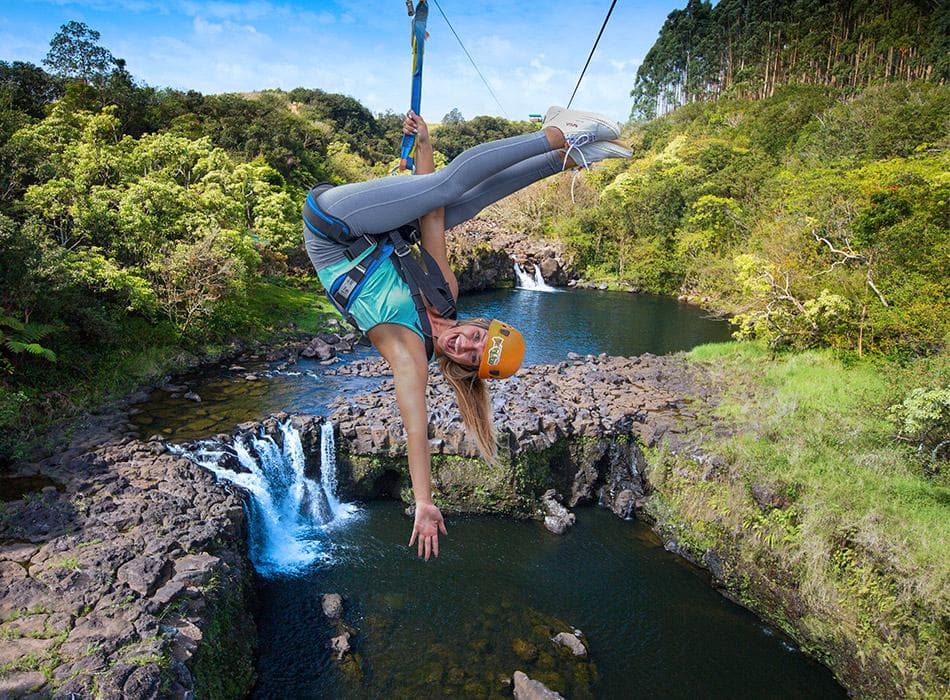
This guide will take you through the myriad attractions, activities, and experiences that make Hilo an unforgettable destination. Whether you’re a nature enthusiast, a culture seeker, a food lover, or simply looking for a tranquil escape, Hilo has something to captivate every type of traveler. We’ll explore everything from iconic landmarks and thrilling outdoor pursuits to charming local eateries and unique accommodation options, ensuring your trip to this extraordinary corner of the world is nothing short of spectacular.
Discovering Hilo’s Natural Wonders and Outdoor Adventures
Hilo is a gateway to some of the most breathtaking natural phenomena in Hawaii. Its abundant rainfall nourishes verdant landscapes, creating a paradise of waterfalls, tropical gardens, and a vibrant ecosystem waiting to be explored. The proximity to one of the world’s most active volcanoes further cements Hilo’s status as a prime destination for natural exploration.
Chasing Waterfalls: Iconic Cascades of the Big Island
The area surrounding Hilo is famous for its majestic waterfalls, easily accessible and offering stunning photo opportunities. No visit to Hilo would be complete without witnessing the power and beauty of these natural wonders.
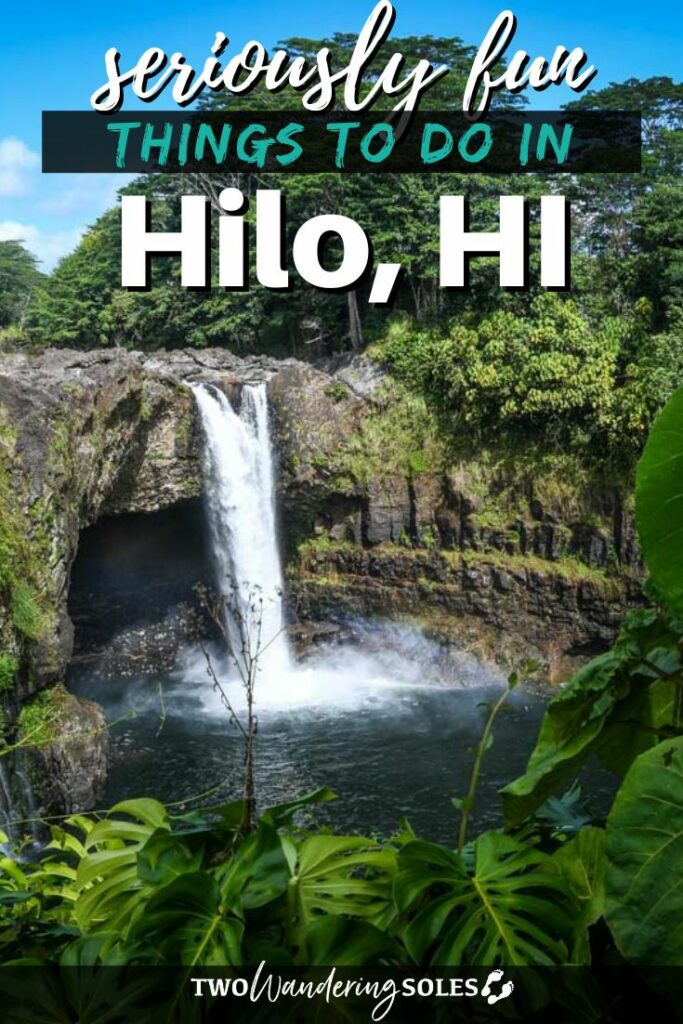
One of the most iconic and easily accessible is Rainbow Falls (Waiānuenue), located just a short drive from downtown Hilo on the Wailuku River. This 80-foot waterfall gets its name from the rainbows often visible in its mist, especially in the morning sun. The viewing area is well-maintained, and a short walk up a paved path leads to an ancient banyan tree grove and a higher vantage point for the falls. It’s a perfect spot for a quick, scenic stop and offers a taste of the island’s lush beauty.
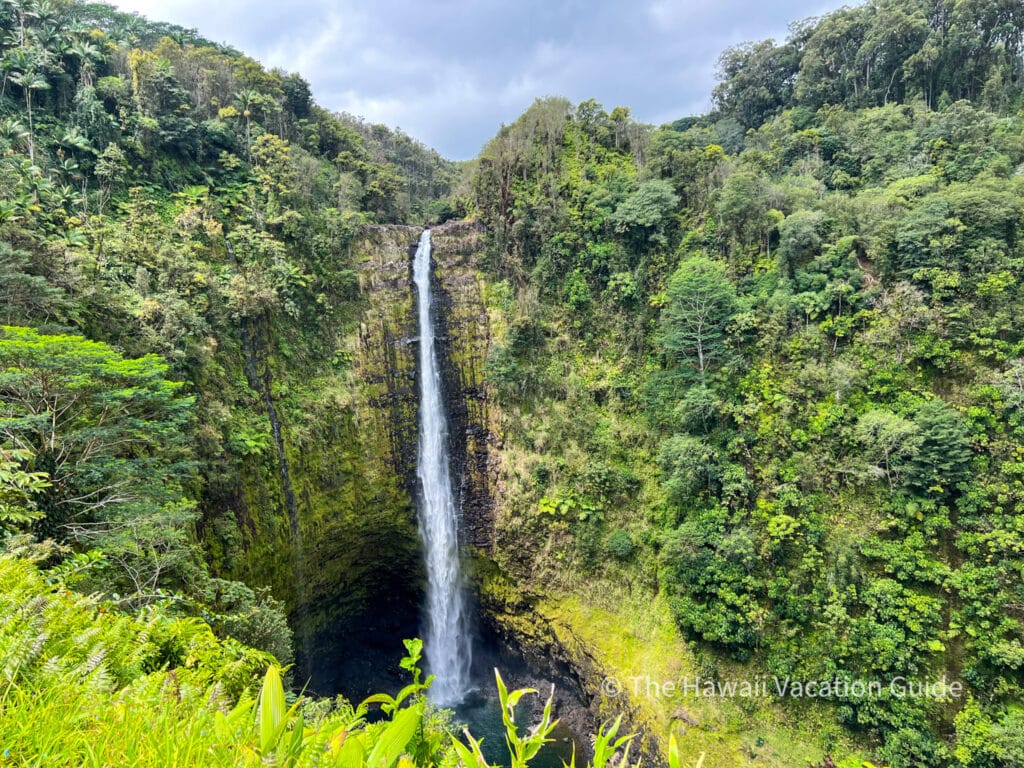
Further north, a scenic drive along the Hamakua Coast will lead you to Akaka Falls State Park. Here, a paved loop trail through a dense rainforest unveils not one, but two magnificent waterfalls. The primary attraction is Akaka Falls itself, a stunning 442-foot cascade plunging into a deep gorge, surrounded by lush vegetation, ferns, and exotic orchids. Along the trail, you’ll also encounter the smaller but equally picturesque Kahuna Falls. The park offers an immersive experience into Hawaii’s diverse flora and fauna, making it a must-visit for nature lovers and photographers.
Volcanic Majesty and Lush Gardens: A Symphony of Earth and Flora
Hilo serves as the perfect base for exploring Hawaii Volcanoes National Park, a UNESCO World Heritage Site and home to two of the world’s most active volcanoes: Kīlauea and Mauna Loa. The park offers unparalleled opportunities to witness the raw power of creation and destruction. Visitors can drive the scenic Crater Rim Drive and Chain of Craters Road, explore ancient lava tubes like the Thurston Lava Tube (Nahuku), hike across solidified lava fields, and potentially even witness glowing lava flows, depending on volcanic activity. Iconic sights include the Steam Vents, the Jaggar Museum overlook (check current status as some areas may be closed due to volcanic activity), and the Puʻu Loa Petroglyph Fields. Staying at Volcano House inside the park, or nearby, offers an incredible chance to see the caldera at night.
For a contrasting yet equally stunning natural experience, the Hawaii Tropical Botanical Garden is a true gem. Situated in a scenic oceanfront valley just north of Hilo, this 40-acre “museum of living plants” boasts an astonishing collection of tropical flora. Walk through well-maintained trails amidst towering palms, vibrant orchids, bromeliads, heliconias, and cascading waterfalls. It’s a tranquil oasis where you can spend hours admiring the beauty and diversity of the plant kingdom, often spotting various bird species as well.
Another delightful natural escape is the Panaʻewa Rainforest Zoo and Gardens. As the only natural tropical rainforest zoo in the United States, it offers a unique experience. Admission is free, and visitors can see a white Bengal tiger, various monkeys, colorful birds, and many indigenous Hawaiian species, all set within a lush botanical garden environment. It’s a fantastic spot for families and provides an excellent opportunity to learn about the island’s wildlife and plant life.
Coastal Beauty and Ocean Activities: Exploring Hilo Bay and Beyond
While Hilo’s beaches aren’t typically the white-sand, sunbathing type found on the western side of the island, they offer unique beauty and recreational opportunities, particularly for snorkeling and picnicking. Hilo Bay itself is a picturesque crescent, often dotted with outrigger canoes and fishing boats.
For a relaxing stroll or picnic, the Japanese-style Liliʻuokalani Gardens offer a serene experience. Located on a peninsula within Hilo Bay adjacent to Coconut Island (Mokuola), these 30 acres of exquisitely landscaped grounds feature pagodas, ponds, rock gardens, and arching bridges, honoring the first Japanese immigrants to Hawaii. Coconut Island, accessible via a footbridge, is a popular spot for swimming, picnicking, and simply enjoying the scenic views of the bay and Mauna Kea in the distance.
For safe swimming and snorkeling, Carlsmith Beach Park (often called Four Mile) and Richardson Ocean Park are local favorites. These parks feature natural rock walls and shallow, clear pools protected from the open ocean, making them ideal for families. You’re likely to spot green sea turtles (honu) gracefully gliding through the water here. Onekahakaha Beach Park also offers calm, shallow waters protected by a breakwater, perfect for young children. For surfing and bodyboarding, depending on conditions, Honoli’i Beach Park is a well-known spot, especially popular with locals.
Adventure seekers might also explore the unique geological formations of the Kaumana Caves. Formed by a lava flow from Mauna Loa in 1881, these lava tubes offer a fascinating glimpse into the island’s volcanic past. With a flashlight, visitors can venture into the accessible portions of these cool, dark caverns, an experience that feels like stepping onto another planet.
Immersing Yourself in Hilo’s Rich Culture and Local Charm
Beyond its natural beauty, Hilo boasts a rich cultural tapestry, deeply rooted in Hawaiian traditions and influenced by a diverse mix of immigrant communities. Downtown Hilo is the heart of this cultural experience, offering a blend of historic architecture, local eateries, unique shops, and vibrant markets.
Historic Downtown Hilo and Culinary Delights
Downtown Hilo is a delightful area to explore on foot. Many of its charming buildings date back to the early 20th century, having survived tsunamis that devastated the town in 1946 and 1960. Today, these historic structures house art galleries, boutique shops, and a variety of restaurants serving everything from traditional Hawaiian fare to Asian fusion and classic American dishes. The area exudes an old-Hawaii charm, unhurried and authentic.
No visit to Hilo is complete without sampling the local cuisine. The Big Island is a melting pot of flavors, and Hilo provides ample opportunities to indulge. Try a traditional Hawaiian plate lunch with kalua pork, lomi salmon, and poi. Sample fresh poke from a local deli or fish market. Don’t miss out on unique local treats like malasadas (Portuguese donuts) or shave ice. For a true taste of local life, explore the various food stalls and eateries in Downtown Hilo. Many restaurants focus on farm-to-table concepts, utilizing fresh produce from the island’s fertile lands.
Museums, Markets, and Cultural Experiences
For a deeper understanding of Hilo’s history and culture, several museums offer fascinating insights. The Pacific Tsunami Museum recounts the devastating tsunamis that shaped the town, sharing survivor stories and scientific information, serving as a poignant reminder of nature’s power and the resilience of the local community. The Lyman Museum & Mission House offers a dual experience: the Mission House, built in 1839, is the oldest standing frame house in Hilo and provides a glimpse into early missionary life, while the museum showcases Hawaiian natural and cultural history, including minerals, shells, and artifacts.
The Hilo Farmers Market is a vibrant hub of activity, especially on Wednesdays and Saturdays. This open-air market is one of the best in Hawaii, offering an incredible array of fresh local produce, exotic fruits (like rambutan, mangosteen, and lychee), macadamia nuts, coffee, artisanal crafts, and delicious prepared foods. It’s a fantastic place to interact with local vendors, soak in the community atmosphere, and pick up unique souvenirs.
For a celestial experience, the Imiloa Astronomy Center of Hawaii provides a bridge between Hawaiian culture and astronomical discovery. Located on the University of Hawaii at Hilo campus, it features a state-of-the-art planetarium, interactive exhibits, and beautiful gardens, highlighting the relationship between ancient Polynesian navigation and modern astronomy, particularly in relation to the observatories on Mauna Kea.
Planning Your Stay: Accommodation and Travel Tips
Making the most of your Hilo adventure involves smart planning, particularly when it comes to finding the right place to stay and navigating the island. Hilo’s accommodation scene caters to a range of preferences, from historic hotels to cozy vacation rentals, ensuring every traveler finds their perfect home away from home.
Finding Your Perfect Hilo Accommodation
Hilo offers a diverse selection of accommodation options, often reflecting its less commercialized character. Unlike Kona, you’ll find fewer massive chain resorts and more boutique hotels, charming bed & breakfasts, and vacation rentals that provide a more intimate and local experience.
For those seeking a comfortable hotel stay with amenities, options like the Grand Naniloa Hotel Hilo – a DoubleTree by Hilton or the Castle Hilo Hawaiian Hotel offer convenient access to Hilo Bay, Coconut Island, and downtown attractions. These properties often feature swimming pools, on-site dining, and comfortable rooms, making them suitable for both families and couples.
Travelers on a budget might appreciate options like The Dolphin Bay Hotel, known for its friendly atmosphere and garden setting. For a more unique or long-term stay experience, vacation rentals (apartments, villas, or even entire homes) are abundant. These can be ideal for families, groups, or those looking to immerse themselves fully in the local lifestyle, often featuring kitchens and laundry facilities. Booking in advance, especially during peak seasons, is highly recommended to secure your preferred choice and often yields better rates. Reading reviews and comparing amenities is key to finding the perfect fit for your lifestyle and travel needs.
Practical Tips for a Memorable Hilo Trip
To truly enjoy your time in Hilo, a few practical tips can make a big difference:
- Rental Car is Essential: While Downtown Hilo is walkable, exploring the waterfalls, Hawaii Volcanoes National Park, and other attractions requires a rental car. Book it well in advance, especially during peak travel times.
- Pack for Rain: Hilo is known for its lushness, which means rain. Bring a lightweight rain jacket or umbrella, and waterproof shoes. The weather can change quickly, so layers are always a good idea.
- Embrace the Pace: Hilo operates on “island time.” Things move at a relaxed pace, so adjust your expectations and simply enjoy the slower rhythm of life.
- Respect Local Culture: The people of Hilo are welcoming and proud of their heritage. Be respectful of local customs, traditions, and the
ʻāina(land). - Safety First at Beaches: Always be mindful of ocean conditions. While many Hilo beaches offer protected swimming areas, strong currents can exist. Check local conditions and heed warnings.
- Support Local Businesses: From the Hilo Farmers Market to small boutiques and restaurants, supporting local businesses contributes directly to the community’s well-being.
- Explore Beyond Hilo: While Hilo itself has plenty to offer, its east side location makes it a great base for exploring unique areas like the Puna District (around Pahoa and Kalapana), the scenic Hamakua Coast with its dramatic valleys like Waipi’o Valley and Pololū Valley lookouts.
Whether you’re planning a luxury escape, a budget-friendly adventure, a family vacation, or a solo exploration, Hilo presents a unique and unforgettable Hawaiian experience. Its blend of breathtaking natural beauty, rich cultural heritage, and genuine local charm makes it a destination that truly caters to the heart of every traveler.
LifeOutOfTheBox is a participant in the Amazon Services LLC Associates Program, an affiliate advertising program designed to provide a means for sites to earn advertising fees by advertising and linking to Amazon.com. Amazon, the Amazon logo, AmazonSupply, and the AmazonSupply logo are trademarks of Amazon.com, Inc. or its affiliates. As an Amazon Associate we earn affiliate commissions from qualifying purchases.