
Nestled on the eastern coast of Hawaii’s Big Island, Hilo offers a distinctly different vibe from its sunnier, more tourist-centric counterpart, Kona. Often referred to as the “Rainy City” due to its lush, verdant landscapes, Hilo is a gateway to dramatic waterfalls, active volcanoes, rich Polynesian history, and a vibrant local culture. For travelers seeking an authentic Hawaiian experience that delves deeper than pristine beaches and resorts, Hilo presents a captivating array of attractions and activities. This comprehensive travel guide will navigate you through the must-see landmarks and hidden gems, helping you craft an unforgettable itinerary, whether you’re planning a family vacation, a romantic escape, or an adventurous solo trip.
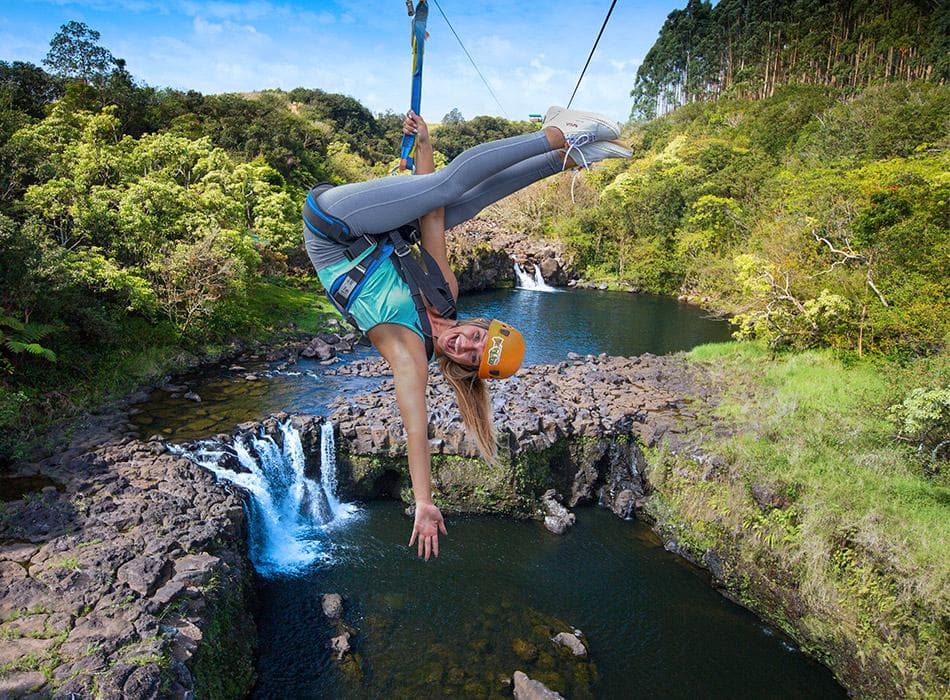
From majestic cascades tumbling into emerald pools to otherworldly volcanic landscapes, Hilo’s natural beauty is unparalleled. Beyond its geological wonders, the town boasts a thriving local culture, preserved history, and a culinary scene that reflects the island’s diverse heritage. Understanding how to best experience Hilo involves appreciating its unique climate, embracing its laid-back pace, and choosing the right accommodation to suit your lifestyle and preferences.
Discovering Hilo’s Natural Wonders
Hilo is a paradise for nature lovers, boasting a landscape shaped by ancient volcanoes and abundant rainfall. The result is a series of stunning waterfalls, lush botanical gardens, and dramatic coastlines that showcase the raw power and serene beauty of Mother Nature. Venturing out to these sites offers not only breathtaking views but also a deeper connection to the island’s ecological diversity.
Breathtaking Waterfalls and Lush Gardens
The region around Hilo is renowned for its spectacular waterfalls, each offering a unique visual treat and photographic opportunity. The consistent rainfall ensures these cascades are always flowing with impressive power, creating vibrant rainbows in their mist.
One of the most accessible and iconic waterfalls is Rainbow Falls, just a short drive from downtown Hilo. Tucked within Wailuku River State Park, this 80-foot cascade is famous for the rainbows that form in its mist, especially on sunny mornings, living up to its name. The best time to witness this natural phenomenon is early in the day, when the sun’s rays hit the falls at just the right angle. Above the falls, you can explore the lava tube cave system and enjoy panoramic views of the lush surroundings. The park itself is easy to navigate, making it a perfect quick stop for families or those with limited mobility.
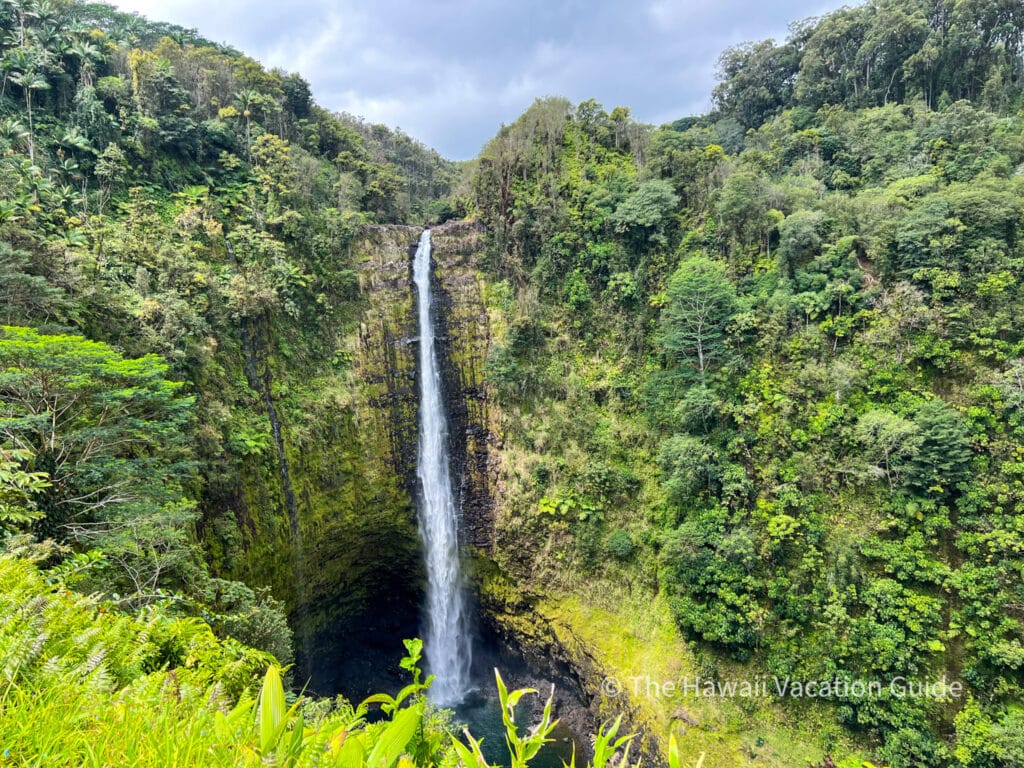
A bit further afield, but absolutely worth the journey, is Akaka Falls State Park. This park is home to two magnificent waterfalls: the impressive Akaka Falls plunging 442 feet into a gorge, and the equally beautiful, though smaller, Kahuna Falls at 100 feet. A paved loop trail, about 0.4 miles long, winds through a vibrant rainforest filled with towering bamboo, wild orchids, and fern-covered trees, leading visitors to stunning viewpoints of both cascades. The lush tropical foliage creates a serene and immersive experience, making it feel like you’ve stepped into another world. The sounds of the jungle birds and the rushing water provide a natural soundtrack to this picturesque hike.
For those who appreciate cultivated natural beauty, the Hawaii Tropical Bioreserve & Garden is a must-visit. Located along the scenic Hamakua Coast, this incredible 40-acre garden is a living museum of tropical plants. Over 2,000 species of flora from around the world thrive here, including rare orchids, bromeliads, heliconias, and palms. Winding pathways lead visitors through dense rainforest, past cascading streams, and to hidden waterfalls, all while offering breathtaking views of the Pacific Ocean. It’s an ideal spot for a leisurely stroll, photography, or simply soaking in the tranquil ambiance. This garden provides not just beauty, but also an educational insight into global botanical diversity and conservation efforts.
Closer to downtown Hilo, the serene Liliuokalani Gardens offer a peaceful escape. These 30 acres of authentic Japanese gardens are named after Hawaii’s last reigning monarch, Queen Liliʻuokalani. Dedicated in 1917, the gardens feature pagodas, stone lanterns, arching bridges over fishponds, and meticulously manicured plants, all designed in traditional Japanese style. It’s a perfect place for quiet contemplation, a morning jog, or a family picnic, offering stunning views across Hilo Bay to Mauna Kea on clear days. The gardens also serve as a beautiful backdrop for local events and gatherings, reflecting the rich multicultural tapestry of the Big Island.
Volcanic Landscapes and Coastal Beauty
The Big Island is synonymous with volcanoes, and Hilo’s proximity to one of the world’s most active volcanoes makes it an unparalleled base for exploring these geological wonders. The dynamic landscape offers a stark contrast to the lush greenery, showcasing the island’s ongoing creation.
Undoubtedly, the crown jewel of the Big Island’s natural attractions is Hawaii Volcanoes National Park, a UNESCO World Heritage Site. Located just about a 45-minute drive southwest of Hilo, this park offers visitors a rare opportunity to witness active volcanism. Home to two of the world’s most active volcanoes, Kīlauea and Mauna Loa, the park presents an ever-changing landscape of craters, steam vents, and solidified lava fields. The Kīlauea Visitor Center provides essential information, including current viewing conditions and safety guidelines. Highlights within the park include the iconic Kīlauea Caldera (Halema‘uma‘u crater), the dramatic Thurston Lava Tube (Nāhuku), and various scenic drives like the Crater Rim Drive and Chain of Craters Road that lead to ocean entries of past lava flows. Checking the park’s official website for real-time updates on lava viewing is crucial for planning your visit. The raw power and constant transformation of this landscape provide an awe-inspiring glimpse into the Earth’s geological processes.
Beyond the volcanic heartland, Hilo’s coastline offers its own unique allure. A visit to Punalu’u Black Sand Beach is a captivating experience. Located about an hour south of Hilo, this striking beach features jet-black sand, formed from fragmented lava flows that enter the ocean and rapidly cool. It’s a popular spot for viewing endangered green sea turtles (honu) basking on the warm sand, so remember to keep a respectful distance. While swimming can be hazardous due to strong currents, the unique geology and wildlife viewing make it a memorable stop. The contrast of the dark sand against the turquoise waters and green palms creates a stunning visual tableau.
Closer to Hilo, Richardson Ocean Park offers a more accessible coastal experience. Known for its calm, protected tide pools and a small black sand beach, it’s a favorite among locals and visitors for snorkeling, swimming, and picnicking. The water here is often clearer and calmer than other spots on the east side, making it ideal for families. The reef near the shore hosts a variety of colorful fish, and occasionally, sea turtles can be spotted swimming peacefully. It’s a perfect place to spend a relaxed afternoon enjoying the ocean without venturing too far from town.
Immersing in Hilo’s Culture and History
Hilo is more than just a gateway to natural wonders; it’s a vibrant hub of Hawaiian culture and history, deeply rooted in its past as a sugar plantation town and its resilience in the face of natural disasters. Exploring its museums, historic sites, and local markets offers a rich insight into the lives and traditions of its people. For those interested in local culture and meaningful experiences, Hilo provides ample opportunities.
Museums and Historical Sites
The town of Hilo has a compelling story to tell, much of which is preserved and presented in its excellent museums. These institutions offer a window into Hawaii’s past, from its geological origins to its vibrant cultural evolution.
The Pacific Tsunami Museum stands as a poignant reminder of Hilo’s resilience and its place in the Ring of Fire. Located in a historic bank building downtown, the museum chronicles the devastating tsunamis that struck Hilo in 1946 and 1960. Through personal accounts, exhibits, and educational displays, visitors learn about the science of tsunamis, the history of warning systems, and the profound impact these natural events had on the community. It’s a moving and educational experience that fosters a deeper appreciation for the power of the ocean and the strength of the human spirit.
For a journey through the cosmos and Polynesian navigation, the Imiloa Astronomy Center of Hawaii is an illuminating stop. Situated on the slopes of Mauna Kea, a dormant volcano considered sacred and a premier site for astronomical observation, this center bridges ancient Hawaiian wisdom with modern scientific discovery. Exhibits explore traditional Polynesian navigation techniques using stars and currents, showcasing the ingenuity of early Hawaiian voyagers. Its planetarium offers captivating shows that transport viewers through space and time, making complex astronomical concepts accessible and engaging for all ages. The center emphasizes the cultural significance of Mauna Kea and the indigenous perspective on the universe, creating a truly unique educational experience.
The Lyman Museum & Mission House provides a dual perspective on Hawaii’s natural and cultural history. The Mission House, built in 1839, is the oldest standing wooden structure on the Big Island and offers a glimpse into the lives of early American missionaries. Adjacent to it, the Lyman Museum houses extensive collections detailing the natural history of Hawaii, from its volcanic origins to its diverse ecosystems, alongside exhibits on native Hawaiian culture and the various immigrant groups who shaped the island’s identity. From ancient tools and artwork to geological specimens, the museum offers a comprehensive overview of the island’s heritage, making it an essential visit for history buffs and anyone keen to understand the island’s rich tapestry.
Local Flavors and Vibrant Markets
No visit to Hilo is complete without indulging in its local flavors and experiencing the bustling atmosphere of its markets. This is where you can truly connect with the island’s pulse, taste authentic cuisine, and interact with local vendors.
The Hilo Farmers Market is an institution, consistently ranked among the best farmers’ markets in the United States. Open daily, but particularly vibrant on Wednesdays and Saturdays, it’s a sensory feast. Here, you’ll find an abundance of fresh, locally grown produce, tropical fruits you might have never seen before, macadamia nuts, coffee, and a stunning array of fresh-cut flowers. Beyond produce, the market is a treasure trove of local crafts, artisan goods, and delicious prepared foods. Sampling exotic fruits like rambutan, lychee, and longan, or grabbing a plate of hot, fresh spring rolls or a local pastry, is an integral part of the Hilo experience. It’s an ideal spot to pick up souvenirs and gifts while supporting local businesses and getting a true taste of island life.
Hilo’s culinary scene reflects its multicultural heritage. Don’t leave without trying local specialties like poi (a staple made from taro), fresh poke (raw fish salad), kalua pig (slow-cooked pork often served at luaus), and sweet malasadas (Portuguese-inspired doughnuts). For a true local classic, head to Cafe 100, the self-proclaimed “Home of the Loco Moco.” This hearty dish, a Hawaiian comfort food, typically consists of white rice, topped with a hamburger patty, a fried egg, and brown gravy – a delicious and filling meal that perfectly encapsulates the island’s fusion cuisine. Exploring Hilo’s eateries, from roadside stands to more formal restaurants, is an adventure in itself, revealing the diverse flavors that make up the Big Island’s gastronomic landscape.
Where to Stay and How to Experience Hilo
Planning your stay in Hilo is just as important as deciding what to see. The right accommodation can enhance your travel experience, providing comfort and convenience after a day of exploration. Moreover, understanding the practicalities of getting around and embracing the local pace will ensure your trip runs smoothly. Our travel guides often emphasize the importance of these practical considerations for a truly fulfilling journey.
Accommodation Options for Every Traveler
Unlike Kona with its abundance of sprawling resorts, Hilo offers a more understated selection of hotels and accommodations, reflecting its less touristy, more authentic Hawaiian character.
For those seeking traditional hotel amenities and convenient locations, several reputable hotels dot the Hilo Bay area. The Grand Naniloa Hotel Hilo, part of the DoubleTree by Hilton brand, offers comfortable rooms, a golf course, and stunning views of Hilo Bay and Mauna Kea. Its proximity to downtown Hilo and attractions like the Liliuokalani Gardens makes it a popular choice. Similarly, the Hilo Hawaiian Hotel provides a classic island experience with oceanfront rooms, a swimming pool, and easy access to shops and restaurants. These hotels cater well to both family trips and business stays, offering a good balance of comfort and convenience.
For travelers looking for more space, privacy, or a longer long-term stay, vacation rentals are an excellent option. You can find charming apartments, cozy villas, or entire homes available for rent through various platforms. These options often come with kitchens, allowing for self-catering, which can be a great way to save money and enjoy fresh local produce from the Hilo Farmers Market. Many vacation rentals also offer a more immersive neighborhood experience, letting you live more like a local. Reading reviews and doing a careful comparison when booking is always recommended to ensure the property meets your expectations.
If you’re interested in budget travel or a more unique local flair, consider guesthouses or smaller inns. Places like Arnott’s Lodge and Hiking Adventures offer a mix of dormitory-style rooms and private suites, often with a focus on outdoor activities and a communal atmosphere, ideal for solo travelers or those looking to connect with fellow adventurers. On the other end of the spectrum, for those seeking luxury travel with a more exclusive feel, boutique properties such as The Inn at Kulaniapia Falls provide stunning settings, often with private access to waterfalls and bespoke experiences.

Tips for an Unforgettable Hilo Experience
To make the most of your Hilo adventure, a few practical tips can go a long way in ensuring a smooth and enjoyable trip. Tourism in Hilo is about embracing its unique characteristics.
Best Time to Visit: Hilo experiences rainfall year-round, contributing to its lushness. The driest months are generally April to October, but even during these times, expect occasional showers. The “rainy season” (November to March) brings more consistent downpours but also fewer crowds and often more dramatic waterfall flows. Regardless of when you visit, be prepared for tropical weather.
Transportation: A rental car is highly recommended for exploring Hilo and the surrounding Big Island attractions. Public transportation is limited, and many of the most spectacular sights, such as Hawaii Volcanoes National Park or Akaka Falls State Park, are not easily accessible without a vehicle. Booking in advance is advisable, especially during peak travel seasons.
Packing Essentials: Due to its climate, packing layers is key. Bring lightweight, breathable clothing, comfortable walking shoes for hikes, swimwear, reef-safe sunscreen, insect repellent, and crucially, a rain jacket or umbrella. Even on sunny days, a sudden shower can occur.
Respect Local Culture and Environment: Hawaii has a rich and sacred local culture. Always show respect for sacred sites, practice malama ‘aina (care for the land), and follow guidelines when visiting natural areas, especially regarding wildlife like sea turtles. Leave no trace and support local businesses. Engage with locals respectfully; a simple “Aloha” goes a long way.
Embrace the Pace: Hilo moves at a slower, more relaxed pace than bustling tourist centers like Waikiki. Embrace it. Don’t rush your experiences. Take time to savor a meal, linger at a viewpoint, or simply enjoy the sounds of the rainforest. This relaxed approach is part of Hilo’s charm and contributes to a truly authentic Hawaiian experience.
In conclusion, Hilo on the Big Island offers a rich tapestry of natural beauty, cultural depth, and authentic island life. From the thunderous roars of its waterfalls and the otherworldly landscapes of its volcanoes to its vibrant markets and historic sites, Hilo invites visitors to explore a side of Hawaii that is both captivating and deeply enriching. Whether you’re seeking adventure, relaxation, or cultural immersion, Hilo provides an unforgettable backdrop for your next travel adventure. Embrace its unique charm, plan your journey with these guides, and prepare to be enchanted by the magic of this remarkable Hawaiian destination.
LifeOutOfTheBox is a participant in the Amazon Services LLC Associates Program, an affiliate advertising program designed to provide a means for sites to earn advertising fees by advertising and linking to Amazon.com. Amazon, the Amazon logo, AmazonSupply, and the AmazonSupply logo are trademarks of Amazon.com, Inc. or its affiliates. As an Amazon Associate we earn affiliate commissions from qualifying purchases.