
Hawaii, the very name conjures images of sun-drenched beaches, lush volcanic landscapes, and the gentle rhythm of aloha. This archipelago, famous worldwide as a premier travel destination, holds a unique place in the tapestry of the United States of America. While its vibrant culture and breathtaking natural beauty are undeniably American in spirit today, the journey for Hawaii to officially join the union was a long and complex one, steeped in rich history, political maneuvering, and profound cultural shifts. The question of “When did Hawaii become a state of USA?” is often asked by those fascinated by its distinct identity, and the answer is August 21, 1959. On this pivotal date, Hawaii officially shed its territorial status and proudly became the 50th and most recent state admitted to the United States.
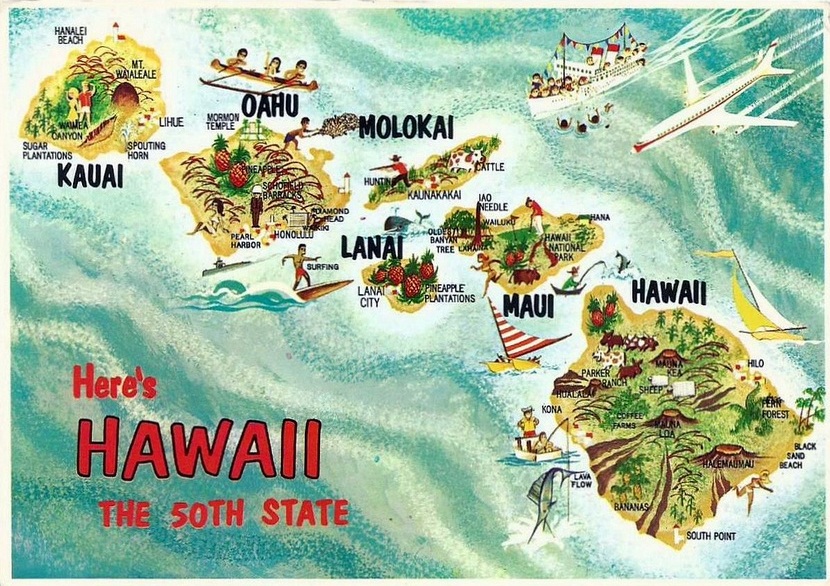
Understanding this momentous occasion requires delving into centuries of Hawaiian history, from its ancient Polynesian roots to its era as an independent kingdom, its annexation by the USA, and its eventual transformation into a modern state. For any traveler planning an unforgettable Hawaiian escape, appreciating this historical context enriches the entire experience, offering deeper insights into the landmarks, traditions, and welcoming spirit encountered across its islands.
The Long Road to Statehood: A Historical Overview
The path to Hawaii’s statehood was not a direct one, but rather a meandering journey marked by significant turning points. From isolated island kingdom to American territory, each phase left an indelible mark on the islands’ destiny.
Early Polynesian Settlement and European Contact
Long before any European navigators charted a course to the central Pacific, the Hawaiian Islands were settled by skilled Polynesian voyagers, possibly as early as 300-400 AD. These intrepid explorers brought with them their unique culture, traditions, language, and knowledge, establishing a thriving society that lasted for over a thousand years. The arrival of Captain James Cook in 1778 marked the first recorded contact with Europeans, irrevocably changing the course of Hawaiian history. His discovery opened the islands to the outside world, initiating trade, missionary efforts, and unfortunately, the introduction of foreign diseases that decimated the native population.
Despite these challenges, the late 18th and early 19th centuries saw the rise of the Kingdom of Hawaii under the formidable leadership of King Kamehameha I. Through strategic alliances and military prowess, Kamehameha united the warring chiefdoms of the major islands into a single sovereign nation, laying the groundwork for a unique Hawaiian identity that persists today. This period of independence saw Hawaii navigate complex international relations, balancing influences from various global powers while striving to maintain its sovereignty.
The Monarchy and Its Overthrow
For nearly a century, the Kingdom of Hawaii flourished, developing its own constitution, legal system, and engaging in international commerce. However, increasing foreign influence, particularly from American business interests involved in sugar plantations, gradually eroded the monarchy’s power. These powerful businessmen, many of whom were descendants of early missionaries, sought closer ties with the United States for economic and political stability.
The monarchy’s final sovereign, Queen Liliʻuokalani, ascended to the throne in 1891 with a strong desire to restore power to the Hawaiian people and resist foreign domination. Her attempts to enact a new constitution that would limit foreign influence were met with fierce opposition. In a controversial move in January 1893, a group of American and European businessmen, backed by the presence of US Marines, overthrew the Hawaiian monarchy. This event, viewed by many as an illegal act, led to the establishment of a provisional government and later the Republic of Hawaii, which was effectively controlled by the same powerful Western interests.
Annexation and Territorial Status
The newly formed Republic of Hawaii immediately pushed for annexation by the United States. While there was significant debate and opposition within the US Congress, particularly from those who questioned the legitimacy of the overthrow and the wisdom of acquiring non-contiguous territories, the strategic importance of Hawaii became undeniable, especially during the Spanish-American War in 1898. President William McKinley signed a joint resolution of annexation on July 7, 1898, formally making Hawaii a territory of the United States.
For the next six decades, Hawaii operated as a US territory, governed by an appointed governor and a locally elected legislature. During this period, its economy continued to be dominated by the sugar and pineapple industries, but its strategic military importance grew immensely, culminating in the tragic attack on Pearl Harbor on Oahu in December 1941, which propelled the United States into World War II. This event, while devastating, also showcased the loyalty and resilience of Hawaii’s diverse population, many of whom served valiantly in the American armed forces.
The Path to Becoming the 50th State
The territorial era was a period of growth and integration, but also one where the aspirations for full statehood steadily gained momentum, driven by various factors.
Post-World War II Momentum
After World War II, the calls for Hawaiian statehood intensified dramatically. The war had demonstrated Hawaii’s critical strategic importance to national security, and its citizens, who had fought and died under the American flag, felt increasingly that they deserved the same rights and representation as mainland Americans. Arguments for statehood centered on principles of democracy and equal rights. Residents of the territory paid federal taxes, yet had no voting representation in Congress and could not vote for president. Supporters also emphasized Hawaii’s economic self-sufficiency and its diverse, multicultural population as a model for American ideals.
Opposition to statehood, though dwindling, still existed. Some feared that Hawaii’s non-white majority population and unique cultural identity might not fit into the existing racial and social fabric of the United States. Others worried about the economic implications, particularly the potential impact on established agricultural interests. However, as the 1950s progressed, the overwhelming sentiment both within Hawaii and in the mainland USA shifted decisively in favor of admission.
The Hawaii Admission Act
The culmination of decades of advocacy and political effort came in 1959 with the passage of the Hawaii Admission Act. This landmark legislation, approved by the US Congress, paved the way for Hawaii to become the 50th state. Before the official proclamation, a referendum was held on June 27, 1959, where the people of Hawaii overwhelmingly voted in favor of statehood, with 94.3% of the votes cast supporting admission. This democratic mandate solidified the will of the people and provided the final necessary step.
The Official Date: August 21, 1959
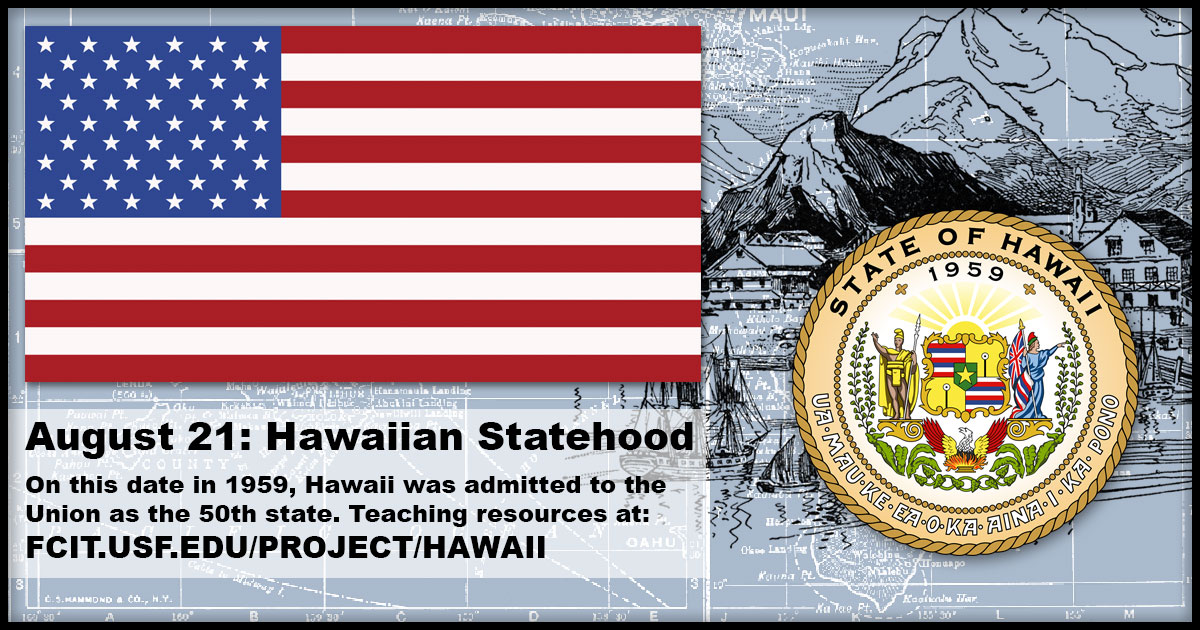
Following the affirmative vote, President Dwight D. Eisenhower officially signed the proclamation admitting Hawaii to the Union on August 21, 1959. This historic day marked the transformation of Hawaii from a remote Pacific territory into a fully integrated and equal member of the United States family. The joyous celebration across the islands reflected a sense of achievement and belonging, as residents looked forward to full representation and the promise of a new era. The American flag officially gained its 50th star, a symbol of the nation’s continued growth and diversity.
The Impact of Statehood on Hawaii
Statehood brought profound and lasting changes to Hawaii, fundamentally altering its economy, demographics, and social fabric. While bringing prosperity and political representation, it also presented new challenges to cultural preservation.
Economic and Cultural Transformations
Immediately following statehood, Hawaii’s economy experienced a significant boom. With full integration into the American economic system, investment flowed into the islands, leading to rapid development in various sectors. The shift from an agrarian economy, heavily reliant on sugar and pineapple, to one dominated by tourism and military spending accelerated dramatically. This economic expansion brought higher wages, increased job opportunities, and improved infrastructure.
Culturally, statehood cemented Hawaii’s place as a melting pot of diverse influences – Polynesian, Asian, European, and American. While the unique Hawaiian culture continued to thrive, it also faced the pressures of increased modernization and the influx of new residents and ideas from the mainland. The post-statehood era saw a renewed focus on preserving and revitalizing native Hawaiian language, traditions, and practices, a movement that continues to be a vital part of the islands’ lifestyle today.
Tourism Boom and Infrastructure Development
Perhaps the most visible and impactful change post-statehood was the explosion of tourism. No longer perceived as a distant, exotic territory, Hawaii became an accessible and highly desirable travel destination for American families and international visitors alike. Jet travel became more affordable and widespread, making the journey to the islands faster and more convenient.
This surge in visitors necessitated massive infrastructure development. Airports were expanded, new highways were built, and the iconic coastline, particularly areas like Waikiki Beach on Oahu, saw a proliferation of hotels and resorts. From luxurious suites overlooking the ocean to family-friendly apartments and secluded villas, the accommodation landscape transformed to cater to millions of annual visitors. This development, while fueling economic growth, also brought challenges, including environmental concerns and debates over land use and the impact on local communities.
Modern Hawaii: A Unique American State
Today, Hawaii stands as a testament to its incredible journey. It is a state that perfectly blends its Polynesian heritage with its American present, offering a distinct cultural mosaic found nowhere else in the USA. Its status as a state has provided its residents with federal representation, funding for essential services, and a robust framework for economic stability. Yet, it continues to grapple with unique challenges, such as the high cost of living, environmental conservation, and the ongoing efforts to honor and perpetuate native Hawaiian culture and sovereignty. For visitors, understanding this complex backdrop adds layers of appreciation to their experience of the islands, encouraging a more respectful and engaged travel style.
Experiencing Modern Hawaii: A Traveler’s Paradise
Having explored the historical path to statehood, it’s clear that Hawaii offers far more than just pristine beaches. Its rich history and unique blend of cultures make it an unparalleled destination for travelers seeking adventure, relaxation, and cultural immersion.
Iconic Landmarks and Attractions
Each of Hawaii’s main islands offers a distinctive array of attractions and landmarks. On Oahu, the bustling capital city of Honolulu boasts the vibrant energy of Waikiki Beach with its world-class surfing, dining, and entertainment. A visit to the solemn and significant Pearl Harbor National Memorial is a poignant reminder of Hawaii’s role in World War II. Hiking to the summit of Diamond Head Crater provides panoramic views of the coastline, while a drive to the North Shore offers a glimpse into Hawaii’s legendary surf culture.
On Maui, known as the “Valley Isle,” travelers can witness breathtaking sunrises from the volcanic peak of Haleakalā National Park or embark on the scenic and winding Road to Hana, revealing hidden waterfalls, black sand beaches, and lush rainforests. Kauai, the “Garden Isle,” mesmerizes with its dramatic Na Pali Coast cliffs, best explored by boat or helicopter, and the awe-inspiring depths of Waimea Canyon, often called the “Grand Canyon of the Pacific.” For those drawn to raw geological power, the Big Island (Hawaii Island) is home to Hawaii Volcanoes National Park, where visitors can witness active volcanoes and explore lava tubes, offering a direct connection to the islands’ formation. Each island presents unique travel experiences that cater to every interest.
Diverse Accommodation Options
As a world-renowned destination, Hawaii offers an incredible range of accommodation options to suit every budget and preference, from luxury travel to budget-friendly stays. For those seeking ultimate indulgence, five-star resorts like the Four Seasons Resort Maui at Wailea or the iconic pink palace, The Royal Hawaiian in Waikiki, offer unparalleled amenities, exquisite dining, and world-class service. These establishments provide everything from private villas and oceanfront suites to full-service spas and concierge guides for local activities.
Mid-range hotels and vacation apartments provide comfortable and convenient bases for exploration, often with excellent locations near popular attractions. For budget travelers or those seeking a more local experience, guesthouses, hostels, and platforms like Airbnb offer a diverse selection of choices, particularly beneficial for long-term stays or family trips. Regardless of your choice, it’s always advisable to conduct thorough comparison and read reviews before booking to ensure the perfect fit for your Hawaiian adventure.

Embracing the Local Culture and Lifestyle
Beyond its stunning landscapes and comfortable accommodations, the true magic of Hawaii lies in its local culture and laid-back lifestyle. Visitors are encouraged to immerse themselves in the “aloha spirit,” a philosophy of kindness, hospitality, and respect. This means taking the time to learn a few Hawaiian phrases, attending a traditional luau to experience Hawaiian food and dance, or simply enjoying the tranquil pace of island life.
Participating in activities like surfing, snorkeling, paddleboarding, or hiking through rainforests offers a direct connection to the islands’ natural wonders. Exploring local markets, sampling fresh poke and other unique local cuisine, and engaging with residents provides authentic insights into the contemporary Hawaiian experience. Whether you’re planning a business stay that incorporates leisure, a romantic getaway, or a multi-generational family trip, embracing the rhythm of Hawaii and respecting its cultural heritage is key to an unforgettable journey.
In conclusion, Hawaii’s journey to becoming the 50th state of the USA on August 21, 1959, is a compelling narrative of ancient roots, colonial influences, a spirited monarchy, and ultimately, a democratic decision. This historical background is not just a footnote but an integral part of what makes Hawaii such a captivating and enriching destination today. For anyone seeking to explore a place where history, culture, and unparalleled natural beauty converge, the islands of Hawaii beckon with their timeless charm and profound aloha.
LifeOutOfTheBox is a participant in the Amazon Services LLC Associates Program, an affiliate advertising program designed to provide a means for sites to earn advertising fees by advertising and linking to Amazon.com. Amazon, the Amazon logo, AmazonSupply, and the AmazonSupply logo are trademarks of Amazon.com, Inc. or its affiliates. As an Amazon Associate we earn affiliate commissions from qualifying purchases.