
Dreaming of a Hawaiian escape but worried about the cost? For many, the idea of a tropical paradise like Hawaii conjures images of pristine beaches, lush landscapes, and vibrant culture – often accompanied by a hefty price tag, especially for flights. However, with strategic planning and an understanding of the travel industry’s ebb and flow, experiencing the magic of the Aloha State doesn’t have to break the bank. Finding the cheapest time to fly to Hawaii involves a blend of seasonal awareness, booking savvy, and flexibility. This comprehensive guide will navigate you through the best times to find budget-friendly airfare, ensuring your journey to these idyllic islands is as relaxing as the destination itself.
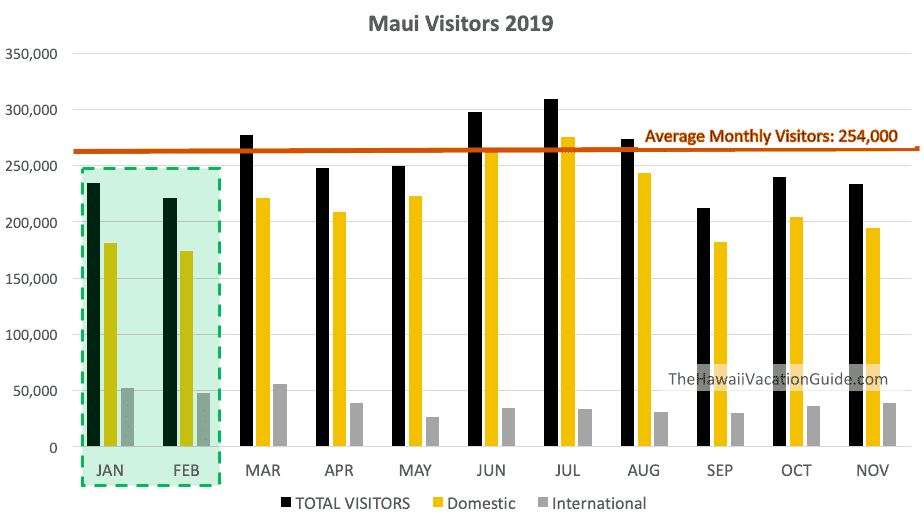
Understanding the dynamics of flight pricing requires looking beyond just the calendar. It’s about recognizing patterns of demand, the impact of major holidays, school breaks, and even the subtle shifts in tourist preferences. By aligning your travel plans with periods of lower demand, you unlock access to significantly reduced airfares, leaving more in your budget for exploring Hawaii’s incredible attractions, indulging in local cuisine, and perhaps even upgrading your accommodation from a basic stay to a comfortable resort or even a luxurious villa. Our goal is to empower you with the knowledge to make smart travel decisions, transforming your Hawaiian dream into an affordable reality.
Decoding Hawaii’s Travel Seasons: High vs. Low Demand
The rhythm of travel to Hawaii is largely dictated by its distinct tourist seasons. These seasons are not just about the weather (which is generally pleasant year-round), but more about global vacation patterns, school calendars, and major events. Identifying these patterns is the first step in pinpointing the cheapest times to fly.
The Peak Season Premium: When Everyone Wants to Go
The peak travel seasons to Hawaii are characterized by high demand, which naturally drives up flight prices and accommodation costs. These periods typically align with major holidays and school breaks, when families and individuals have more time off.
The winter holidays (mid-December through early January) are undeniably the most expensive time to visit. Christmas and New Year’s see a massive influx of tourists seeking a warm escape, making flights scarce and costly. Similarly, spring break (mid-March to mid-April), coinciding with various school and university holidays across the United States, is another period of elevated prices. Many families also opt for summer vacations (June, July, and early August), making these months a high-demand period, albeit slightly less intense than the winter holidays. During these times, not only are flights more expensive, but popular resorts like the Hilton Hawaiian Village Waikiki Beach Resort on Oahu or the Grand Wailea, A Waldorf Astoria Resort on Maui will see their rates soar. Landmark attractions such as Pearl Harbor or Diamond Head on Oahu will also experience higher visitor numbers. If your travel plans are inflexible and you must travel during these peak times, booking far in advance (6-12 months out) is crucial to mitigate some of the cost increases.
Embracing the Off-Peak: Your Gateway to Savings
The true secret to finding cheap flights to Hawaii lies in embracing the off-peak seasons. These are the periods when demand dips, leading airlines to lower their prices to fill seats.
Generally, the cheapest times to fly to Hawaii are mid-September to mid-November and mid-January to early March.
- Fall (September-November): After the summer rush and before the holiday frenzy, fall offers a sweet spot. Children are back in school, and most major holidays are still weeks away. The weather remains fantastic, and the crowds are noticeably thinner. This is an ideal time for couples or those without school-aged children to enjoy a more serene and affordable Hawaiian experience. You can find excellent deals on flights to major hubs like Honolulu Daniel K. Inouye International Airport (HNL) or Kahului Airport (OGG) on Maui.
- Winter (Mid-January-Early March): Following the post-holiday lull, prices drop significantly once the New Year’s travelers have departed. This period, before spring break begins, offers another window of opportunity for budget travelers. The weather is still excellent for exploring natural wonders like Volcanoes National Park on the Big Island or relaxing on the pristine beaches of Kauai.
During these off-peak months, not only will flights be cheaper, but you’ll also find better deals on accommodations, from quaint bed-and-breakfasts to luxury resorts, along with fewer crowds at popular tourist spots and dining establishments. This translates to a more relaxed and authentic local experience, allowing you to immerse yourself in Hawaiian culture without feeling rushed.
Shoulder Seasons: The Sweet Spot for Savvy Travelers
Between the high and low seasons lie the “shoulder seasons.” These periods offer a fantastic balance of good weather, moderate crowds, and reasonable prices. They represent a strategic compromise for those who want to avoid peak expenses but still enjoy vibrant activities.
The shoulder seasons for Hawaii typically include late April to May (after spring break and before summer) and early December (before the Christmas surge). These times can present excellent value, especially if you have some flexibility with your exact travel dates. You might catch the tail end of whale watching season on Maui in May or experience the festive preparations for the holidays in early December without paying peak prices. The weather remains beautiful, and the atmosphere is lively but not overwhelmingly crowded. For travelers focused on budget travel without sacrificing experience, these periods are golden. It’s also a time when you might find better deals on car rentals and excursions, which can significantly add to the overall cost of a Hawaiian vacation.
Beyond Seasonality: Other Factors Driving Flight Costs
While understanding the seasonal demand is paramount, several other crucial factors influence the price of your flight to Hawaii. Mastering these elements can lead to even greater savings, regardless of the time of year you choose to travel.
Booking Smart: The Timing of Your Purchase
The adage “the early bird gets the worm” often holds true for flight bookings, but there’s a nuanced sweet spot. Generally, the optimal window for booking international flights, including those to Hawaii, is 2-6 months in advance. Booking too early (e.g., more than 6 months out) might mean missing out on sales or new routes, while booking too late (less than 2 months out) almost guarantees higher prices as airlines anticipate last-minute demand.
For peak travel times like Christmas or spring break, it’s wise to book even further out, sometimes 8-12 months in advance, especially if you’re targeting specific airlines like Hawaiian Airlines or popular routes from major mainland cities. Conversely, during off-peak periods, you might find last-minute deals, but it’s a gamble that often doesn’t pay off for popular destinations. Always compare prices consistently within your booking window to ensure you’re getting the best deal.
Flexibility is Your Friend: Dates, Airports, and Airlines
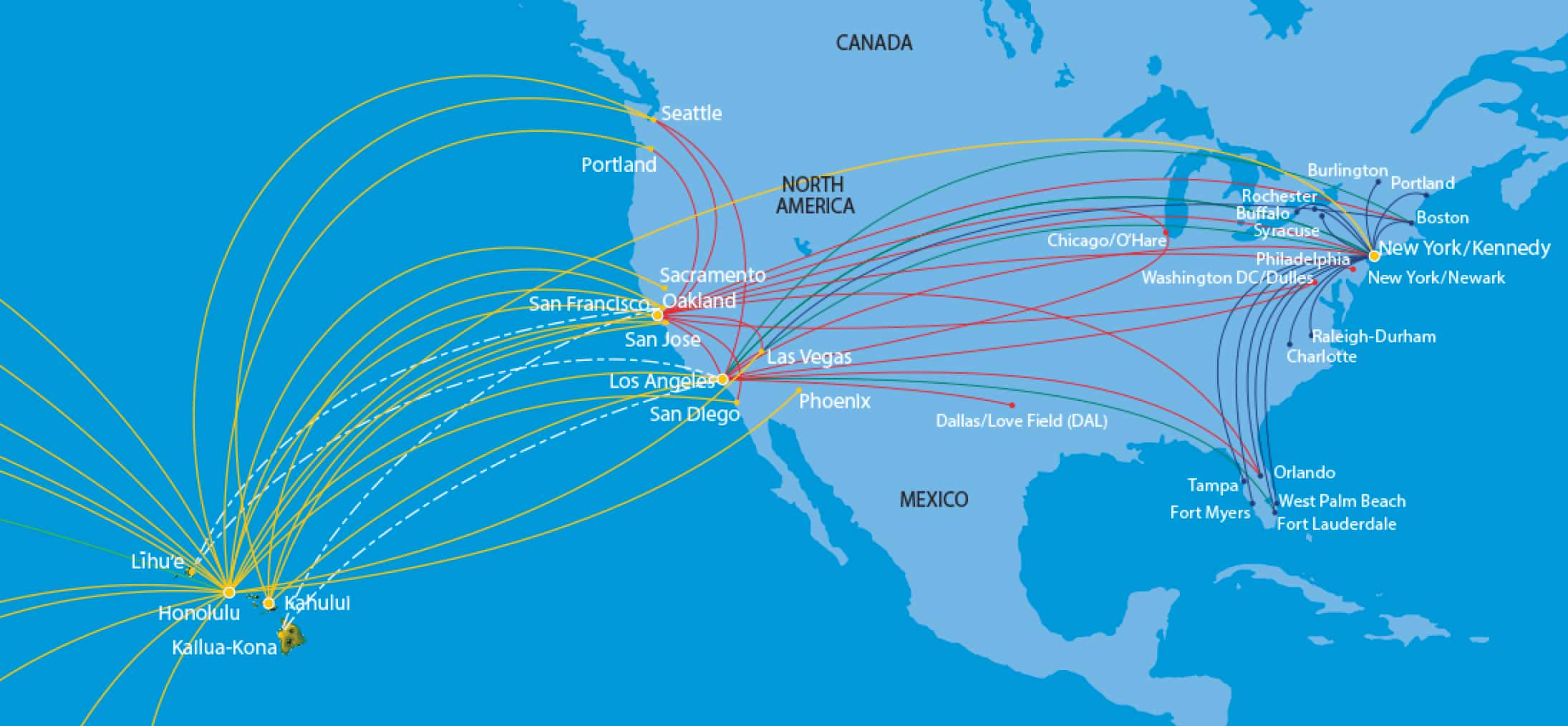
Flexibility is perhaps the most powerful tool in a budget traveler’s arsenal.
- Flexible Dates: Flying mid-week (Tuesday, Wednesday, Thursday) is almost always cheaper than flying on weekends. Consider red-eye flights or early morning departures, which are often less expensive due to less convenient timings. Even shifting your travel dates by a day or two can yield significant savings.
- Flexible Airports: Don’t just look at flights to the island you intend to visit. Sometimes, flying into a major hub like Honolulu (Oahu) or Kahului (Maui) and then taking a separate inter-island flight can be cheaper than a direct flight to a smaller island like Kauai or the Big Island. Inter-island flights are relatively inexpensive, especially when booked in advance.
- Flexible Airlines: Don’t limit yourself to a single airline. Major carriers like United Airlines, Delta Air Lines, American Airlines, and Southwest Airlines all fly to Hawaii, alongside Hawaiian Airlines. Each airline has its own pricing strategies and sales. Be open to different carriers and layovers, which can often reduce the ticket price. Budget airlines might also offer competitive rates, though be mindful of baggage fees and other add-ons.
The Power of Price Alerts and Comparison Tools
In today’s digital age, you don’t have to manually check flight prices daily. Leverage technology to do the work for you.
- Price Alerts: Sign up for price alerts from flight comparison websites like Skyscanner, Kayak, and Google Flights. These tools will notify you when prices for your desired route and dates drop, allowing you to snag a deal quickly.
- Comparison Websites: Always use multiple comparison websites when searching for flights. No single site always has the absolute best price. Expedia, Booking.com, and Priceline are also excellent resources for comparing not just flights, but also hotel and accommodation packages, sometimes bundled at a discount. Look for hidden city ticketing opportunities or consider open-jaw flights (flying into one airport and out of another) if they make sense for your itinerary.
Strategic Planning for Budget-Friendly Hawaii Trips
Saving money on flights is a fantastic start, but a truly budget-friendly Hawaiian vacation involves smart planning across all aspects of your trip. From choosing your island to selecting accommodation and enjoying local experiences, every decision can impact your overall expenditure, contributing to a more fulfilling budget travel lifestyle.
Choosing Your Island Wisely: Inter-Island Travel Considerations
Hawaii comprises several distinct islands, each offering a unique experience. The cost of visiting can vary significantly depending on which island you choose and how many islands you plan to visit.
- Oahu: As the most populated island and home to Honolulu and Waikiki, Oahu often has the most incoming flights, potentially leading to cheaper initial airfare. It also offers a wide range of accommodation options, from budget hostels to luxury resorts like The Royal Hawaiian. However, its popularity means attractions can be crowded, and prices for activities might be higher.
- Maui: Known for its stunning beaches like Kaanapali and charming towns like Lahaina, Maui can be slightly more expensive, especially for luxury accommodations. Flights might be a bit pricier than to Oahu due to fewer direct routes.
- Kauai & Big Island: These islands, while incredibly beautiful (e.g., Napali Coast on Kauai, Hawaii Volcanoes National Park on the Big Island), often require connecting flights, increasing the overall cost and travel time. However, they can also offer more secluded and authentic experiences.
If your budget is tight, consider focusing on one island, especially Oahu, which offers a diverse array of activities without the added cost of inter-island flights. If you do plan to island-hop, factor in the cost and time of these additional flights, typically operated by Hawaiian Airlines or Mokulele Airlines.
Accommodation Hacks: Beyond Just Flights
Flights are just one piece of the puzzle. Accommodation costs can quickly inflate your budget.
- Hotels vs. Vacation Rentals: While resorts offer amenities, consider apartments or villas through services like Airbnb or VRBO for longer stays, especially if you plan to cook some meals to save on dining out. This is a common strategy in budget travel.
- Location, Location, Location: Staying slightly outside prime tourist zones like Waikiki can significantly reduce hotel costs. You might sacrifice a beachfront view for a more affordable and perhaps more authentic neighborhood experience, often with better local food options.
- Reviews & Comparison: Always read reviews and compare prices across multiple platforms. Look for deals that include breakfast or other amenities that might save you money. Consider package deals that combine flights and hotels, as these can sometimes offer substantial savings. Long-term stay options might also offer discounted rates if you’re planning an extended vacation.
Local Experiences on a Budget: Making the Most of Your Stay
Hawaii offers countless free or low-cost activities that allow you to immerse yourself in the local culture and natural beauty without overspending.
- Beaches & Hikes: Many of Hawaii’s best attractions are its natural landscapes. Enjoy world-famous beaches like Hanauma Bay (though it has an entry fee and reservation system) or the various public beaches across all islands. Hike scenic trails like Diamond Head on Oahu or Pipiwai Trail on Maui.
- Local Food & Markets: Skip the expensive tourist trap restaurants and seek out local eateries, food trucks, and farmers’ markets. This is where you’ll find authentic Hawaiian food like poke, shave ice, and plate lunches at a fraction of the price. Exploring local cuisine is a quintessential part of experiencing Hawaiian tourism and culture.
- Free Cultural Activities: Look for free hula shows, live music performances, or cultural demonstrations, often hosted by resorts or community centers. Visit local museums or historical landmarks that offer free entry on certain days. Learn about the rich history and traditions of the islands firsthand.
- Public Transport & Car Rentals: While a car rental often provides the most flexibility, consider using public transportation in cities like Honolulu (TheBus) to save on rental costs, gas, and parking fees. For island exploration, however, a car rental is usually recommended.
A Month-by-Month Guide to Affordable Hawaii Travel
To synthesize this information, let’s look at a month-by-month breakdown, highlighting the best and worst times for budget-conscious travelers.
The Golden Months: September, October, and Early December
These are consistently the best months for finding cheap flights to Hawaii and enjoying a less crowded experience.
- September: Post-Labor Day slump, schools are back in session. Excellent weather, warm waters, and significantly lower prices. Ideal for a relaxed, budget-friendly trip.
- October: Continues the trend from September. Very pleasant weather, fewer crowds, and great deals on flights and accommodations. Perfect for experiencing Hawaii’s natural beauty without the hustle.
- Early December (first two weeks): Before the Christmas holiday surge, this period offers a brief window of affordability. You’ll catch the start of the festive season’s atmosphere without the peak prices. The weather is beautiful, and it’s a fantastic time to see the islands decorated for the holidays.
- Mid-January to Early March: After the New Year’s rush, prices dip again. This period, before spring break, provides a great opportunity for a winter escape at a reduced cost. It’s also prime whale-watching season in Maui.
Navigating Holiday Hikes and Summer Surges
These are the times to exercise caution and book far in advance if your schedule demands it.
- Late November (Thanksgiving week): While not as extreme as Christmas, Thanksgiving week is a mini-peak season for domestic travel, impacting flights to Hawaii.
- Mid-December to Early January: The absolute most expensive time. Avoid if possible, or book at least 8-12 months out if you must travel then.
- Mid-March to Mid-April (Spring Break): High demand from students and families. Prices will be elevated.
- June, July, August (Summer): Consistent high demand, especially from families. Prices are generally high, though usually not as astronomical as the winter holidays. This is when you’ll find Waikiki at its busiest.

Year-Round Strategies for Consistent Savings
Regardless of the month, some strategies always apply:
- Fly Mid-Week: Tuesdays, Wednesdays, and Thursdays are typically cheaper than weekends.
- Early Morning/Late Night Flights: Less convenient times often mean lower fares.
- Be Flexible with Your Dates: Even shifting by a day or two can save hundreds. Use tools like Google Flights’ calendar view to identify the cheapest days.
- Set Price Alerts: Let the technology work for you.
- Consider Budget Airlines: Always check Southwest Airlines, which expanded its service to Hawaii, for potentially lower fares, but be aware of their distinct booking and baggage policies.
- Look for Package Deals: Sometimes bundling flights and hotels on sites like Expedia or Booking.com can be more cost-effective than booking separately.
Ultimately, flying to Hawaii on a budget is entirely achievable with careful planning and an understanding of the travel landscape. By targeting the off-peak and shoulder seasons, being flexible with your travel dates and airports, leveraging comparison tools, and thinking strategically about your entire vacation budget, you can unlock the dream of a Hawaiian getaway without compromising your financial peace of mind. Embrace the spirit of aloha, and let your journey to paradise be as joyful and stress-free as the destination itself.
LifeOutOfTheBox is a participant in the Amazon Services LLC Associates Program, an affiliate advertising program designed to provide a means for sites to earn advertising fees by advertising and linking to Amazon.com. Amazon, the Amazon logo, AmazonSupply, and the AmazonSupply logo are trademarks of Amazon.com, Inc. or its affiliates. As an Amazon Associate we earn affiliate commissions from qualifying purchases.