
When planning a trip to the enchanting Hawaiian Islands, many travelers immerse themselves in the allure of its pristine beaches, vibrant culture, and world-class resorts. While the immediate focus might be on booking flights, securing the perfect hotel or villa, and curating an itinerary of unforgettable experiences, it’s also insightful to understand the governance that shapes this unique paradise. The leadership of Hawaii plays a pivotal role in everything from environmental protection and cultural preservation to tourism policies and infrastructure development, all of which profoundly impact the visitor experience and the delicate balance of life in this Asia-Pacific jewel. So, who is currently at the helm of this beautiful state, and how does their vision resonate with the spirit of aloha that draws millions to its shores each year?
Understanding Hawaii’s Leadership: A Gateway to Its Unique Appeal
At first glance, the question “Who is Governor of Hawaii?” might seem purely political, perhaps even a deviation from typical travel discourse. However, for those passionate about sustainable tourism and understanding the soul of a destination, grasping the state’s leadership provides valuable context. The governor, along with the state legislature, sets the agenda for how Hawaii manages its natural resources, supports its local communities, and navigates the complexities of a robust visitor economy. Their decisions ripple through every aspect of the islands, from the conservation efforts at Hawaii Volcanoes National Park on the Big Island to the urban planning around Waikiki Beach in Honolulu on Oahu.
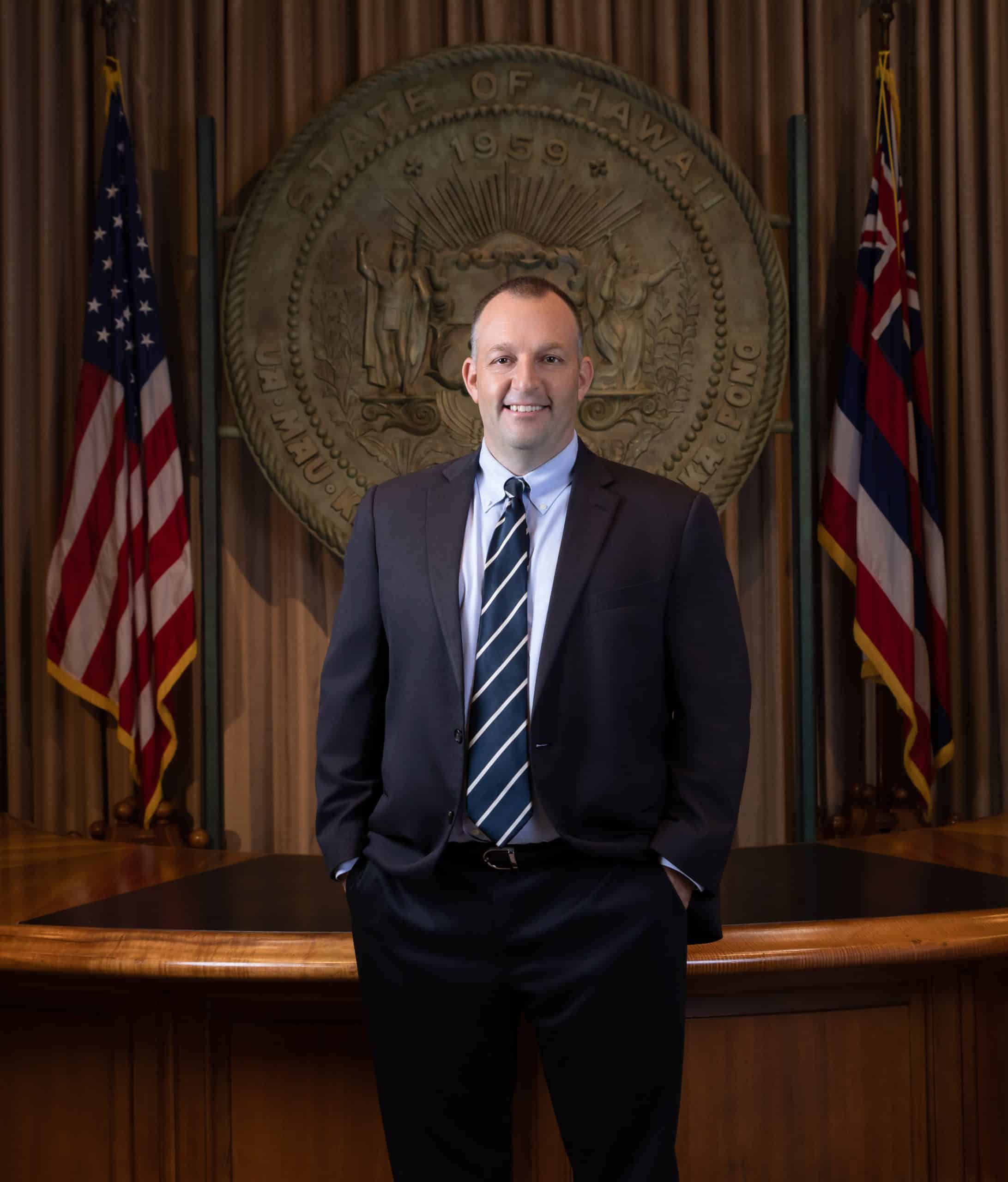
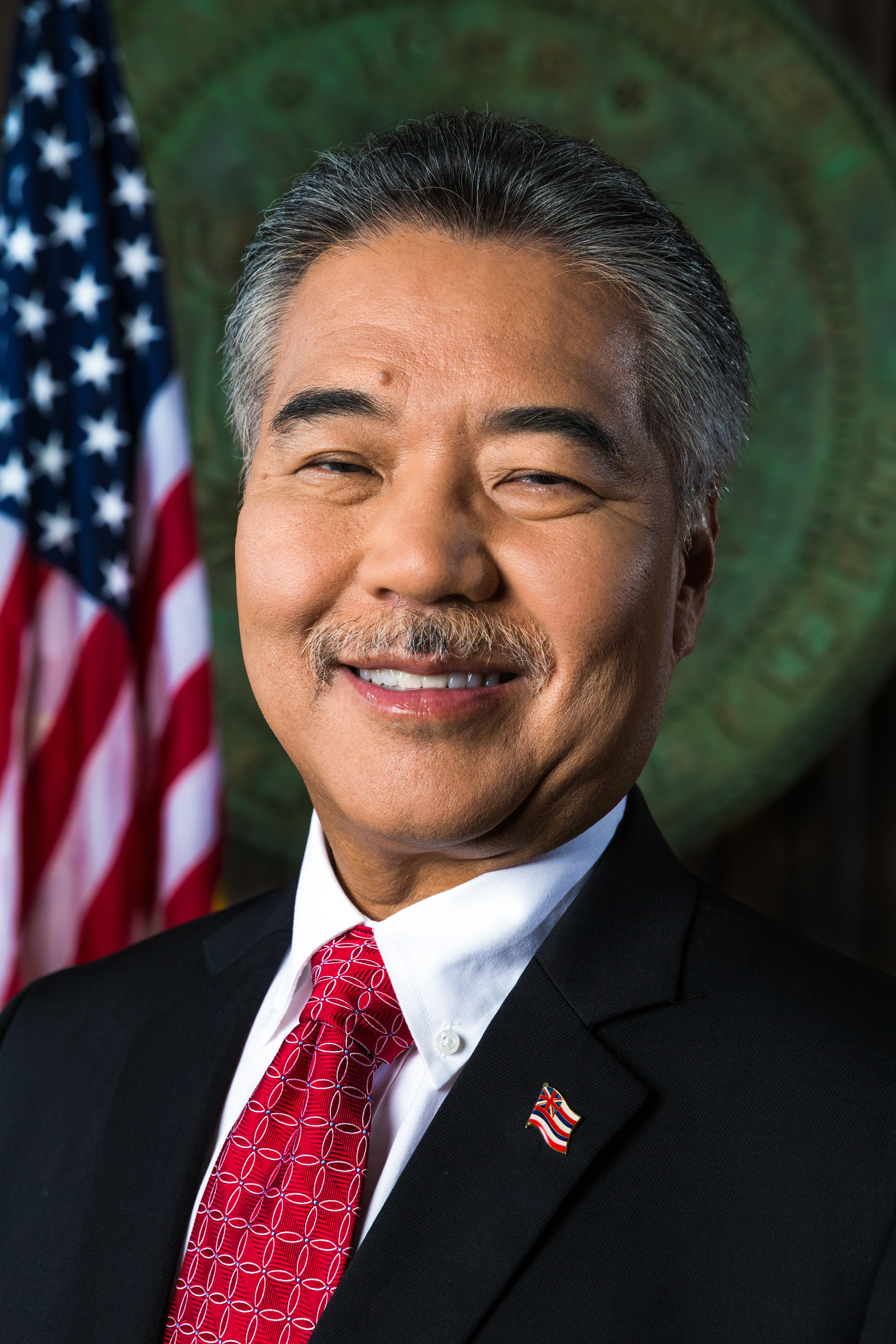
The Current Steward: Governor Josh Green
As of early 2024, the current Governor of Hawaii is Josh Green. A physician by profession, Governor Green took office in December 2022, bringing with him a strong focus on healthcare, affordable housing, and sustainable economic development. His background as a doctor, particularly his work during the COVID-19 pandemic as Lieutenant Governor, has instilled in him a deep understanding of public health and community well-being, which are intrinsically linked to the resilience and attractiveness of Hawaii as a destination.
For visitors, understanding the governor’s priorities offers a glimpse into the future direction of the islands. Policies under Governor Green’s administration aim to strike a balance between welcoming visitors and protecting the delicate environment and local way of life. This includes initiatives to manage overtourism in certain areas, promote regenerative tourism practices, and invest in infrastructure that supports both residents and guests. When you stroll through a pristine state park or enjoy the cultural offerings of a local festival, you are, in part, experiencing the outcomes of these gubernatorial directives and the state’s overarching vision.
Connecting Governance to the Visitor Experience
The connection between state leadership and your Hawaiian experience is more direct than you might imagine. Consider the recent devastating fires in Lahaina, Maui. The state’s response, led by the governor, profoundly impacted recovery efforts, aid distribution, and the subsequent reopening of parts of Maui to tourism. These events highlight how critical effective governance is in times of crisis, directly influencing the safety, support, and future prospects of a beloved destination.
Furthermore, state policies impact the availability and cost of services crucial to travelers. From funding for improvements at Honolulu International Airport to regulations affecting hotel development and short-term rentals, the governor’s office and legislative body shape the very landscape of accommodation and accessibility. A focus on sustainability, for example, might lead to incentives for eco-friendly resorts or stricter waste management policies that keep Hawaii’s beaches clean – factors that are undoubtedly important to conscious travelers seeking authentic and responsible experiences.
Policy, Preservation, and the Future of Hawaiian Tourism
Hawaii’s unique position as a remote island chain within the United States means that its state government bears a significant responsibility for its environmental and cultural future. The challenges of climate change, limited resources, and balancing economic growth with preservation are central to the governor’s agenda, and these priorities are directly reflected in the type of tourism Hawaii seeks to foster.
Sustainable Tourism Initiatives and Environmental Protection
Governor Green’s administration, like previous ones, is deeply committed to sustainable tourism. This isn’t just a buzzword; it translates into tangible policies designed to protect the very natural wonders that draw visitors. Think of the delicate coral reefs that make snorkeling off Maui’s coast or Kauai’s North Shore so spectacular. State regulations, often spearheaded by the governor’s environmental advisors, govern everything from wastewater treatment to fishing quotas, directly safeguarding these ecosystems. Similarly, land use policies determine where new resorts can be built, ensuring that iconic natural landmarks like Diamond Head on Oahu or Waimea Canyon on Kauai remain unspoiled for generations to come.
Many initiatives focus on educating visitors about respectful engagement with the environment. For example, state-supported programs encourage volunteers to participate in beach cleanups or plant native trees, offering unique and impactful experiences that go beyond typical sightseeing. The vision is to shift towards a regenerative tourism model where visitors contribute positively to the islands, rather than solely consuming their resources. This holistic approach, driven by state-level vision, ensures that Hawaii remains a pristine and inviting destination for years to come.
Economic Impact and Community Well-being
Beyond environmental concerns, the governor’s office addresses the economic impact of tourism on local communities. Hawaii has a high cost of living, and ensuring that the benefits of tourism are shared equitably among residents is a continuous challenge. Policies might focus on supporting local businesses, promoting Hawaiian-owned enterprises, and investing in job training programs for residents in the hospitality sector. When you choose to dine at a local eatery in Kailua-Kona or purchase handicrafts from a small shop on Molokai, you are participating in an economy shaped, in part, by these state-level initiatives.
The governor’s administration also plays a crucial role in managing the state budget, allocating funds for public services, education, and infrastructure projects that directly affect the quality of life for residents and the experience of visitors. This includes funding for emergency services, maintenance of public roads that lead to stunning vistas like Maui’s Road to Hana, and supporting cultural institutions that enrich the visitor’s understanding of Hawaiian heritage.

Beyond Politics: Embracing the Aloha Spirit
While the governor’s administrative duties are critical, the spirit of Hawaii transcends mere governance. The “Aloha Spirit” is enshrined in Hawaiian law and represents a philosophy of mutual regard, respect, and affection that guides interpersonal interactions and communal responsibilities. The leadership, in many ways, embodies and promotes this spirit, striving to maintain Hawaii’s unique identity amidst the pressures of modernization and global tourism.
Cultural Preservation and Authentic Experiences
The governor and state agencies are instrumental in preserving Hawaiian culture and ensuring that visitors can experience its authenticity. This involves supporting institutions like the Polynesian Cultural Center, funding language immersion programs, and protecting sacred sites. When you attend a luau, visit a historic temple, or learn about ancient Hawaiian traditions, you are witnessing the fruits of sustained efforts to keep this vibrant culture alive and accessible.
State initiatives often promote cultural tourism that goes beyond superficial attractions, encouraging deeper engagement through educational tours, workshops, and interactions with local practitioners. This commitment helps maintain the rich tapestry of traditions, from hula and lei making to traditional navigation and farming practices, ensuring that your trip to Hawaii is not just a vacation but a genuine immersion into a living culture.
Planning Your Hawaiian Journey: What to Consider
Knowing who the Governor of Hawaii is and understanding the broader vision of state leadership provides a useful lens through which to plan your trip. It encourages a more thoughtful and responsible approach to travel, aligning your experiences with the state’s goals for sustainability and community well-being.
Consider opting for accommodations that are certified as eco-friendly or those that actively support local employees and cultural programs. Many major resorts, from the luxurious Four Seasons Resort Maui at Wailea to the family-friendly Aulani, A Disney Resort & Spa in Ko Olina, Oahu, are increasingly adopting sustainable practices, often in response to state guidelines and consumer demand. Explore local markets, participate in volunteer opportunities, and choose tours that emphasize cultural sensitivity and environmental stewardship. By doing so, you not only enhance your own trip but also contribute to the long-term health and vitality of the islands, echoing the very values championed by Hawaii’s leadership.
Famous Places, Resorts, and Natural Wonders Influenced by State Vision
The incredible diversity of Hawaii’s landmarks, attractions, and accommodations is, to a significant extent, shaped by the state’s strategic vision, often articulated and implemented by the governor’s office and various departments. This integrated approach ensures that the visitor economy thrives while protecting the invaluable resources that make Hawaii truly unique.
Iconic Destinations and Their Protection
Many of Hawaii’s most famous sites, from historical landmarks to breathtaking natural formations, benefit from state-level protection and management. Pearl Harbor on Oahu, a site of immense historical significance for the United States and the world, is managed through a complex collaboration of federal and state entities, ensuring its preservation and accessibility for educational tourism. Similarly, state parks and natural areas like Hapuna Beach State Recreation Area on the Big Island or the Kalalau Trail on Kauai are carefully managed by state land and natural resource departments, often guided by conservation policies set at the highest levels of state government. These efforts help manage visitor impact, maintain trails, and protect fragile ecosystems.
The state also plays a role in supporting the infrastructure around these landmarks, from parking facilities and visitor centers to public transportation options. This strategic planning, influenced by the governor’s priorities, ensures that these attractions remain accessible and enjoyable for all, while minimizing their environmental footprint.
The Role of Infrastructure in Island Exploration
Effective governance is fundamental to developing and maintaining the infrastructure necessary for both residents and millions of annual visitors. This extends beyond airports and major highways to encompass everything from public transportation systems in Honolulu to ferry services connecting islands like Maui and Lanai. State-funded projects improve road networks, making it easier for visitors to explore diverse regions like the Kona Coffee Belt on the Big Island or the scenic drive along Kaanapali Beach in Maui.
Furthermore, the state’s commitment to public safety and emergency preparedness, overseen by the governor, is paramount for any destination. From lifeguards on popular beaches to search and rescue teams in remote hiking areas, these essential services provide peace of mind for travelers exploring Hawaii’s adventurous side. The policies and budgets allocated by the state leadership directly influence the quality and availability of these vital services, ensuring that your Hawaiian adventure is not only memorable but also safe.
Even the growth and regulation of luxury resorts and boutique hotels are influenced by state policies. Whether it’s the permits for construction, environmental impact assessments for new developments like a new suites complex or the zoning laws that preserve ocean views, the state’s hand is present. Iconic properties such as The Royal Hawaiian, A Luxury Collection Resort or the Grand Hyatt Kauai Resort & Spa operate within a framework designed to balance economic opportunity with the preservation of Hawaii’s unique aesthetic and resources.
In conclusion, understanding who governs Hawaii offers a deeper appreciation for this extraordinary place. Governor Josh Green and his administration are stewards of a delicate ecosystem and a rich culture, whose decisions shape the very fabric of the islands and, by extension, the experiences of every visitor. As you plan your ultimate Hawaiian getaway, remember that behind every breathtaking vista and every warm “Aloha,” there is a concerted effort to preserve and present this paradise responsibly.
LifeOutOfTheBox is a participant in the Amazon Services LLC Associates Program, an affiliate advertising program designed to provide a means for sites to earn advertising fees by advertising and linking to Amazon.com. Amazon, the Amazon logo, AmazonSupply, and the AmazonSupply logo are trademarks of Amazon.com, Inc. or its affiliates. As an Amazon Associate we earn affiliate commissions from qualifying purchases.