
The journey of the Hawaiian Islands from an independent kingdom to the 50th state of the United States is a complex narrative interwoven with themes of geopolitical strategy, economic interests, and evolving international relations. Understanding this transformation requires delving into the historical context of the 19th century and the early 20th century, examining the motivations and pressures that ultimately led to annexation and statehood. This transformation was not a simple, unilateral decision but rather a process influenced by various domestic and foreign actors, each with their own agenda.
The Shifting Sands of Sovereignty: From Kingdom to Republic
For centuries, the Hawaiian Islands thrived as an independent nation, rich in culture and self-governance. The arrival of Westerners in the late 18th century marked a turning point, introducing new technologies, diseases, and a vastly different socio-economic system. By the mid-19th century, American missionaries and businessmen had established a significant presence, shaping the islands’ economy and increasingly influencing its political landscape.
Economic Entanglements and American Influence
The burgeoning sugar industry became a cornerstone of the Hawaiian economy. American planters, leveraging favorable trade agreements like the Reciprocity Treaty of 1875, gained immense wealth and power. This economic dependence on the United States fostered a desire among some American-aligned elites for closer political ties. They saw annexation as a way to secure their investments and ensure continued access to the lucrative American market, free from tariffs. The desire for stability and protection from potential foreign rivals, particularly Japan, also played a role in these sentiments. The growing economic and social influence of American citizens and businesses led to a demand for political representation and protection that many believed only statehood or annexation could provide.
The Overthrow of the Monarchy
The reign of Queen Liliuokalani, who ascended to the throne in 1891, proved to be a pivotal moment. She sought to restore political power to the native Hawaiians and drafted a new constitution that would diminish the influence of American businessmen and foreign residents. This move was met with fierce opposition from the powerful economic interests that had grown accustomed to their dominant position. In 1893, a group of American and European businessmen, with the tacit support of the U.S. Minister to Hawaii, orchestrated a coup d’état, overthrowing Queen Liliuokalani and establishing a Provisional Government. While initially denied by President Grover Cleveland, the Provisional Government, and later the Republic of Hawaii, continued to lobby for annexation by the United States. This forceful removal of a sovereign monarch, a clear violation of international norms, set the stage for future territorial expansion.
The Path to Annexation: Strategic Considerations and Public Opinion
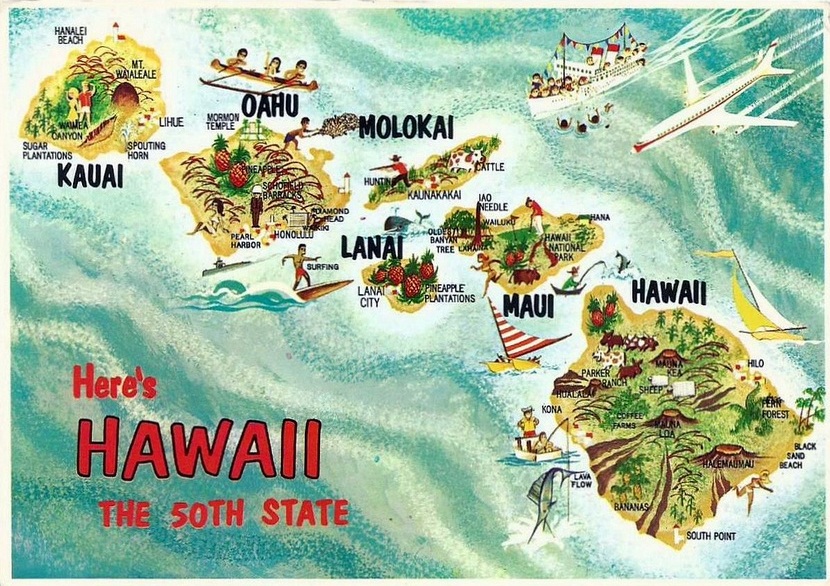
The strategic importance of Hawaii in the Pacific was not lost on the United States. As global powers jostled for influence, controlling key islands became crucial for naval and trade routes. The Spanish-American War in 1898 highlighted the military significance of Pearl Harbor, a deep-water harbor on the island of Oʻahu.
Military and Geopolitical Imperatives
The United States recognized Hawaii’s strategic location as a vital coaling station and naval base. Its position midway across the Pacific made it an indispensable asset for projecting power and protecting American interests in Asia and the wider Pacific region. This strategic imperative gained significant traction in Congress and among military leaders. The idea of Hawaii as an unsinkable aircraft carrier or an impregnable fortress gained currency, particularly as tensions rose with other emerging global powers. Annexation was seen as a proactive measure to prevent any rival nation from establishing a foothold in such a crucial location. The naval base at Pearl Harbor would become a cornerstone of U.S. Pacific strategy for decades to come.
The Annexation Debate and the Role of Public Opinion
The path to annexation was not without its dissent. Many Native Hawaiians vehemently opposed the idea, viewing it as a loss of their sovereignty and cultural heritage. Petitions were circulated, with thousands of signatures demonstrating opposition to the overthrow and subsequent annexation. However, in the United States, public opinion was swayed by expansionist sentiments and a belief in Manifest Destiny. The narrative that Hawaii would benefit from American governance and economic prosperity, coupled with the strategic arguments, gradually overcame the ethical and political objections. In 1898, the U.S. Congress, after considerable debate, passed the Newlands Resolution, annexing Hawaii as a U.S. territory. This marked the formal end of Hawaii’s independence and its transition into an unincorporated territory.
Territorial Status and the Road to Statehood
As a U.S. territory, Hawaii experienced significant changes. While enjoying some benefits of American governance, it lacked the full political rights and representation of states. The desire for statehood grew over the decades, fueled by a sense of political disenfranchisement and a desire for greater autonomy and recognition.
Governing a Diverse Territory
The territorial period saw the continued development of the islands’ economy, with agriculture and tourism becoming increasingly important sectors. The population grew and diversified, with significant influxes of immigrants from Asia, particularly from China, Japan, and the Philippines, to work on the plantations. This created a unique multicultural society, with its own distinct identity and challenges. While the territory was administered by federally appointed governors, the local population, including a growing number of American citizens of Hawaiian descent and other ethnicities, yearned for a more direct say in their governance. The Second World War further amplified Hawaii’s strategic importance, with the attack on Pearl Harbor on December 7, 1941, dramatically illustrating its vulnerability and its integral role in American defense.

The Campaign for Statehood
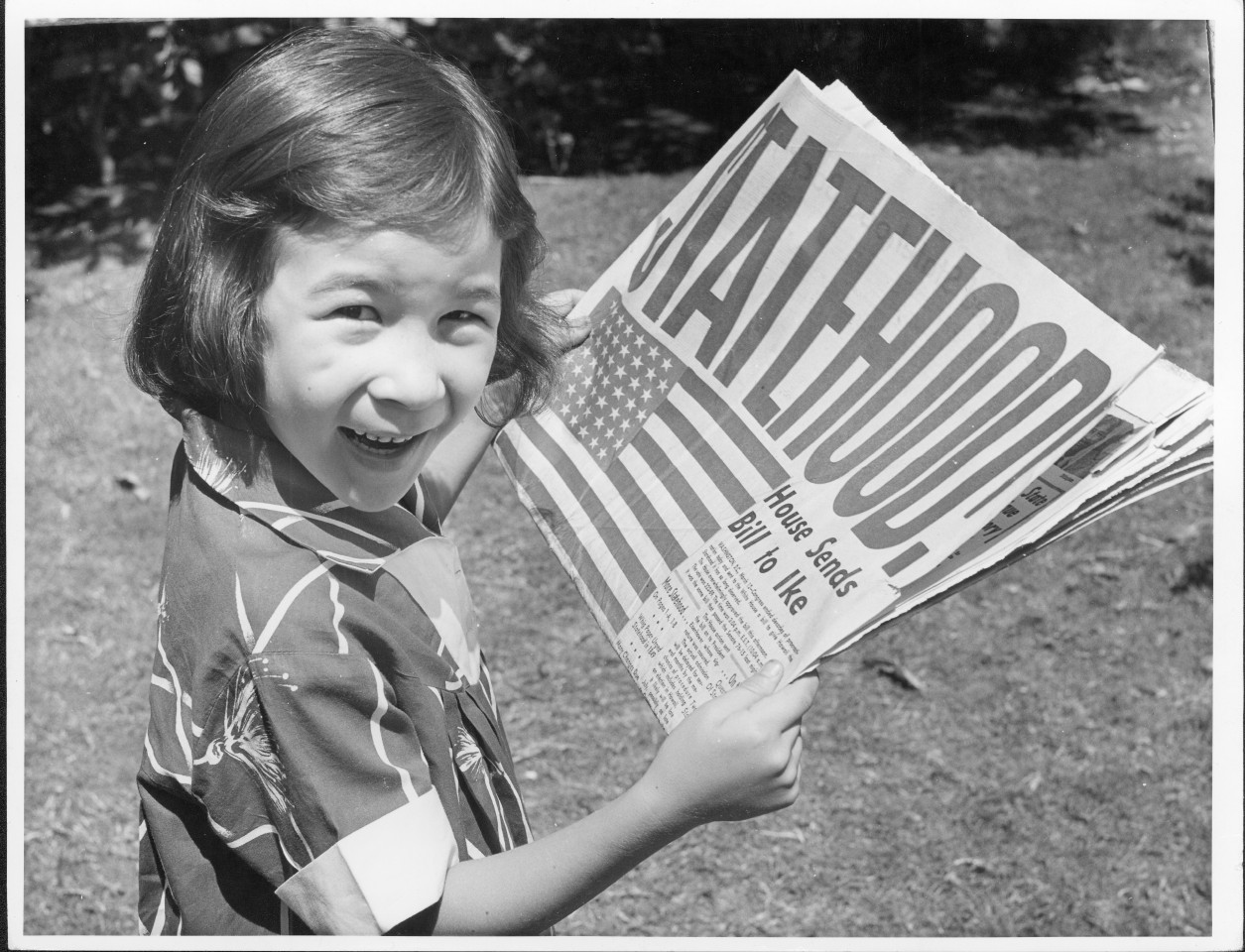
The movement for statehood gained momentum in the post-war era. Supporters argued that Hawaii’s diverse population, democratic institutions, and significant contributions to the U.S. war effort made it deserving of full statehood. Opponents, however, raised concerns about Hawaii’s distance from the mainland, its non-white majority population, and the potential impact on national politics. Despite these debates, the persistent advocacy from Hawaiian leaders and organizations, coupled with changing national attitudes towards race and representation, eventually paved the way. After numerous attempts, Congress passed the Hawaii Admission Act in 1959, and on August 21, 1959, Hawaii officially became the 50th state of the United States. This marked the culmination of a long and often contentious process, transforming a once-independent kingdom into an integral part of the American Union.
LifeOutOfTheBox is a participant in the Amazon Services LLC Associates Program, an affiliate advertising program designed to provide a means for sites to earn advertising fees by advertising and linking to Amazon.com. Amazon, the Amazon logo, AmazonSupply, and the AmazonSupply logo are trademarks of Amazon.com, Inc. or its affiliates. As an Amazon Associate we earn affiliate commissions from qualifying purchases.