
The anticipation of a trip often comes with meticulous planning: booking flights, researching destinations, and finding the perfect accommodation. Yet, despite all the preparations, travel can be unpredictable. Flights get delayed, road trips take longer than expected, and unforeseen circumstances arise. One common concern that often surfaces for travelers is: “Can I check into my hotel late?” The short answer is almost always yes, but it’s crucial to understand the nuances, policies, and best practices to ensure a smooth and stress-free late arrival.
Most hotels are well-equipped to handle guests arriving outside standard check-in hours. After all, they operate 24/7 to cater to a global clientele with varying itineraries. However, while late check-ins are generally accommodated, simply showing up unannounced at 2 AM can lead to complications, ranging from a longer wait at the front desk to, in rare cases, a cancelled reservation. The key to a seamless late check-in experience lies in proactive communication and understanding how hotel operations work. This comprehensive guide will delve into everything you need to know about checking into a hotel late, from standard policies to expert tips for different travel scenarios.

Understanding Standard Hotel Check-In Policies
Before you even consider a late arrival, it’s beneficial to understand why hotels have set check-in times in the first place and what these typically entail. This foundational knowledge will help you navigate potential challenges and communicate more effectively with your chosen establishment.
The Typical Check-In Window
The vast majority of hotels, whether an independent boutique hotel or a large chain like Marriott or Hilton, operate with standard check-in times. These usually fall between 3:00 PM and 4:00 PM, extending until around 6:00 PM or 7:00 PM on the day of arrival. Check-out times, conversely, are typically around 11:00 AM or 12:00 PM. This window is not arbitrary; it’s carefully designed to maximize operational efficiency and guest satisfaction.
The period between check-out and check-in is vital for the hotel’s housekeeping and maintenance teams. It’s during these few hours that rooms are thoroughly cleaned, inspected, and restocked to meet the standards expected by incoming guests. This turnaround time ensures that when you do arrive, your room is pristine and ready for your stay. For guests arriving earlier than the standard check-in time, hotels will often try to accommodate an early check-in if a room is available and cleaned, sometimes for an additional fee. Similarly, late check-outs can often be arranged.
Why Hotels Have Set Check-In Times
The reasons behind standardized check-in times are multifaceted and rooted in the practicalities of running a hospitality business:
- Operational Efficiency: As mentioned, the gap between check-out and check-in allows for the efficient management of housekeeping staff. Without it, the hotel would struggle to prepare rooms adequately for new arrivals, leading to delays and reduced guest satisfaction.
- Staffing Schedules: Front desk staff, concierges, and other personnel are scheduled based on peak arrival and departure times. While hotels staff 24/7, the overnight team might be smaller and handling a different set of responsibilities, making a sudden influx of unannounced late arrivals challenging to manage efficiently.
- Security and Accountability: Knowing roughly when guests are expected allows hotels to maintain better security protocols and account for who is on their property. This is particularly relevant in larger establishments in bustling cities like London or Tokyo.
- Resource Allocation: From allocating parking spaces to preparing welcome amenities, anticipating arrival times helps hotels manage their resources more effectively.
Understanding these reasons helps travelers appreciate the hotel’s perspective and emphasizes why communication is paramount when a late arrival is anticipated. It’s not about being inflexible, but about maintaining the high standards of service they strive to provide.
Navigating a Late Hotel Arrival
So, you know you’re going to be late. What’s the best course of action? The principles are simple: communicate, confirm, and be prepared. Following these guidelines will almost certainly guarantee a smooth check-in, no matter how late you arrive.
The Golden Rule: Communicate in Advance
This cannot be stressed enough: if you anticipate arriving late, always inform the hotel ahead of time. This simple act can prevent a cascade of potential problems and ensures your room is held for you. Many travelers underestimate the importance of this step, assuming their booking guarantees their room regardless of arrival time. While a guaranteed reservation (often secured with a credit card) typically holds your room for the entire night, failing to notify the hotel can still lead to complications.
Why is this so crucial?
- Room Release Prevention: Hotels sometimes have policies regarding “no-shows.” If you haven’t communicated a late arrival, they might assume you’re not coming and potentially release your room, especially if demand is high. While less common with guaranteed bookings, it’s a risk worth avoiding.
- Preparation for Staff: Notifying the hotel allows their staff, particularly the night auditor or front desk team, to be aware of your impending arrival. They can have your reservation ready, streamline the check-in process, and even provide instructions for after-hours access if the main reception is closed.
- Peace of Mind: For you, the traveler, knowing that the hotel is expecting you brings immense peace of mind. You won’t have to worry about arriving to a closed lobby or a cancelled booking.
Methods for Notifying Your Hotel
There are several effective ways to communicate your late arrival, and using more than one can provide extra assurance.
- Phone Call: The most direct and often the best method. A quick call allows you to speak directly with a front desk agent, confirm your reservation, provide an estimated arrival time, and ask any specific questions you might have (e.g., “Will someone be at the desk?” “What’s the procedure for late check-in?”). This is especially useful for international travel where you might be crossing different time zones. Make sure to call the specific hotel property, not just a central reservations line.
- Email: If calling isn’t convenient or you want a written record, an email is a good alternative. Send it to the hotel’s direct email address, including your name, reservation number, and estimated arrival time. Request a confirmation of receipt to ensure your message was received.
- Booking Notes/Special Requests: When making your reservation through online travel agencies (OTAs) like Booking.com or Expedia, or directly on the hotel’s website, there’s often a “special requests” or “notes” section. You can simply state your anticipated late arrival time here. While this is helpful, it’s always a good idea to follow up with a phone call or email closer to your arrival date, as these notes aren’t always immediately flagged by the front desk.
- Hotel Apps: Many major hotel chains (Hyatt, Accor, IHG) have dedicated mobile apps. These often allow you to manage your booking, perform mobile check-in, and communicate directly with the hotel staff through a chat feature. Some even offer digital keys, allowing you to bypass the front desk entirely, which is ideal for late arrivals.
What to Expect Upon Late Arrival
Once you’ve communicated your late arrival, the actual process will likely be straightforward.
- Night Auditor/Front Desk Staff: Most hotels have staff at the front desk 24 hours a day, typically a night auditor or security personnel during the late hours. They are accustomed to processing late check-ins and will have your reservation details ready.
- Self-Check-In Kiosks: Increasingly common, especially in budget-friendly chains like Premier Inn or Travelodge in Europe, are self-check-in kiosks. These allow you to enter your reservation details, receive your key card, and complete the check-in process independently.
- Key Pick-Up/Lockbox: For smaller guesthouses, boutique hotels, or properties without 24/7 reception, there might be instructions for key pick-up from a secure lockbox or a designated location. This information will be provided when you communicate your late arrival.
- Digital Keys: As mentioned, hotel apps can often provide digital keys directly to your smartphone, allowing you to go straight to your room.

Always ensure you have your confirmation number, a valid ID, and the credit card used for the booking readily available, even if you’ve pre-paid.
Potential Challenges and Solutions for Late Check-Ins
While late check-ins are largely manageable, there are specific challenges that can arise. Being aware of these and knowing how to mitigate them will further ensure a hassle-free experience.
Dealing with No-Show Policies and Charges
One of the most significant concerns for a late arrival, particularly an uncommunicated one, is the hotel’s “no-show” policy. If you have a reservation but do not arrive and do not cancel, hotels typically charge a no-show fee, which is often the cost of one night’s stay, to the credit card on file. In some cases, especially with non-refundable bookings, the entire reservation might be charged.
- Solution: The ultimate safeguard against no-show charges is clear communication. If your travel plans change drastically and you know you’ll miss your entire stay or arrive much later than expected (e.g., the next day), notify the hotel immediately. If you need to cancel, do so within the hotel’s cancellation window to avoid fees. Always review the specific cancellation policy of your booking, as it can vary widely based on the room rate, booking platform, and hotel chain.
Ensuring Room Availability
While a guaranteed reservation usually holds your room, there are extremely rare instances, particularly during major events or overbooking scenarios, where a hotel might inadvertently release a room if they have no indication of your impending arrival.
- Solution: Pre-paying for your room or securing it with a guaranteed reservation (using a credit card that will be charged upon arrival or in case of no-show) is the best way to ensure your room is held. Explicitly mentioning your late arrival when you book, and then again closer to the date, reaffirms your intent to occupy the room. If you arrive extremely late (e.g., past 4 AM) and haven’t communicated, some hotels might assume you’ve cancelled, especially if they have a long waitlist. Always confirm your room is guaranteed for the entire night.
Overcoming Language Barriers and Time Zones
International travel introduces additional complexities, such as language barriers and significant time differences. Calling a hotel in Japan from the United States requires planning for the time difference, and communicating in a foreign language can be daunting.
- Solution:
- Time Zones: Use online converters to determine the correct local time to call the hotel during their operating hours. Calling in the middle of their night might result in a less responsive or fully staffed team.
- Language: If you’re concerned about a language barrier, opt for email as your primary communication method. Write your message clearly and concisely, perhaps even using a translation tool like Google Translate to provide a version in the local language, while also including your English message. Many international hotels, especially those catering to tourism, will have English-speaking staff, but a written record in both languages can prevent misunderstandings.
- Confirmation: Always seek a confirmation email or reference number for your late arrival notification. This serves as proof of communication should any issues arise.
Specific Scenarios and Tips for Different Travelers
The approach to a late check-in can vary slightly depending on your travel style and the nature of your trip. Here are some tailored tips for different types of travelers.
Business Travelers and International Flights
For business travelers, especially those on long-haul international flights, late arrivals are almost a given. Delays are common, and jet lag can make navigating unfamiliar airports and cities challenging.
- Flexibility is Key: Opt for flexible booking options when possible. While they might be slightly more expensive, the ability to modify or cancel without penalty can be invaluable if your schedule changes unexpectedly.
- Airport Hotels: If you’re arriving very late into a major hub like Los Angeles International Airport (LAX) or Heathrow Airport and have an early connecting flight, consider booking an airport hotel. These hotels are specifically designed for transient guests, often have 24/7 shuttle services, and are highly adept at handling late check-ins and early check-outs.
- Digital Check-In: Leverage hotel apps for mobile check-in and digital keys. This allows you to bypass the front desk entirely and go straight to your room, saving precious time and effort when you’re exhausted from travel.
- Pre-Arrange Transport: If arriving late, pre-arranging an airport transfer or knowing the exact taxi/ride-share situation can reduce stress. Confirm with your hotel if they offer a shuttle service and its operating hours.
Family Trips and Road Trips
Traveling with family, especially young children, adds another layer of complexity to late arrivals. Road trips can be particularly prone to unexpected delays due to traffic, extended stops, or simply the unpredictable nature of traveling with kids.
- Plan Buffer Time: When planning your itinerary, always factor in extra buffer time. Don’t schedule your driving so tightly that a minor delay throws off your entire check-in plan.
- Child-Friendly Accommodations: Choose hotels known for being child-friendly and inquire about amenities beforehand. Some might have cribs or extra beds ready for late arrivals if requested.
- Frequent Communication: On a road trip, give the hotel an initial estimate, and then provide updates if you foresee significant delays. A quick call when you’re an hour or two out can be very helpful.
- Pack Essentials Accessibly: If you expect a very late check-in, pack a small bag with essentials (pajamas, toothbrushes, a change of clothes, any necessary medications) that you can easily grab from the car without needing to unpack the entire vehicle. This allows for a quicker transition to bed.
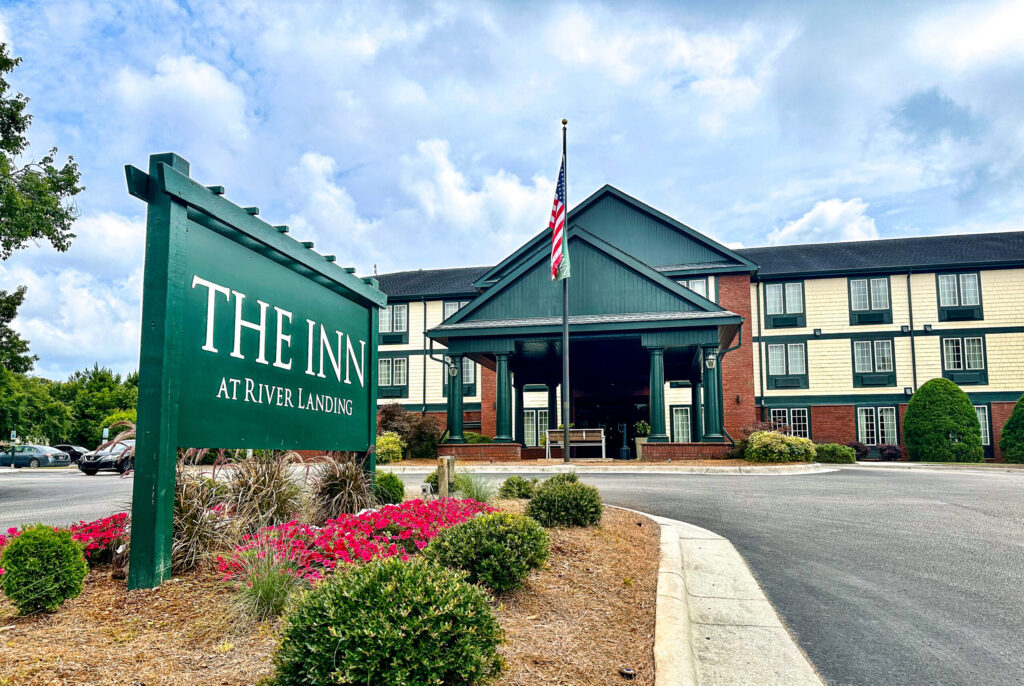
Luxury vs. Budget Accommodations
The type of hotel you’ve booked can also influence your late check-in experience.
- Luxury Resorts and High-End Hotels: Establishments like a Four Seasons or Ritz-Carlton typically offer 24/7 concierge and front desk services. Their staff are highly trained to handle late arrivals with grace and efficiency. You can expect a seamless process, and they may even proactively reach out if they notice you haven’t arrived by a certain time. Communication is still good practice, but you’ll likely experience more flexibility.
- Budget Hotels and Motels: Smaller, budget-friendly options, like a Motel 6 or an independent guesthouse, might have limited front desk hours, especially overnight. While they are usually prepared for late arrivals, the process might be less automated. They may rely more on self-check-in kiosks, lockbox systems, or a night bell for assistance. Clear communication is even more vital here to ensure you know the exact procedure for after-hours access.
- Apartment/Villa Rentals (Airbnb-style): For private vacation rentals, late check-in procedures are entirely dependent on the host. Many hosts use keyless entry systems or lockboxes, making late arrivals straightforward. Others might require an in-person key exchange, which needs careful coordination. Always confirm the check-in process with your host well in advance, especially for late arrivals, and exchange contact information.
In conclusion, the answer to “Can you check into a hotel late?” is a resounding yes, provided you approach it with a clear understanding of hotel operations and a commitment to proactive communication. By informing your hotel of your anticipated late arrival, utilizing available communication channels, and being prepared for the check-in process, you can ensure your journey, no matter how delayed, ends with a comfortable and welcoming arrival at your chosen accommodation. Travel is an adventure, but a little foresight can turn potential stress into a smooth transition from travel to relaxation.
LifeOutOfTheBox is a participant in the Amazon Services LLC Associates Program, an affiliate advertising program designed to provide a means for sites to earn advertising fees by advertising and linking to Amazon.com. Amazon, the Amazon logo, AmazonSupply, and the AmazonSupply logo are trademarks of Amazon.com, Inc. or its affiliates. As an Amazon Associate we earn affiliate commissions from qualifying purchases.