
The question of whether one can vape in a hotel room is a frequently asked one among travelers, reflecting the evolving landscape of public health regulations and hospitality industry policies. Unlike traditional smoking, which has been almost universally banned indoors across the globe for decades, vaping presents a more nuanced challenge for hotels, resorts, and other accommodation providers. The answer isn’t a simple yes or no; it depends heavily on the specific establishment, its location, local laws, and even the type of room or suite booked. As travel becomes increasingly common and diverse, understanding these policies is crucial for a smooth and enjoyable stay, avoiding potential fines, and respecting fellow guests. This comprehensive guide aims to shed light on the complexities surrounding vaping in hotel rooms, offering insights into current regulations, common hotel practices, and practical advice for vapers.

Navigating Vaping Policies in Hotels
The hospitality industry operates within a delicate balance of providing comfort, ensuring safety, and adhering to legal requirements. When it comes to vaping, this balance is further complicated by varying perceptions and scientific understanding. While some argue that vaping is less harmful than smoking and produces a less intrusive vapor, others view it with the same caution, citing potential health risks and the desire for a completely smoke-free environment.
The Evolving Landscape of Vaping Regulations
Vaping, or the use of electronic nicotine delivery systems (ENDS), has seen a rapid rise in popularity over the past two decades. Initially marketed as a safer alternative to conventional cigarettes, its widespread adoption has prompted governments and public health organizations worldwide to develop regulations. These regulations often mirror those for traditional tobacco products, but not always perfectly. In many countries, cities, and even specific establishments, the distinction between “smoking” and “vaping” is critical.
For instance, in the United States, while federal law doesn’t explicitly ban vaping in hotel rooms, many states and municipalities have enacted their own indoor vaping bans, often lumping e-cigarettes with traditional tobacco. Cities like New York City and Los Angeles have stringent indoor air quality laws that typically include vaping. Similarly, countries within the European Union often follow national directives that may or may not explicitly cover vaping in public spaces, including private commercial establishments like hotels. In places like Japan or Singapore, regulations can be particularly strict, sometimes even prohibiting the import or sale of certain vaping products, let alone their use indoors.
This patchwork of regulations means that a vaper traveling from London, where policies might be more lenient in certain private venues, to Dubai, which has very strict public smoking and vaping laws, needs to be acutely aware of regional differences. Global hotel chains like Marriott International, Hilton Worldwide, and Hyatt Hotels Corporation often try to implement a consistent policy across their properties, but even then, local legal frameworks can necessitate variations. This dynamic environment makes pre-trip research an essential part of responsible travel planning for vapers.
Vaping vs. Traditional Smoking: A Key Distinction
From a public health and regulatory perspective, the distinction between vaping and traditional smoking is often debated. However, for hotel operations, the practical differences are significant, though frequently overlooked or intentionally blurred.
Traditional cigarettes produce smoke, which contains tar, nicotine, and thousands of other chemicals, leaving a distinct, lingering odor and yellowing residue on walls, fabrics, and furniture. This damage is costly to remediate, often requiring deep cleaning, ozone treatments, and sometimes even repainting and replacing soft furnishings. The pervasive smell also impacts future guests, justifying strict “no smoking” policies and hefty fines.
Vaping devices, on the other hand, heat a liquid to create an aerosol (often incorrectly called “vapor”). This aerosol typically dissipates more quickly than cigarette smoke and does not contain tar or produce ash. The lingering odor is generally less potent and less persistent, often described as sweet or fruity, depending on the e-liquid flavor. However, despite these differences, vaping can still leave a residue, particularly if done frequently in an enclosed space without proper ventilation. This residue, while different from tar, can accumulate on surfaces and contribute to an oily film on windows or mirrors over time, necessitating extra cleaning efforts.
Crucially, many hotel chains and independent establishments choose to treat vaping identically to smoking. This is often a preventative measure against potential property damage, to avoid ambiguity in policy enforcement, and to ensure a consistent experience for all guests, particularly those with sensitivities to fragrances or aerosols. By making a blanket “no smoking/vaping” rule, hotels simplify their policies and minimize disputes. This approach means that even if the physical impact of vaping is less severe than smoking, the policy may still be equally strict.
Understanding Hotel Policies and Why They Matter
A hotel’s policy on vaping is not arbitrary; it’s a carefully considered decision based on a confluence of factors, ranging from guest comfort and property preservation to legal compliance and financial implications. Ignoring these policies can lead to significant inconvenience and expense for the guest.
Health, Safety, and Guest Comfort
At the core of any hotel’s operational philosophy is the well-being and comfort of its guests. Many guests, including families with children, individuals with respiratory conditions like asthma, or those simply preferring a clean air environment, choose non-smoking rooms explicitly. The introduction of any aerosol, even from vaping, into these spaces can be perceived as an intrusion and a violation of their expectation for a smoke-free experience.
Modern hotel ventilation systems are designed to circulate air efficiently, but they are not always sophisticated enough to completely contain aerosols within a single room, especially if the door is frequently opened. This means that vapor from one room could potentially travel into adjacent rooms or common areas, impacting other guests. For hotels striving to provide a premium guest experience, minimizing any potential disturbances, including those from vaping, is paramount. Safety concerns also play a role; while rare, incidents involving malfunctioning vaping devices or batteries have been reported, prompting some establishments to take a cautious stance.
Odor, Residue, and Property Damage Concerns
Despite claims of “odorless” vapor, most e-liquids contain flavorings and propylene glycol/vegetable glycerin, which produce a discernible scent and can leave a fine film. While typically less intrusive than cigarette smoke, these residues can still accumulate on surfaces like curtains, carpets, and air filters over time, requiring additional cleaning. Imagine a guest frequently vaping fruity e-liquids in a small hotel room; the cumulative effect could leave a sweet, persistent scent that might be unpleasant for the next occupant.
From an operational standpoint, this means extra labor and cleaning supplies are needed, impacting the hotel’s bottom line. Hotels often schedule rooms for deep cleaning after a smoking incident, and if vaping is treated similarly, it incurs the same costs. The inability to distinguish easily between vapor and smoke by a hotel employee or a smoke detector further complicates matters, leading many to adopt a zero-tolerance policy to avoid ambiguity and ensure their property remains in pristine condition. The reputation of a hotel is heavily reliant on the cleanliness and freshness of its rooms, making property damage and lingering odors a significant concern.
Financial Penalties and Eviction Risks
Perhaps the most tangible consequence of violating a hotel’s vaping policy is the imposition of fines. These “smoking fees” can be substantial, often ranging from $200 to $500 or more, designed to cover the extensive cleaning required to remove odors and residues. For example, a stay at a Holiday Inn Express in Paris might incur the same fee as a luxury Ritz-Carlton in Tokyo if their “no smoking/vaping” policy is violated. These fees are usually clearly outlined in the hotel’s terms and conditions, which guests agree to upon booking and check-in.
Beyond financial penalties, repeated or blatant disregard for hotel rules can lead to more severe consequences, including eviction from the property without a refund. While rare, hotels reserve the right to remove guests who violate house rules, especially if their actions impact the comfort or safety of other guests or staff. This could disrupt a vacation or business trip significantly, leading to unexpected costs and logistical nightmares, particularly in popular tourist destinations like Las Vegas or Barcelona, where alternative accommodations might be scarce or expensive at short notice.
How to Determine a Hotel’s Stance on Vaping
Given the varying policies, proactive research is indispensable for vapers planning a trip. Never assume that a “no smoking” policy excludes vaping; in most cases, it implicitly or explicitly includes it.
Checking Hotel Websites and Booking Platforms
The first and most reliable step is to consult the official hotel website. Most reputable hotels will have a dedicated section on their policies, often under FAQs, amenities, or terms and conditions, explicitly stating their stance on smoking and vaping. Look for phrases like “100% smoke-free property,” “non-smoking rooms,” or “vaping prohibited indoors.” Some may even detail designated outdoor vaping areas.
Online travel agencies (OTAs) like Booking.com or Expedia also often list key policies, though sometimes in a condensed format. While useful for an initial overview, it’s always best to cross-reference with the hotel’s direct site for the most accurate and up-to-date information. Pay particular attention to policies regarding fees for smoking/vaping violations, as these are often clearly stated to avoid disputes.
Direct Communication: A Proactive Approach
If the information online is ambiguous or you want absolute certainty, the best course of action is to contact the hotel directly. A quick phone call or email to the front desk or reservations department can provide a definitive answer. When inquiring, be specific: “Is vaping permitted in the guest rooms?” or “Do you have any designated outdoor areas for vaping?” This direct approach avoids misinterpretations and allows you to clarify any specific concerns, such as the use of nicotine-free e-liquids or the definition of “vaping” within their policy.
This is especially important when booking unique accommodations like villas, apartments, or boutique hotels that might not be part of a larger chain with standardized policies. For instance, a small guesthouse in Rome might have a more relaxed stance than a Waldorf Astoria in Amsterdam.
Observing Signage and Designated Areas
Upon arrival at your destination, take a moment to observe the surroundings. Most hotels with “no smoking/vaping” policies will display clear signage in the lobby, at check-in, in elevators, and throughout the corridors, often reiterating the rules and potential fines. If vaping is permitted only in designated areas, these will typically be well-marked, usually outdoors, away from main entrances, and equipped with ash receptacles (even if you’re vaping, this signifies a “smoking permitted” zone).
If you see staff or other guests vaping indoors, do not assume it’s permissible. They might be unaware of or disregarding the rules, or the hotel might have an unusual, more lenient policy. Always rely on official statements or direct confirmation rather than anecdotal evidence. For example, some specialized resorts in Las Vegas might have specific gaming areas where vaping is allowed, but this doesn’t extend to the hotel rooms.
Practical Tips for Vapers While Traveling
For vapers, responsible travel means more than just packing your device and e-liquids. It involves planning, consideration for others, and respect for local customs and regulations.
Seeking Out Vaping-Friendly Accommodations
While fully vaping-friendly hotel rooms are increasingly rare, some accommodations might cater more directly to vapers, or at least provide clear designated areas. When searching for hotels, utilize search filters on OTAs for “smoking rooms” (though these are declining) or specifically look for properties that mention outdoor smoking/vaping zones. Some smaller, independent boutique hotels or guesthouses might have more flexible policies, particularly in regions where vaping is less regulated.
Consider booking accommodations with private outdoor spaces, such as balconies or patios. While you should still confirm the hotel’s policy on using vaping devices in these areas, a private outdoor space often offers a permissible alternative to indoor use. For example, a suite at a Four Seasons Resort in Sydney with a private balcony might offer more flexibility than a standard room in a downtown Novotel.
Respecting Non-Vaping Guests and Staff
Even if a hotel has a lenient policy or designated areas, it’s crucial to exercise courtesy and consideration. Avoid blowing large clouds of vapor, especially in communal spaces or when others are nearby. Be mindful of lingering scents; while you might enjoy your e-liquid’s aroma, others may find it unpleasant or even irritating. Always use designated outdoor areas, ensuring you are far enough away from entrances, windows, and outdoor dining areas to prevent vapor drift.
Remember that hotel staff are there to ensure everyone’s comfort and safety. If a staff member asks you to stop vaping in a particular area, comply politely and without argument. Their request is likely based on hotel policy or a complaint from another guest. A respectful attitude goes a long way in ensuring a pleasant trip for everyone involved.
Discreet Vaping and Ventilation Considerations
If you find yourself in a situation where outdoor vaping is inconvenient and the hotel’s policy is unclear but not explicitly prohibitive (though it’s always safer to assume a ban), discretion is key. Opt for devices that produce minimal vapor (e.g., pod systems over sub-ohm mods) and use less potent, unflavored e-liquids to minimize odor.
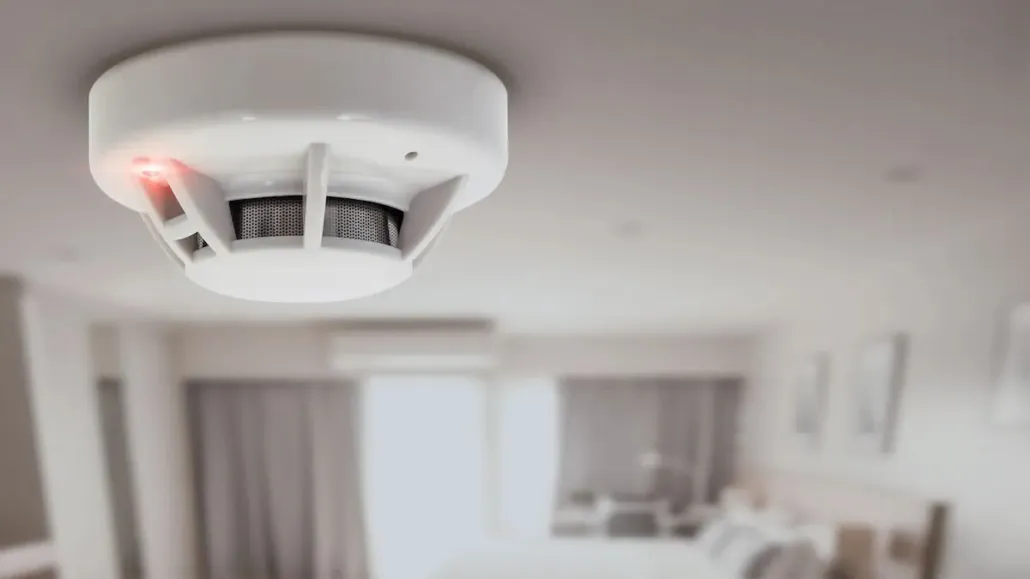
When vaping in a hotel room, ensure the room is well-ventilated. Open windows and doors, if possible, and turn on the bathroom fan. Direct the vapor towards an open window. However, it cannot be stressed enough that this approach carries significant risk. Smoke detectors are increasingly sensitive, and while most are designed to detect particulate matter characteristic of smoke, some advanced models can be triggered by dense vapor. The consequences of accidentally triggering a fire alarm, even if false, can be severe, leading to emergency service call-outs, evacuation, and hefty fines. The safest practice is to always adhere to the hotel’s explicit policy and utilize designated areas or refrain from vaping indoors altogether.
The Future of Vaping in the Hospitality Industry
The hospitality industry is constantly adapting to societal changes, technological advancements, and evolving guest preferences. The policies surrounding vaping are no exception.
Regional Differences and International Travel
As more countries and regions introduce comprehensive vaping regulations, the disparity in policies will likely continue to grow. Some locales, particularly those with strong public health campaigns, may implement stricter bans, while others might explore designated “vaping lounges” or specific vaping-friendly hotels. This means that for international travelers, the need to research local laws before visiting landmarks or cities like the Eiffel Tower in Paris or Times Square in New York City will remain paramount. Countries like Canada and the United Kingdom have adopted nuanced approaches, distinguishing vaping from smoking in certain contexts, which could influence future hospitality trends. However, places like Australia and Thailand have very strict laws regarding vaping, sometimes even leading to arrests for possession or use.
The rise of responsible tourism and sustainable travel initiatives may also push hotels towards more uniform environmental policies, potentially including a blanket ban on anything that could compromise indoor air quality or increase cleaning resource consumption.
Adapting to Guest Preferences and Public Health
Ultimately, hotels cater to a diverse clientele. While a segment of their guests may vape, a larger proportion prioritizes a completely smoke-free and vapor-free environment. Public health considerations, alongside the increasing scientific understanding of vaping’s long-term effects, will continue to shape industry standards.
It is likely that most mainstream hotel brands will continue to maintain strict “no smoking/vaping” policies indoors, emphasizing guest comfort and property protection. Any concessions will probably be limited to well-ventilated outdoor areas. For vapers, this reinforces the importance of diligence in researching policies and practicing responsible vaping habits to ensure a smooth and enjoyable travel experience wherever their lifestyle takes them, from the bustling streets of Tokyo to the serene landscapes of Germany or the iconic Burj Khalifa in Dubai. The key is always to ask, check, and respect.
LifeOutOfTheBox is a participant in the Amazon Services LLC Associates Program, an affiliate advertising program designed to provide a means for sites to earn advertising fees by advertising and linking to Amazon.com. Amazon, the Amazon logo, AmazonSupply, and the AmazonSupply logo are trademarks of Amazon.com, Inc. or its affiliates. As an Amazon Associate we earn affiliate commissions from qualifying purchases.