
The allure of a hotel stay often conjures images of short, idyllic escapes – a weekend getaway to Paris, a quick business trip to New York City, or a week-long family vacation in Florida. For most travelers, hotels are temporary havens, providing comfort, convenience, and a break from daily routines. But what happens when “temporary” extends into weeks, months, or even longer? The question “How long can you stay in a hotel?” opens up a fascinating exploration of travel, accommodation, legalities, and lifestyle choices that extend far beyond a typical reservation.
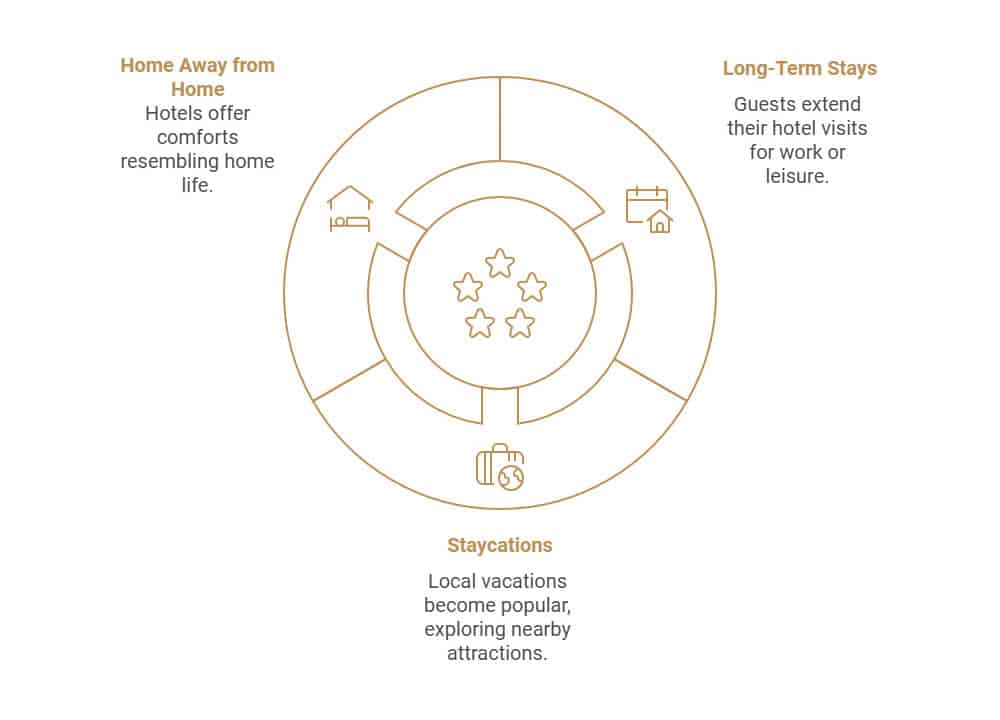
The answer isn’t a simple fixed number; rather, it’s a multifaceted response influenced by hotel policies, local laws, financial considerations, and your personal needs. From luxury suites to budget-friendly apartments, the world of long-term hotel living offers diverse solutions for a variety of travelers, including digital nomads, relocating families, business executives, and even those undergoing home renovations. Understanding the nuances of extended hotel stays is crucial for anyone considering making a hotel their temporary home.
The Standard Stay: From Transient Guest to Extended Visitor
The common perception of a hotel guest is someone occupying a room for a brief period, typically ranging from one night to a week. This transient nature is fundamental to how hotels operate, dictating everything from room service schedules to check-out procedures. However, the modern travel landscape, coupled with evolving lifestyle trends, has blurred the lines between a short-term visitor and a long-term resident.
Understanding the Typical Hotel Experience
For the vast majority, a hotel serves as a temporary lodging solution. Whether it’s a bustling Marriott in a financial district, a charming boutique hotel in London, or a sprawling all-inclusive resort in the Caribbean, the operational model is built around high guest turnover. Standard booking systems, pricing models, and service offerings are all designed to cater to stays of short to moderate length. Guests expect daily housekeeping, easy check-in and check-out, and access to amenities for a limited duration.
This transient occupancy is what defines a hotel guest in legal terms, differentiating them from a tenant who has established residency. This distinction becomes incredibly important when contemplating extended stays, as it impacts rights, responsibilities, and even the hotel’s ability to evict or ask guests to leave.
When “Just a Few Nights” Turns Into Weeks or Months
Life often throws unexpected curveballs, or deliberate choices lead to longer-term accommodation needs. A business project extends beyond its initial scope, a home renovation drags on, a family relocates to a new city, or a digital nomad decides to truly immerse themselves in a new culture, perhaps exploring the vibrant markets of Mexico City or the ancient wonders of Rome for an extended period. In these scenarios, the convenience and flexibility of a hotel, even for an extended period, can be highly appealing.
While most hotels are primarily geared towards short-term bookings, many have adapted to cater to the growing demand for longer stays. This has given rise to specific hotel types and policies designed to accommodate guests who require more than just a fleeting visit. Understanding these options and their implications is key to a successful extended stay.
The Legal Line: Guest vs. Tenant Status
This is perhaps the most critical factor in determining “how long” you can stay in a hotel. In many jurisdictions across the United States, Canada, and other countries, there’s a legal threshold after which a hotel guest may transition into a tenant. This threshold is often set around 30 consecutive days, but it can vary significantly by state, province, or even municipality.
Once a guest is legally recognized as a tenant, they gain certain tenant rights that are typically protected by landlord-tenant laws. This can include protection against arbitrary eviction, the right to notice before entry, and other rights that significantly alter the dynamic between the guest and the hotel. Hotels are generally reluctant to cross this threshold because it introduces a layer of legal complexity and potential liability that they prefer to avoid. This is why many hotels will cap stays at 28 or 29 days, or require guests to check out for a night before rebooking, effectively resetting the legal clock. While some hotels, particularly extended-stay brands, are better equipped to handle long-term guests, even they operate within specific legal frameworks.
Why Choose an Extended Hotel Stay? Diverse Needs, Varied Solutions
The decision to stay in a hotel for an extended period is rarely impulsive. It typically arises from specific needs or lifestyle choices that make a traditional apartment rental or home ownership impractical or undesirable for a certain duration.
Business Travel and Corporate Relocation
For many corporations, housing employees during lengthy projects, training programs, or relocation periods is a common challenge. Extended-stay hotels provide a convenient, fully furnished solution that eliminates the complexities of short-term lease agreements, utility hook-ups, and furniture rentals. Business travelers often appreciate the amenities like Wi-Fi, laundry facilities, and sometimes even small kitchenettes, allowing them to maintain a semblance of routine while on the road. Companies like Google or major consulting firms often utilize such accommodations for their traveling workforce.
The Digital Nomad Lifestyle and Long-Term Exploration
The rise of remote work has empowered a new generation of travelers: digital nomads. These individuals leverage technology to work from anywhere in the world, often choosing to spend weeks or months immersed in a new destination. For a digital nomad exploring the bustling streets of Tokyo or the serene beaches of Bali, a hotel can offer a hassle-free base camp. They value the flexibility, security, and often the co-working spaces or reliable internet access that many hotels provide. It allows them to experience local culture and attractions without the commitment of a long-term lease.
Personal Transitions: Renovations, Relocations, and Medical Stays
Life events often necessitate temporary alternative accommodation. A major home renovation, for instance, might render a house uninhabitable for several weeks or months. Similarly, individuals or families relocating to a new city might opt for a hotel while searching for a permanent residence or waiting for their belongings to arrive. Medical treatments requiring proximity to a hospital or specialized facility, such as those in Houston‘s medical district, can also lead to extended hotel stays, providing comfort and convenience during a challenging time.
Family Travel and Group Accommodation Needs
While often associated with shorter trips, families or large groups can also benefit from extended hotel stays, particularly those focusing on specific attractions or multi-city tours. Staying in a suite or connecting rooms can offer more space and amenities than traditional vacation rentals for certain budgets. It provides a consistent base from which to explore, say, Disney World for several weeks, or to attend a significant family event. The convenience of daily cleaning and on-site facilities like pools or restaurants can be particularly appealing for families with children.
Navigating Accommodation Options for Longer Durations
The landscape of long-term accommodation is diverse, offering options that cater to varying budgets, preferences, and durations. Understanding these distinctions is crucial for making an informed choice.
Traditional Hotels vs. Extended-Stay Properties

While a standard hotel might accommodate an extended stay, properties specifically designed for longer durations offer a different experience. Brands like Extended Stay America, Residence Inn by Marriott, Homewood Suites by Hilton, or Hyatt House are built with long-term guests in mind. They typically feature:
- Kitchenettes or Full Kitchens: Equipped with a refrigerator, microwave, stovetop, and sometimes a dishwasher, allowing guests to prepare their own meals and save on dining out.
- Larger Suites: More living space, often with separate sleeping and living areas.
- Laundry Facilities: On-site self-service laundromats are common.
- Weekly Housekeeping: Rather than daily, to offer more privacy and reduce costs.
- Business Amenities: Enhanced Wi-Fi, business centers, and meeting rooms.
- Social Spaces: Sometimes including outdoor grills or common lounges to foster a sense of community.
These properties bridge the gap between a hotel and an apartment, providing a home-like environment without the commitment of a lease.
Serviced Apartments and Their Appeal
Stepping up from extended-stay hotels are serviced apartments. These are fully furnished apartments available for short to long-term rent, offering more space, privacy, and independence than even the largest hotel suite. Found in major cities like Dubai or Singapore, they combine the comforts of home with hotel-like services such as regular housekeeping, concierge, and security.
Serviced apartments are ideal for corporate transferees, families, or individuals seeking a more authentic local living experience without sacrificing convenience. They often come with full kitchens, separate bedrooms, and living areas, and sometimes even balconies. The level of service can vary, from daily maid service to weekly, allowing for customization based on individual needs and budget.
The Role of Vacation Rentals and Corporate Housing
Platforms like Airbnb and VRBO have revolutionized the vacation rental market, and they also offer significant opportunities for long-term stays. Many hosts provide discounts for bookings of a week, a month, or even longer. This option can be particularly appealing for those seeking unique properties, specific neighborhoods, or a truly residential feel. However, services like housekeeping or on-site support might be less consistent than in hotels or serviced apartments.
Corporate housing, on the other hand, is specifically tailored for business professionals and companies. These are typically fully furnished apartments, condos, or homes rented for short to long durations, often managed by specialized agencies. They offer a comprehensive package, including utilities, furniture, and often a dedicated point of contact, making them a seamless solution for corporate relocations or projects in cities like Chicago or Frankfurt.
The Financial and Practical Realities of Long-Term Hotel Living
While the convenience of a long-term hotel stay is undeniable, understanding the financial implications and practical considerations is paramount to ensure it’s a sustainable and comfortable choice.
Unpacking Costs: Rates, Taxes, and Hidden Fees
The most significant factor for an extended hotel stay is cost. Daily rates, when multiplied over weeks or months, can quickly become prohibitive at standard hotels. However, both traditional hotels and extended-stay properties often offer discounted weekly or monthly rates that are significantly lower than the aggregated daily rate. It’s crucial to inquire about these special rates.
Beyond the base rate, several other costs need to be considered:
- Occupancy Taxes: Many cities and states levy transient occupancy taxes on hotel stays. These taxes can be substantial, often ranging from 5% to 15% or more. Crucially, in many jurisdictions, these taxes cease to apply once a guest’s stay exceeds the “tenant” threshold (e.g., 30 days). This can lead to a significant cost saving for very long stays.
- Parking Fees: If you have a car, daily parking fees can quickly add up. Ask about long-term parking options or discounted rates.
- Pet Fees: Traveling with pets often incurs additional daily or weekly fees, which can become costly over time.
- Resort Fees: Some hotels, particularly resorts, charge mandatory daily resort fees that cover amenities like Wi-Fi or fitness center access. These usually apply regardless of the length of stay.
- Food and Dining: While a kitchenette can help, eating out every meal or ordering room service can be a huge expense. Factor in grocery costs if you plan to cook.
Negotiation Strategies for Extended Bookings
Do not hesitate to negotiate, especially for stays exceeding a week. Hotels, particularly during off-peak seasons or when occupancy is low, are often willing to offer better rates for guaranteed long-term bookings. Here are some tips:
- Direct Booking: Contact the hotel directly, rather than relying solely on online travel agencies. Speak to the sales manager or general manager.
- Mention Your Duration: Clearly state the length of your intended stay upfront.
- Highlight Your Profile: If you’re a business traveler, a repeat guest, or part of a corporate program, mention it.
- Ask for Corporate Rates: If applicable, inquire about corporate discounts.
- Inquire About Tax Exemptions: Ask if any local occupancy taxes are waived after a certain number of days.
- Bundle Services: See if you can negotiate free parking, breakfast, or laundry services.
- Flexibility: Being flexible with your dates or room type can sometimes yield better offers.
Essential Amenities and Services for Comfort and Convenience
For a truly comfortable extended stay, certain amenities become indispensable:
- Reliable High-Speed Internet: Crucial for remote work, communication, and entertainment.
- Laundry Facilities: On-site or nearby access to washing machines and dryers is a must.
- Kitchenette/Full Kitchen: Essential for preparing meals, saving money, and maintaining a healthy diet.
- Fitness Center Access: Helps maintain a routine and well-being.
- Pet-Friendly Policies: If traveling with a furry companion.
- Comfortable Workspace: A proper desk and chair, especially for digital nomads or business travelers.
- Ample Storage: For clothes and personal belongings, as you’ll likely have more than a typical short-term guest.
- Privacy: Less frequent housekeeping services can be a benefit for long-term guests.
Look beyond the basic room features. Consider the hotel’s location relative to grocery stores, public transport, parks, and other conveniences that support a longer-term lifestyle.
Legal Frameworks and Guest Responsibilities
Understanding the legal aspects of extended hotel stays is crucial for both guests and hotel operators to avoid misunderstandings or disputes.
Understanding Tenant Rights and Hotel Policies
As discussed, the transition from guest to tenant status is a pivotal legal point. In the United Kingdom, for example, a similar concept exists where a long-term hotel resident might gain “lodger” rights. Once tenant rights are established, the hotel cannot simply ask you to leave without proper notice, and eviction procedures must follow local landlord-tenant laws, which can be a lengthy and complex process. This is why hotels are often very careful to manage the duration of stays.
Guests, too, have responsibilities. Adherence to hotel rules, timely payment, and respectful conduct are always expected. However, for extended stays, understanding the specific terms of your agreement, especially regarding payment schedules for weekly or monthly rates, and any clauses about “re-setting” the stay by checking out and re-booking, is important. Some hotels might have specific long-term stay agreements that you’ll need to sign, outlining different terms than standard nightly bookings.
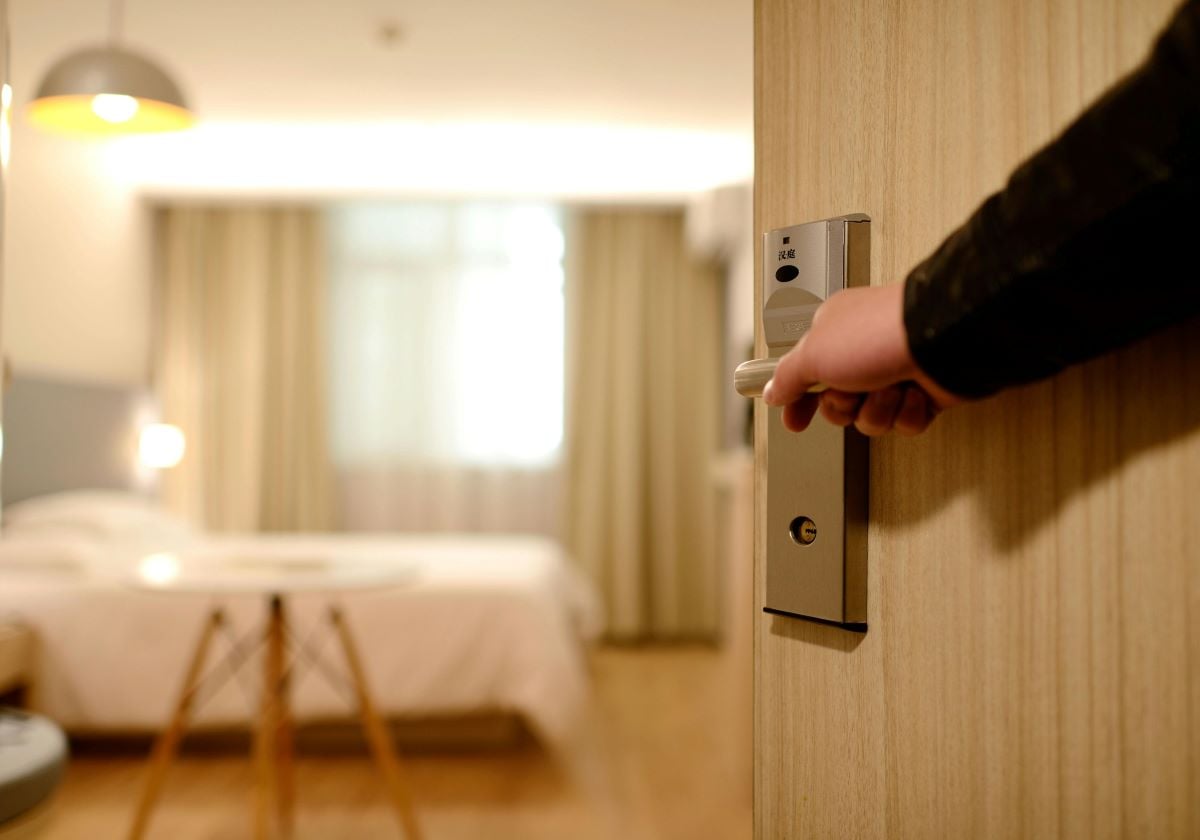
Best Practices for a Smooth Extended Stay
To ensure a positive and seamless extended hotel experience:
- Communicate Clearly: Inform the hotel of your intended long-term stay from the outset. Discuss your needs, expectations, and any specific requirements.
- Get It in Writing: Any special rates, terms, or agreements should be documented in writing.
- Understand the Policies: Be fully aware of the hotel’s policies regarding extended stays, including cancellation, payment, and visitor rules.
- Maintain Your Space: While housekeeping might be less frequent, keep your room tidy and report any maintenance issues promptly.
- Be Mindful of Other Guests: Remember you’re in a shared environment. Keep noise levels down and be considerate.
- Build a Rapport: A friendly relationship with hotel staff can make a big difference, especially if you need assistance during a long stay.
In conclusion, while the question “How long can you stay in a hotel?” initially seems straightforward, the answer reveals a complex interplay of personal needs, industry practices, and legal frameworks. Whether you’re a business professional on a corporate assignment, a digital nomad embracing a new culture, or a family navigating a transitional period, the right extended accommodation solution can offer unparalleled convenience and comfort, making a hotel feel like a true home away from home, for as long as you need it to be.
LifeOutOfTheBox is a participant in the Amazon Services LLC Associates Program, an affiliate advertising program designed to provide a means for sites to earn advertising fees by advertising and linking to Amazon.com. Amazon, the Amazon logo, AmazonSupply, and the AmazonSupply logo are trademarks of Amazon.com, Inc. or its affiliates. As an Amazon Associate we earn affiliate commissions from qualifying purchases.