
Las Vegas, Nevada – the mere mention of its name conjures images of dazzling lights, thrilling entertainment, world-class dining, and, of course, an unparalleled array of luxurious and diverse accommodation options. Known globally as “Sin City,” “The Entertainment Capital of the World,” or simply “Vegas,” this vibrant metropolis stands as a testament to grand ambition and relentless innovation in the tourism and hospitality industries. For anyone planning a trip, whether it’s for leisure, business, or a bit of both, a fundamental question often arises: how many hotel rooms does Las Vegas actually have? The answer is not just a simple number; it’s a reflection of the city’s scale, its economic engine, and its enduring allure as a premier global travel destination.
The sheer volume of hotel rooms in Las Vegas positions it as one of the leading cities in the United States and the world in terms of guest capacity. This incredible inventory is a cornerstone of the city’s success, enabling it to host millions of visitors annually, from high rollers seeking luxury suites to families looking for budget-friendly stays, and business professionals attending major conventions. Understanding the scope of Las Vegas’s accommodation landscape offers a fascinating glimpse into the mechanics of one of America‘s most dynamic urban environments.
The Grand Scale of Las Vegas’s Hospitality Landscape
At any given time, the total number of hotel rooms in Las Vegas typically hovers around 150,000 to 155,000. While exact figures can fluctuate slightly due to renovations, new constructions, or the occasional closure, this range firmly establishes Las Vegas as a titan in the global hospitality sector. To put this into perspective, many major cities in the USA would struggle to reach even a third of this capacity. This massive inventory is meticulously managed to cater to the diverse needs of its vast visitor base, playing a critical role in the city’s economic vitality and its reputation as a leading travel hub.
The evolution of Las Vegas’s accommodation has been a continuous saga of expansion and reinvention. From its humble beginnings as a railroad stop and a small gambling town, it has blossomed into a global powerhouse, largely driven by its ability to offer an unparalleled number of places to stay, each vying to provide a unique “experience.” This growth has been symbiotic with the city’s development into a multifaceted destination that offers more than just gaming, encompassing entertainment, fine dining, shopping, and major event hosting.
Beyond the Numbers: The Mega-Resort Phenomenon
What truly sets Las Vegas apart from other cities is not just the quantity of its hotel rooms, but the concentration of these rooms within vast, integrated resort complexes. These “mega-resorts” are self-contained ecosystems, typically featuring a casino, multiple hotel towers, numerous restaurants ranging from casual to Michelin-starred, shopping malls, entertainment venues, convention spaces, pools, spas, and a plethora of other amenities. Many of these individual properties alone house thousands of rooms, dwarfing most standalone hotels found elsewhere in the world.
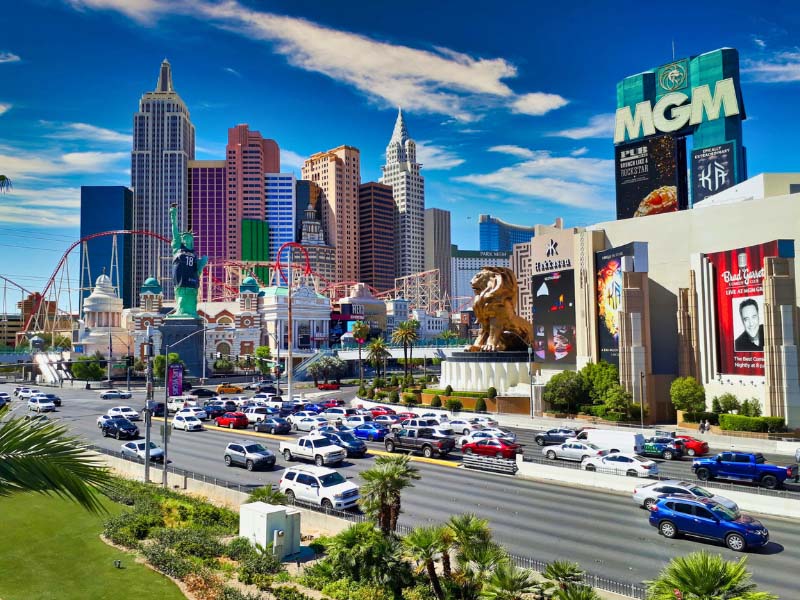
For instance, the MGM Grand often holds the distinction of being the largest single hotel in the USA, boasting approximately 6,852 rooms. When considering combined properties, the Venetian Resort, which includes both The Venetian and The Palazzo towers, offers a staggering total of around 7,100 suites. These colossal establishments exemplify the Las Vegas lifestyle, where everything a guest could possibly desire is accessible under one roof, or at least within a short walk. This integrated approach not only maximizes efficiency for guests but also enhances the overall travel experience, making each resort a destination in itself.
Where the Rooms Reside: The Strip, Downtown, and Beyond
The vast majority of Las Vegas’s hotel rooms—roughly 60-70%—are concentrated along the iconic Las Vegas Strip. This 4.2-mile stretch of Las Vegas Boulevard is home to many of the city’s most famous and extravagant resorts, creating a dazzling canyon of lights and activity. It’s where the architectural marvels, the world-renowned entertainment, and the high-end luxury are predominantly found.
However, the accommodation landscape extends beyond The Strip. Downtown Las Vegas, the city’s historic core, offers a distinct charm and a significant number of rooms. Properties like the Golden Nugget Las Vegas and those clustered around the Fremont Street Experience provide a different vibe, often with a more traditional Vegas feel and generally more budget-friendly options.
Additionally, “off-Strip” resorts and hotels are increasingly popular, catering to locals, visitors seeking a slightly quieter experience, or those looking for specific amenities not found on The Strip. These include properties like Virgin Hotels Las Vegas, Durango Casino & Resort, and others situated in various neighborhoods around the greater Las Vegas Valley. This geographical spread ensures that no matter a traveler’s preference for ambiance, price point, or specific attractions, there is an ideal hotel room waiting.
The Pillars of Accommodation: Iconic Hotels and Their Contributions
The impressive room count in Las Vegas is a cumulative achievement of dozens of world-class hotels, each contributing significantly to the city’s reputation as a hospitality powerhouse. These establishments are not merely places to sleep; they are landmarks, entertainment hubs, and architectural marvels that define the Las Vegas skyline and experience.
Giants of The Strip: A Closer Look at Room Counts

Many of The Strip’s most recognizable names command thousands of rooms, forming the backbone of Las Vegas’s accommodation capacity:
- MGM Grand: As mentioned, a colossal resort with approximately 6,852 rooms. Its sheer size allows it to host a multitude of concurrent events and a vast number of guests.
- The Venetian Resort (The Venetian and The Palazzo): Together, these sister properties form an all-suite complex offering around 7,100 rooms. Their Italian Renaissance theme and opulent interiors make them a prime choice for luxury travel.
- ARIA Resort & Casino: A modern architectural marvel with approximately 4,004 rooms, known for its cutting-edge technology and sophisticated ambiance.
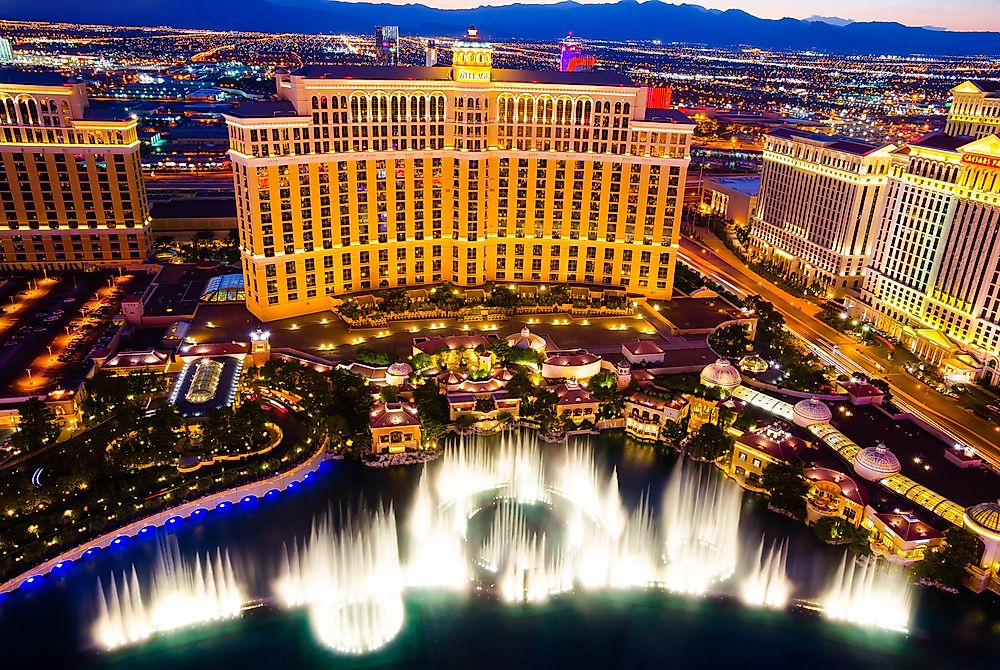
- Bellagio: Famous for its dancing fountains, the Bellagio offers around 3,933 rooms, epitomizing classical European elegance and a high-end lifestyle.
- Caesars Palace: A Roman-themed resort with approximately 3,980 rooms, combining ancient grandeur with modern amenities and a storied history of entertainment.
- Cosmopolitan of Las Vegas: A contemporary luxury resort with about 3,032 rooms, many featuring private terraces with stunning Strip views, catering to a younger, trend-setting demographic.
- Wynn Las Vegas and Encore at Wynn Las Vegas: These two interconnected resorts provide a combined total of around 4,748 rooms, renowned for their impeccable service, opulent design, and award-winning dining.
- Resorts World Las Vegas: One of the newest mega-resorts, opened in 2021, featuring approximately 3,506 rooms across three Hilton brands, bringing a vibrant Asian-inspired design and technologically advanced offerings to The Strip.
Beyond these giants, numerous other notable Strip properties contribute significantly, including Sahara Las Vegas (1,613 rooms), Circus Circus (3,767 rooms), Excalibur Hotel & Casino (3,981 rooms), Luxor Hotel and Casino (4,407 rooms), Mandalay Bay Resort and Casino (3,209 rooms), Park MGM (2,700 rooms), Planet Hollywood Resort & Casino (2,567 rooms), Paris Las Vegas (2,916 rooms), Flamingo Las Vegas (3,626 rooms), Stratosphere Las Vegas (2,427 rooms), Treasure Island Hotel and Casino (2,884 rooms), The Mirage (3,044 rooms), Horseshoe Las Vegas (2,810 rooms), The LINQ Hotel + Experience (2,256 rooms), and Harrah’s Las Vegas (2,526 rooms). Each of these properties offers a unique theme and experience, contributing to the diverse tapestry of Las Vegas accommodation.
Downtown’s Charm and Off-Strip Retreats
While The Strip dominates the room count, Downtown Las Vegas provides a vital, alternative experience. It is home to properties like the Golden Nugget Las Vegas, which offers around 2,400 rooms and is celebrated for its classic Vegas atmosphere, lively pool, and proximity to the Fremont Street Experience. Other Downtown hotels also contribute several thousand rooms, often appealing to those seeking a more accessible scale and a focus on traditional gaming and entertainment.
Off-Strip resorts fill an important niche, providing options for visitors who prefer to be away from the immediate bustle of The Strip or who might be attending events at venues further afield. These properties, such as Virgin Hotels Las Vegas (1,504 rooms) or the recently opened Durango Casino & Resort (200 rooms, with plans for expansion), often cater to specific local communities or offer unique features like larger convention spaces or specialized dining experiences. The strategic placement of these hotels throughout the Las Vegas Valley ensures that the city can accommodate an even broader spectrum of travelers, enhancing its overall appeal as a tourism destination.
The Dynamic Evolution of Las Vegas Accommodation
The number of hotel rooms in Las Vegas is not static; it’s a dynamic figure that reflects the city’s constant evolution. New projects are continually proposed, constructed, and opened, while existing properties undergo extensive renovations or rebrands to stay competitive and cater to shifting market demands. This ongoing investment in accommodation infrastructure is a testament to the city’s robust tourism economy and its commitment to remaining a top-tier travel destination.
Driving Demand: Why So Many Rooms?
The primary driver behind Las Vegas’s prodigious room count is, unequivocally, demand. The city attracts over 40 million visitors annually, a figure that continues to grow. This immense popularity stems from several key factors:
- World-Class Entertainment: From resident performers and magic shows to Cirque du Soleil productions and major concerts, Las Vegas is a global epicenter of entertainment.
- Gaming: While the focus has broadened, gaming remains a significant draw, and a large hotel inventory supports the flow of casino visitors.
- Conventions and Trade Shows: Las Vegas is a leading global destination for conventions, trade shows, and corporate events. These events alone can fill tens of thousands of rooms, sometimes requiring attendees to stay in multiple properties. The city’s massive convention centers rely on an equally massive hotel room supply.
- Dining and Nightlife: The city boasts an incredible culinary scene, with restaurants helmed by celebrity chefs, alongside a vibrant nightlife with numerous clubs and bars.
- Special Events: Las Vegas has increasingly become a host for major sporting events, such as the Super Bowl and the Formula 1 Grand Prix, which attract hundreds of thousands of visitors who all need places to stay.
- Diverse Appeal: The city caters to a wide range of budgets and lifestyles, from luxury travelers to those seeking budget-friendly options, making it accessible to a broad demographic.
The ability to offer competitive room rates, even for premium accommodation, is directly linked to this vast inventory. While prices surge during peak seasons, holidays, or major events, the sheer volume generally ensures that there’s a room for every budget and preference, contributing to high occupancy rates year-round.
New Horizons: Future Developments and Enduring Appeal
Las Vegas’s hospitality landscape is constantly evolving. The recent opening of the Fontainebleau Las Vegas, a luxury resort with over 3,600 rooms, is a prime example of the city’s continuous growth. Other projects and expansions are always on the horizon, ensuring that the room count remains robust and competitive.
The future of Las Vegas’s accommodation will likely continue to emphasize personalized experiences, technological integration, and a broader appeal to non-gaming revenue streams. As travelers seek unique and immersive stays, Las Vegas hotels are poised to deliver, leveraging their massive scale to offer everything from boutique luxury suites to expansive resort complexes with an endless array of amenities.
In conclusion, the question “How many Las Vegas hotel rooms?” reveals a number far exceeding that of most global cities, standing proudly in the range of 150,000 to 155,000. This staggering figure is not just a statistic; it represents the very essence of Las Vegas – a city built on the grandest scale, designed to entertain, accommodate, and astonish millions of travelers from around the world. It underscores Las Vegas’s unwavering position as a premier global destination, where the dream of an unforgettable trip is always within reach, and a perfect room awaits every kind of adventurer.
LifeOutOfTheBox is a participant in the Amazon Services LLC Associates Program, an affiliate advertising program designed to provide a means for sites to earn advertising fees by advertising and linking to Amazon.com. Amazon, the Amazon logo, AmazonSupply, and the AmazonSupply logo are trademarks of Amazon.com, Inc. or its affiliates. As an Amazon Associate we earn affiliate commissions from qualifying purchases.