
In the vast and varied landscape of global accommodation, hotel star ratings serve as a crucial guide for travelers seeking to match their expectations with their budget. From opulent 5-star resorts offering unparalleled luxury to no-frills 1-star establishments providing just the bare necessities, each category caters to a distinct segment of the travel market. Nestled squarely in the middle of the budget-friendly spectrum is the 2-star hotel, often misunderstood but a popular choice for millions of visitors worldwide. This guide delves into what truly defines a 2-star hotel, what you can expect from your stay, and how to make the most of this practical accommodation option.
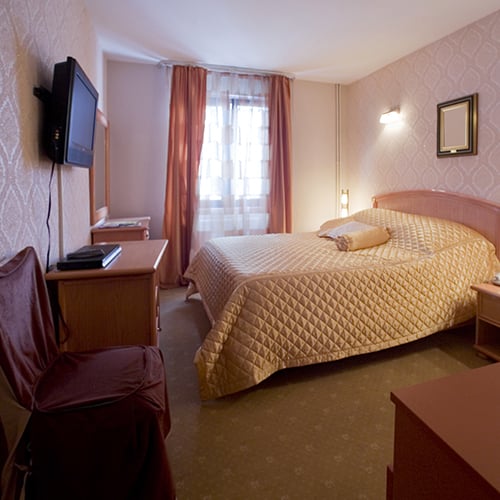
A 2-star hotel occupies a sweet spot, providing more amenities and services than a basic 1-star offering, but without the extensive features and higher price point of a 3-star property. It’s a category designed for the value-conscious traveler who prioritizes cleanliness, safety, and a convenient location over lavish extras. These hotels are pillars of the tourism industry, supporting everything from family trips to business stays and adventurous explorations in destinations across the globe.
Decoding the 2-Star Rating: Understanding the Basics
The star rating system, while not universally standardized across all countries and rating organizations, generally follows a common trajectory of increasing services and facilities with each additional star. A 2-star rating typically signifies a property that offers more than just a place to sleep, but maintains a focus on functionality and affordability.
Core Characteristics and Expectations
At its heart, a 2-star hotel is defined by its ability to provide a clean, comfortable, and secure environment. You can typically expect well-maintained guest rooms, though they might be smaller or have more basic décor compared to higher-rated hotels. The emphasis is on practicality, ensuring that fundamental needs are met without unnecessary embellishments.
Guest rooms will almost always feature a private bathroom, often with a shower, and a toilet. Basic toiletries like soap are usually provided. Beds are generally comfortable, offering a good night’s sleep after a day of exploring London or attending meetings. Other standard room amenities often include a television, air conditioning or heating (depending on the climate and location), and sometimes a telephone for internal calls or local service. Wi-Fi access, once a luxury, is now an expected amenity, even if it’s only available in public areas or comes with a basic speed.
The overall atmosphere of a 2-star hotel is usually informal and welcoming. Staff are often friendly and efficient, focused on ensuring a smooth check-in and check-out process, and ready to assist with basic inquiries. While personalized concierge services are rare, front desk staff can usually offer directions, recommend local attractions, or help with taxi bookings.
Common Services and Facilities
Beyond the room itself, 2-star hotels offer a range of common services and facilities that enhance the guest experience. While these may vary significantly depending on the specific property and its location, some features are quite prevalent:
- Dining Options: Many 2-star hotels will offer some form of breakfast, often a continental buffet, though a full-service restaurant is less common. For instance, a budget hotel chain like Ibis Budget or Motel 6 might have a simple breakfast room. Vending machines for snacks and drinks are also typical.
- Reception Services: A 24-hour front desk is often a standard, providing convenience for late arrivals or early departures. Luggage storage is frequently available, which is a boon for travelers wishing to explore a city like Rome before their check-in time or after check-out.
- Parking: For hotels located outside city centers, or in areas where driving is common, complimentary or paid parking facilities are often provided.
- Accessibility: Basic accessibility features are becoming more common, though the extent can vary. It’s always advisable to check directly with the hotel if specific accessibility needs are paramount.
- Safety and Security: Key card access to rooms and common areas, CCTV surveillance in public spaces, and in-room safes (though not always available at this star level) contribute to guest safety.
The key takeaway is that while these services exist, they are designed for functionality rather than extravagance. The focus remains firmly on providing essentials at a reasonable price point, making them a practical choice for exploring destinations like Paris or Bangkok without breaking the bank.
Who Stays in a 2-Star Hotel? The Target Traveler
Understanding the typical guest profile for a 2-star hotel sheds light on why these establishments are so vital to the travel industry. They cater primarily to those who view accommodation as a base for their adventures rather than the destination itself.
Budget-Conscious Explorers
Perhaps the largest demographic, budget-conscious explorers are travelers who prioritize experiences and attractions over luxurious hotel amenities. They might be solo backpackers traversing Europe, young couples on their first international trip to Mexico City, or families looking to stretch their vacation budget further. For these individuals, a 2-star hotel offers a significant advantage: it frees up financial resources to spend on local culture, food, activities, and iconic landmarks such as the Eiffel Tower or the Colosseum. They value a clean bed, a private bathroom, and a secure location, seeing any extra frills as unnecessary costs. Platforms like Hostelworld and Booking.com often list numerous 2-star options, providing ample choice for this segment.
Practical Business Travelers
Not all business travel demands the executive suites of a 5-star hotel. Many business professionals, especially those on extended assignments, attending conferences, or working with strict company travel budgets, find 2-star hotels to be perfectly adequate. These hotels provide the essential comforts like a comfortable bed, a clean workspace (often a small desk and chair), and reliable Wi-Fi for checking emails and attending virtual meetings. Proximity to business districts, conference centers, or transportation hubs in cities like New York City or Madrid can be a significant draw. For them, efficiency and convenience outweigh the need for a full-service spa or gourmet dining options within the hotel.
Short-Term City Breakers

For those embarking on a weekend getaway or a short city break, a 2-star hotel is an excellent choice. These travelers are typically out exploring from morning until night, only returning to their accommodation to sleep and freshen up. They are often keen to immerse themselves in the local scene, preferring to dine at local restaurants and experience the city’s nightlife rather than staying in. A centrally located 2-star hotel in a vibrant area allows easy access to attractions, public transport, and various eateries, making it an ideal base for experiencing the heart of a destination without the added expense of a higher-tier hotel.
Navigating Your Stay: Tips for Booking and Enhancing Your Experience
Choosing and staying in a 2-star hotel can be a highly satisfying experience, provided you approach it with realistic expectations and a few smart strategies.
Researching and Reading Reviews
This is perhaps the most crucial step when booking any hotel, but especially so for 2-star properties where quality can vary more widely. Utilize reputable review platforms like TripAdvisor, Google Reviews, and Booking.com. Pay close attention to recent reviews regarding cleanliness, staff helpfulness, noise levels, and the actual condition of the rooms and facilities. Look for recurring comments, both positive and negative. Photos uploaded by other travelers can provide a more accurate depiction than professional hotel photos. A consistently good score, even for a 2-star hotel, often indicates a well-run establishment that prioritizes guest satisfaction within its category.
Location, Location, Location
For budget-conscious travelers, the location of a 2-star hotel can be a major deciding factor. Often, 2-star hotels strategically position themselves near major transport links (train stations, subway stops), tourist attractions, or business centers. This allows guests to save money on transportation costs and maximize their time exploring. For example, a 2-star hotel near Grand Central Station in New York City offers immense convenience despite its modest rating. Check the map carefully before booking to ensure the hotel is situated in an area that aligns with your travel itinerary, whether you’re focusing on famous places, local culture, or specific business venues.
Maximizing Value and Comfort
Even within a 2-star setting, there are ways to enhance your stay and ensure you get the best value for your money:
- Communicate Needs: Don’t hesitate to communicate any specific needs or preferences when booking or at check-in. For instance, if you’re a light sleeper, request a room away from the street or elevator.
- Utilize Public Transport: Leverage the often-convenient location of 2-star hotels by utilizing local public transport. This is not only cost-effective but also offers an authentic local experience, far removed from luxury travel.
- Explore Local Dining: Instead of relying solely on hotel dining (if any), embrace the opportunity to discover local eateries, cafes, and markets. This is a cornerstone of experiencing local culture and food, often at a fraction of the cost.
- Bring Your Own Extras: If there are specific amenities you can’t live without (e.g., particular toiletries, a travel kettle for tea/coffee, a multi-device charger), consider bringing them, as 2-star hotels might offer limited options.
- Loyalty Programs: Some 2-star hotels belong to larger chains that offer loyalty programs. Even at this level, accumulating points can lead to discounts or perks on future stays. For example, chains like Accor Hotels have various budget brands under their umbrella.
By being resourceful and informed, travelers can transform a seemingly basic 2-star hotel stay into a comfortable and enriching part of their overall travel experience.
Beyond the Stars: A Comparison with Other Hotel Categories
To fully appreciate the niche a 2-star hotel fills, it’s useful to compare it with the categories immediately above and below it. This provides context on what you gain by opting for a 2-star over a 1-star, and what you might miss by not upgrading to a 3-star.
1-Star vs. 2-Star: What’s the Difference?
The jump from 1-star to 2-star, while seemingly small, often represents a significant upgrade in terms of comfort and reliability.
- 1-Star Hotels: These are the most basic accommodations, offering minimal services. Rooms might sometimes have shared bathrooms, and amenities are very limited. Think of guesthouses or very basic inns where the primary offering is a bed in a room. While they are incredibly budget-friendly, consistency in cleanliness and comfort can be highly variable, and services like a 24-hour reception might be absent.
- 2-Star Hotels: The key differentiator here is the expectation of a private bathroom for every room, along with a higher standard of cleanliness and maintenance. You also typically get a television, basic room furnishings, and often a more professional front desk operation. While still budget-focused, a 2-star establishment provides a more predictable and generally more comfortable experience, reducing the “unknowns” often associated with 1-star properties.
For many travelers, the peace of mind that comes with a private bathroom and a guaranteed level of basic service makes the slight price increase from a 1-star to a 2-star hotel well worth it.

Stepping Up: The Gap to 3-Star Hotels
Moving from a 2-star to a 3-star hotel brings noticeable enhancements, primarily in the range of services, quality of facilities, and overall aesthetic.
- 3-Star Hotels: These properties typically offer more spacious rooms, a higher standard of décor, and a wider array of amenities. You’re more likely to find a full-service restaurant, a bar, perhaps a small fitness center, business services, and sometimes room service. The lobby areas are often more inviting, and staff may offer more personalized service. Locations can also be more premium. The overall experience is designed for a higher level of comfort and convenience, suitable for both leisure and business travelers seeking a good balance between quality and cost. Chains like Holiday Inn Express or Hampton Inn are often found in this category.
- The 2-Star Advantage: While 3-star hotels offer more, the 2-star category holds its own by providing exceptional value. For travelers who spend most of their time outside the hotel, the added luxuries of a 3-star property might be an unnecessary expense. A 2-star hotel still offers a reliable and comfortable base without charging for amenities that may go unused. This makes it an ideal choice for long-term stay options for budget travelers or those on extended trips who prioritize affordability.
Ultimately, a 2-star hotel is a strategic choice for travelers who understand their priorities. It’s not about grand luxury, but about intelligent travel – ensuring a clean, safe, and convenient place to rest, allowing the focus and budget to remain on the rich experiences that a destination like Japan or Australia has to offer. By setting realistic expectations and utilizing available resources like online reviews and comparison sites, guests can unlock the full potential of these practical and value-driven accommodations.
LifeOutOfTheBox is a participant in the Amazon Services LLC Associates Program, an affiliate advertising program designed to provide a means for sites to earn advertising fees by advertising and linking to Amazon.com. Amazon, the Amazon logo, AmazonSupply, and the AmazonSupply logo are trademarks of Amazon.com, Inc. or its affiliates. As an Amazon Associate we earn affiliate commissions from qualifying purchases.