
In the dynamic landscape of modern travel and accommodation, the concept of a hotel has evolved far beyond a simple room for a night or two. Among the specialized offerings designed to meet diverse traveler needs, the extended stay hotel stands out as a unique and increasingly popular option. Unlike traditional hotels, which cater primarily to short-term guests, an extended stay property is meticulously crafted to provide comfort, convenience, and functionality for individuals or families requiring accommodation for several weeks, months, or even longer. It blurs the lines between a hotel room and a temporary apartment, offering a “home away from home” experience that traditional lodgings simply cannot match.
The emergence of extended stay hotels reflects a growing demand from various traveler segments. From corporate professionals on long-term assignments to families undergoing relocation, medical patients seeking specialized treatment, or even leisure travelers desiring a deeper immersion into a local culture, the need for comfortable, self-sufficient, and cost-effective long-term lodging has never been more pronounced. These properties are designed to alleviate the stresses often associated with prolonged travel, providing essential amenities that support daily living, productivity, and a sense of normalcy, even when far from one’s permanent residence.
The Core Concept: Home Away From Home
At its heart, an extended stay hotel embodies the philosophy of providing a residential-style experience within a hospitality setting. The fundamental design and service model diverge significantly from conventional hotels, prioritizing features that enable guests to settle in and maintain routines that might otherwise be disrupted during an extended period away from home. This distinct approach is evident in everything from the layout of the rooms to the frequency of housekeeping and the range of on-site facilities.
Distinguishing Features and Amenities
The defining characteristics of extended stay hotels are centered around offering greater space, privacy, and self-sufficiency. These properties are engineered to support long-term living, making them ideal for anyone needing more than just a place to sleep.
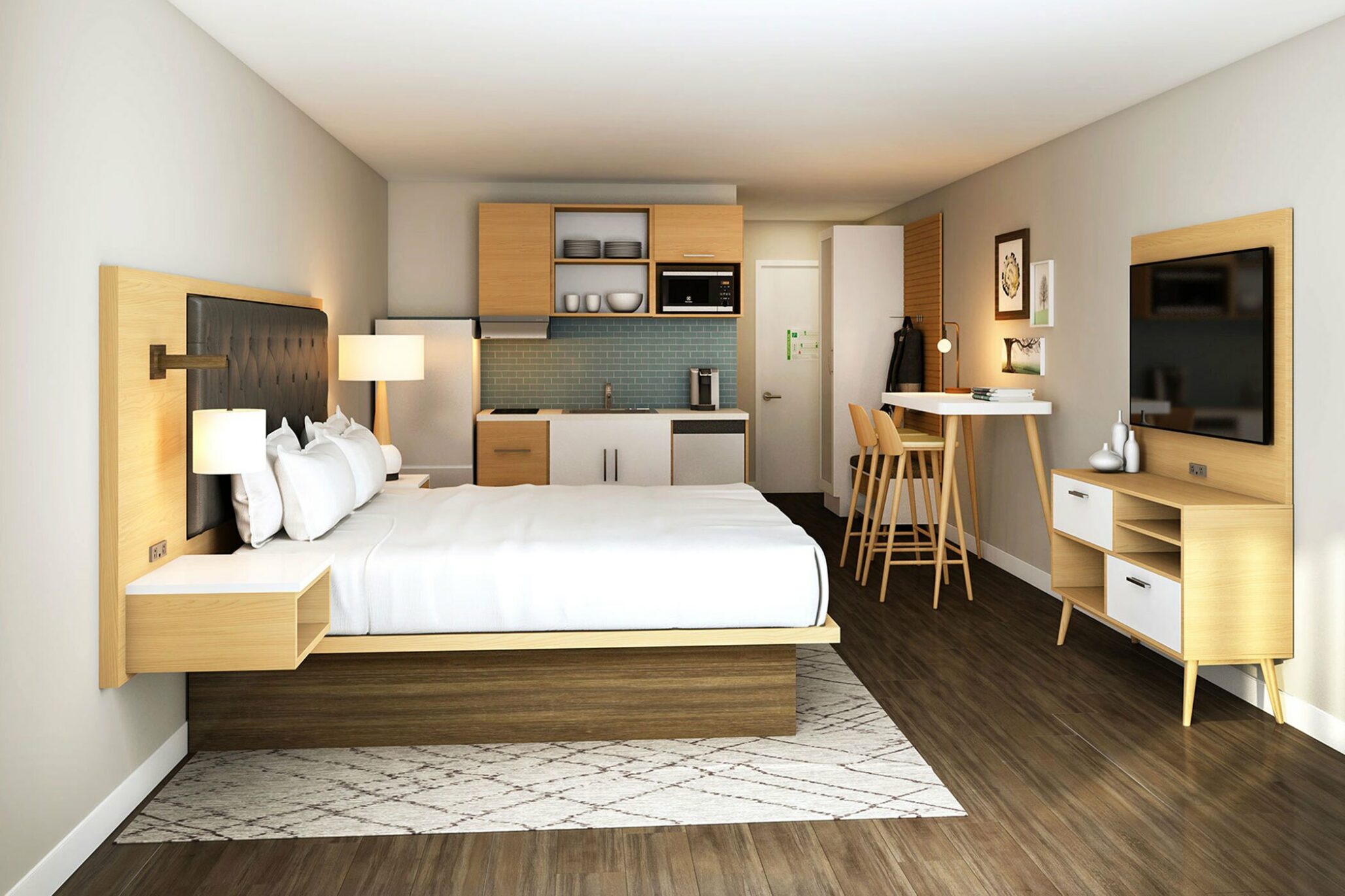
- Kitchenette or Full Kitchen: Perhaps the most significant differentiator is the inclusion of cooking facilities. Most extended stay suites feature at least a kitchenette, equipped with a microwave, refrigerator, stovetop, and often a dishwasher, along with basic cookware and dishware. Many upscale properties, like Residence Inn by Marriott or Homewood Suites by Hilton, offer full-sized kitchens. This allows guests to prepare their own meals, significantly reducing dining expenses and providing dietary flexibility, a crucial aspect for long-term stays.
- Separate Living and Sleeping Areas: Unlike a standard hotel room, which often combines all functions into one space, extended stay accommodations typically offer distinct areas for living, sleeping, and sometimes even working. These can range from studio layouts with dedicated zones to multi-room suites with separate bedrooms and living rooms. This spatial separation enhances comfort, privacy, and the ability for guests to host visitors or conduct work without disturbing others.
- Laundry Facilities: The availability of laundry services is essential for extended periods. Most extended stay hotels provide on-site, self-service laundry facilities, often complimentary or coin-operated. Some premium suites even include in-room washer and dryer units, a convenience highly valued by families and business travelers alike. Brands such as Staybridge Suites by IHG frequently emphasize this amenity.
- Modified Housekeeping Schedules: To afford guests greater privacy and a more residential feel, housekeeping services in extended stay hotels are typically less frequent than in traditional hotels. While daily towel refreshes might be available, full cleaning often occurs weekly or bi-weekly. This allows guests to maintain their personal space without constant intrusion.
- Business Services and Connectivity: Recognizing that many extended stay guests are on business, these hotels offer robust Wi-Fi, often complimentary, and may include dedicated workspaces within suites. Business centers with printing, copying, and fax services are common, and some properties even provide meeting rooms for small gatherings or presentations. This focus on connectivity and productivity supports the digital nomad lifestyle and long-term remote work.
- Fitness Centers and Pools: Maintaining a healthy routine is easier with access to fitness facilities. Most extended stay properties include a fitness center, and many also feature an indoor or outdoor swimming pool, offering recreational opportunities and stress relief.
- Complimentary Breakfast and Socials: To foster a sense of community and further enhance guest convenience, many extended stay brands offer complimentary daily breakfast. Some, like Embassy Suites, also host evening social receptions with snacks and beverages, providing a relaxed environment for guests to unwind and interact.
Why Choose an Extended Stay?
The benefits of opting for an extended stay hotel extend beyond mere amenities, touching upon critical aspects of budget, comfort, and lifestyle.
- Cost-Effectiveness for Longer Stays: This is often the primary driver for choosing an extended stay. These properties typically offer significantly discounted weekly and monthly rates compared to daily hotel rates. When factoring in the ability to cook meals rather than relying on expensive restaurant dining, the savings become substantial over time, making them a smart financial choice for a long trip to a city like London or New York City.
- Flexibility and Convenience: Extended stay hotels offer a blend of apartment-style living with hotel services. Guests enjoy the flexibility of a private space combined with the convenience of front desk support, maintenance, and sometimes even grocery delivery services. This ease of living is particularly appealing during periods of transition or intense work.
- Comfort and Space: The generous square footage and multi-functional layouts provide a much greater degree of comfort than a standard hotel room. Guests have room to spread out, store belongings, and relax in an environment that feels more like a home.
- Ability to Cook Own Meals: As mentioned, the kitchen facilities are a game-changer. They cater to specific dietary needs, allow for healthier eating habits, and offer a taste of home that can be invaluable during prolonged travel.
Who Benefits Most from Extended Stay Hotels?
The versatility and practical advantages of extended stay hotels make them an ideal choice for a wide array of travelers, each with distinct needs that these properties are uniquely equipped to address. Their design caters to situations that demand more than just a temporary stopover, providing stability and functionality.
The Diverse Traveler Profiles
The clientele for extended stay hotels is remarkably diverse, reflecting the multifaceted nature of modern travel and temporary relocation.
- Business Travelers: This segment forms a significant portion of extended stay guests. Professionals on long-term assignments, project managers overseeing remote operations, consultants, or individuals undergoing corporate training often require accommodation for weeks or months. Extended stay hotels provide a stable environment with the necessary amenities for productivity, such as reliable internet, a workspace, and the ability to maintain a routine. TownePlace Suites by Marriott is a popular choice for this demographic.
- Relocating Families and Individuals: Moving to a new city, whether for work or personal reasons, often involves a transition period. Extended stay hotels offer a perfect temporary home while searching for permanent housing, waiting for a lease to begin, or shipping household goods. The extra space, kitchen facilities, and amenities like pools make the transition smoother, especially for families with children.
- Medical Travelers: Patients undergoing lengthy treatments, those recovering from surgery, or family members accompanying them to medical facilities frequently utilize extended stay options. Proximity to hospitals and the ability to prepare special diets are crucial benefits in these sensitive situations. Properties often partner with local medical centers.
- Digital Nomads and Remote Workers: The rise of remote work has fueled a new generation of travelers who combine work and exploration. Digital nomads seek accommodations that support their work-life balance, offering a comfortable, functional space with good connectivity and the flexibility to immerse themselves in local communities, whether in Europe or Asia. Extended stay hotels provide the infrastructure for productivity while allowing for deeper cultural experiences.
- Leisure Travelers on Long Vacations: While less common for short trips, some leisure travelers opt for extended stays when planning long vacations or wanting to explore a specific region deeply. This allows them to unpack, settle in, and truly experience local life, cooking with local ingredients, and visiting attractions at a relaxed pace.
- Students and Interns: Students on internships, exchange programs, or short-term academic courses often find extended stay hotels more suitable and cost-effective than traditional dorms or short-term apartment rentals, especially if the duration is just a few months.
Scenarios Where Extended Stays Shine
Beyond specific traveler types, certain life situations are perfectly addressed by the extended stay model:
- Home Renovations: When a home is undergoing extensive renovations, families may need temporary accommodation. Extended stay hotels offer a convenient solution without the commitment of a long-term lease.
- Insurance Claims and Displacements: In unfortunate events like fire or flood damage, families or individuals displaced from their homes by insurance claims find extended stay hotels to be a compassionate and practical solution for temporary housing.
- Seasonal Workers: Industries with seasonal demand, such as agriculture, tourism, or construction, often require temporary housing for their workforce. Extended stay hotels provide a more comfortable and equipped alternative to traditional worker housing.
Types of Extended Stay Properties and Brands
The extended stay market is not monolithic; it encompasses a spectrum of brands and property types, each targeting different budgets, amenity preferences, and lifestyle needs. This diversity ensures that whether you’re seeking a no-frills, economical option or a luxurious, full-service residence, there’s an extended stay property to match.
From Budget-Friendly to Upscale Options
The major hotel chains have recognized the growing demand for extended stay accommodations and have developed distinct brands to cater to various market segments, ranging from basic to premium.
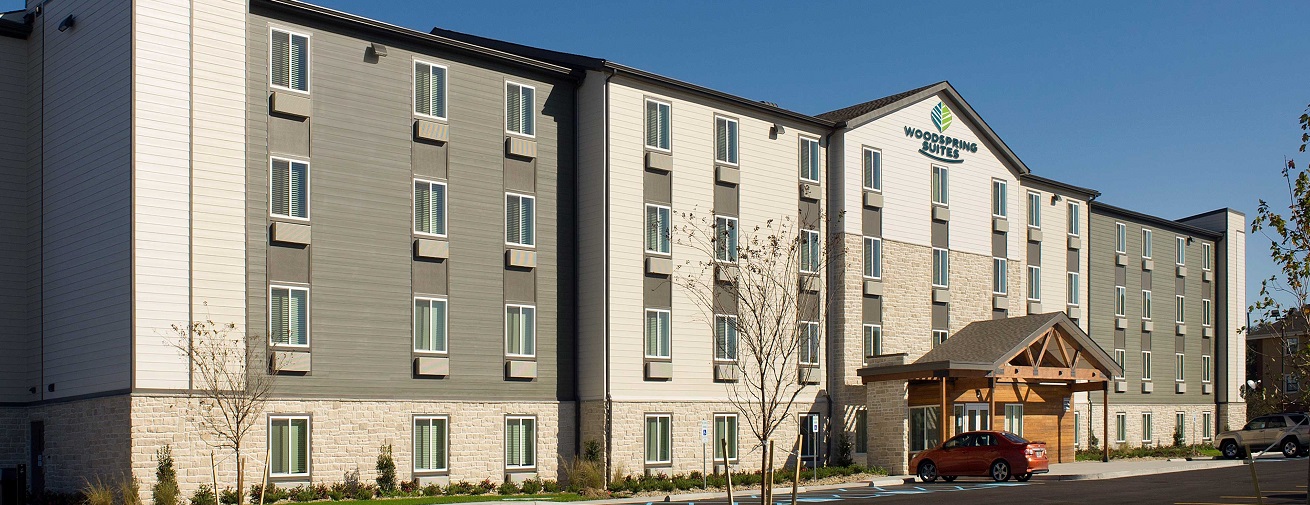
- Economy Brands: These properties focus on providing essential amenities at an affordable price point, ideal for budget-conscious travelers or those on long-term work assignments. Examples include Motel 6 Extended Stay, WoodSpring Suites (part of Choice Hotels), and Extended Stay America. They typically offer basic kitchenettes, laundry facilities, and weekly housekeeping, prioritizing value and functionality.
- Mid-Range Brands: This is the largest and most competitive segment, offering a balance of comfort, convenience, and value. These brands provide more spacious suites, often with full kitchens, complimentary breakfast, fitness centers, and social events. They are popular among business travelers, relocating families, and medical guests. Key players include Residence Inn (Marriott), Homewood Suites (Hilton), TownePlace Suites (Marriott), Staybridge Suites (IHG), Candlewood Suites (IHG), and Sonesta ES Suites.
- Upscale and Luxury Brands: For those seeking a more refined experience with premium services and sophisticated design, upscale extended stay options are available. These properties often feature larger, more stylish suites, higher-end finishes, enhanced amenities like pet-friendly policies, and potentially more frequent housekeeping or concierge services. Brands such as Element by Westin (Marriott), Hyatt House (Hyatt), and independent luxury serviced apartments like AKA Hotels fall into this category, offering an elevated residential feel.
Location, Location, Location
The placement of an extended stay hotel is often a critical factor in a guest’s decision, as it directly impacts convenience and access to necessities.
- Urban Centers vs. Suburban Areas: Many extended stay properties are strategically located in suburban areas or business parks, offering easy access to corporate offices, hospitals, and universities while avoiding the higher costs and congestion of downtown cores. However, an increasing number are also found in urban centers, catering to those who prefer city life and proximity to cultural attractions like the Eiffel Tower in Paris or Central Park in New York City.
- Proximity to Key Destinations: Whether situated near a major hospital, a university campus, a corporate headquarters, or a popular tourist destination, the location is chosen to serve the specific needs of the target extended stay demographic. This thoughtful placement reduces commute times and simplifies daily logistics for guests.
Making the Most of Your Extended Stay
An extended stay is more than just booking a room; it’s about establishing a temporary lifestyle. To truly maximize the benefits and ensure a comfortable, productive, and enjoyable experience, a few strategic considerations can make a significant difference. From the initial booking process to settling into your new temporary home, being prepared can enhance your overall satisfaction.
Booking Tips and Considerations
Securing the right extended stay hotel involves more than just finding the cheapest rate; it requires a nuanced approach to ensure the property meets your specific long-term needs.
- Compare Rates Diligently: Always compare weekly and monthly rates against daily rates. The longer your stay, the more substantial the discounts become. Don’t hesitate to contact the hotel directly to inquire about special long-term packages or corporate rates, as these might not always be advertised online. Platforms like LifeOutOftheBox can help compare options.
- Understand Cancellation Policies: For extended stays, flexibility is key. Life circumstances can change unexpectedly, so familiarize yourself with the cancellation policy, especially for longer commitments. Look for options that offer reasonable flexibility without hefty penalties.
- Read Reviews with a Long-Term Lens: While general hotel reviews are helpful, pay particular attention to feedback from guests who have stayed for extended periods. They will offer insights into aspects crucial for long-term comfort, such as kitchen functionality, Wi-Fi reliability, laundry facilities, and the overall atmosphere for settled guests.
- Leverage Loyalty Programs: If you frequently travel with a particular hotel chain like Marriott or Hilton, ensure you book through their loyalty program. Extended stays accumulate significant points, which can lead to valuable rewards, free nights, or elite status upgrades.
- Consider Direct Booking Advantages: Booking directly with the hotel often provides benefits not available through third-party sites, such as more flexible cancellation terms, direct access to management for special requests, and sometimes even exclusive long-term discounts.

Enhancing Your Long-Term Experience
Once you’ve booked your extended stay, there are several ways to personalize your experience and truly make it feel like home.
- Personalize Your Space: Bring items that provide comfort and familiarity – a favorite blanket, photos, a specific coffee mug, or a portable speaker. While the hotel provides furnishings, adding personal touches can significantly reduce the feeling of being in a sterile, temporary space.
- Utilize Hotel Amenities: Don’t overlook the amenities your extended stay offers. Make use of the fitness center, swimming pool, business center, and complimentary breakfast or evening socials. These facilities are designed to enhance your stay and provide opportunities for recreation and networking.
- Explore the Local Area: An extended stay offers the perfect opportunity for deep immersion into the local culture. Venture beyond the immediate vicinity of your hotel. Explore local markets, try regional cuisine, visit parks, and engage with community events. This deeper exploration can transform a temporary stay into a richer, more memorable experience, fitting perfectly with the Lifestyle focus of travel.
- Connect with Other Guests: Many extended stay properties foster a sense of community through common areas or social events. Engaging with other guests can lead to new friendships, shared tips about the local area, or simply a friendly face.
- Maintain a Routine: Establishing a daily routine, even when away from home, can provide a sense of stability and normalcy. This might involve waking up at a consistent time, utilizing the hotel’s gym, cooking a favorite meal, or scheduling regular times for work and relaxation.
In conclusion, extended stay hotels represent a thoughtfully designed category of accommodation that caters to the evolving demands of modern travelers. By offering the perfect blend of hotel services and residential comforts, they provide a practical, cost-effective, and comfortable solution for anyone needing a “home away from home” for an extended period. Whether for business, relocation, medical needs, or simply a desire for deeper travel immersion, understanding the unique features and benefits of extended stay hotels can unlock a more enriching and stress-free long-term travel experience.
LifeOutOfTheBox is a participant in the Amazon Services LLC Associates Program, an affiliate advertising program designed to provide a means for sites to earn advertising fees by advertising and linking to Amazon.com. Amazon, the Amazon logo, AmazonSupply, and the AmazonSupply logo are trademarks of Amazon.com, Inc. or its affiliates. As an Amazon Associate we earn affiliate commissions from qualifying purchases.