
The anticipation of arriving at your hotel, dropping off your luggage, and settling into your home away from home is a fundamental part of any travel experience. Whether you’re embarking on an adventurous journey to Tokyo, a romantic getaway to Paris, or a business trip to New York City, understanding hotel check-in times is crucial for a smooth and stress-free start to your stay. While the concept seems straightforward, the reality can often be more nuanced, influenced by everything from the hotel’s operational logistics to your specific room type and even your loyalty status. This comprehensive guide will explore the standard check-in landscape, delve into the intricacies of early check-in, offer strategies for managing early arrivals, and provide insights into various accommodation types, ensuring you’re well-prepared for your next adventure.

Understanding Standard Hotel Check-in Times
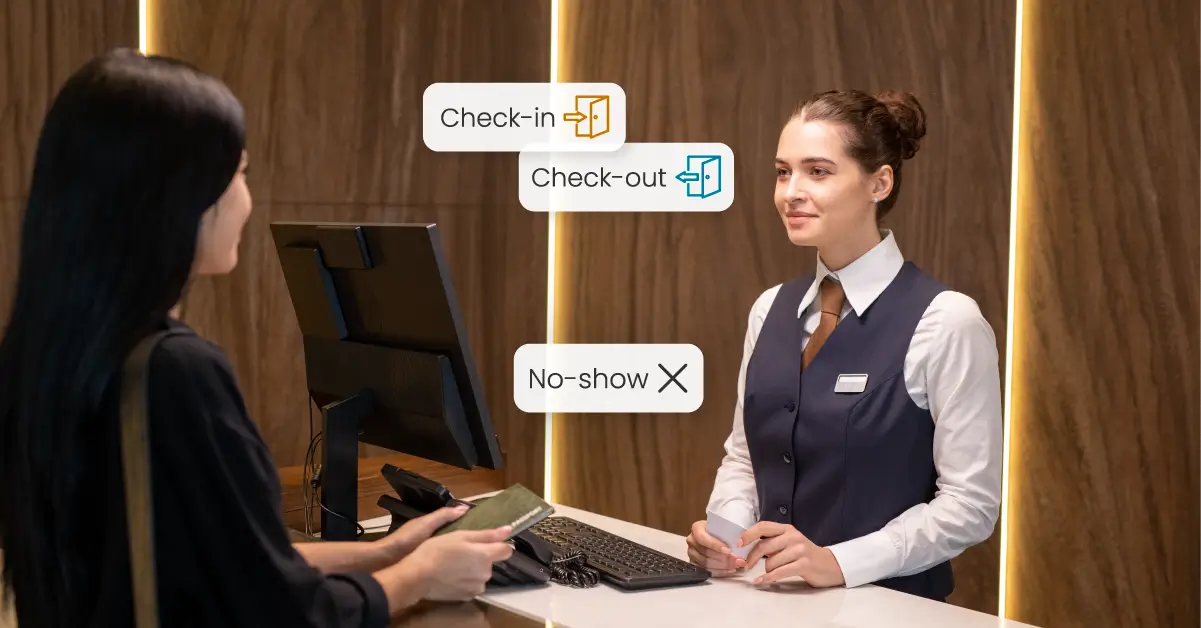
Before diving into the exceptions, it’s essential to grasp the typical check-in windows that hotels operate within. The vast majority of hotels, from budget-friendly options to luxurious five-star resorts, adhere to a standard check-in time, usually in the mid-afternoon.
The Rationale Behind Standard Check-in
The establishment of a universal check-in time is not arbitrary; it’s a meticulously planned operational decision designed to ensure efficiency and quality. When you arrive at a hotel, your room isn’t simply empty and waiting; it’s likely just been vacated by previous guests. The period between check-out and check-in is a critical window for the hotel’s housekeeping and maintenance teams.
Think about it: a typical check-out time is around 11:00 AM or 12:00 PM. Once guests depart, the housekeeping staff springs into action. Each room undergoes a thorough cleaning, sanitization, and restocking process. Beds are stripped and remade, bathrooms are meticulously scrubbed, amenities are replenished, and every surface is polished. This extensive process ensures that the room meets the hotel’s stringent cleanliness standards and is perfectly prepared for its next occupant. Depending on the size of the hotel, the number of rooms, and the available staff, this can take several hours. Furthermore, maintenance issues might be addressed during this time, ensuring everything from the air conditioning to the television is in perfect working order. This dedicated preparation time is why hotels cannot simply allow new guests into rooms moments after others have left.
Why 3 PM is the Common Standard
Across the globe, the most prevalent standard check-in time falls between 3:00 PM and 4:00 PM. This timeframe provides a generous buffer for the hotel staff to complete all necessary preparations. For a hotel with hundreds of rooms, coordinating the cleaning and inspection of every single unit in just a few hours is a monumental task. By setting check-in for mid-afternoon, hotels maximize their operational efficiency, minimize guest waiting times, and maintain high standards of service.
This standard also helps in managing the flow of guests. Staggering check-in and check-out times prevents the lobby from becoming excessively crowded, allowing the front desk staff to provide personalized attention to each guest without feeling overwhelmed. While 3:00 PM is a widely adopted standard, some hotels, particularly those catering to specific markets or in certain regions, might have slightly different times. For instance, some boutique hotels in Europe might offer 2:00 PM check-in, while large resorts in popular destinations like Dubai might stick to 4:00 PM due to their sheer scale and the volume of turnover. Always confirm the exact check-in time directly with your chosen hotel or through your booking confirmation.
Navigating Early Check-in Requests
Arriving at your destination after a long overnight flight, perhaps from London to Sydney, and finding yourself hours away from the standard check-in time can be frustrating. This is where the concept of early check-in becomes incredibly valuable. While not always guaranteed, there are several strategies and factors that can increase your chances of getting into your room ahead of schedule.
How to Request Early Check-in
The key to a successful early check-in lies in proactive communication. Do not wait until you are standing at the front desk, exhausted and hopeful. Instead, reach out to the hotel in advance.
- Contact the Hotel Directly: As soon as your travel plans are firm, consider calling or emailing the hotel. Inform them of your estimated early arrival time and politely inquire about the possibility of an early check-in. This gives the hotel staff a heads-up and allows them to potentially prioritize cleaning a room for you.
- Mention Special Occasions: If you’re celebrating a special occasion, such as an anniversary, birthday, or honeymoon, mention it. Hotels are often keen to enhance guest experiences during these times and might be more accommodating.
- Book Directly: Often, booking directly through the hotel’s official website or reservation line can give you an advantage. Hotels tend to prioritize guests who book direct over those who use third-party online travel agencies (OTAs) like Expedia or Booking.com. Direct bookings often come with better flexibility and more personalized service.
Factors Influencing Early Check-in Approval
The hotel’s ability to grant early check-in is heavily dependent on several operational factors:
- Occupancy Levels: This is arguably the most significant factor. If the hotel was fully booked the night before, and all rooms are turning over, the chances of an early check-in are slim. Conversely, if the hotel had low occupancy, there might be clean, vacant rooms readily available.
- Room Type: Certain room types, especially suites or highly specialized rooms, may have fewer available options, making early check-in more difficult to accommodate. Standard rooms tend to have more flexibility.
- Time of Arrival: Arriving at 9:00 AM versus 1:00 PM makes a significant difference. The closer you are to the standard check-in time, the higher your chances.
- Hotel Staff Discretion: Sometimes, it simply comes down to the discretion of the front desk manager. A friendly demeanor and polite request can go a long way.
The Cost of Guaranteed Early Access
While many hotels will try to accommodate early check-in requests free of charge based on availability, some offer guaranteed early check-in for a fee. This is more common in high-demand areas or during peak seasons. The cost can vary widely, from a flat fee (e.g., $50-$100) to a percentage of the nightly rate, sometimes even equivalent to a half-day rate. If you absolutely need to be in your room at a specific early time, this might be a worthwhile investment. Always inquire about these options when contacting the hotel. For ultimate certainty, booking the room for the night before your arrival date is the only way to guarantee immediate access upon your very early arrival.
Strategies for Dealing with Early Arrival
Even with the best planning, sometimes early check-in isn’t possible. This doesn’t mean your trip is off to a bad start. There are plenty of ways to make the most of your early arrival while waiting for your room to be ready.
Storing Luggage and Exploring the Area
Nearly all hotels offer complimentary luggage storage services. This is a lifesaver for early arrivals. Once your bags are safely stowed, you’re free to explore your surroundings unburdened. If you’ve arrived in a vibrant city like Rome, you could take a leisurely stroll past the Colosseum or toss a coin into the Trevi Fountain. In Singapore, perhaps a visit to the Gardens by the Bay or the iconic Marina Bay Sands rooftop pool area could fill the hours. Researching nearby attractions, cafes, or shops beforehand can turn potential waiting time into an exciting part of your itinerary. Many hotels are located within walking distance of famous landmarks or local hotspots, making it easy to start your exploration immediately.
Utilizing Hotel Amenities Before Check-in
Even if your room isn’t ready, many hotels welcome guests to use their public facilities. This can include:
- Fitness Centers and Pools: A refreshing swim or a quick workout can be a great way to re-energize after a journey.
- Restaurants and Bars: Grab breakfast, lunch, or a coffee at the hotel’s dining establishments. This offers a comfortable space to relax and refuel.
- Business Centers: If you need to catch up on work, the hotel’s business center might provide computers and Wi-Fi access.
- Lounges: Many high-end hotels and those with executive lounges (accessible to elite members or those who have booked a specific room type) offer comfortable seating, complimentary refreshments, and quiet spaces.
Always ask the front desk about which amenities are available for early arrivals. Sometimes, they might even provide access to changing rooms or shower facilities if you inquire politely.
The Benefits of Loyalty Programs
If you frequently travel, joining a hotel’s loyalty program can significantly enhance your experience. Programs like Marriott Bonvoy, Hilton Honors, World of Hyatt, or IHG One Rewards often offer perks that include priority early check-in (subject to availability) for elite members. As you ascend through the tiers of a loyalty program, the likelihood of receiving these benefits increases. For example, a Platinum Elite member with Marriott Bonvoy or a Diamond member with Hilton Honors is much more likely to be granted an early check-in than a general member, especially if they have booked directly. These programs also offer other advantages like complimentary room upgrades, late check-out, and free Wi-Fi, which can further smooth out any travel hiccups.
Understanding Late Check-out and Its Implications
Just as early check-in is a common request, so too is late check-out. Whether you have a late flight, an afternoon meeting, or simply want to maximize your relaxation, extending your stay beyond the standard check-out time can be incredibly convenient.
Requesting a Late Check-out
Similar to early check-in, the best approach for late check-out is to communicate with the hotel.
- Inquire in Advance: While it’s harder to guarantee late check-out far in advance, you can certainly express your interest. The morning of your check-out day, or even the evening before, is the ideal time to make your request.
- Speak to the Front Desk: Politely explain your need for a later departure. Again, loyalty program status plays a significant role here, with elite members often receiving complimentary late check-outs.
- Flexibility is Key: Be prepared to be flexible. The hotel might not be able to offer the full extension you desire, but even an hour or two can make a big difference.
How Late Can You Check Out?
The extent to which a hotel can grant late check-out depends heavily on the day’s occupancy and the specific room you are in.
- Complimentary Extensions: Many hotels will offer an hour or two (e.g., until 1:00 PM or 2:00 PM) free of charge, especially to valued guests or during periods of low occupancy. This typically provides sufficient time for guests to finish packing, have a final meal, or just relax a bit longer.
- Half-Day or Full-Day Fees: If you need to stay significantly later, say until 4:00 PM or 6:00 PM, the hotel might charge a half-day rate. For stays extending beyond that, you might be charged a full night’s rate, as the room cannot be prepared for new arriving guests that day.
- Guaranteed Late Check-out: Some loyalty programs, particularly at their highest tiers, offer guaranteed late check-out (e.g., 4:00 PM for Marriott Bonvoy Platinum Elite and above, subject to specific brand exclusions). This is a valuable perk that provides peace of mind.
Alternative Accommodation Types and Their Check-in Policies
While traditional hotels often adhere to standard check-in and check-out times, other types of accommodation offer varying degrees of flexibility. Understanding these differences can help you choose the best option for your travel style and itinerary.
Vacation Rentals and Airbnb
Platforms like Airbnb, Vrbo, and local vacation rental companies often provide more flexibility than hotels. Check-in times for vacation rentals are typically set by individual hosts, and they can vary wildly.
- Self Check-in: Many vacation rentals now offer self check-in via lockboxes, keypads, or smart locks, allowing you to access the property at any time after the designated check-in hour (e.g., 3:00 PM, but without human interaction). This can be a huge advantage for late arrivals or early departures.
- Direct Coordination with Host: For other properties, you’ll need to coordinate directly with the host to arrange a key exchange or to confirm your arrival time. This can sometimes lead to more flexibility if the property isn’t booked the night before or after your stay.
- Early Check-in/Late Check-out Fees: While some hosts might accommodate early check-in or late check-out for free, many will charge an additional fee, similar to hotels, especially if it impacts their cleaning schedule or subsequent bookings. Always clarify this with the host before booking.
Hostels and Guesthouses
Hostels and guesthouses often cater to budget travelers and backpackers, and their check-in policies can be more relaxed or, conversely, more rigid than hotels.
- Fixed Check-in Windows: Some hostels have specific reception hours, meaning you can only check in during those times. If you arrive outside these hours, you might need to use a self check-in process or incur a late check-in fee.
- 24-Hour Reception: Larger hostels, especially in major cities, might offer 24-hour reception, making check-in convenient at any time.
- Baggage Storage: Almost all hostels offer luggage storage, allowing you to drop off your bags and explore until your dorm or private room is ready.
Boutique Hotels and Unique Stays
Boutique hotels, often smaller and independently owned, and unique accommodations like glamping sites or farm stays, might have more personalized check-in processes.
- Personalized Service: Owners or managers might be more flexible and accommodating, especially if you communicate your needs in advance.
- Limited Staff: Conversely, some smaller establishments might have limited staff, requiring you to adhere strictly to their stipulated check-in times.
- Specific Instructions: Always read the booking confirmation carefully for specific instructions regarding check-in procedures, especially for remote or unconventional properties.
Advanced Tips for a Seamless Check-in Experience
Beyond the standard advice, there are several advanced tips that can further streamline your check-in process and enhance your overall travel experience.
Communication is Key
We’ve emphasized it before, but it bears repeating: proactive communication is your most powerful tool. Don’t wait until you’re on the doorstep of the Grand Hyatt Hotel in Sydney after a long flight from San Francisco to inquire about early check-in. A quick call or email to the hotel a few days before your arrival can make all the difference. Confirming your arrival time, reiterating any special requests, or simply letting them know you’re excited for your stay can put you in good stead. This allows the hotel to anticipate your needs and potentially make arrangements, such as pre-assigning a room that is likely to be cleaned earlier.
Leveraging Technology
The hospitality industry has embraced technology to make check-in more efficient and convenient.
- Mobile Check-in Apps: Many major hotel chains offer mobile apps that allow you to check in digitally, often even selecting your room, before you arrive. Some apps also provide a digital key, letting you bypass the front desk entirely and go straight to your room. This is particularly useful in bustling hubs like Chicago or Bangkok.
- Kiosk Check-in: Some hotels have self-service kiosks in their lobbies, similar to airline check-in, where you can quickly check in, receive your room key, and sometimes even upgrade your room.
- Online Communication: Utilize online chat features or messaging services provided by the hotel or booking platforms to communicate any specific requests or arrival details.

Considering Your Travel Itinerary
When booking your flights and planning your itinerary, consider how it aligns with your accommodation’s check-in times.
- Flight Arrival Times: If possible, try to book flights that land closer to your hotel’s standard check-in time. While cheaper red-eye flights might seem appealing, arriving at 6:00 AM and having nowhere to go can quickly diminish the savings.
- Connecting Flights: If you have connecting flights, especially internationally, factor in potential delays that could impact your arrival time. Always have a contingency plan.
- Day Use Hotels: In some major airports or cities, “day-use” hotels offer rooms for a few hours during the day, perfect for freshening up, napping, or working if you have a very early arrival or late departure and cannot secure an early check-in or late check-out at your main hotel. These are often found near busy travel hubs like Frankfurt Airport or Heathrow Airport.
Ultimately, a successful and stress-free check-in experience is a blend of understanding hotel policies, proactive communication, and smart planning. By being informed and prepared, you can transform what could be a frustrating wait into a seamless transition, allowing you to fully enjoy your destination, whether it’s exploring the historic streets of Prague or relaxing on the beaches of Bali. Safe travels!
LifeOutOfTheBox is a participant in the Amazon Services LLC Associates Program, an affiliate advertising program designed to provide a means for sites to earn advertising fees by advertising and linking to Amazon.com. Amazon, the Amazon logo, AmazonSupply, and the AmazonSupply logo are trademarks of Amazon.com, Inc. or its affiliates. As an Amazon Associate we earn affiliate commissions from qualifying purchases.