
The name “Four Seasons Hotel” evokes an immediate sense of unparalleled luxury, meticulous service, and unforgettable travel experiences. For decades, this brand has stood as a beacon in the global hospitality industry, synonymous with refined accommodation and bespoke tourism. However, beyond the opulent lobbies, the stunning resorts, and the seamless service, a fundamental question often arises for many: who truly owns this prestigious hotel empire? The answer is not as straightforward as a single entity but involves a fascinating constellation of powerful investors and the enduring vision of its founder.
Understanding the ownership of Four Seasons Hotels and Resorts reveals a strategic partnership between two of the world’s most influential financial forces, alongside a persistent stake held by the visionary who brought the brand to life. This intricate structure has allowed Four Seasons to maintain its elite status, continuously expanding its global footprint while steadfastly upholding its legendary standards of excellence. From vibrant city destinations to serene natural landmarks, each Four Seasons property offers a unique experience, deeply rooted in the brand’s core values, all while operating under a specific corporate umbrella.
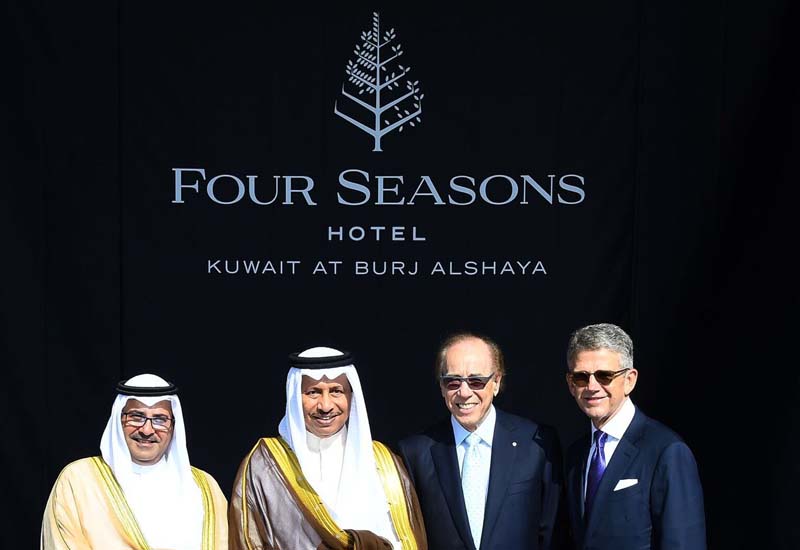
The Power Players Behind the Brand: Current Ownership Structure
The ownership landscape of Four Seasons Hotels and Resorts is dominated by a strategic partnership between an investment firm founded by one of the world’s wealthiest individuals and a prominent Saudi Arabian holding company. This structure was solidified through significant transactions over the past two decades, illustrating a long-term commitment to the luxury hospitality sector.
Bill Gates’s Cascade Investment Takes the Helm
Today, the majority stake in Four Seasons Hotels and Resorts is held by Cascade Investment, the private investment vehicle of Microsoft co-founder Bill Gates. Cascade Investment now controls a commanding 71.25% share of the company. This significant ownership position was cemented through a strategic move in 2021, when Cascade Investment increased its stake by acquiring a portion of shares from its long-standing partner, Kingdom Holding Company. The transaction, valued at $2.21 billion, underscored Gates’s confidence in the enduring value and future growth potential of the Four Seasons brand.
Bill Gates’s involvement in Four Seasons dates back to 2007 when Cascade Investment teamed up with Prince Alwaleed bin Talal’s Kingdom Holding Company and founder Isadore Sharp to take the company private in a deal worth approximately $3.8 billion. This move shielded the luxury brand from the pressures of public markets, allowing it to focus on long-term strategy and maintaining its uncompromising standards of quality and service, core tenets of a truly exceptional accommodation experience.
Prince Alwaleed bin Talal’s Enduring Stake
Despite Cascade Investment’s increased majority, Kingdom Holding Company (KHC), the investment firm chaired by Saudi Prince Alwaleed bin Talal, remains a substantial shareholder, holding 23.75% of Four Seasons Hotels and Resorts. Prince Alwaleed, a renowned investor with a diverse portfolio spanning various sectors, has been a pivotal figure in the Four Seasons ownership for many years. His commitment to the brand reflects a shared vision for luxury hospitality and a deep understanding of the discerning traveler’s expectations.
The partnership between Cascade Investment and Kingdom Holding Company has been a testament to the complementary strengths brought by each party. Prince Alwaleed’s global perspective and vast experience in luxury ventures, combined with Bill Gates’s strategic foresight and financial acumen, have provided a stable and robust foundation for Four Seasons to thrive in an increasingly competitive market. Their combined influence ensures that the brand continues to define excellence in travel and tourism.
The Founder’s Legacy: Isadore Sharp’s Continued Influence
While the majority shares are held by financial powerhouses, the soul of Four Seasons undeniably resides with its founder, Isadore Sharp. He, along with his family, retains a 5% stake in the company. More significantly, Sharp’s philosophical blueprint and guiding principles continue to shape every aspect of the brand’s operations. His “Golden Rule” — treating others as you would wish to be treated — remains the cornerstone of the company’s culture, influencing everything from employee relations to guest services.
Isadore Sharp’s continued involvement, even in a minority ownership capacity, ensures that the brand’s foundational values and its unique approach to luxury service are never diluted. His vision is ingrained in the daily operations of every Four Seasons property, from the bustling city hotels to the tranquil villas in exotic destinations. This blend of financial might and founding vision is a crucial factor in the brand’s consistent reputation for excellence and its ability to offer unparalleled experiences in the global accommodation landscape.
From a Single Toronto Hotel to a Global Empire: The Four Seasons Journey
The story of Four Seasons is one of ambitious vision, meticulous execution, and an unwavering commitment to quality. What began as a local venture in Canada blossomed into a worldwide standard-bearer for luxury travel and lifestyle.
The Visionary Beginnings
The journey of Four Seasons began in 1960 when a young Canadian builder named Isadore Sharp opened his first hotel in Toronto, Canada. Unlike many developers, Sharp didn’t merely build a structure; he envisioned a new kind of hotel experience. His initial property, a modest motor hotel, focused on comfort and personalized service. It quickly became evident that Sharp possessed an innate understanding of what guests truly desired: a luxurious yet welcoming environment, coupled with service that anticipated their needs.
This initial success paved the way for the opening of the first true Four Seasons luxury hotel in 1961, the Four Seasons Motor Hotel in Toronto. From the outset, Sharp prioritized quality over quantity, a philosophy that would define the brand’s expansion. He focused on creating hotels that were not just places to stay, but destinations in themselves, blending elegant design with exceptional amenities. This pioneering approach set the stage for what would become a global phenomenon in high-end accommodation.
Crafting a Niche in Luxury Hospitality

The early expansion of Four Seasons was deliberate and strategic. In 1970, the brand made its international debut with a hotel in London, signaling its ambition to cater to a global clientele seeking refined travel experiences. Throughout the 1970s, Four Seasons expanded into the United States, steadily building its reputation for excellence.
What set Four Seasons apart was its relentless focus on service. While other luxury brands like Ritz-Carlton, St. Regis, and Mandarin Oriental offered grandeur, Sharp’s vision for Four Seasons centered on genuine, intuitive hospitality. This meant everything from anticipating a guest’s preferences to ensuring every interaction was gracious and efficient. This dedication to personalized care, coupled with exquisite hotel design and prime locations, quickly carved out a unique and enviable niche for Four Seasons in the competitive world of luxury hospitality. It wasn’t just about providing rooms; it was about curating an entire lifestyle experience.
The Four Seasons Business Model: Management, Not Mass Ownership
One of the defining characteristics of Four Seasons Hotels and Resorts is its distinctive business model, which deviates significantly from traditional hotel ownership structures. This approach has been instrumental in the brand’s ability to scale globally while maintaining consistent, high-quality standards.
A Unique Approach to Hotel Operations
Unlike many hotel chains that own a substantial portfolio of their properties, Four Seasons operates primarily as a management company. The core of its strategy is to manage hotels, resorts, and private residences that are owned by other entities—typically wealthy individuals, real estate investment trusts, or large institutional investors. In fact, Four Seasons itself owns less than 5% of its properties outright. This model allows the brand to focus its resources and expertise on delivering unparalleled service and maintaining its stringent brand standards, rather than tying up capital in real estate assets.
Through long-term management contracts, Four Seasons provides everything from design consultation during construction to comprehensive operational management once a property is open. This includes staffing, marketing, sales, and ensuring that every aspect of the guest experience—from the amenities in the suites to the culinary offerings in the restaurants—aligns with the luxury expectations associated with the Four Seasons name. Property owners benefit from the brand’s global recognition, sophisticated booking systems, and a proven track record of attracting affluent travelers seeking high-end accommodation and tourism experiences.
Upholding the “Golden Rule” Across Continents
The success of this management-centric model hinges on the ability of Four Seasons to consistently deliver on its brand promise, irrespective of who owns the physical building. This is where Isadore Sharp’s “Golden Rule” truly comes into play. By fostering a culture where employees are treated with respect and dignity, Four Seasons empowers its staff to, in turn, provide exceptional service to guests. This ethos permeates every level of the organization, ensuring that the commitment to excellence is deeply embedded in the daily operations of over 120 properties across 47 countries.
Whether it’s a bustling urban hotel in New York or a secluded resort in the Maldives, guests can expect the same meticulous attention to detail, personalized care, and luxurious environment. This consistent delivery of a premium lifestyle experience is what distinguishes Four Seasons and has cemented its reputation as a leader in the global hospitality landscape. The management model, therefore, isn’t just a financial strategy; it’s a vehicle for perpetuating the brand’s core values and ensuring that every interaction reflects the epitome of luxury travel.
The Enduring Allure and Future Horizon of Four Seasons
With a strong ownership structure and a proven business model, Four Seasons Hotels and Resorts continues to evolve, pushing the boundaries of luxury and expanding its offerings to cater to the ever-changing demands of the sophisticated traveler. The brand’s allure lies in its ability to consistently deliver unforgettable experiences, making it a preferred choice for discerning individuals seeking top-tier travel and lifestyle.
Iconic Properties and Unforgettable Experiences
The portfolio of Four Seasons is a testament to its commitment to acquiring and managing truly exceptional properties in the world’s most desirable destinations. From historic landmarks to stunning architectural marvels, each hotel and resort is curated to offer a unique sense of place. For example, the Beverly Wilshire, A Four Seasons Hotel in Los Angeles is a landmark of old Hollywood glamour, while the Four Seasons Hotel George V, Paris embodies Parisian elegance and culinary artistry.
Beachfront properties like the Four Seasons Resort Lanai in Hawaii and the Four Seasons Resort Bora Bora in French Polynesia offer idyllic retreats, while urban havens such as the Four Seasons Hotel New York Downtown and the Four Seasons Hotel London at Park Lane provide a luxurious base for exploring vibrant cities. The Four Seasons Resort Orlando at Walt Disney World Resort in Florida perfectly blends family-friendly fun with upscale amenities. Other notable properties include the historic Four Seasons Hotel Ritz Lisbon in Portugal, the elegant Four Seasons Astir Palace Hotel Athens in Greece, and the breathtaking Four Seasons Resorts Maldives at Landaa Giraavaru. Each location is a carefully crafted destination designed to offer unparalleled relaxation, adventure, and cultural immersion, reflecting the diverse facets of modern tourism.

Beyond Hotels: Diversification and Innovation
Looking to the future, Four Seasons is not content to rest solely on its reputation for hotels. The brand is actively diversifying its offerings to encompass a broader luxury lifestyle ecosystem. This includes the successful expansion of Four Seasons Private Residences, where discerning individuals can own a piece of the Four Seasons lifestyle, complete with access to hotel amenities and services. These residences are a natural extension of the brand’s commitment to long-term stays and premium living, found in places like Four Seasons at The Surf Club in Miami.
Furthermore, Four Seasons has ventured into ultra-luxury travel experiences, exemplified by the Four Seasons Private Jet journeys and the forthcoming Four Seasons Yachts. These initiatives represent the pinnacle of luxury travel, offering bespoke itineraries and unparalleled comfort for those who seek to explore the world with the signature Four Seasons touch. Whether it’s the serene Four Seasons Resort Bali at Sayan in Indonesia, the adventurous Four Seasons Resort Costa Rica at Peninsula Papagayo, or the sophisticated urban experiences of Four Seasons Hotel Singapore, Four Seasons Hotel Hong Kong, and Four Seasons Hotel Kyoto in Japan, the brand consistently innovates to redefine luxury accommodation and travel.
The future of Four Seasons also includes continued global expansion into emerging luxury markets, bringing its distinctive style to new destinations. With properties like the historic Four Seasons Hotel Gresham Palace Budapest in Hungary, the culturally rich Four Seasons Hotel Istanbul at Sultanahmet in Turkey, and the vibrant Four Seasons Hotel Doha in Qatar, the brand is adept at blending local culture with its international luxury standards. Even in North America, properties like the Four Seasons Hotel Denver in Colorado and the Four Seasons Resort Whistler in British Columbia, Canada, showcase its diverse appeal. These ventures underscore the brand’s dynamic vision, ensuring that Four Seasons remains at the forefront of luxury travel and lifestyle for decades to come, continuously setting benchmarks in hotels, tourism, and accommodation worldwide.
In conclusion, while the face of Four Seasons Hotels and Resorts may seem to be its stunning properties and impeccable service, the true ownership lies in the hands of a powerful financial consortium: primarily Bill Gates’s Cascade Investment (71.25%), with a significant stake held by Prince Alwaleed bin Talal’s Kingdom Holding Company (23.75%), and the invaluable enduring involvement of founder Isadore Sharp (5%). This strategic blend of financial muscle and founding vision ensures that Four Seasons continues its legacy as a global leader in luxury hospitality, perpetually offering extraordinary experiences to its discerning clientele.
LifeOutOfTheBox is a participant in the Amazon Services LLC Associates Program, an affiliate advertising program designed to provide a means for sites to earn advertising fees by advertising and linking to Amazon.com. Amazon, the Amazon logo, AmazonSupply, and the AmazonSupply logo are trademarks of Amazon.com, Inc. or its affiliates. As an Amazon Associate we earn affiliate commissions from qualifying purchases.