
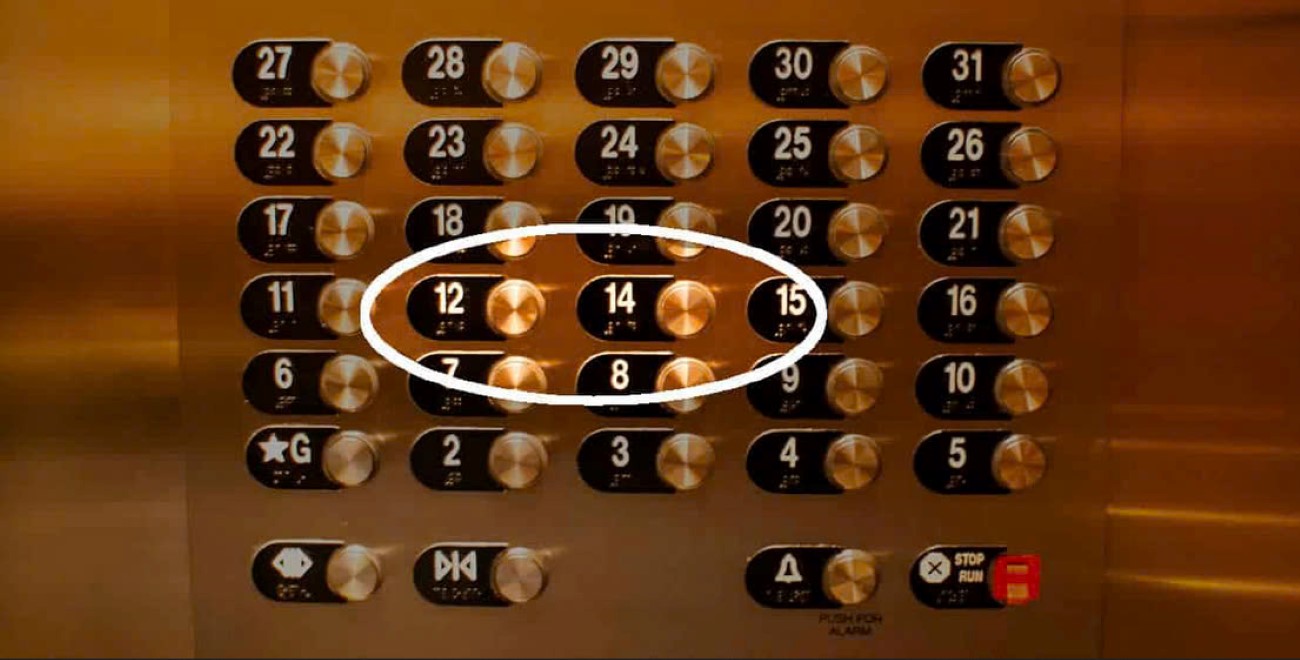
The absence of a 13th floor in many hotels is a curious phenomenon that often sparks questions among travelers. As you ascend an elevator in a hotel, you might notice the sequence of floor numbers skip directly from 12 to 14. This isn’t a random oversight but rather a deliberate architectural and psychological choice rooted in a deep-seated cultural superstition. This practice, while not universal, is prevalent enough to be a common observation, particularly in Western cultures. The origins of this avoidance are multifaceted, drawing from historical folklore, religious beliefs, and a pervasive fear of the number 13, known as triskaidekaphobia. Understanding this tradition offers a fascinating glimpse into how cultural anxieties can shape the built environment and influence the guest experience.
The Ancient Roots of Triskaidekaphobia
The fear of the number 13 is not a modern invention; its origins can be traced back to ancient times, woven into the fabric of mythology, religion, and historical events. These early associations have cast a long shadow, influencing subsequent beliefs and practices across various cultures, including the modern hospitality industry.
Biblical and Mythological Precedents
One of the most frequently cited origins of the superstition surrounding the number 13 comes from the biblical Last Supper. There were 13 individuals present at the table: Jesus Christ and his 12 apostles. The 13th guest to arrive was Judas Iscariot, who ultimately betrayed Jesus. This association with betrayal and misfortune has deeply ingrained the number 13 as unlucky in Christian traditions. Furthermore, some interpretations link 13 to the ancient Norse mythology where a banquet in Valhalla was disrupted by Loki, the god of mischief, who was the 13th uninvited guest, leading to the death of Baldur, the god of light and beauty. These foundational narratives have contributed significantly to the negative connotations of the number 13.
Historical Misfortunes and Associations
Beyond religious texts, historical events have also been retroactively linked to the number 13, reinforcing its perceived ill omen. For instance, the Knights Templar, a powerful medieval order, were arrested and persecuted on Friday, October 13, 1307, by order of King Philip IV of France. This event, often referred to as the “Friday the 13th massacre,” further solidified the association of the date with bad luck and conspiracy. While historical accuracy of such direct causation can be debated, the narrative power of these events has undoubtedly contributed to the enduring superstition. The practice of Friday the 13th as an unlucky day is a direct descendant of these historical interpretations.
The Architectural Manifestation: Omitting the 13th Floor
The pervasive nature of triskaidekaphobia has led architects and developers to make a conscious decision to omit the 13th floor in many buildings, not just hotels. This practice serves a pragmatic purpose: to avoid alienating or discomforting a significant portion of their potential clientele.
Addressing Guest Comfort and Perceptions
For hotel operators, the primary concern is guest satisfaction and ensuring a comfortable, positive experience. A guest who is deeply superstitious or simply uncomfortable with the idea of staying on a 13th floor might request a room change, leading to logistical challenges and potential dissatisfaction. By simply removing the 13th floor from the numbering sequence, hotels preemptively address this potential issue. They avoid the psychological discomfort that some guests might experience, thereby promoting a sense of ease and security. This pragmatic approach prioritizes guest perception and comfort over strict adherence to sequential numbering.
Architectural and Engineering Considerations
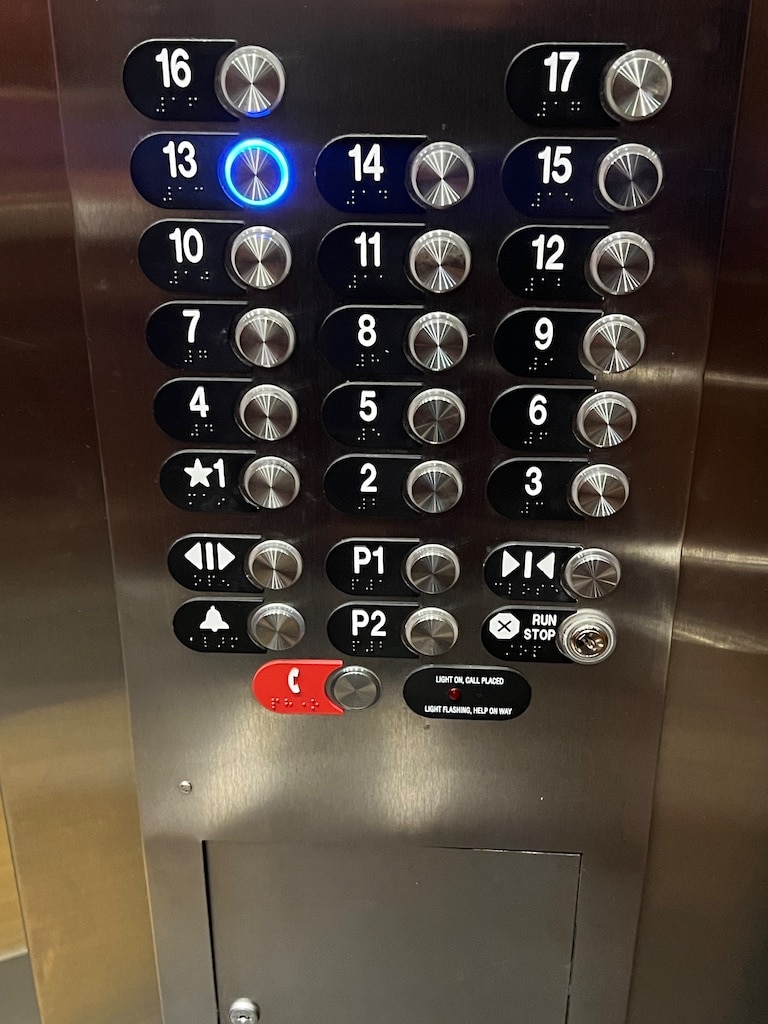
While the primary driver is superstition, there are sometimes subtle practical considerations as well. In some older building codes or specific architectural designs, omitting a floor might have been less complex than creating a functional space that nobody wanted. However, in modern construction, the omission is purely symbolic and psychological. The physical structure of the building typically includes the equivalent of a 13th floor, but it might be labeled as the 14th, or the elevator might skip directly from 12 to 14. The actual space exists; it’s the designation that is altered. This allows developers to maintain the intended building height and functionality without triggering negative associations.
Cultural Variations and Exceptions
While the practice of skipping the 13th floor is widespread, it is not a universal rule. Cultural norms and local superstitions play a significant role in determining whether this practice is adopted. Many countries and regions do not share the same deep-seated aversion to the number 13.
Triskaidekaphobia Beyond Hotels
The aversion to the number 13 extends beyond the hospitality industry. You might find that airlines often omit the 13th row on their planes, and some office buildings might skip the 13th floor. This demonstrates how deeply ingrained the superstition is within certain cultural frameworks. In places like Italy, for example, the unlucky number is traditionally 17, not 13, and you might find buildings in Rome or Milan that skip the 17th floor instead. Similarly, in some East Asian cultures, the number 4 is considered unlucky because its pronunciation is similar to the word for death, leading to buildings in cities like Seoul or Tokyo omitting the 4th floor.
Where the 13th Floor Persists
Conversely, in many parts of the world, the number 13 carries no negative connotations, and hotels will happily feature a 13th floor. Countries with less influence from Western European traditions, or those with different cultural beliefs, may not adhere to this practice. For example, in many parts of Asia and South America, hotels are more likely to have a 13th floor. Travelers visiting cities like Singapore, Mumbai, or Buenos Aires might find buildings that do not shy away from this numerical designation. The existence of 13th floors in these regions highlights the localized nature of superstitions and their impact on design. Even within Western countries, some newer or more modern establishments might choose to disregard this tradition, opting for a more straightforward numbering system.
The Modern Hotel Experience and the Future of Floor Numbering
In the contemporary globalized travel landscape, the decision to include or omit a 13th floor is a complex one, influenced by brand identity, target audience, and a growing awareness of global cultural nuances.
Branding and International Guests
For international hotel chains, the challenge is to cater to a diverse clientele. A hotel in New York City that caters heavily to American and European tourists might very well skip the 13th floor. However, the same chain operating in China might have no qualms about including it. Modern branding often seeks to be inclusive and globally appealing, which can lead to a re-evaluation of deeply ingrained, localized superstitions. The aim is to create an environment where all guests feel welcome and comfortable, regardless of their cultural background or personal beliefs. This often means a thoughtful approach to how floor numbers are presented, ensuring they don’t inadvertently offend or alienate.
A Shift Towards Simplicity or a Nod to Tradition?
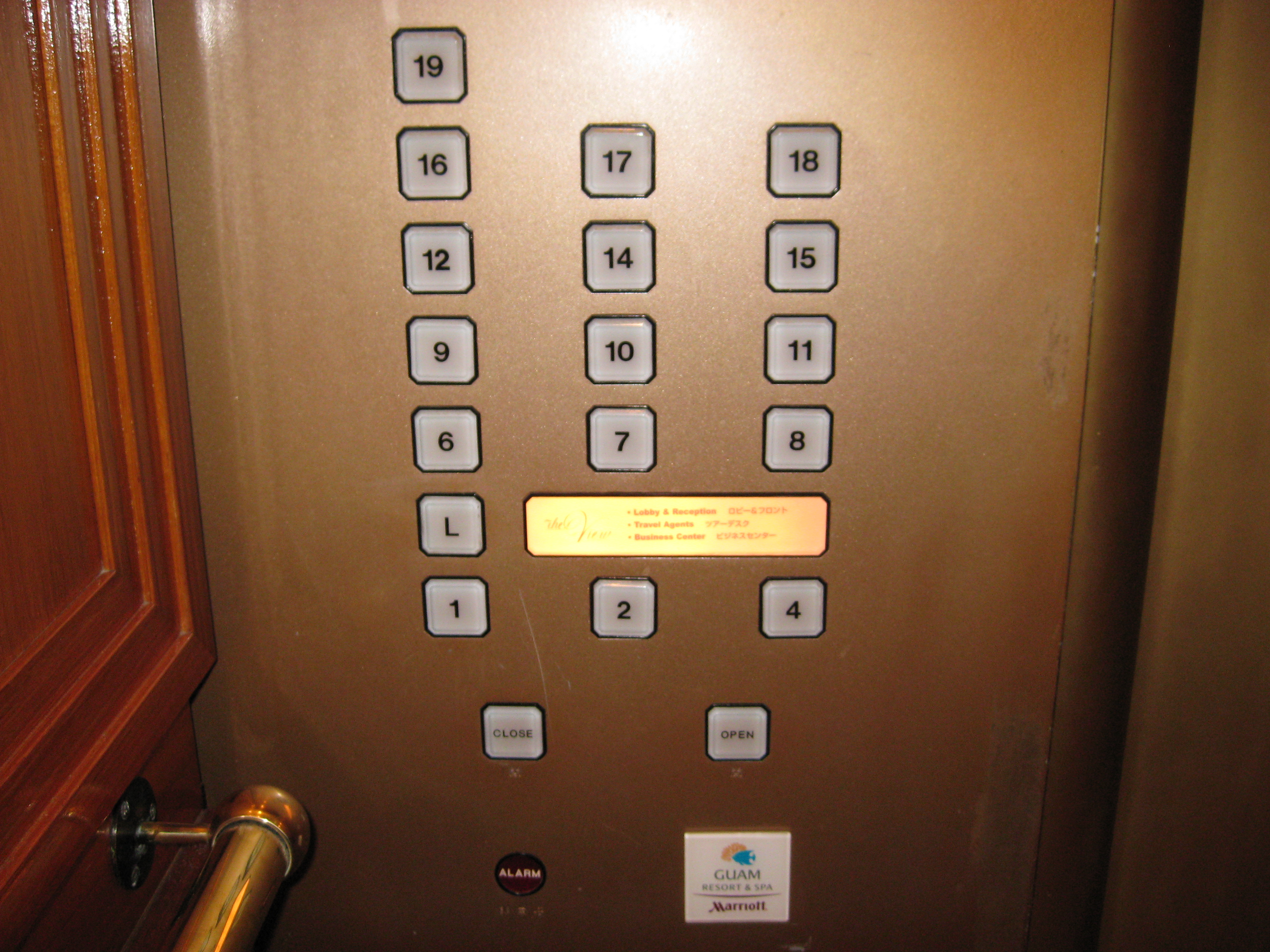
The future of floor numbering in hotels is likely to be a blend of tradition and adaptation. While many established hotels will likely maintain their existing numbering schemes, newer constructions, particularly in more globally connected cities or those aiming for a distinct modern aesthetic, might opt for a straightforward sequence. Some hotels might even embrace the 13th floor as a unique selling point, perhaps dedicating it to a special suite or a themed experience, turning a perceived negative into a positive. However, the deep-seated nature of superstition means that for many, the tradition of avoiding the 13th floor is likely to persist, ensuring that the mystery of the missing floor continues to intrigue travelers for years to come. The decision ultimately reflects a hotel’s understanding of its market and its commitment to providing an experience that resonates with its guests.
LifeOutOfTheBox is a participant in the Amazon Services LLC Associates Program, an affiliate advertising program designed to provide a means for sites to earn advertising fees by advertising and linking to Amazon.com. Amazon, the Amazon logo, AmazonSupply, and the AmazonSupply logo are trademarks of Amazon.com, Inc. or its affiliates. As an Amazon Associate we earn affiliate commissions from qualifying purchases.