
The travel landscape is vast and varied, offering a spectrum of accommodation options from luxurious five-star resorts to cozy bed-and-breakfasts. Amidst this diverse array, extended-stay hotels often occupy a unique niche, frequently prompting discussions on platforms like Reddit about their specific purpose and who truly benefits from their offerings. When the average traveler thinks of a hotel, they often picture a short, perhaps opulent, stay. Yet, extended-stay hotels cater to an entirely different set of needs, providing a bridge between traditional hotel hospitality and the comforts of a temporary home. They are designed for travelers who need more than just a room for a night or two; they need a base, a temporary residence, sometimes for weeks or even months.
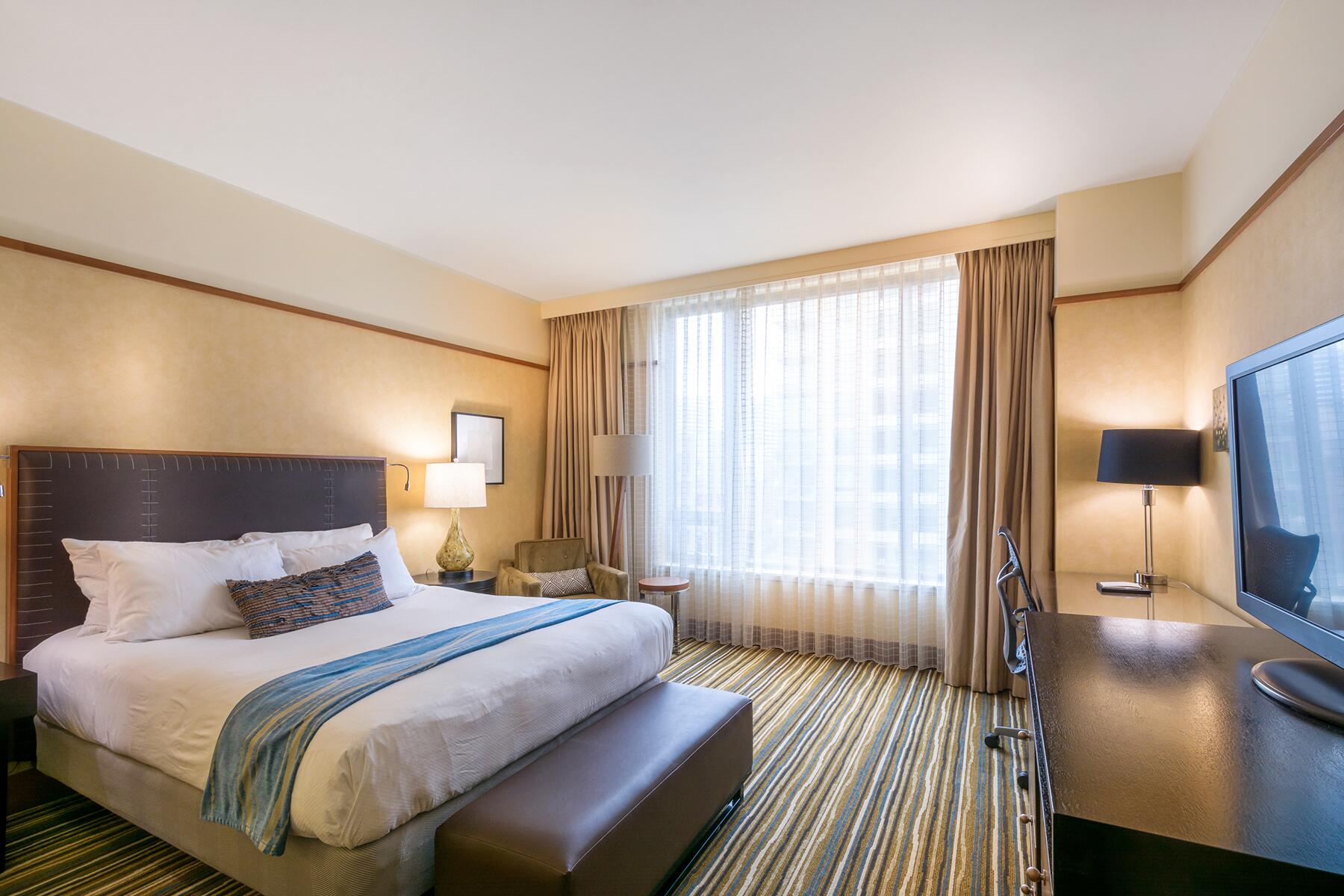
The question “Why would you stay at an extended stay hotel?” is a common one, reflecting a general curiosity about these less conventional lodging choices. For many, the concept conjures images of efficiency apartments or minimalist setups, but the reality is often far more nuanced and appealing. These properties blend the convenience of hotel services with the practicality of residential living, making them an ideal solution for a multitude of scenarios. From the cost-conscious business traveler on a long assignment to families navigating a relocation, or even leisure travelers seeking deeper immersion in a destination, extended-stay hotels offer compelling advantages that traditional hotels simply cannot match. This article delves into the multifaceted reasons behind choosing an extended-stay hotel, exploring the practicalities, the diverse types of travelers they serve, and the unique lifestyle they enable, all through the lens of experiences and insights often shared in online communities.
The Practicality of Longer Stays: More Than Just a Room
Extended-stay hotels carve out their unique space in the accommodation sector by fundamentally redefining the concept of a “hotel room.” They understand that a longer duration requires different amenities, a different pricing structure, and a different sense of comfort than a fleeting overnight visit. This understanding translates into practical benefits that make them incredibly attractive for anyone planning to stay in a location for more than a few days.
Cost-Effectiveness for Extended Periods
One of the most compelling arguments for opting for an extended-stay hotel is the significant cost savings, especially when compared to booking a standard hotel room for an equivalent duration. Traditional hotels typically offer nightly rates, which, when multiplied over several weeks or months, can quickly accumulate into a substantial expense. Extended-stay properties, however, operate on a different pricing model, offering progressively discounted rates for weekly and monthly bookings. This tiered pricing structure makes them an incredibly economical choice for longer durations. For instance, a week-long stay at an Extended Stay America or a Residence Inn could cost considerably less per night than the sum of seven individual night bookings at a conventional hotel.
Beyond the room rate, the built-in amenities of extended-stay hotels also contribute to significant savings on daily living expenses. Foremost among these is the fully equipped kitchen. Having the ability to prepare your own meals, from breakfast to dinner, dramatically reduces reliance on expensive restaurant dining or room service. This is particularly beneficial for families, individuals with dietary restrictions, or those simply looking to maintain a healthier eating routine while traveling. Consider the cumulative cost of daily coffees, breakfasts, and occasional dinners out; cooking just a few meals a week in your extended-stay suite can save hundreds over a month. Furthermore, many extended-stay brands include complimentary amenities like Wi-Fi and often provide free breakfast, further chipping away at potential out-of-pocket expenses that might be added costs at other hotel types. When factoring in everything from laundry costs (many offer on-site facilities) to the convenience of free parking at suburban locations, the financial advantages become undeniable. While short-term rental platforms like Airbnb also offer kitchens and longer-term discounts, extended-stay hotels provide the added benefit of hotel-like services, such as front desk assistance, housekeeping (often on a less frequent schedule than daily, but still available), and maintenance, without the potential variability in quality and service sometimes found in individual rental properties.
Home-Like Amenities and Comforts
The primary differentiator of an extended-stay hotel, beyond its pricing structure, lies in its commitment to providing a “home away from home” experience. This is achieved through a suite of amenities designed to facilitate independent living and offer a level of comfort that goes beyond a standard hotel room.
The centerpiece of this offering is undoubtedly the fully equipped kitchen. This isn’t just a mini-fridge and a microwave; most extended-stay suites feature a full-sized refrigerator, stovetop, oven, dishwasher, and essential cookware and dishes. This allows guests to truly live like they would in their own homes, preparing elaborate meals or simple snacks at their convenience. For someone on a long business trip, being able to cook a favorite comfort food after a stressful day can be a huge morale boost. For families, it’s invaluable for managing children’s meals, especially those with picky eaters or specific dietary needs.
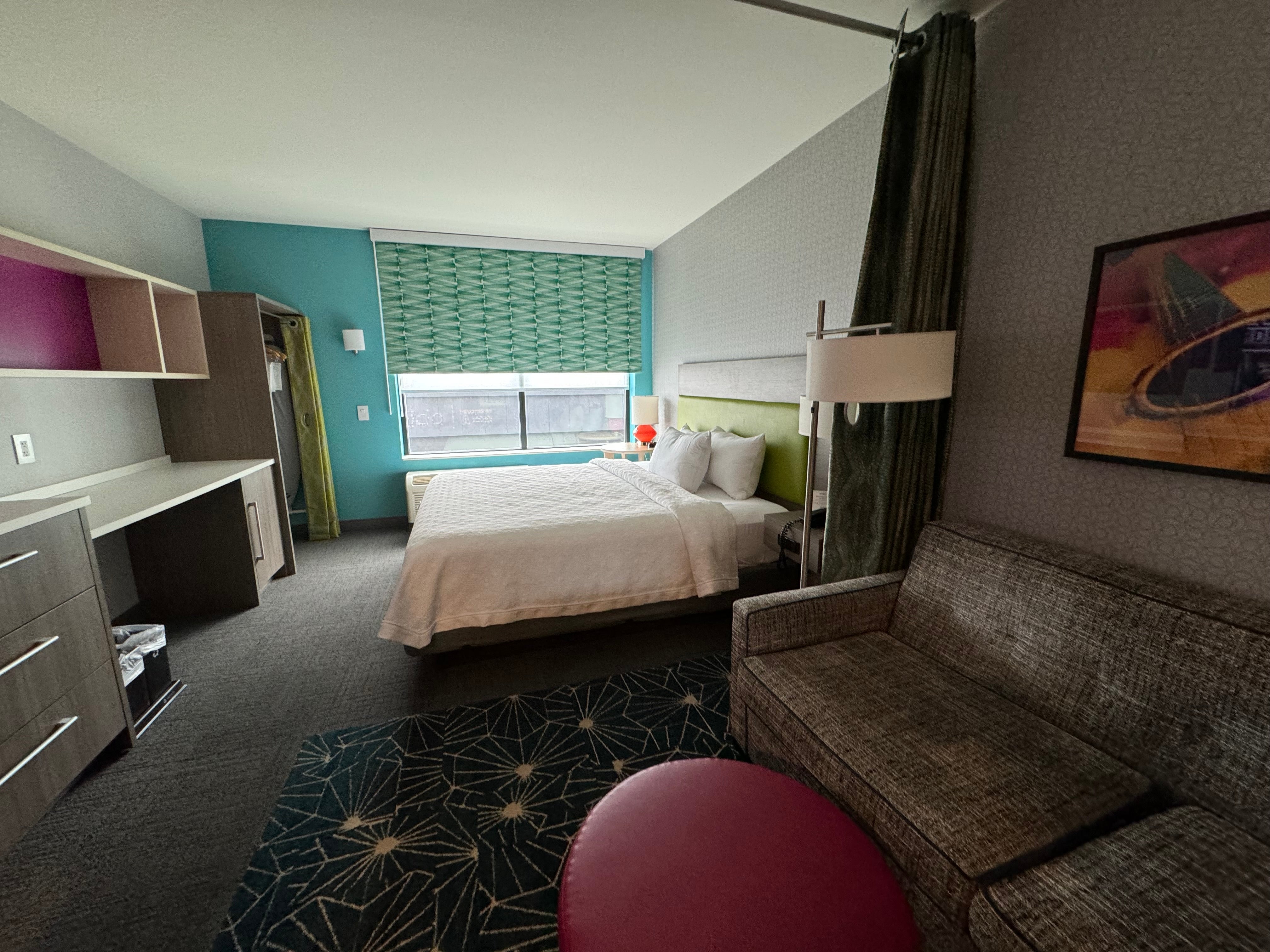
Beyond the kitchen, separate living and sleeping areas are a common feature, providing much-needed space and privacy. This layout allows for distinct zones for relaxation, work, and sleep, preventing the claustrophobic feeling that can arise from prolonged stays in a single-room hotel setup. A separate living room means one person can watch TV or work while another sleeps undisturbed in the bedroom. This is particularly vital for business travelers who need a dedicated workspace or for families where children might have different sleep schedules than adults. These spacious layouts also often include larger closets and ample storage, making it easier to unpack and settle in for a long stay rather than living out of a suitcase.
Lastly, on-site laundry facilities are a practical amenity that significantly enhances convenience for longer-term guests. Being able to wash clothes without leaving the property or incurring hefty dry-cleaning bills is a major time and money saver. Many properties offer self-service laundromats, while some higher-end options might even include in-suite washer/dryers. Coupled with other comforts like pet-friendly policies (a growing trend in the extended-stay market) and fitness centers, these amenities collectively create an environment that supports a comfortable and self-sufficient lifestyle, moving beyond the transient nature of traditional hotel stays.
Diverse Travelers, Diverse Needs: Who Benefits Most?
The versatility of extended-stay hotels is truly highlighted by the wide array of individuals and groups who find them to be the perfect accommodation solution. Their unique blend of cost-effectiveness and home-like amenities caters to specific, often complex, travel needs that traditional hotels struggle to meet.
Business Travelers and Project Teams
For the modern business traveler, especially those embarking on long-term assignments or temporary relocations, extended-stay hotels are often indispensable. Unlike short business trips where a quick overnight stay in a standard hotel suffices, extended assignments – whether for a consulting project in New York City, a software development sprint in Silicon Valley, or a construction project in Houston – demand more. These travelers need a stable base that feels less like a temporary stop and more like a functional home.
The availability of a dedicated workspace, often separate from the sleeping area, is a significant draw. This allows professionals to maintain productivity without cluttering their sleeping space with work documents or equipment. Reliable Wi-Fi, often included, is a given. Furthermore, the ability to cook healthy meals helps maintain routines and saves per diem expenses, which can be critical for both employee well-being and company budgets. Many Marriott or Hilton extended-stay brands, such as Homewood Suites or Residence Inn, specifically target this demographic with their offerings. For project teams, booking multiple suites can provide individual privacy while keeping the team consolidated, fostering collaboration outside of work hours without the formal atmosphere of a conference room. This type of accommodation ensures that business travel, even when extended, doesn’t completely disrupt personal routines or finances.
Family Relocations and Transitions
One of the most stressful experiences a family can undergo is relocation, whether it’s moving to a new city like Denver for a job, waiting for a newly purchased home to become available, or enduring extensive home renovations. During these transitional periods, extended-stay hotels provide a sanctuary, offering stability and space that is crucial for families.

When moving, families often find themselves in limbo between two homes. Selling one house and waiting for the new one to close, or starting a new job while the family wraps things up in another city, creates a need for temporary housing that feels livable. An extended-stay suite, with its separate bedrooms, living area, and full kitchen, allows children to have their own space, families to share meals together, and a semblance of normalcy to persist amidst the chaos of moving. It’s far easier to manage children’s routines, school schedules, and general well-being in an environment that allows for home-cooked meals and dedicated play areas, rather than cramming into a single hotel room for weeks on end. Similarly, for families undergoing significant home renovations, an extended-stay hotel offers a comfortable refuge, keeping them close to their community and schools without the disruption of living in a construction zone. The pet-friendly policies of many extended-stay properties are also a huge bonus, eliminating the added stress of finding temporary boarding for beloved family pets during a turbulent time.
Medical Travel and Specialized Stays
The need for extended accommodation often arises during challenging medical journeys. Patients, and more frequently their families, require convenient, comfortable, and often long-term lodging when seeking specialized treatment far from home. Hospitals like the Mayo Clinic attract patients from across the globe, and their families often need to stay nearby for weeks or even months during treatment, recovery, or rehabilitation.
Extended-stay hotels are uniquely suited to these sensitive situations. Their suites provide a private, quiet space for rest and recovery, away from the clinical environment of a hospital. The full kitchen allows for the preparation of specific dietary meals required for medical conditions or simply for comfort food during a difficult time. Proximity to medical facilities is a key consideration, and many extended-stay properties are strategically located near major hospitals and medical centers. Beyond general comfort, some extended-stay hotels also offer accessibility features, such as roll-in showers and grab bars, catering to guests with specific mobility needs. The compassionate environment, combined with the practical amenities, provides a much-needed haven for families navigating the complexities of medical care, offering peace of mind during an emotionally taxing period.
Leisure Travelers and Digital Nomads
While often associated with utilitarian purposes, extended-stay hotels are increasingly appealing to a growing segment of leisure travelers and the burgeoning community of digital nomads. The concept of “slow travel” has gained traction, where travelers prefer to immerse themselves in a destination rather than rushing through a checklist of sights. For these adventurers, an extended-stay hotel offers an ideal home base.
Imagine spending a month exploring the charming streets of Paris or delving deep into the culinary traditions of Tuscany. An extended-stay hotel in such a location allows travelers to truly live like locals. They can shop at local markets, cook with regional ingredients, and establish routines that feel less like a vacation and more like a temporary relocation. This enables a deeper cultural immersion, allowing for authentic experiences beyond the typical tourist traps.
For digital nomads, who combine work with travel, extended-stay hotels are a practical choice for establishing a temporary base in a new city or country, whether it’s the bustling metropolises of Tokyo or the relaxed vibes of Bali. They provide the necessary amenities for remote work – reliable internet, a dedicated workspace, and the ability to maintain a healthy routine – while also offering the flexibility to explore their surroundings. The consistent quality and amenities of an established brand can be a comforting assurance for those constantly moving from place to place, offering a predictable standard of living that individual short-term rentals might not always guarantee. This blend of comfort, convenience, and community makes extended stays an excellent choice for those seeking a richer, more prolonged travel experience.
The Extended Stay Experience: Beyond the Conventional Hotel
Opting for an extended-stay hotel is more than just selecting a type of accommodation; it’s choosing a particular kind of travel or living experience. It departs from the fleeting, often anonymous, nature of traditional hotel stays, offering a blend of independence, community, and the practicalities of everyday life that are often missed when on the road. This unique experience shapes the journey, transforming a mere lodging option into a temporary home.
Community and Independence
One of the subtle yet significant aspects of staying at an extended-stay hotel for a longer duration is the potential to develop a sense of community. Unlike the constant turnover of guests in a traditional hotel, extended-stay properties often have a core group of residents who are also staying for weeks or months. This can foster casual interactions and even friendships among guests, whether it’s a shared conversation at the complimentary breakfast, a nod in the laundry room, or camaraderie in the fitness center. This creates a more communal atmosphere, especially beneficial for solo travelers or those relocating, offering a familiar face in a new environment. For example, guests might share tips on local grocery stores, the best walking routes, or simply commiserate about their respective long-term projects. This can combat feelings of isolation that sometimes accompany prolonged travel or relocation.
Simultaneously, extended-stay hotels champion independence. With a full kitchen, guests are not reliant on hotel restaurants or room service, granting them complete control over their dining habits and budget. The separate living spaces mean guests can entertain a visitor, host a small meeting, or simply unwind without feeling confined to a single bedroom. The on-site laundry facilities allow for self-sufficiency in managing personal chores. This high degree of independence allows guests to seamlessly integrate their daily routines into their temporary living situation, maintaining a sense of normalcy and autonomy that can be incredibly valuable during extended travel or transitional periods. It’s about being able to live life as you would at home, rather than constantly adapting to a hotel’s services and schedules. This freedom from constant hotel reliance encourages a deeper, more personal engagement with the surrounding neighborhood and culture, fostering a feeling of living in a place rather than just visiting it.
What to Look For: Key Features and Considerations
When contemplating an extended-stay hotel, knowing what features and aspects to prioritize can significantly enhance the experience. The “Reddit?” part of the original question implies a desire for practical advice and insider tips, much like what one would find in online forums where travelers share their experiences.
Firstly, location is paramount. Consider your primary purpose for the extended stay. If it’s business, proximity to your workplace or client offices is crucial. For medical travel, being close to the hospital is non-negotiable. For leisure or relocation, assess the neighborhood’s access to public transportation, grocery stores, pharmacies, parks, and local attractions. A good location not only saves commute time but also enhances the overall quality of life during your stay, allowing for easy access to daily necessities and opportunities for local immersion.
Secondly, scrutinize the amenities. While a full kitchen and separate living areas are standard, investigate what else is offered. Does the property have a fitness center, a swimming pool, or an outdoor recreational area? Is breakfast included, and if so, what kind? Some extended-stay hotels offer evening socials with complimentary food and drinks, which can be a great way to save on dining and meet other guests. For digital nomads or business travelers, the reliability and speed of the Wi-Fi are critical. If you have pets, ensure the hotel has a clear and reasonable pet policy. These additional amenities contribute significantly to comfort and convenience over a longer stay.
Thirdly, always consult reviews and reputation. Platforms like TripAdvisor and community discussions on Reddit can provide invaluable insights into the actual guest experience. Pay attention to comments regarding cleanliness, staff responsiveness, noise levels, and the condition of the facilities. Look for recurring themes that might indicate consistent issues or outstanding service. A hotel might look great on paper, but real-world experiences from previous guests offer a more accurate picture. Understanding the nuances of a property’s service and environment is critical when you’re committing to a stay that might last weeks or months.
Finally, consider loyalty programs. If you frequently stay at extended-stay hotels or within a particular hotel brand family (e.g., Marriott, Hilton), enrolling in their loyalty program can yield benefits like upgraded rooms, late check-outs, or points towards future free nights. For longer stays, accumulating points can be particularly lucrative, adding further value to your choice of accommodation. Choosing an extended-stay hotel is a strategic decision that, when well-researched, can significantly enhance the comfort, convenience, and cost-effectiveness of your long-term travel or temporary living situation.
The compelling reasons to choose an extended-stay hotel are diverse, ranging from clear financial advantages and the desire for home-like comforts to specific situational needs for business, family, or medical travel. These properties fill a vital gap in the accommodation market, offering a practical, flexible, and often more personal alternative to traditional hotels and even short-term apartment rentals. They are not merely places to sleep but rather temporary homes designed to support a lifestyle, whether for a project team in London, a family relocating to Los Angeles, or a digital nomad exploring Europe or Asia. By understanding their unique value proposition and knowing what to look for, travelers can make informed decisions that transform potentially stressful long-term stays into comfortable and productive experiences. Ultimately, an extended-stay hotel offers more than just a room; it offers a foundation, a sense of stability, and the freedom to live life on your own terms, wherever your journey takes you.
LifeOutOfTheBox is a participant in the Amazon Services LLC Associates Program, an affiliate advertising program designed to provide a means for sites to earn advertising fees by advertising and linking to Amazon.com. Amazon, the Amazon logo, AmazonSupply, and the AmazonSupply logo are trademarks of Amazon.com, Inc. or its affiliates. As an Amazon Associate we earn affiliate commissions from qualifying purchases.