
For anyone considering a trip to the heartland, pondering a remote work relocation, or even dreaming of a long-term stay in the United States, understanding the local financial landscape is as crucial as knowing the best attractions or where to find comfortable accommodation. While our explorations often focus on the visual and experiential – the majestic Flint Hills, the vibrant arts scene in Lawrence, or the historical significance of Topeka – the underlying economic factors can significantly influence your overall experience and budget. One such fundamental factor that frequently arises for both visitors and potential residents alike is the question: does Kansas have a state income tax?
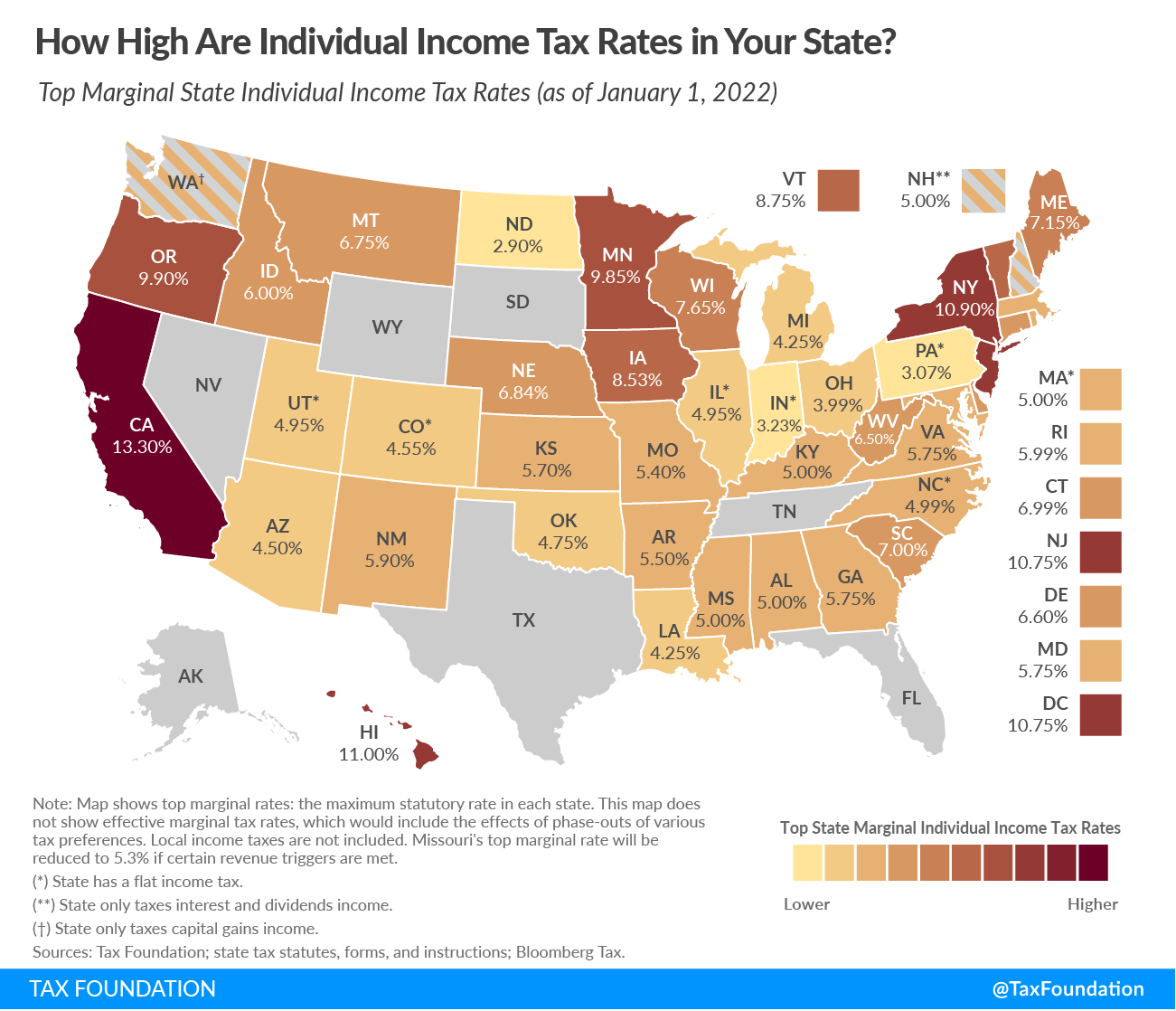
The straightforward answer is yes, Kansas does levy a state income tax. However, the implications extend far beyond a simple yes or no, touching on everything from the cost of living and the attractiveness for remote workers to the state’s ability to fund its impressive array of tourism initiatives and public infrastructure. For those planning a journey through the Great Plains or contemplating a more permanent move, delving into the specifics of Kansas’s tax structure offers valuable insights into managing your finances and maximizing your “life out of the box” experience. This guide aims to demystify the tax situation in Kansas, weaving in how these financial realities intertwine with travel, lifestyle, and accommodation choices in the Sunflower State.
Understanding Kansas’s State Income Tax Landscape
Navigating the financial intricacies of a new destination, whether for a short vacation or a potential long-term residency, is an essential part of informed planning. In Kansas, the state income tax plays a significant role in this equation, influencing everything from the daily budget of a traveler to the long-term financial health of its residents and businesses. Understanding its structure is key to appreciating the broader economic environment of the state and how it impacts your travel and lifestyle decisions.
The Basics: Yes, Kansas Has State Income Tax
Indeed, Kansas is one of the many states in the United States that imposes a state income tax on its residents’ earnings and, in some cases, on income earned within its borders by non-residents. This means that if you live and work in Kansas, or if you earn income from Kansas sources while residing elsewhere, you will likely be subject to this tax. For travelers, this primarily becomes a concern if they are engaging in work while visiting, perhaps as digital nomads, or considering an extended stay that might establish tax residency. The revenue generated from state income tax is crucial for funding a wide array of public services, including education, infrastructure development, and the maintenance of state parks and cultural landmarks, many of which are key attractions for tourists.
How the Progressive Tax System Works in Kansas
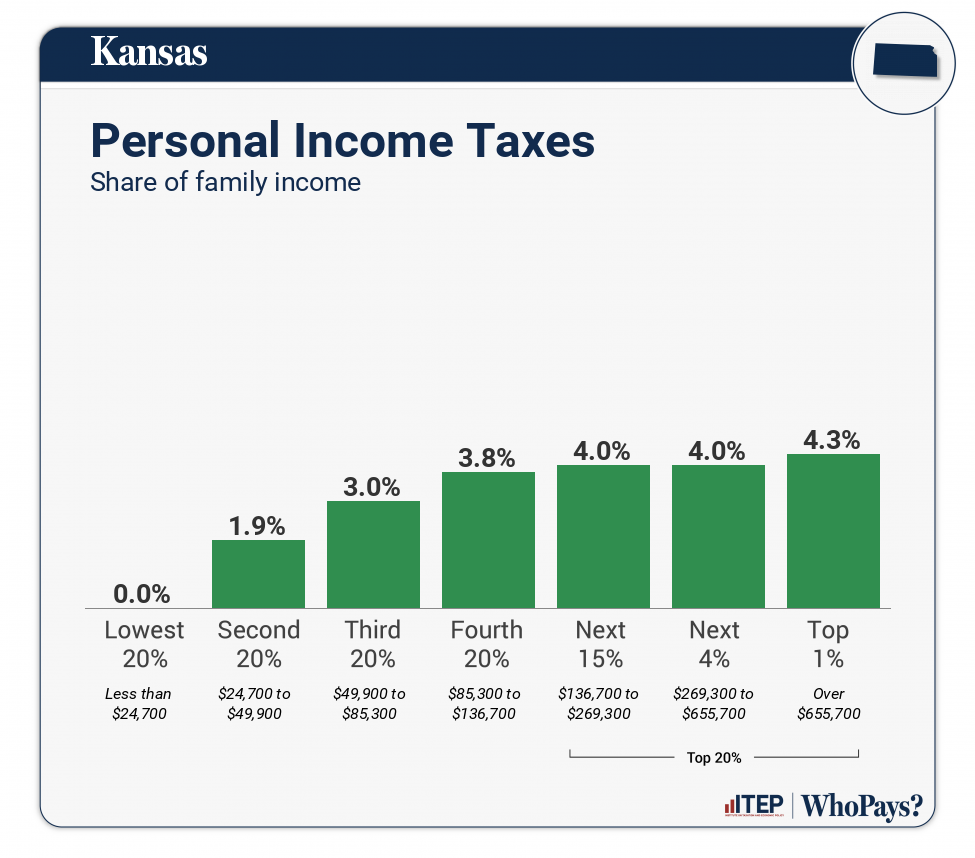
Kansas operates a progressive income tax system. This means that individuals with higher taxable incomes pay a higher percentage in taxes compared to those with lower incomes. The system is structured with different tax brackets, each with its corresponding rate. While the specific rates and brackets can change due to legislative action, the general principle of progression remains consistent. For example, as of recent structures, there might be two or three brackets, with the lowest income earners paying a lower rate and the highest income earners facing a higher rate. This system is designed to distribute the tax burden more equitably across the population.
For individuals exploring Kansas for lifestyle reasons, such as retirees or those seeking a more affordable cost of living compared to coastal states, understanding these brackets is important. It directly impacts disposable income, which in turn influences choices regarding accommodation – whether to opt for a luxury suite in Overland Park or a cozy Airbnb in a smaller town – and the overall budget for experiences like dining out, visiting attractions such as the Sedgwick County Zoo, or attending local festivals.
Key Deductions and Credits for Kansas Residents
Like the federal income tax system, Kansas offers various deductions and credits that can reduce an individual’s taxable income and, consequently, their overall tax liability. These can include standard deductions, itemized deductions (similar to federal guidelines but with Kansas-specific adjustments), and various credits for certain expenses or circumstances. Examples might include credits for property taxes paid, contributions to educational savings plans, or certain business investments.
For those contemplating a move to Kansas, especially families or individuals planning long-term accommodation, researching these deductions and credits is vital for effective financial planning. They can significantly impact the effective tax rate and contribute to the overall affordability of living in cities like Wichita or Manhattan. Understanding these benefits can help paint a clearer picture of the real cost of living and assist in budgeting for everything from housing to exploring the state’s natural beauty at the Tallgrass Prairie National Preserve. This knowledge is part of the comprehensive lifestyle planning that many travelers and prospective residents undertake when seeking new destinations.
Beyond Income Tax: A Look at Kansas’s Broader Tax Environment
While state income tax is a primary consideration, it’s just one piece of the larger financial puzzle in Kansas. A holistic view of the state’s tax environment, including sales tax and property taxes, is essential for anyone budgeting a trip, planning an extended stay, or considering making the Sunflower State their home. These additional taxes can significantly impact the cost of travel, daily expenses, and the long-term financial commitment of living in the Midwest.
Sales Tax and Its Impact on Travelers
Kansas imposes a statewide sales tax on most goods and services. Beyond the state rate, many cities and counties also add their local sales taxes, leading to varying combined rates across different locations. For travelers, sales tax is an unavoidable part of nearly every transaction, from purchasing souvenirs at the Kansas State Capitol gift shop to dining at a local restaurant in Kansas City (on the Kansas side), or booking a night at a resort.
Understanding these rates is crucial for accurate travel budgeting. For instance, a higher sales tax rate in a popular tourist destination might mean that a meal or a hotel room costs slightly more than anticipated. While individual sales tax amounts might seem small, they can accumulate quickly over the course of a trip, especially for families or those indulging in luxury travel experiences. When comparing the overall cost of a vacation in Kansas versus a neighboring state like Missouri or Oklahoma, considering the combined sales tax can provide a more accurate picture of the daily expenses you might incur. This awareness allows travelers to allocate their budget more effectively, ensuring they have ample funds to enjoy all the attractions and experiences Kansas has to offer.
Property Taxes: A Factor for Long-Term Stays and Relocation
Property taxes in Kansas are levied by local governments, including counties, cities, and school districts, based on the assessed value of real estate. While not directly impacting a short-term tourist, property taxes become a significant financial consideration for anyone contemplating an extended stay, purchasing a vacation home, or permanently relocating to Kansas. These taxes fund local services such as schools, police and fire departments, and local infrastructure, which indirectly benefit residents and visitors alike by contributing to safe and well-maintained communities.

The amount of property tax paid can vary widely depending on the location within Kansas – urban centers like Overland Park or Wichita might have different rates and property values compared to rural areas. For those exploring real estate opportunities, perhaps looking for a long-term rental or a home to settle down in, factoring in property taxes is as important as considering mortgage payments or rental costs. It affects the overall cost of accommodation and the long-term affordability of a particular lifestyle in Kansas. Prospective residents often compare property tax rates with states like Nebraska or Colorado to gauge the financial feasibility of their move, making it a critical component of their financial planning for a new life or an extended adventure in the state.
The Financial Footprint for Travelers, Remote Workers, and New Residents in Kansas
The tax environment in Kansas has a tangible impact on various groups, from vacationers and digital nomads to those looking to plant roots. Understanding this financial footprint is vital for making informed decisions about travel, accommodation, and lifestyle choices within the state. It’s about more than just paying taxes; it’s about how these obligations shape the overall experience and feasibility of living or working in Kansas.
Budgeting for Your Kansas Adventure: What to Consider
For travelers planning a vacation or a short-term visit to Kansas, the primary tax considerations revolve around sales tax and, indirectly, lodging taxes. While a state income tax generally doesn’t apply to a typical tourist, understanding how sales tax impacts the cost of everyday purchases – from dining and shopping to entrance fees for attractions like the Eisenhower Presidential Library – is crucial. Most cities and counties also impose a transient guest tax or lodging tax on hotel stays, which adds to the overall cost of accommodation.
When budgeting for your trip, factor in these additional percentages on top of advertised prices for hotels, meals, and souvenirs. For instance, a luxurious stay at a boutique hotel in Lawrence will incur not just the room rate but also state and local sales tax, plus a lodging tax. This comprehensive budgeting approach ensures that your Kansas adventure remains within your financial comfort zone, allowing you to fully enjoy everything from exploring the Spencer Museum of Art to experiencing local cuisine without unexpected financial surprises.
Kansas for Remote Workers: A Tax Perspective
The rise of remote work has opened up new possibilities for individuals to live and work from virtually anywhere, and states like Kansas are increasingly attractive due to their lower cost of living and quality of life. For remote workers considering Kansas as their base, understanding the state income tax implications is paramount. If you establish residency in Kansas while working for an out-of-state company, your income will generally be subject to Kansas state income tax. Furthermore, if you maintain residency in another state but perform work physically within Kansas for a significant period, you might incur a Kansas tax liability on the income earned from work performed in the state.
This tax consideration becomes a key factor in the overall financial attractiveness of Kansas for digital nomads or those seeking a lifestyle change. Comparing the potential tax burden in Kansas with states like Iowa or even those with no state income tax can influence the decision of where to establish a remote work hub. The lower cost of housing and general expenses in Kansas might offset the state income tax for many, making it a financially viable and appealing option for those seeking a balance between career and a fulfilling lifestyle.
Making Kansas Your Home: Lifestyle and Financial Planning
For those who dream of a more permanent change and envision making Kansas their long-term home, a comprehensive understanding of the state’s entire tax structure is indispensable. This includes not just state income tax, but also property taxes, sales tax, and even estate or inheritance taxes, which can impact long-term financial planning. The interplay of these taxes affects everything from the amount of disposable income available for leisure and travel to the overall wealth accumulation and transfer across generations.
Many individuals and families choose Kansas for its strong communities, affordable housing, and access to unique natural beauty like the Botanica, The Wichita Gardens. Effective financial planning, incorporating a clear picture of tax obligations, ensures that residents can enjoy these benefits without undue financial strain. This includes planning for retirement, managing investments, and budgeting for major life events, all while navigating the local tax landscape. Ultimately, a deep dive into Kansas’s tax policies is a crucial step for anyone seeking to embrace a full and rewarding life in the Sunflower State, ensuring that their “life out of the box” is both enriching and financially sustainable.
Kansas’s Economic Pulse and Its Connection to Tourism
The presence and structure of state income tax in Kansas are not isolated financial facts; they are integral components of the state’s economic ecosystem. This ecosystem directly influences the development of infrastructure, the funding of public services, and critically, the vibrancy and sustainability of its tourism and hospitality sectors. Understanding this connection highlights why tax policy is relevant even for the most casual traveler.
State Revenue, Infrastructure, and Tourism Development
The revenue generated from Kansas’s state income tax, alongside sales and property taxes, forms the backbone of the state’s budget. These funds are allocated to various essential services, many of which directly or indirectly support the tourism industry. For example, tax revenues contribute to maintaining and improving the state’s road networks, making it easier for visitors to access destinations like the Tallgrass Prairie National Preserve or cultural sites in Topeka. They also fund public safety, ensuring a secure environment for both residents and tourists.
Beyond basic services, state funds are often used for direct tourism promotion and development. This can include grants for local communities to enhance their attractions, marketing campaigns to draw visitors from across the United States and beyond, and investment in public amenities that enrich the visitor experience. A stable and well-managed tax revenue stream allows Kansas to invest in preserving its historical landmarks, supporting its burgeoning arts scenes, and developing new visitor experiences. This cyclical relationship means that a healthy tax base contributes directly to a more appealing and accessible Kansas for travelers, fostering growth in hotels, resorts, and local businesses that cater to them.
Why Tax Policy Matters for the Travel and Hospitality Sector
For businesses within the travel and hospitality sector in Kansas, state income tax and other tax policies have a profound impact on their operational costs and investment decisions. The tax burden on businesses, including corporate income tax (which is distinct from personal income tax but part of the broader tax framework), influences profitability and the capacity for expansion. Lower tax burdens or specific tax incentives can encourage new hotel developments, the establishment of unique dining experiences, or the renovation of existing tourist infrastructure.
For example, a favorable tax environment might encourage a hotel chain to build a new resort in Wichita or spur investment in eco-tourism ventures in the Flint Hills. These investments create jobs, enhance the visitor experience, and contribute to the local economy. Moreover, the attractiveness of Kansas as a place to live, partly shaped by its individual income tax rates, influences the availability of a skilled workforce for hotels, restaurants, and tour operators. Ultimately, the intricate web of tax policies directly shapes the competitiveness and vibrancy of Kansas‘s tourism sector, making it a critical consideration for anyone interested in the state’s travel appeal and economic health.
In conclusion, while the question “Does Kansas have state income tax?” might seem purely fiscal, its answer opens a window into the broader economic landscape that underpins travel, lifestyle, and accommodation choices in the Sunflower State. From budgeting for a vacation to planning a remote work relocation or considering a permanent move, understanding these financial realities empowers individuals to make informed decisions and fully embrace the rich experiences Kansas has to offer.
LifeOutOfTheBox is a participant in the Amazon Services LLC Associates Program, an affiliate advertising program designed to provide a means for sites to earn advertising fees by advertising and linking to Amazon.com. Amazon, the Amazon logo, AmazonSupply, and the AmazonSupply logo are trademarks of Amazon.com, Inc. or its affiliates. As an Amazon Associate we earn affiliate commissions from qualifying purchases.